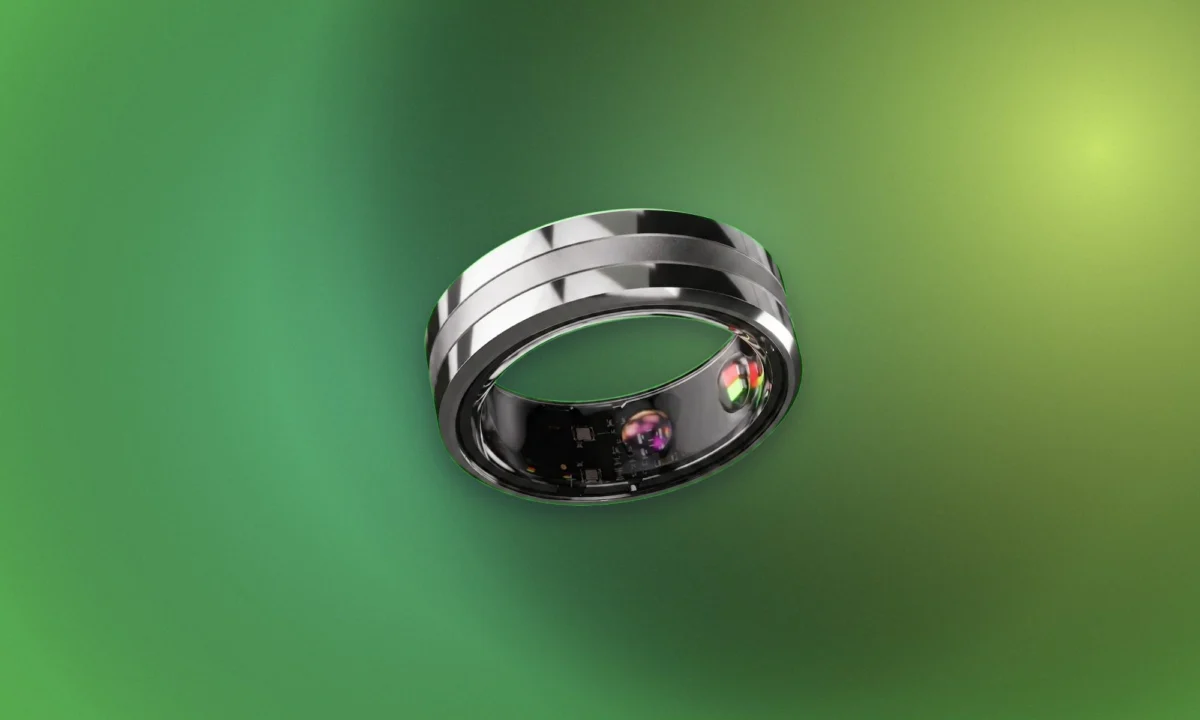
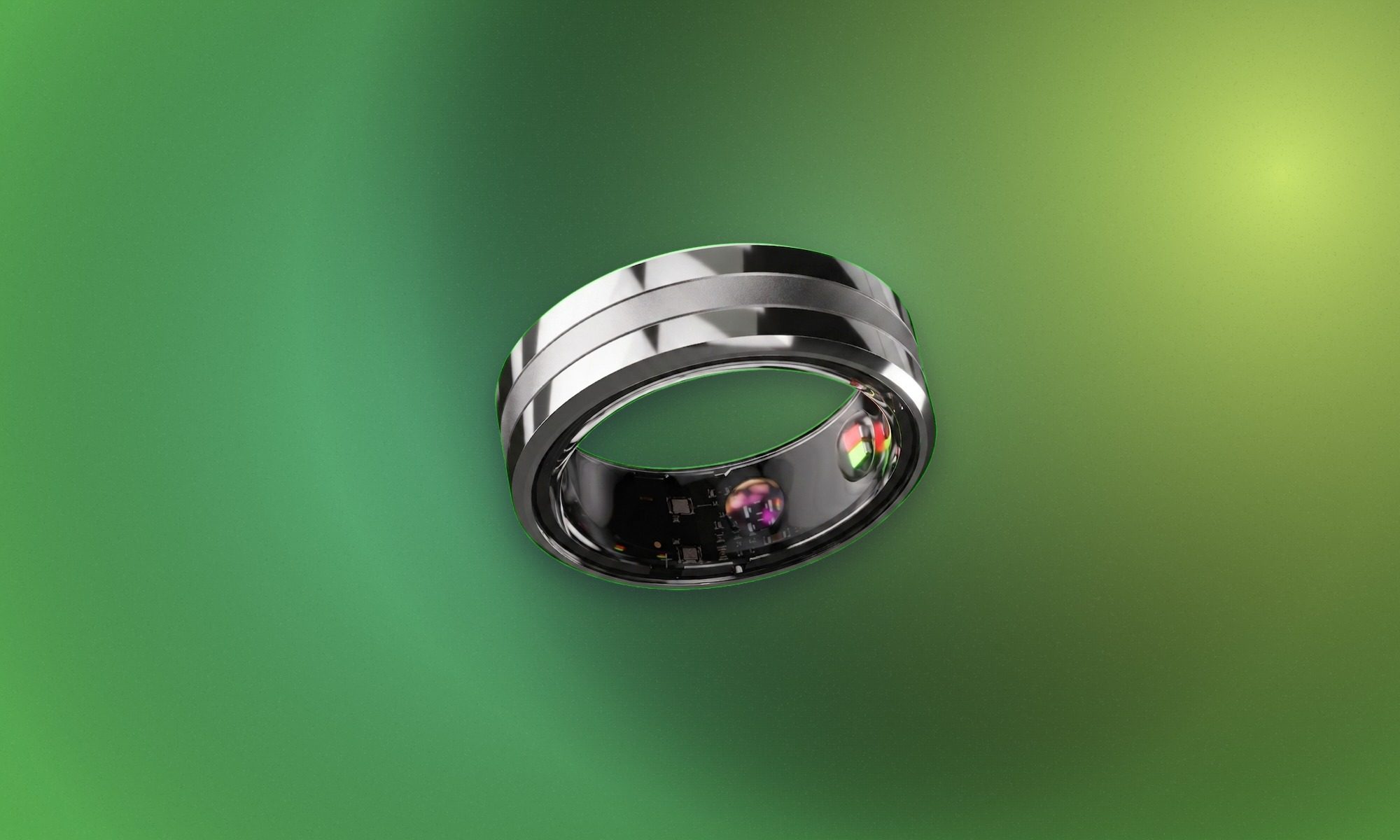
Vital Signals, a burgeoning player in the health technology sector, has officially entered the competitive wearable market with the announcement of the Signal Ring. Priced at $399, this smart ring aims to achieve a milestone that industry giants like Apple, Samsung, and Oura have yet to fully realize: providing specific, numerical blood pressure readings—systolic and diastolic—directly from the finger without the need for a traditional inflatable arm cuff for calibration. While the device promises a significant leap in consumer health monitoring, its debut as a "wellness device" highlights the ongoing tension between rapid technological innovation and the rigorous standards of medical regulatory bodies.
The Signal Ring is scheduled to begin accepting preorders on July 16, with the first units expected to ship to consumers in October. Unlike many of its competitors that focus on general fitness metrics like step counts or sleep stages, the Signal Ring is positioned specifically for the management of hypertension and cardiovascular health. However, because the consumer version lacks clearance from the U.S. Food and Drug Administration (FDA), it cannot be legally marketed as a diagnostic tool for medical conditions.

The Technical Challenge of Cuffless Monitoring
Blood pressure has long been the "holy grail" of wearable technology. Traditionally, blood pressure is measured via oscillometry, which requires an inflatable cuff to temporarily stop blood flow and then detect the vibrations of the arterial wall as the pressure is released. Translating this process into a continuous, non-invasive wearable format is a monumental engineering challenge.
The Signal Ring utilizes a combination of custom-built electronics and proprietary algorithms to estimate blood pressure from the finger’s blood flow. At its core, the device relies on photoplethysmography (PPG) sensors—the same type of green or red light sensors found in heart rate monitors—to track the volume of blood passing through the capillaries. Vital Signals claims its software can interpret these signals to provide systolic and diastolic numbers by accounting for physiological variables such as body mass index (BMI) and arterial stiffness, which naturally changes with age and health status.
A critical differentiator for the Signal Ring is its "calibration-free" promise. Current market offerings that provide blood pressure estimations, such as the Samsung Galaxy Watch series, require users to calibrate the device every few weeks using a medical-grade arm cuff. This calibration provides a baseline for the watch’s algorithms to compare against. Vital Signals asserts that its algorithms are robust enough to bypass this step, offering a more seamless user experience that relies entirely on the ring’s onboard sensors.
Comparison with Market Leaders: Apple, Oura, and Samsung
The announcement of the Signal Ring comes at a time when the smart ring market is expanding rapidly. Oura, the current market leader, has focused heavily on sleep tracking and recovery metrics, recently launching the Oura Ring 4 with enhanced sensor accuracy. While Oura tracks heart rate variability (HRV) and skin temperature, it has steered clear of providing numerical blood pressure readings, likely due to the regulatory hurdles involved.
Apple, similarly, has been rumored to be developing blood pressure monitoring for the Apple Watch for years. Reports suggest that Apple’s approach may initially focus on "trend monitoring"—alerting a user if their blood pressure is rising—rather than providing specific numbers. This cautious approach reflects the difficulty of achieving medical-grade accuracy in a consumer-grade wearable.
Samsung remains the only major manufacturer to offer numerical blood pressure readings in a smartwatch, but as noted, it requires frequent cuff-based calibration and is not available in all regions due to local regulatory restrictions. By offering a calibration-free solution in a ring form factor, Vital Signals is attempting to leapfrog established tech titans, though the lack of FDA clearance remains a significant caveat for potential buyers.
The Regulatory Landscape and FDA Guidance
The FDA maintains a strict stance on wearables that claim to measure critical health vitals. In early 2024, the agency issued a safety communication warning consumers against using smartwatches or smart rings that claim to measure blood glucose or blood pressure without FDA clearance. The agency emphasized that unauthorized devices could provide inaccurate readings, leading to "potentially life-threatening" consequences, such as a patient taking the wrong dose of medication or delaying necessary medical treatment.
Vital Signals is currently pursuing two parallel tracks. The $399 consumer model is being marketed for general wellness, a category that allows for less stringent oversight as long as the company does not claim to treat or diagnose diseases. Simultaneously, the company is testing a "medical-grade" version of the Signal Ring. This version is intended to diagnose hypertension and flag dangerous cardiovascular trends. While clinical trials for this medical version are underway, Vital Signals has not yet published the results in peer-reviewed journals, leaving some experts skeptical of the device’s accuracy across diverse populations.
The FDA’s draft guidance for cuffless blood pressure devices outlines the rigorous testing required for clearance. Manufacturers must demonstrate that their devices remain accurate across different skin tones, environmental temperatures, and movement levels. Because the Signal Ring relies on cloud-based processing for its data analysis, the FDA may also scrutinize the security and reliability of the data transmission between the ring and the company’s servers.

Early Hands-On Impressions and Limitations
Initial hands-on reports, including those from Bloomberg, suggest that while the technology is promising, it is not yet infallible. During demonstrations, some readings were found to be inaccurate when compared to traditional cuff measurements. Vital Signals attributed these discrepancies to "ring fit," a known issue in the wearable industry. For optical sensors to work correctly, they must maintain consistent contact with the skin. If a ring is too loose or if the wearer’s finger swells or shrinks throughout the day, the signal-to-noise ratio can degrade, leading to erroneous data.
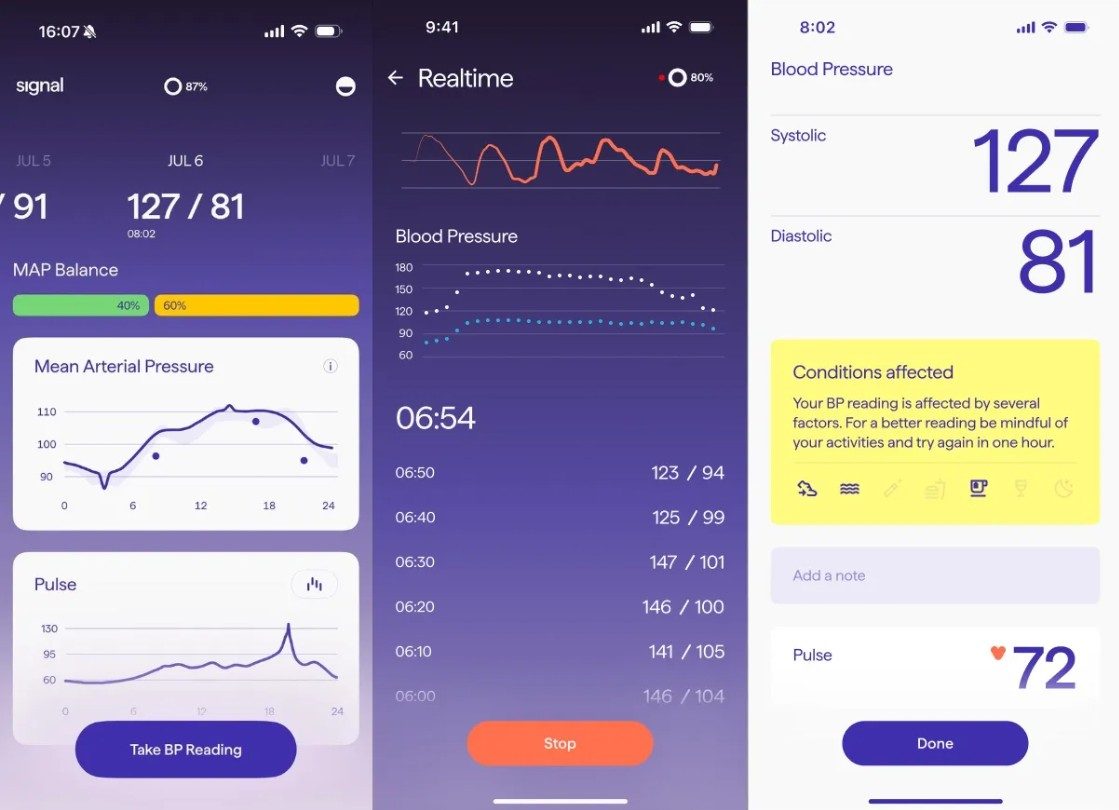
Furthermore, the Signal Ring’s reliance on the cloud presents a potential hurdle for real-time monitoring. While the ring can record measurements while the user is offline, the complex algorithmic processing required to turn those signals into blood pressure numbers happens on Vital Signals’ servers. Users will not see their results until the device synchronizes with a smartphone and the data is processed in the cloud. This latency could be a drawback for users who need immediate feedback during a hypertensive crisis.
To mitigate errors, the Signal Ring app includes features designed to ensure "clean" measurements. Users are encouraged to sit quietly and use breathing exercises during a reading. The app is programmed to pause a session if it detects movement or if the user is talking, both of which can significantly distort PPG signals.

The Global Context: The Hypertension Crisis
The drive for accessible blood pressure monitoring is fueled by a global health crisis. According to the World Health Organization (WHO), an estimated 1.28 billion adults aged 30–79 years worldwide have hypertension, and nearly half of them are unaware of their condition. In the United States, the Centers for Disease Control and Prevention (CDC) reports that nearly 50% of adults have hypertension, but only about one in four have the condition under control.
Hypertension is often called the "silent killer" because it frequently has no obvious symptoms while significantly increasing the risk of heart disease, stroke, and kidney failure. Continuous monitoring through a discreet wearable like a ring could theoretically improve "patient adherence"—the likelihood that a person will consistently check their vitals. However, medical professionals warn that consumer devices should complement, not replace, clinical-grade equipment.
Pricing, Subscription Model, and Market Impact
In a move that distinguishes it from Oura, Vital Signals has announced that the Signal Ring will not require a monthly subscription. The $399 upfront cost covers the hardware and access to the health data within the app. This pricing strategy may appeal to consumers who are increasingly wary of "subscription fatigue" in the tech industry.

The Signal Ring also offers secondary features, including heart rate monitoring and basic sleep tracking, though the company has made it clear that these are supporting roles to the primary mission of blood pressure tracking. By targeting individuals with hypertension or a high risk of cardiovascular disease, Vital Signals is carving out a niche that prioritizes medical utility over general fitness.
As the October shipping date approaches, the medical and tech communities will be watching closely to see if the Signal Ring can deliver on its ambitious promises. If successful, it could force a shift in how major tech companies approach health vitals. If it fails to provide consistent accuracy, it may serve as a cautionary tale about the limits of current sensor technology and the importance of regulatory oversight in the health-tech space.
For now, the Signal Ring represents a bold, if unproven, step toward a future where managing chronic conditions is as simple as wearing a piece of jewelry. However, for those whose lives depend on accurate blood pressure data, the advice from clinicians remains unchanged: until a wearable receives FDA clearance for medical use, the traditional arm cuff remains the gold standard for home monitoring.