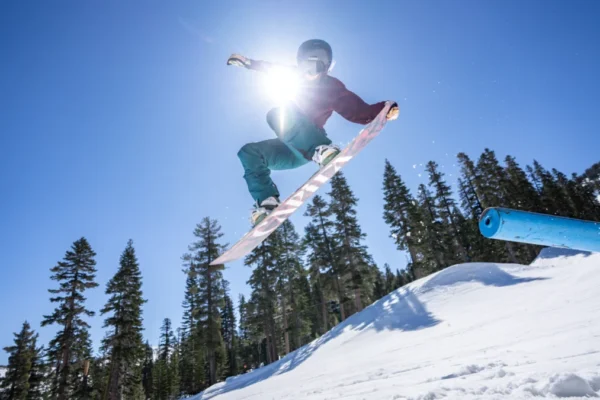












The modern narrative surrounding outdoor recreation is frequently dominated by intense physical benchmarks, extreme endurance challenges, and the pursuit of elite athletic performance. However, a new digital content series seeks to dismantle these intimidating barriers and reframe nature as an inclusive space accessible to all individuals, regardless of their athletic background. Titled Sierra in the Sierras, the newly launched production features Emmy-winning co-producer and outdoor enthusiast Dylan Efron alongside actress and television personality Danielle Fishel. Together, the pair embarks on a journey through the majestic landscape of the Sierra Nevada near Lake Tahoe, illustrating that outdoor adventure can be tailored to any comfort level—whether an individual identifies as strictly athletic or simply "athletish."
Published in November 2026, the series represents a collaborative effort between top-tier active lifestyle brands and editorial guides from the outdoor media space. By leveraging accessible gear pricing and expert instruction, the project aims to demystify activities that often intimidate novices, proving that the threshold for outdoor exploration is far lower than contemporary media often suggests.
Main Facts and Production Background
At its core, Sierra in the Sierras is designed to encourage public participation in nature by removing financial and psychological hurdles. The initiative highlights top-tier active and outdoor apparel and equipment available at accessible price points, empowering consumers to experiment with unfamiliar activities without making a prohibitive financial commitment.
In the inaugural episode, Dylan Efron—widely recognized for his production work on Netflix’s travel and wellness series Down to Earth with Zac Efron—acts as both guide and companion. His partner on the trail, Danielle Fishel, best known for her iconic role in Boy Meets World and her tenure on Dancing with the Stars, openly characterizes herself as an "indoor person." This dynamic serves as the emotional and practical anchor of the episode, demonstrating how beginners can navigate outdoor spaces safely, comfortably, and joyfully.
The production was shot on location in the iconic Sierra Nevada region surrounding Lake Tahoe, a premier destination renowned for its diverse topography, ranging from dense alpine forests and granite crags to crystal-clear alpine waters. Behind the lens, renowned outdoor photographer J.J. Kelley captured the stunning visuals that accompany the series, emphasizing both the grandeur of the landscape and the approachable nature of the activities undertaken.
Chronology and Progression of Episode One
The inaugural episode follows a carefully structured progression designed to transition a novice participant from apprehension to confidence. Rather than plunging straight into high-intensity mountaineering or technical backcountry routes, the itinerary introduces physical challenges incrementally.

The journey begins with foundational preparation, emphasizing the critical role that proper apparel and footwear play in outdoor comfort. As Efron and Fishel traverse initial terrain, the narrative highlights how modern technical fabrics and ergonomic designs prevent common discomforts such as chafing, blisters, and temperature dysregulation.
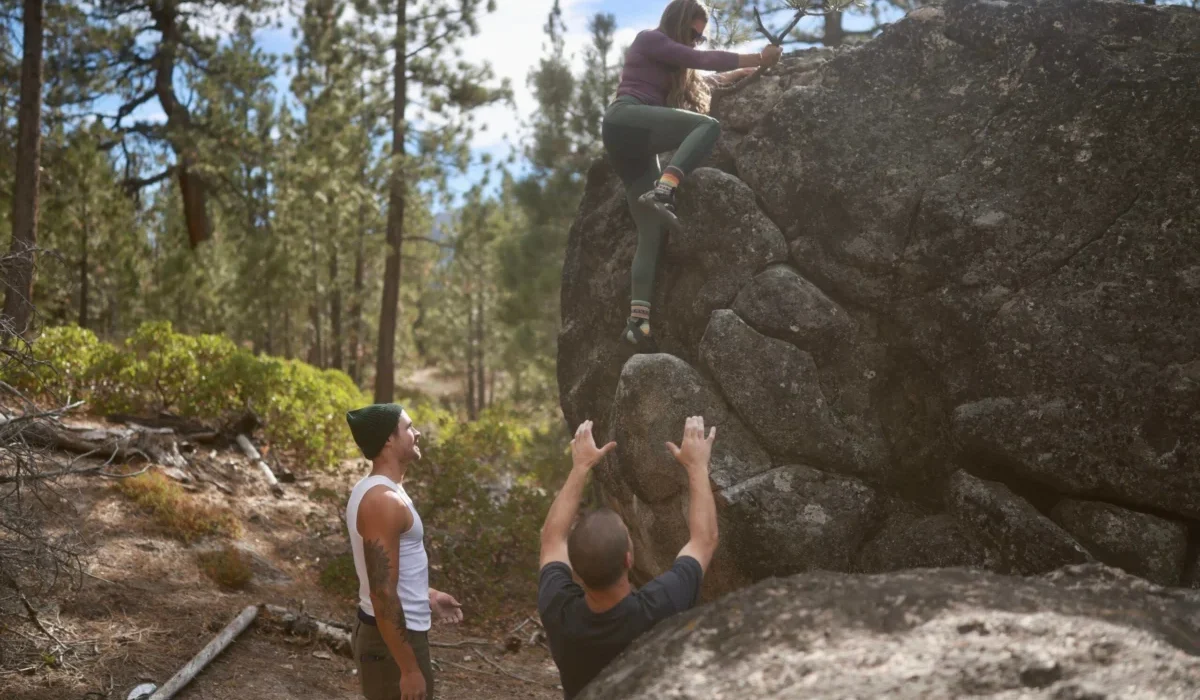
As the episode advances, the activity level escalates with the introduction of specialized instruction. Efron recruits Anthony Walsh, Climbing Editor for Outside, to introduce Fishel to the fundamentals of bouldering. Bouldering, a form of rock climbing performed on small rock formations or artificial rock walls without the use of ropes or harnesses, is frequently viewed as an intimidating discipline reserved for seasoned athletes. However, under Walsh’s guidance, the activity is broken down into manageable physical and cognitive components, focusing on balance, foot placement, and problem-solving rather than brute strength.
Following the bouldering session, the participants transition to slacklining—a practice that centers on balance and core stabilization—before culminating in a highlining experience. Throughout this progression, the series underscores a vital educational principle: the significance of community and expert mentorship in mitigating the anxiety associated with trying novel sports.
Supporting Data and Industry Context
The launch of Sierra in the Sierras arrives at a time of significant evolution within the outdoor recreation industry. According to reports from the Outdoor Industry Association (OIA), participation in outdoor activities has seen steady demographic shifts, with an increasing percentage of new participants originating from urban and traditionally non-outdoor-centric backgrounds.
Market research indicates that the primary deterrents for prospective outdoor enthusiasts are a perceived lack of required skills, intimidation by elite-level marketing campaigns, and the high cost of specialized gear. By focusing on multi-use apparel and budget-friendly equipment options—such as those curated by the outdoor retailer Sierra—the series directly addresses these economic and psychological barriers.
Furthermore, digital navigation tools have revolutionized how individuals interact with local environments. The production heavily references modern wayfinding applications like Trailforks and Gaia GPS, which have democratized route planning. Data from geographic information systems (GIS) mapping firms show a dramatic surge in civilian usage of trail-planning apps over the past decade, enabling everyday citizens to identify localized green spaces, urban parks, and regional trail networks that exist just beyond their front doors.
Statements and Expert Analysis from Industry Insiders
While traditional media outlets have historically focused on record-setting ascents and extreme expeditions, industry analysts note a broader cultural shift toward wellness, sustainability, and micro-adventures.

"The modern consumer is increasingly fatigued by the ‘go harder, faster, stronger’ ethos that has dominated athletic marketing for decades," notes a retail strategy consultant specializing in outdoor markets. "Initiatives that champion accessibility and personal comfort resonate deeply with audiences who view the outdoors as a sanctuary for mental health and community connection rather than a competitive arena."
Representatives from the production and retail sponsors echo this sentiment, emphasizing that the overarching philosophy of the campaign centers on autonomy. "The world tells you how you should perform, but true outdoor recreation belongs to everyone," notes promotional material associated with the series. Whether an individual’s goal is summiting a high alpine peak or taking a leisurely afternoon walk through a neighborhood park, the fundamental requirement is simply the willingness to step outside.
Broader Impact and Implications
The long-term implications of content like Sierra in the Sierras extend beyond entertainment, potentially influencing public health, local tourism, and environmental stewardship.
From a public health perspective, encouraging low-impact physical activities—such as hiking, bouldering, and walking—contributes significantly to cardiovascular health, stress reduction, and overall psychological well-being. By framing these activities as approachable for individuals with minimal athletic conditioning, the program helps combat sedentary lifestyle trends.
Economically, the series supports regional tourism economies by showcasing lesser-known trails and recreation sites alongside iconic destinations like Lake Tahoe. By promoting responsible recreation and the use of digital trail-management tools, the program also fosters environmental awareness. When novices are equipped with proper gear, practical knowledge, and digital maps, they are statistically more likely to adhere to "Leave No Trace" principles, thereby protecting fragile ecosystems from overuse and degradation.
Ultimately, Sierra in the Sierras establishes a new benchmark for outdoor media. By blending celebrity-driven storytelling with practical education, expert instruction, and accessible consumer solutions, the series successfully broadens the definition of who belongs in the wilderness. As Dylan Efron and Danielle Fishel demonstrate, the great outdoors is not an exclusive club reserved for elite mountaineers, but an open-door playground waiting to be explored on one’s own terms.