









The outdoor retail market continues to feature compact, solid-fuel backpacking stoves, appealing to budget-conscious hikers and minimalists seeking ultra-lightweight gear. However, a critical evaluation of fuel efficiency, regulatory constraints, and distinct sensory drawbacks reveals significant limitations that modern outdoor enthusiasts should consider before adopting the technology.
Priced as low as $12 and weighing mere ounces, these burners have persisted in the marketplace for nearly a century. Despite their enduring availability, industry analysts, mountain rescue personnel, and experienced backpackers increasingly advise against relying on solid-fuel tablets, such as hexamine, for extended wilderness trips or emergency survival scenarios.
Historical Origins and Military Evolution
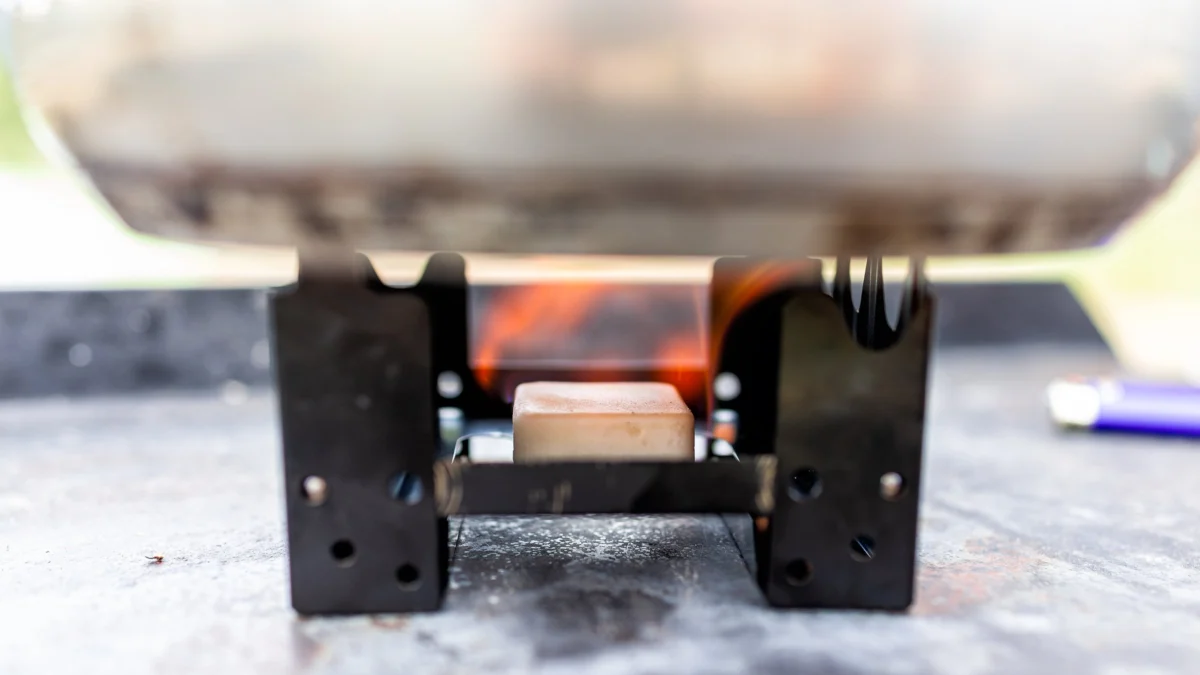
The lineage of solid-fuel stoves traces back to 1936, when the German company Esbit introduced compressed hexamine fuel tablets alongside proprietary, foldable metal burners. The innovation offered a flameless, easily transportable heating solution that revolutionized field rations.
During World War II, the technology saw widespread adoption, becoming standard-issue equipment for the German Wehrmacht. Allied forces soon developed equivalent solid-fuel systems to meet similar logistical demands for troops operating in the field where traditional liquid fuels presented high risks or supply challenges.
In the postwar era, the technology transitioned into the civilian mountaineering and scouting sectors. While solid-fuel burners maintained a dedicated following across parts of Europe—where traditional stove designs historically evolved alongside different fuel availability—their adoption in North America remained comparatively niche. Modern US backpackers typically favor pressurized gas canister systems or liquid-fuel alternatives, largely driven by shifts in equipment manufacturing and regulatory landscapes governing public lands.
Regulatory Challenges and Fire Management
A primary constraint facing solid-fuel stoves in contemporary backcountry travel involves land management policies. Federal, state, and local agencies frequently implement seasonal or permanent fire restrictions in wilderness areas prone to high wildfire risk.
Under standard regulations enforced by agencies such as the U.S. Forest Service and the Bureau of Land Management, portable stoves are permitted only if they feature a functional shut-off valve. Because solid-fuel tablets lack an instantaneous on-off mechanism and burn continuously until depleted, many land managers categorize them alongside open campfires. Consequently, using hexamine burners during high-fire-danger periods can result in regulatory violations and substantial fines, limiting their utility in regions with frequent burn bans.
Operational Inefficiencies in Extreme Conditions
Beyond regulatory hurdles, comparative performance data demonstrates that solid-fuel stoves lag behind modern alternatives in energy density, boil times, and cold-weather reliability.
Thermal dynamics testing indicates that generating a rolling boil for one liter of water requires nearly two standard hexamine tablets, translating to approximately one ounce of solid fuel. By comparison, advanced pressure-regulated canister stoves utilizing a propane-isobutane blend achieve the same benchmark with roughly 0.3 ounces of fuel. Although canister systems require carrying the weight of a metal storage container, the superior efficiency of pressurized gas means that for trips lasting longer than 48 hours, solid-fuel setups quickly lose their initial weight advantage.
Furthermore, solid-fuel tablets present operational challenges in sub-freezing environments. Ignition can be difficult for users with cold, numb fingers, and the combustion process is notoriously slow when attempting to melt snow for hydration. In emergency mountaineering contexts, where rapid heat generation is paramount for survival, these performance bottlenecks introduce unnecessary risk.
The Sensory Drawback: Chemical Composition and Odor
A frequently documented issue associated with hexamine fuel is its distinct and persistent chemical odor. Unlike white gas, which produces a standard petroleum scent, or odorless clean-burning propane mixes, hexamine releases volatile organic compounds that emit a powerful marine-like stench during storage and combustion.
Backcountry travelers frequently describe the odor as resembling decaying seafood or organic rot. Because the chemical permeates porous materials quickly, loose tablets stored inside backpacks or apparel—such as wool beanies or gloves—can permanently contaminate equipment, requiring extensive cleaning and prolonged airing to neutralize the smell.
Economic Alternatives and Industry Outlook
For backpackers prioritizing minimal weight and low cost without the drawbacks of solid-fuel tablets, the market offers several competitive alternatives. Ultralight titanium canister stoves, weighing approximately an ounce and retailing for minimal investment, provide rapid boil times and precise flame control. Similarly, lightweight denatured alcohol burners offer cost-effective operation, broader fuel availability, and a cleaner sensory profile.
While niche enthusiasts and historical traditionalists continue to utilize solid-fuel stoves for nostalgia or lightweight novelty, the consensus among wilderness safety experts points toward more reliable, efficient technology. For the modern hiker evaluating gear options, the marginal savings in initial purchase price rarely offset the operational compromises and sensory challenges inherent to century-old solid-fuel designs.