







The modern outdoor recreation landscape is increasingly defined by a paradox: while technology allows individuals to navigate remote wilderness with unprecedented precision, it also threatens the fundamental sense of solitude that draws many to nature. In an effort to reconcile the desire for digital disconnection with the human urge to document scenic vistas, a growing segment of hikers, backpackers, and campers is experimenting with ultra-lightweight, minimalist gear alternatives. Among the latest innovations capturing the attention of the outdoor community is the Life Camera S168, a thumb-sized digital camera weighing a mere 21 grams and retailing for approximately $30. Positioned as a direct competitor to products like the Kodak Charmera, this miniature gadget aims to solve a very specific dilemma: how to capture trail memories without carrying a distracting, multi-thousand-dollar smartphone into the backcountry.
Main Facts and the Rise of Minimalist Outdoor Tech
The Life Camera S168 belongs to a burgeoning market of retro-styled, ultra-compact digital devices designed to mimic the aesthetic of early-generation digital cameras and disposable film cameras popular in the late 1990s and early 2000s. Weighing just 21 grams and boasting a price tag that makes it accessible to virtually any consumer, the device has sparked a broader conversation within the outdoor community regarding the necessity of high-resolution smartphone photography in natural settings.
For hikers who have intentionally downgraded to basic mobile devices—commonly referred to as flip phones or feature phones—documenting a trek has traditionally presented a frustrating compromise. While feature phones successfully eliminate the distractions of continuous internet access, social media feeds, and email notifications, their built-in cameras typically produce low-quality, grainy, and overexposed images. Consequently, many outdoor enthusiasts have found themselves reluctantly packing their modern smartphones exclusively for photography, thereby undermining their initial objective of digital detox.
The Life Camera S168 offers an alternative. Operating as a standalone keychain-sized unit, it provides a dedicated mechanism for capturing photographs and short video clips without connecting to a cellular network or running data-heavy applications. Its technical specifications are modest by contemporary standards, but online reviews and early field tests indicate that its optical output surpasses that of standard feature phone cameras, offering a distinct nostalgia-driven aesthetic that appeals to outdoor chroniclers seeking a vintage look.
Chronology of the Digital Detox Trend in the Outdoors
The integration of minimalist technology into outdoor recreation did not happen overnight. It represents the culmination of a multi-year cultural shift toward intentional disconnection and wellness-oriented outdoor travel.
The movement gained significant momentum following the pandemic-era surge in outdoor recreation, during which national parks and wilderness trails experienced record visitor numbers. Concurrently, public discourse surrounding the psychological impacts of constant hyper-connectivity—often described as screen fatigue or doomscrolling—intensified. Psychologists and wellness experts increasingly advocated for periods of complete digital abstinence to reduce anxiety and improve cognitive focus.
In response, a subset of outdoor enthusiasts, particularly younger demographics heavily influenced by minimalist trends, began adopting "dumb phones" for everyday use and weekend excursions. By 2024, outdoor forums and gear review sites saw a noticeable uptick in discussions regarding how to manage essential functions—such as emergency communication, navigation, and photography—without relying on smartphones.
By late 2025 and into 2026, manufacturers recognized this niche demand, leading to the introduction and commercial proliferation of ultra-compact, retro digital cameras like the Life Camera S168 and the Kodak Charmera. These devices were specifically marketed not as professional imaging tools, but as lightweight, frictionless alternatives for consumers who prioritize mental well-being and weight savings on the trail.
Supporting Data and Consumer Demographics
To understand the market viability of products like the Life Camera S168, it is necessary to examine current consumer behavior trends concerning smartphone usage and outdoor gear weight management.
According to various outdoor recreation surveys, more than 70 percent of day hikers and backpackers currently rely on their smartphones as their primary multi-tool, serving as cameras, GPS units, emergency communication devices, and field guides. However, a counter-movement has steadily grown. Market research indicates a modest but persistent double-digit annual increase in the sales of non-smartphone mobile devices—commonly known as feature phones—particularly among Gen Z consumers and professionals seeking work-life balance.
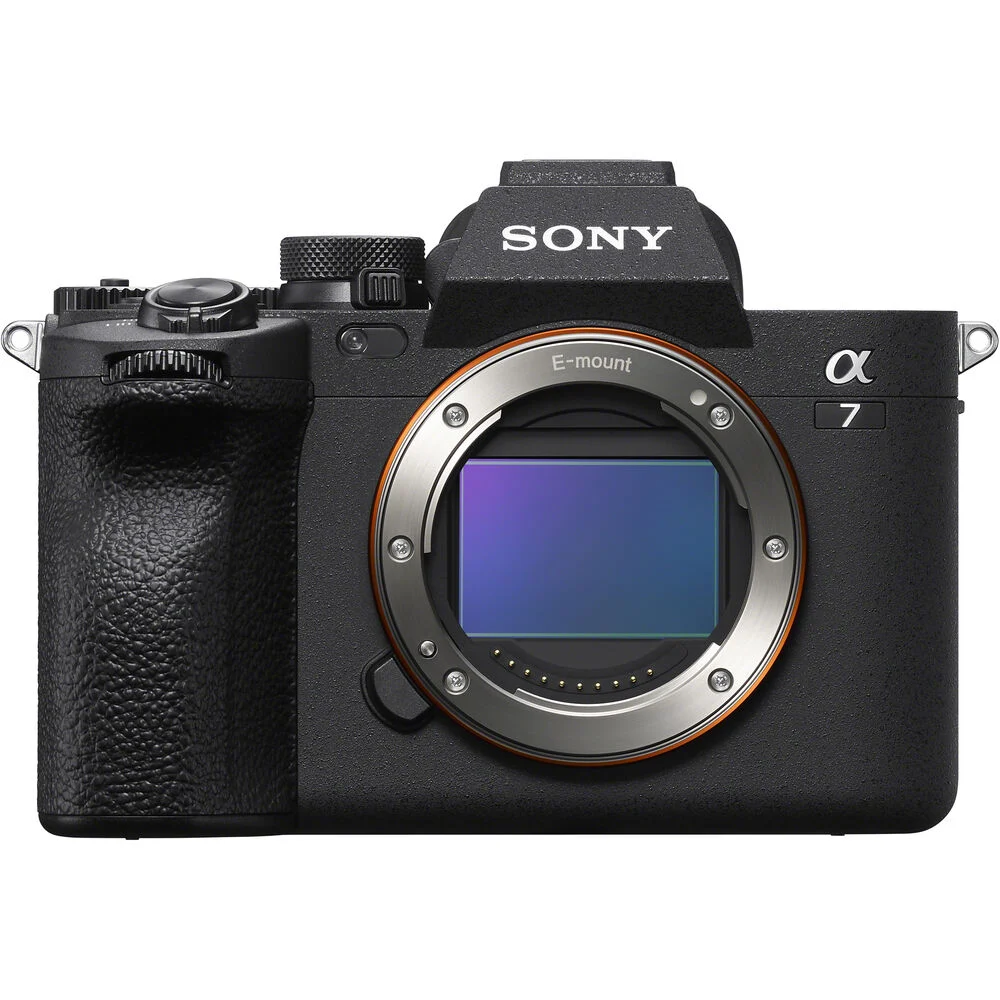
In the realm of backpacking, where every gram counts toward pack weight and physical comfort, weight reduction is a primary concern. Traditional digital single-lens reflex (DSLR) cameras and mirrorless systems, while offering superior image quality, often weigh between 500 grams and 1.5 kilograms when paired with versatile lenses. Even modern flagships like the latest iPhone or Samsung Galaxy weigh approximately 200 to 230 grams and present durability concerns in rugged environments.
At 21 grams, the Life Camera S168 introduces a negligible weight penalty to a backpacker’s base weight. This extreme weight efficiency, combined with its sub-$35 price point, positions it as a low-risk experimental purchase for hikers who wish to evaluate whether a dedicated ultra-light camera fits their personal workflow on extended treks.
Expert Perspectives and Industry Implications
Industry analysts and outdoor gear reviewers have offered nuanced evaluations of the Life Camera S168, categorizing its utility based strictly on user habits and psychological preferences regarding technology.
For the average recreational hiker who routinely carries a high-end smartphone for safety, navigation, and photography, gear experts generally view the S168 as an unnecessary novelty. Modern smartphones possess computational photography capabilities, high-resolution sensors, and stabilization features that far exceed anything a 21-gram budget gadget can produce. In this context, carrying a separate micro-camera is redundant and offers no technical advantage.
However, for the specific demographic of outdoor enthusiasts who deliberately leave their smartphones at home or packed away in a deep compartment to preserve their peace of mind, the device fills a legitimate functional gap. Reviewers note that while the image resolution is not competitive with modern smartphones, it is entirely adequate for capturing personal journal entries, social media sharing with a retro filter effect, and preserving the general atmosphere of a wilderness excursion.
Furthermore, safety advocates emphasize that while minimalist gadgets like flip phones and keychain cameras are useful for reducing digital distractions, they should not replace essential safety redundancies in remote environments. Experienced backpackers continue to stress the importance of carrying physical paper topographic maps, magnetic compasses, and reliable emergency communication tools—such as satellite messengers—regardless of whether a smartphone or a basic feature phone accompanies them on the trail.
Broader Impact on the Outdoor Electronics Market
The emergence of ultra-cheap, ultra-lightweight novelty cameras highlights a broader trend within the consumer electronics and outdoor gear industries: the pendulum swinging away from hyper-complex, all-in-one devices toward specialized, single-purpose minimalism.
As consumers become increasingly fatigued by the omnipresence of screens and notifications, manufacturers are finding commercial success by catering to the psychological desire for simplicity. The success of products like the Life Camera S168 suggests that future outdoor gear development may increasingly focus on bridging the gap between low-impact technology and meaningful human experiences in nature. Whether this category of micro-cameras remains a passing fad or evolves into a permanent fixture of lightweight backpacking kits will depend largely on shifting cultural attitudes toward connectivity and the ongoing evolution of minimalist consumer tech.