










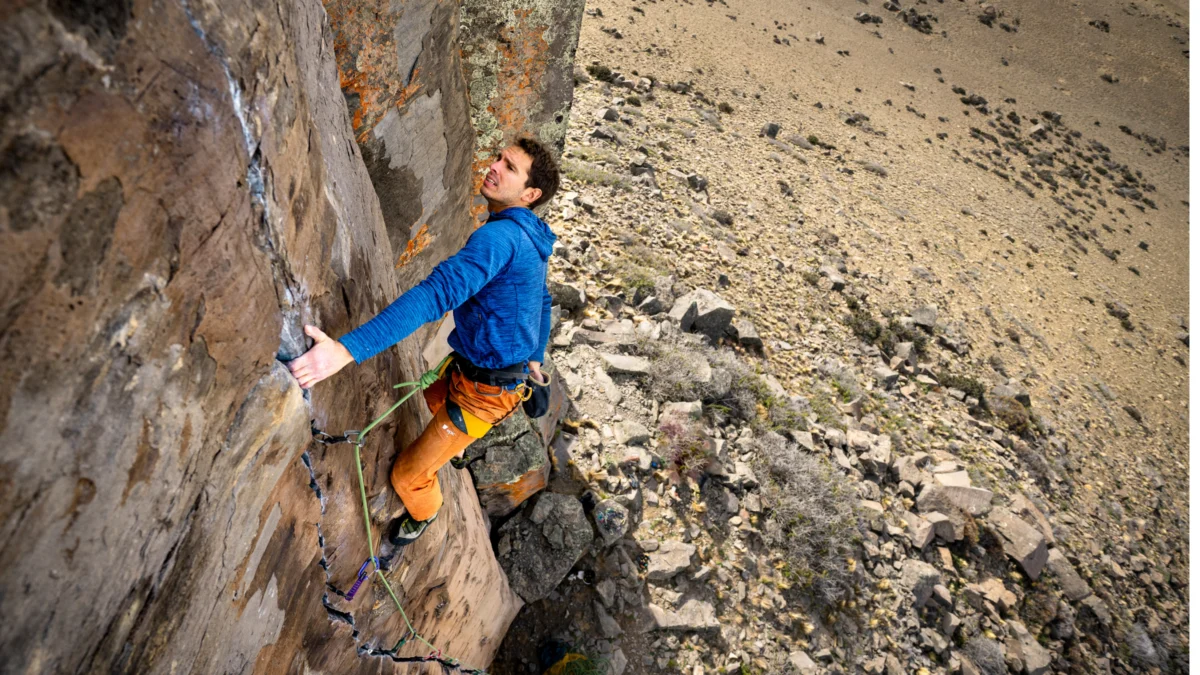
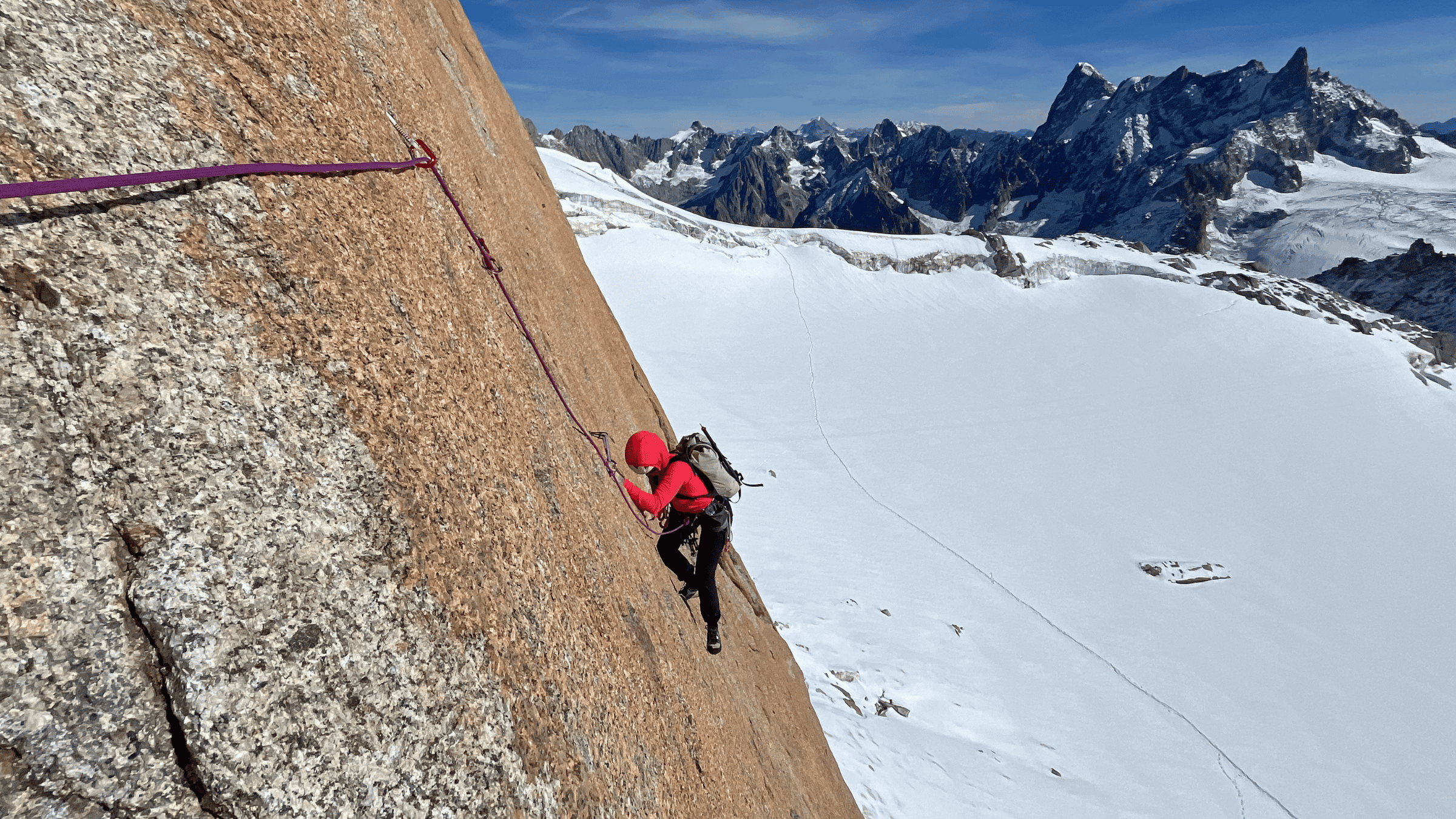
The climbing industry has reached a technical inflection point in 2026, characterized by a shift toward extreme specialization and material innovation. As the summer season concludes, the gear-testing team at Climbing has completed a rigorous, months-long evaluation of the year’s most significant equipment releases. This comprehensive testing cycle, conducted across diverse terrains—from the golden granite of Chamonix’s Aiguille du Midi to the overhung limestone of the Red River Gorge—involved a sample size of 122 individual products across six critical categories: footwear, harnesses, backpacks, ropes, and protective headgear.
Chronology of the 2026 Testing Cycle
The testing process began in early May 2026, aligning with the transition from spring alpine conditions to early summer cragging. Over the course of 22 weeks, the team logged thousands of cumulative hours on the wall, deliberately pushing equipment to the point of failure.
- May–June: Focus shifted to approach shoes and backpacks, utilizing the variable, wet conditions of the Pacific Northwest and the Canadian Rockies to stress-test waterproofing and suspension systems.
- July–August: The peak of the testing phase centered on high-altitude technical performance. Testing teams moved to the French Alps and the High Sierra to evaluate harness comfort under heavy rack loads and the durability of climbing ropes in high-UV, high-abrasion environments.
- September–October: Final data collection focused on climbing shoes, specifically testing friction and sensitivity on lower-elevation granite and limestone, where cooler temperatures allow for higher-performance rubber adhesion.
The Rise of Hyper-Specialized Footwear
The 2026 market for climbing shoes demonstrates a distinct divergence from the "one-size-fits-all" approach that dominated the previous decade. Data collected by the test team indicates that manufacturers are increasingly prioritizing niche performance over versatility.
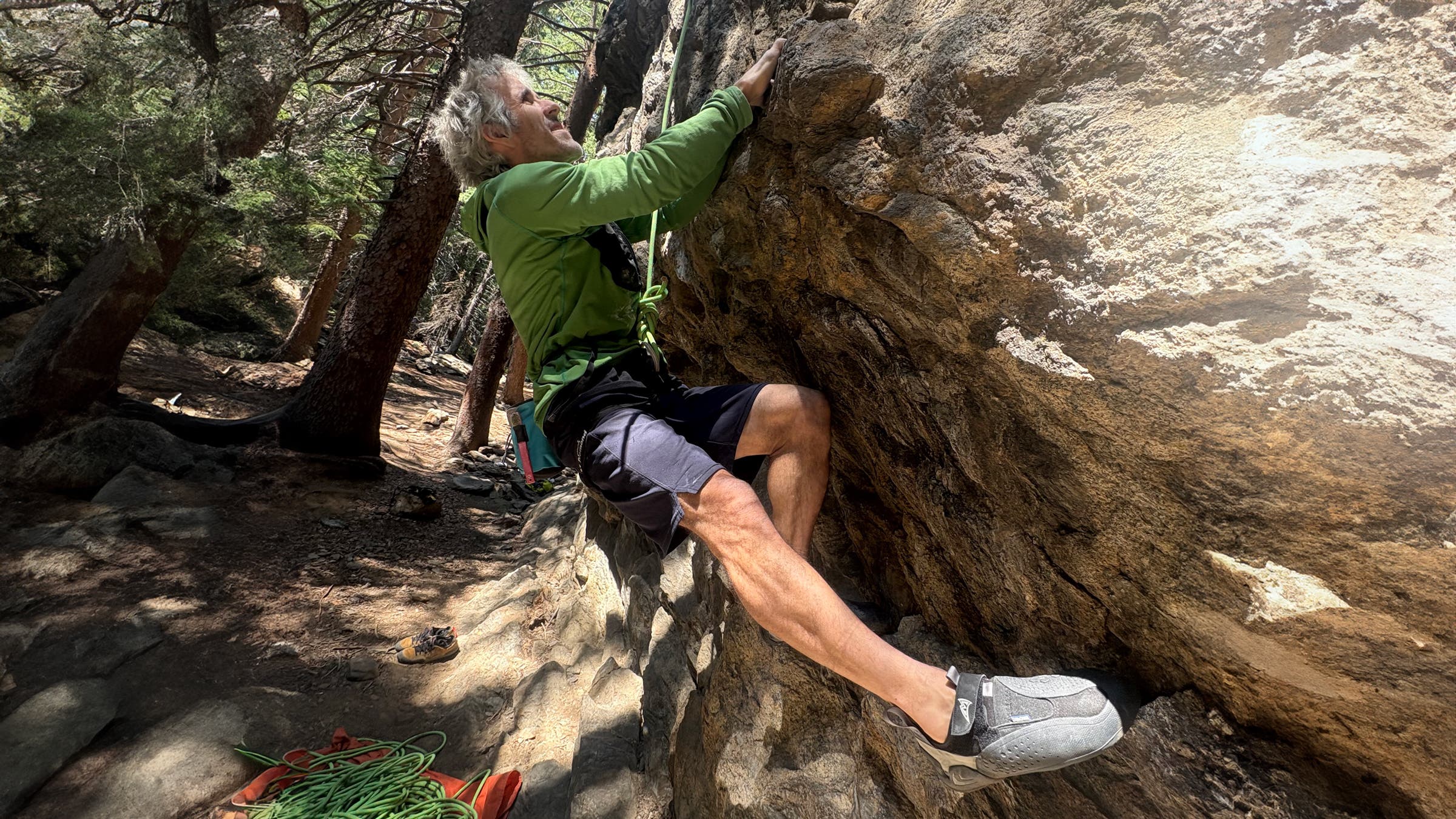
Of the 27 models tested, the most notable innovation was the integration of carbon-fiber inserts in high-stiffness sport-climbing shoes. These inserts, designed to retain their shape after thousands of micro-edge placements, represent a significant advancement in longevity for vertical performance shoes. Conversely, the market for crack-climbing footwear has leaned into extreme flexibility, with several manufacturers opting for high-friction, unlined suede designs that prioritize sensitivity over traditional toe-box stiffness.
Industry analysts suggest this trend toward a "shoe quiver" is a direct response to the increasing difficulty of modern route setting. As climbers specialize in disciplines like bouldering, thin-crack climbing, or steep sport climbing, the demand for equipment that provides marginal gains in specific areas has surpassed the demand for generalist footwear.
Technical Assessment of Harnesses and Hardware
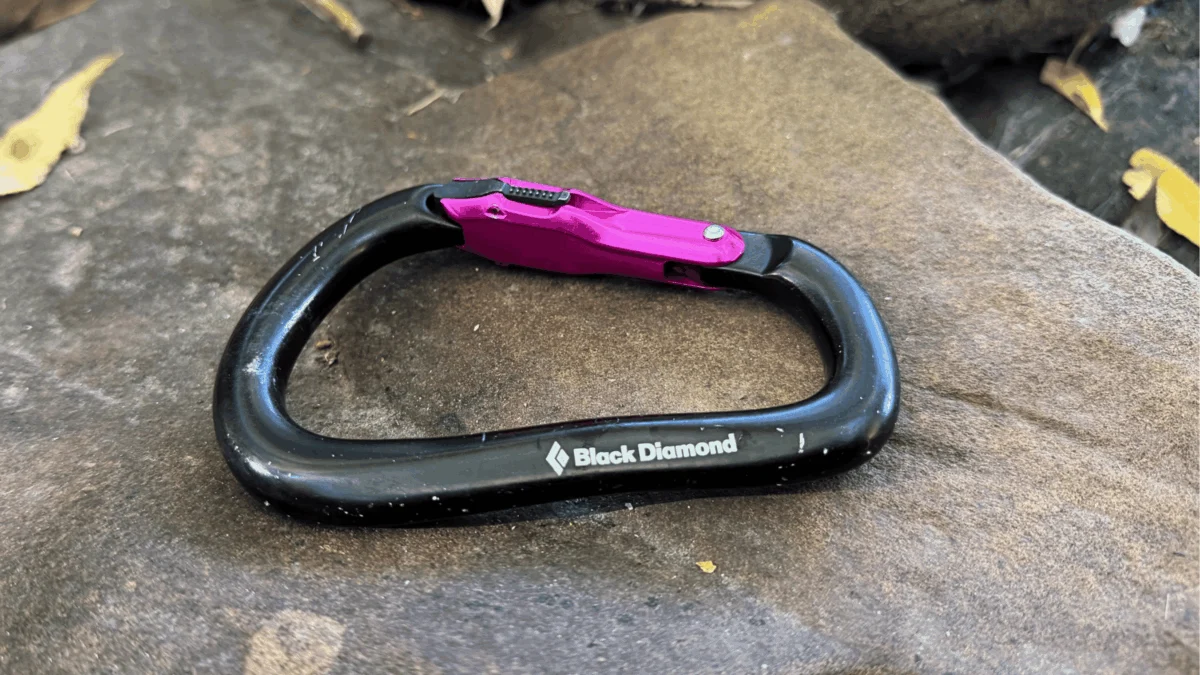
The evaluation of 28 harnesses this season revealed that safety standards remain high, but user experience—specifically regarding ergonomics—has seen measurable improvement. The test team categorized findings into three primary archetypes: the alpine "minimalist" harness, the all-arounder, and the big-wall workhorse.
The primary implication for consumers in 2026 is the democratization of comfort. Features that were previously reserved for premium big-wall harnesses, such as load-distributing waist-belt laminates and optimized gear-loop geometry, are now appearing in entry-level, cost-effective models. During field tests in the Red River Gorge, researchers measured the pressure distribution of various harnesses under weighted hangs, finding that modern laminate construction significantly reduces hip-flexor strain during extended periods of belaying or working a project.
Approach Shoes and Logistics
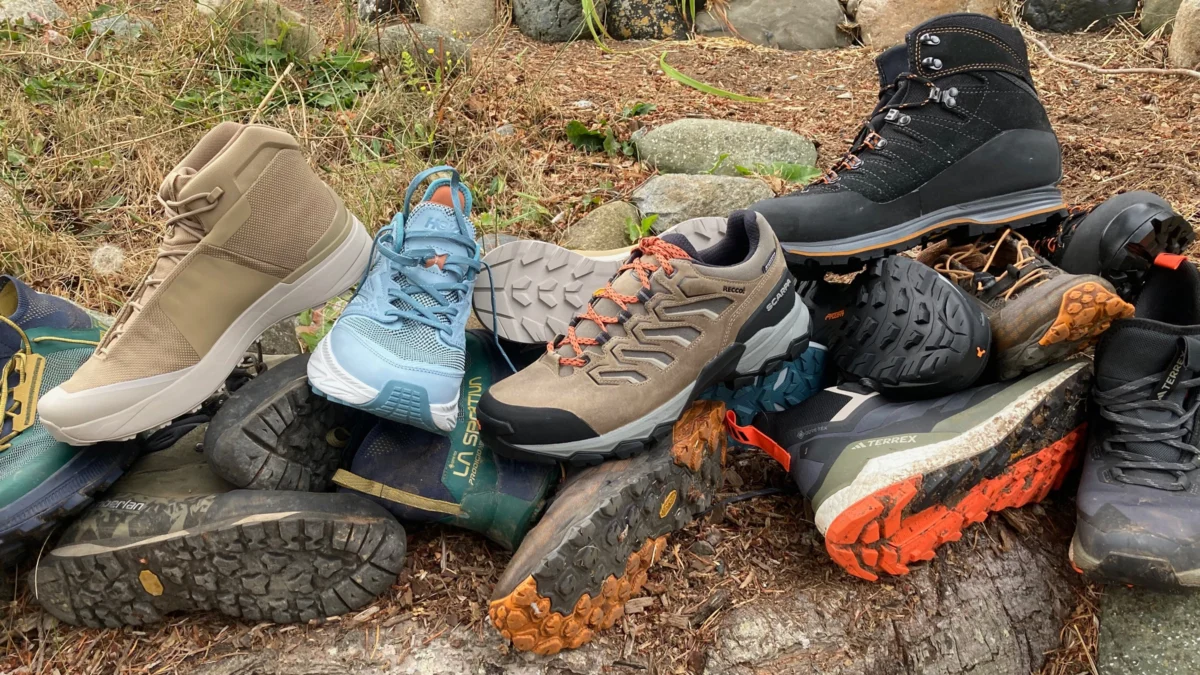
The approach shoe category has evolved into a hybrid between technical mountaineering boots and performance athletic wear. With 30 pairs tested, the focus was on the transition from the trailhead to the base of the wall. Modern approach shoes in 2026 utilize dual-density EVA midsoles that offer high-impact cushioning for long hikes while maintaining a "climbing zone" at the toe for technical scrambles. This category is arguably the most affected by advancements in sustainable material science, with several major manufacturers successfully integrating recycled polyester and bio-based rubbers into high-wear zones without compromising performance.
Durability and Safety Standards in Ropes and Helmets
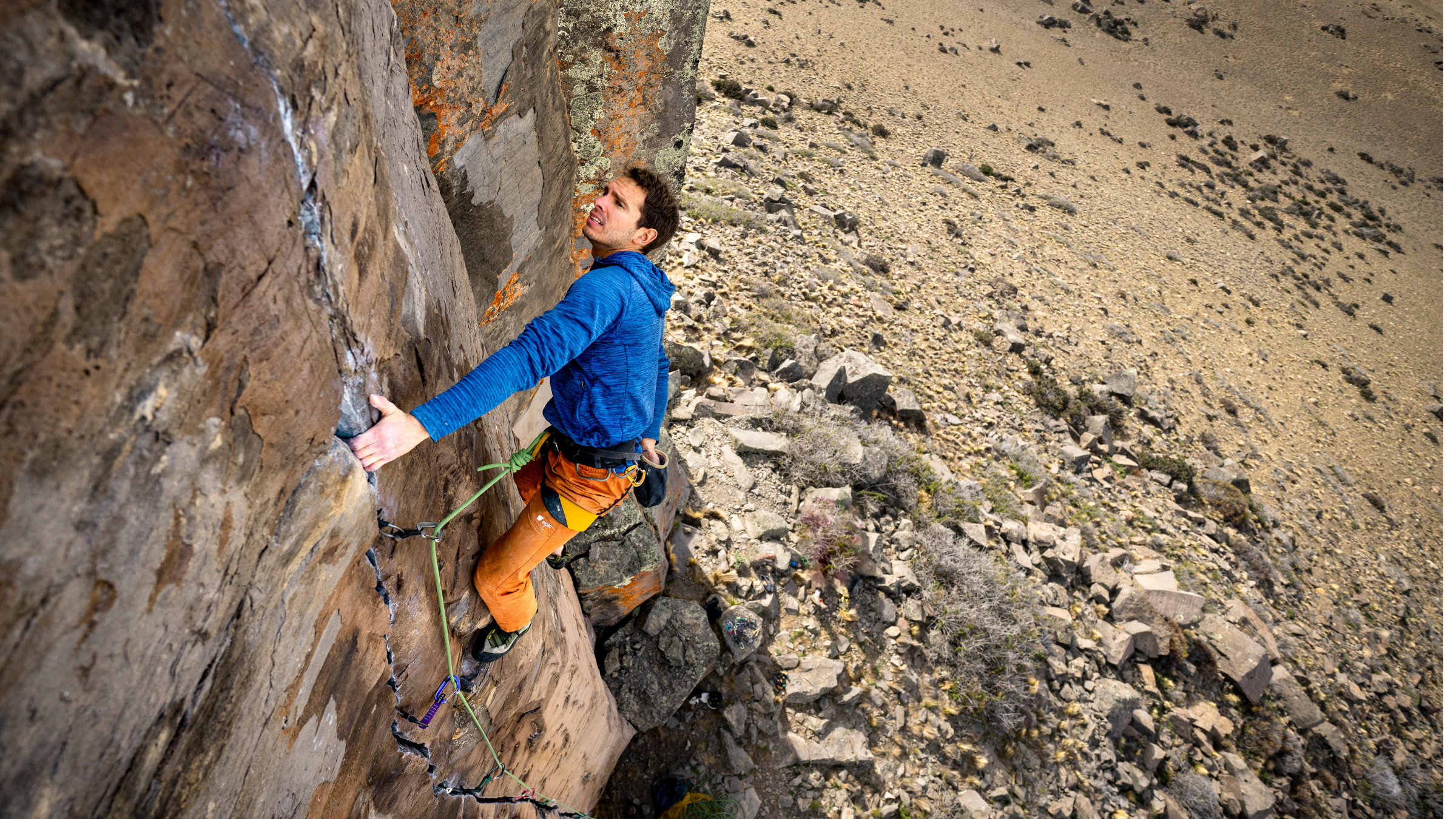
Testing 9 ropes provided a stark reminder of the "wear-and-tear" reality of the sport. While all ropes met the UIAA safety standards for impact force and sheath slippage upon initial inspection, the true performance indicators emerged after 50+ days of use. The data confirmed that modern dry-treatment processes have reached a level of maturity where environmental degradation—caused by moisture, ice, and dirt—is significantly slower than it was even five years ago.
Helmets, however, remain the most critical piece of safety equipment. The 2026 test cycle emphasized the correlation between user compliance and design comfort. According to the team’s findings, the most effective helmets are those that integrate MIPS (Multi-directional Impact Protection System) or similar rotational-force reduction technology without adding significant bulk. The industry consensus, reflected in the testing methodology, is that if a helmet is not comfortable for an eight-hour day, the user is less likely to wear it, thereby increasing the risk of head injury.
Industry Implications and Future Outlook
The data collected during the 2026 season points to a broader trend of technological maturation within the climbing industry. As the sport continues to see an influx of new participants, manufacturers are responding with products that are not only more specific but also more intuitive to use.
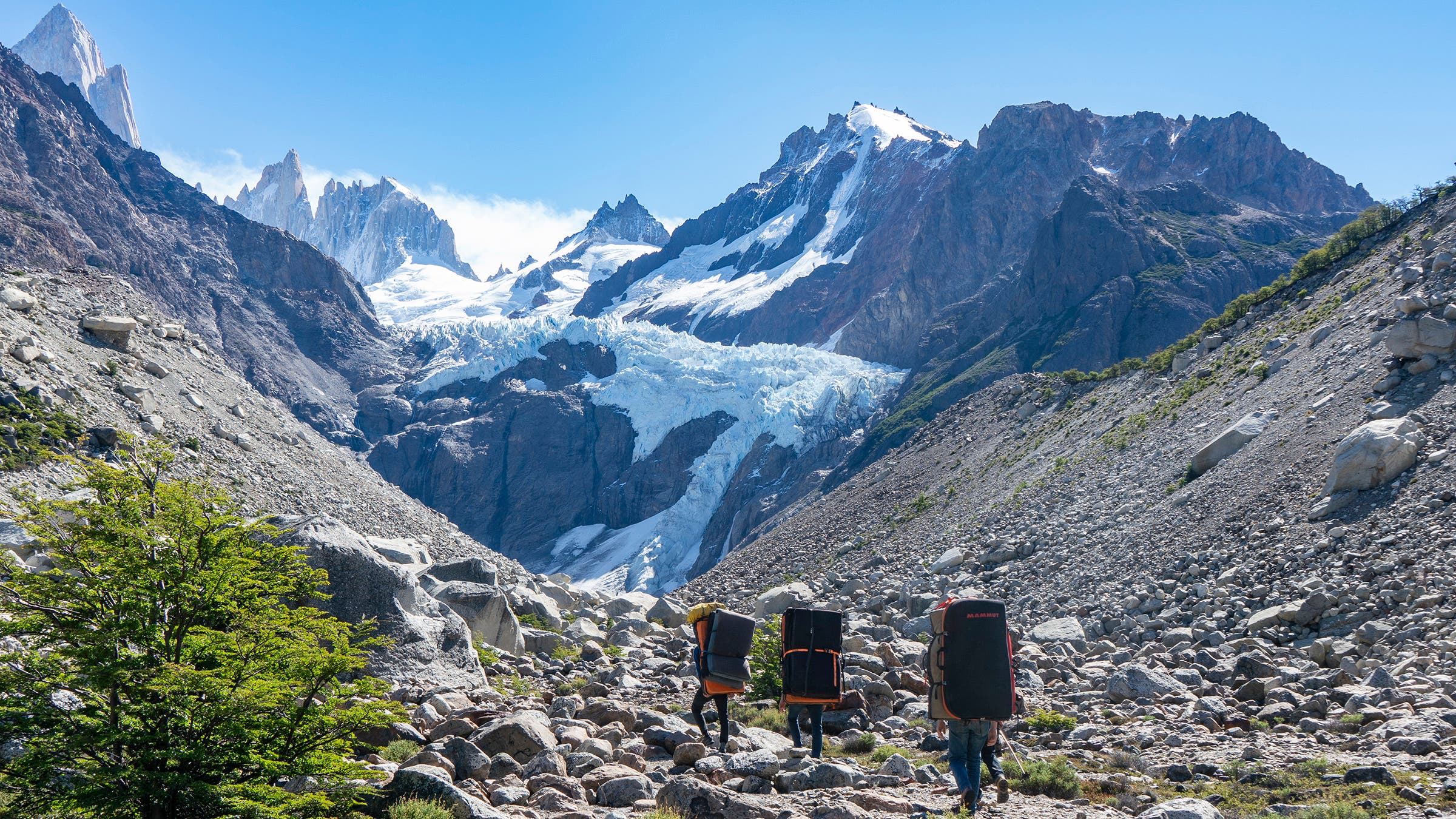
From a manufacturing standpoint, the "exploding packs" and "sore feet" noted during the early testing phases serve as a reminder that the industry is still grappling with the trade-off between weight and durability. While high-modulus polyethylene fibers (such as Dyneema) have allowed for lighter backpacks, they have also forced designers to rethink how weight is distributed on the body to avoid premature material failure under heavy, sharp-edged loads.
Looking ahead, the market for 2027 is expected to see a greater focus on circularity. Several manufacturers have already begun implementing "end-of-life" programs, allowing users to return worn-out ropes or shredded climbing shoes for recycling or refurbishment.
Conclusion: Navigating the 2026 Gear Landscape
The objective of the 2026 gear-testing cycle was not merely to endorse specific products, but to categorize the current state of technology for the benefit of the climbing community. Climbers entering the market today have access to a higher standard of equipment than at any previous point in the sport’s history. However, the abundance of choice necessitates a more informed approach to purchasing.
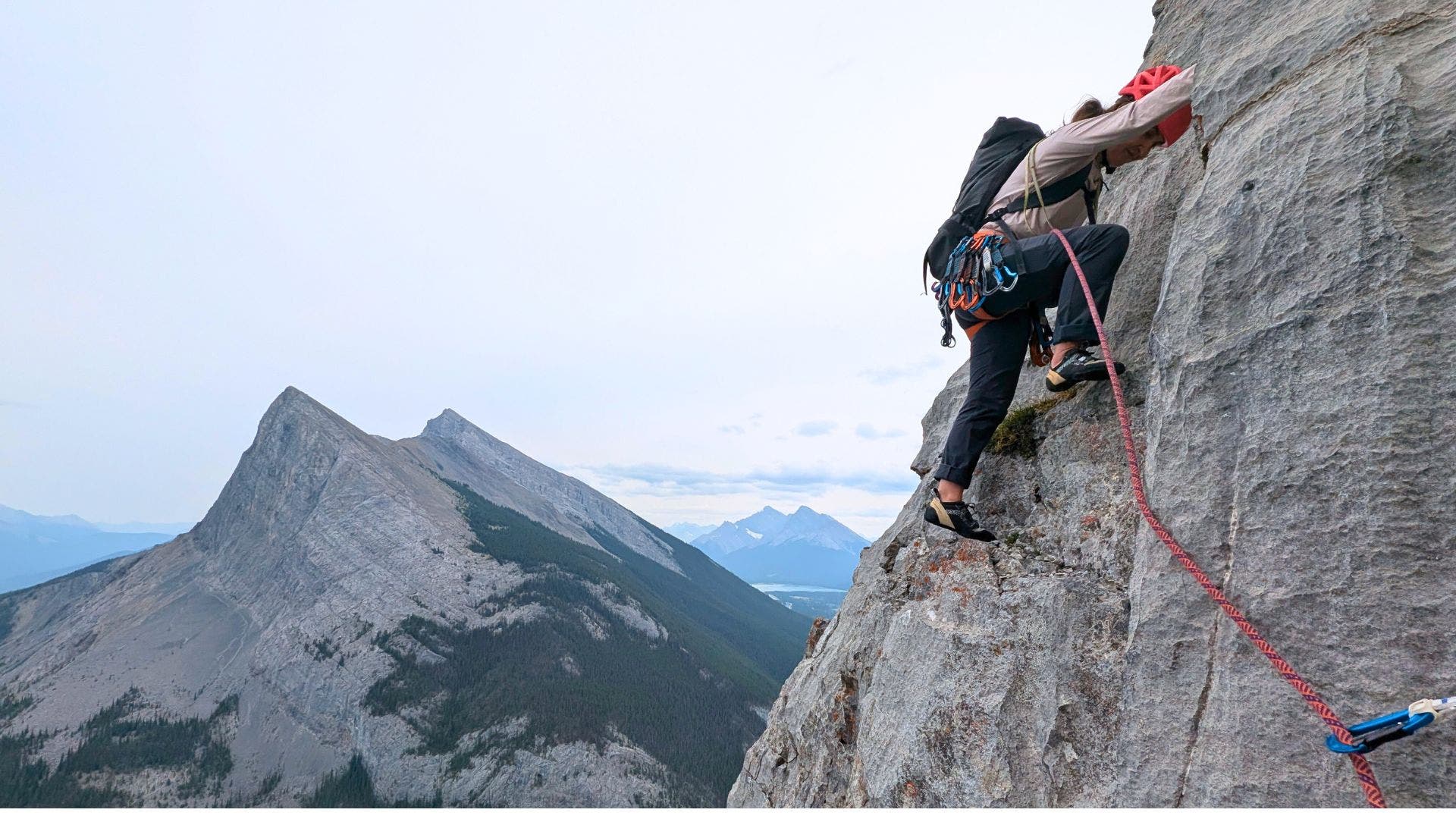
By prioritizing equipment based on the specific terrain and intensity of their goals, climbers can maximize both their performance and their safety. The 2026 season has proven that while the basic physics of climbing remain unchanged, the tools we use to navigate the vertical world continue to evolve with precision and purpose. Whether one is looking for a specialized tool for an offwidth crack or a reliable backpack for a week-long expedition, the current market offers a level of refinement that rewards the diligent, research-oriented climber.