








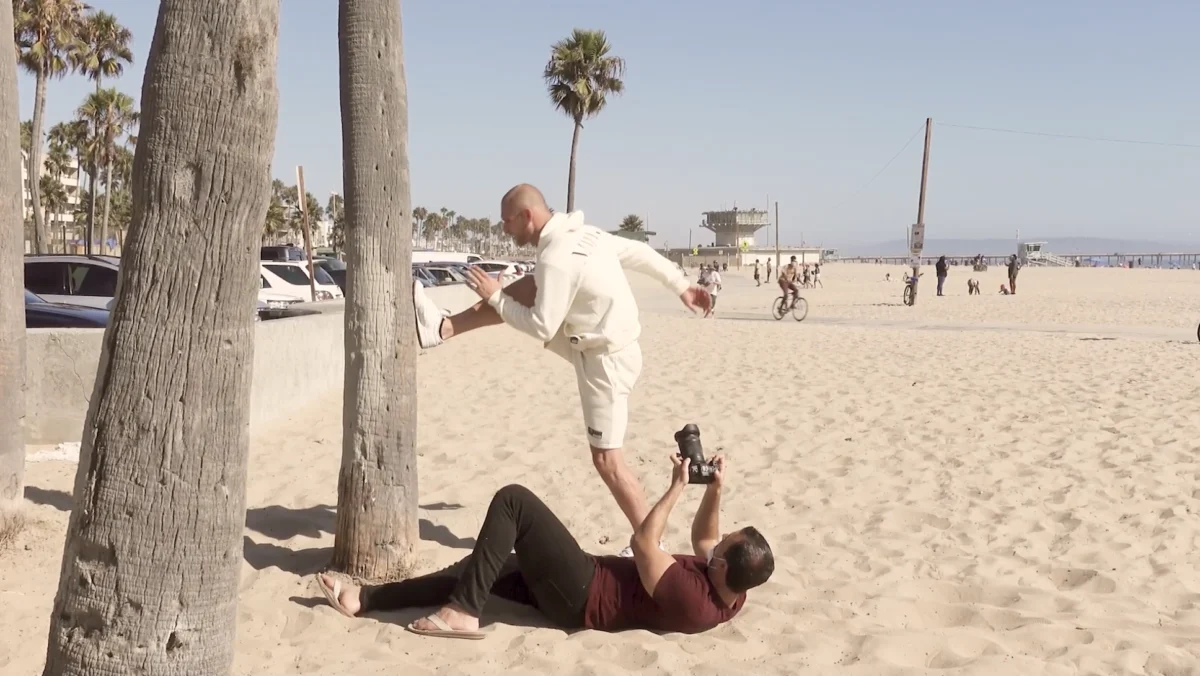
Action photography serves as the visual bridge between a fleeting moment and a permanent historical record, requiring a synthesis of technical proficiency, rapid decision-making, and artistic foresight. Whether documenting elite-level athletics in a stadium or capturing candid moments in a public park, the photographer’s primary challenge remains consistent: translating the kinetic energy of a moving subject into a coherent, high-impact image. Achieving this requires a sophisticated understanding of camera mechanics—specifically shutter speed manipulation—coupled with the ability to anticipate human motion before it reaches its zenith.

The Evolution of Kinetic Imaging and Technical Requirements
In the contemporary landscape of digital photography, the barrier to entry has lowered, yet the standard for professional imagery has risen. Modern sensors, capable of high frame rates and exceptional dynamic range, allow photographers to capture split-second events that were previously invisible to the human eye. However, equipment alone does not dictate the quality of an image. Technical data from industry standards suggests that the "success rate" of action photography is primarily determined by three variables: aperture, shutter speed, and focus tracking.
To freeze high-speed motion, photographers frequently operate at shutter speeds exceeding 1/2000th of a second. This demand for speed necessitates high-quality, "fast" glass—lenses with wide apertures, such as f/2.8 or lower. These components are critical, as they allow for sufficient light intake even when the shutter is open for only a fraction of a millisecond. In sports photography, where subjects can reach speeds of over 20 miles per hour, the margin for error in exposure is razor-thin.

Chronology of the Shot: A Methodological Approach
A structured approach to action photography transforms a chaotic scene into a curated visual narrative. Experts often advocate for a systematic workflow to ensure consistency across assignments:
- Site Assessment and Compositional Planning: Before the subject enters the frame, the photographer must identify the environment’s limitations. Distracting backgrounds—such as peripheral crowds or architectural clutter—must be mitigated by adjusting the angle of view.
- The Reference Calibration: Utilizing an assistant or a stand-in to "block out" the movement provides a critical window for testing focus lock and exposure settings. This eliminates the risk of "hunting" for focus during the actual performance.
- Exposure Dialing: Modern professional bodies, such as the Canon 40D series used in historical sports documentation or contemporary high-end mirrorless systems, allow for the use of histograms. Professionals rely on these tools to ensure highlights are not "blown out," particularly when shooting skin tones in high-contrast environments.
- The Execution Phase: Once the subject initiates movement, the use of burst mode (continuous shooting) is standard practice. This creates a chronological sequence of images, from which the photographer can select the frame that best illustrates the peak of the action.
The Geometry of Motion: Compositional Rules
The placement of a subject within the frame is governed by the "rule of movement." Conventional photographic theory dictates that a subject must be provided with "negative space" in the direction of their trajectory. When a subject is framed moving toward the edge of the photograph, the visual result is one of confinement and tension, often leading the viewer’s eye prematurely out of the frame. By leaving ample space in front of the subject, the photographer creates a sense of progression and intent.

Furthermore, perspective plays a significant role in elevating an image from a standard snapshot to a professional photograph. Moving from eye-level to a low-angle perspective can transform the perceived scale of the subject, making an athlete or performer appear more dominant or athletic against the backdrop of the sky. This technique, while physically demanding, is a cornerstone of modern editorial sports photography.
Statistical Implications of Lens Selection
Lens selection is frequently the defining factor in the success of an action shot. For expansive arenas—such as football stadiums or baseball diamonds—a telephoto zoom lens (typically in the 70-200mm range) is the industry standard. These lenses provide the compression necessary to isolate the subject from a complex background while maintaining the aperture speed required for high shutter speeds.

Conversely, for intimate, close-proximity action, ultra-wide lenses (15-35mm) are increasingly popular. These lenses allow the photographer to enter the "personal space" of the action, creating a wide-angle, immersive experience for the viewer. Data indicates that images captured with wide-angle glass often elicit a stronger psychological reaction from viewers, as the perspective mimics a first-person viewpoint.
Balancing Motion: Blur vs. Freezing
Professional photographers must decide whether to freeze a moment or imply movement through blur. The choice depends entirely on the desired narrative:

- Freezing Motion: Used to document the technical perfection of a move, such as the precise point of impact between a bat and a ball. This requires high-speed shutter settings and, by extension, high-intensity light.
- Panning and Motion Blur: By intentionally lowering the shutter speed and following the subject’s movement, the photographer captures the subject in relative clarity while blurring the background. This technique provides a visceral sense of speed that a frozen image cannot replicate.
- Rear-Curtain Sync: A sophisticated technique involving the use of a flash that fires at the end of a long exposure. This captures a sharp image of the subject, preceded by light trails that map out the path of movement, effectively combining clarity with a sense of temporal progression.
Industry Impact and Professional Standards
The demand for high-quality action imagery is higher than ever, driven by the rapid consumption of content across digital media platforms. However, this demand has exposed a gap in technical training. Many enthusiasts rely on the "walk-up" shot—an uncomposed, reactive image—which lacks the storytelling capability of a planned composition.
Industry analysts suggest that the future of action photography lies in the mastery of these traditional fundamentals, even as camera technology becomes increasingly automated. AI-driven focus tracking and predictive autofocus systems are helpful, but they cannot replace the photographer’s eye for composition, timing, and the understanding of light.

Environmental Considerations and Equipment Safety
It is important to note the operational hazards involved in action photography. Photographers operating on beaches, tracks, or sporting fields must manage their equipment against environmental factors. Fine particles, such as sand, can irreparably damage internal camera mechanisms. Professional workflows include specific protocols for gear protection and sensor maintenance, particularly when shooting in high-intensity, "messy" environments where debris is expected.
Concluding Perspectives
The transition from a casual observer to an effective action photographer is a process of disciplined preparation. By moving away from reactive shooting and toward a methodology based on foresight—focus locking, proper exposure management, and intentional composition—photographers can significantly improve the output of their work. Whether using a professional-grade camera or a mobile device, the principles remain consistent: anticipate the action, define the frame, and manage the exposure to serve the narrative of the movement. As technology continues to evolve, the ability to control these variables will remain the defining characteristic of professional-grade imagery.