The evolution of pet photography has transformed from simple candid snapshots into a sophisticated niche within the broader digital photography industry. As social media platforms continue to prioritize visual storytelling, pet owners and professional photographers alike are increasingly seeking innovative techniques to elevate their canine imagery. Whether utilizing high-end mirrorless camera systems or advanced smartphone optics, the core principles of composition, lighting, and subject engagement remain the primary drivers of high-quality results. Understanding these technical nuances allows creators to produce compelling portraits that resonate with global audiences while fostering a deeper emotional connection between the subject and the viewer.
The Rise of Pet Photography in the Digital Age
Pet photography has experienced a significant surge in popularity over the last decade, fueled by the democratization of camera technology and the rise of "petfluencer" culture. According to recent industry data, pet-related content consistently ranks among the most engaged-with categories on platforms like Instagram and TikTok. Professional photographers have noted that clients are no longer satisfied with static, posed portraits; instead, there is a growing demand for dynamic, storytelling imagery that captures the unique personality of the animal. This shift has necessitated a move away from traditional studio setups toward more experimental, location-based photography that utilizes natural environments and creative perspectives to break the monotony of conventional pet portraits.

Technical Perspectives and Compositional Innovation
One of the most effective strategies for modern pet photography involves shifting the camera angle to align with the dog’s line of sight. By moving the lens to a low-level perspective, photographers can eliminate the "human-down" bias that often makes pets appear diminished in the frame. This technique, often referred to as "POV" or point-of-view photography, provides an immersive experience for the viewer.
Industry experts suggest that utilizing sensory-based engagement tools—such as dog-friendly treats or specific sound-making devices—is essential to maintaining the subject’s focus. For instance, applying a small amount of pet-safe food to an acrylic surface placed in front of the lens can create a natural framing device, effectively drawing the viewer’s eye toward the dog’s expression. This method, while simple in execution, demonstrates the intersection of creative staging and behavioral psychology in photography.
Advanced Motion Capture: The Physics of Action Shots
Capturing high-speed movement, such as a dog shaking off water or sprinting toward the camera, requires a rigorous understanding of shutter speed and lighting. To achieve a crisp, freeze-frame image of a wet dog shaking, photographers must operate with a minimum shutter speed of 1/2000th of a second. This level of speed is necessary to mitigate motion blur and ensure that individual water droplets remain distinct against the background.

From a technical standpoint, this requires high-intensity ambient light or the use of external strobes to compensate for the fast shutter speed. Many professional photographers prefer a high-contrast background—typically dark or neutral—to emphasize the texture and trajectory of the water. This style of photography is highly regarded for its technical difficulty, often serving as a hallmark of professional capability in the pet photography sector.
The Integration of Props and Environmental Context
The inclusion of props in pet photography has evolved from simple seasonal accessories to carefully curated stylistic choices. Whether incorporating festive lighting for holiday-themed portraits or utilizing thematic elements to complement a specific narrative, the objective remains the same: to humanize the subject while maintaining safety and comfort.
Industry standards dictate that any prop used must be non-toxic and structurally sound to prevent accidental ingestion or injury. Photographers are encouraged to conduct a thorough safety audit of any environment or object before introducing it to the pet. This practice not only ensures the well-being of the animal but also aligns with the ethical standards expected of professional pet photographers. Recent surveys of pet owners indicate that "lifestyle-oriented" photography, which incorporates the home environment and personal accessories, has a higher emotional impact than studio-isolated portraits.

Comparative Analysis: Smartphones vs. Dedicated Systems
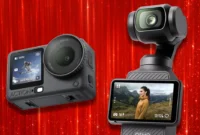
While professional-grade DSLR and mirrorless cameras offer superior control over depth of field and ISO sensitivity, the gap between these systems and modern smartphone technology is narrowing. Computational photography, which relies on artificial intelligence to adjust exposure and focus in real-time, has made high-quality pet portraits accessible to the casual user.
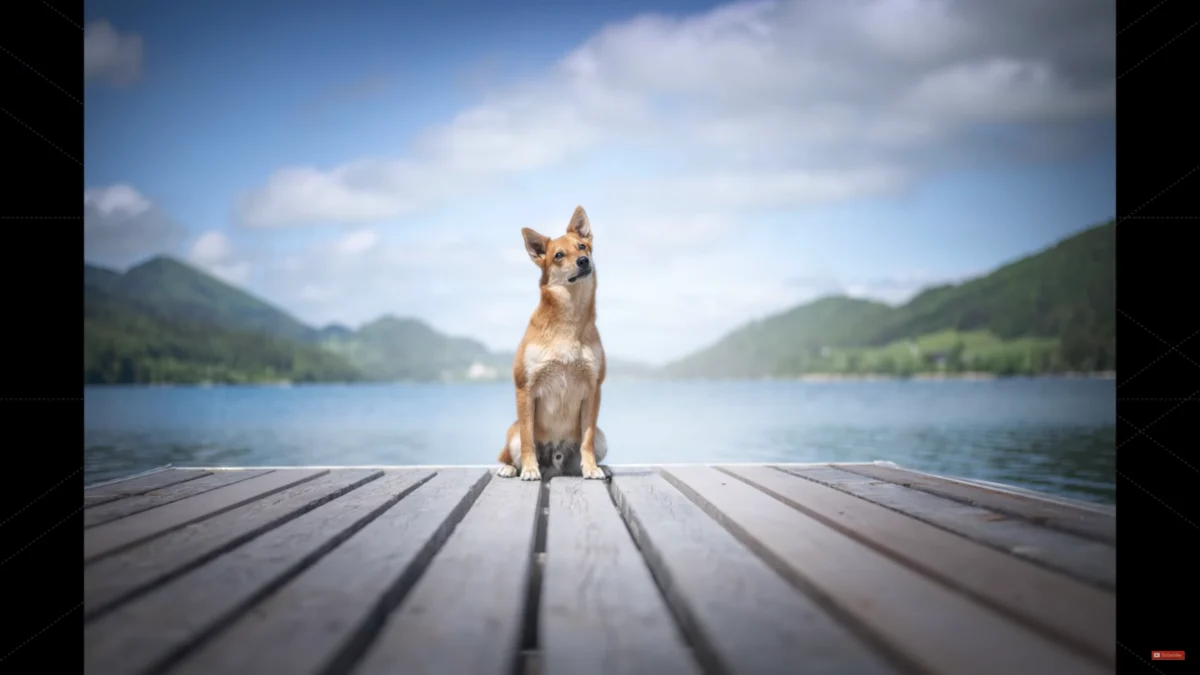
However, professional photographers emphasize that gear is secondary to the photographer’s ability to anticipate behavior. A sophisticated camera system may provide higher resolution, but it cannot compensate for a lack of timing. For action shots, the burst mode functionality of professional systems remains the industry standard, allowing for the selection of the perfect frame from a rapid sequence of events. Conversely, for portraiture, the shallow depth of field achievable with large-sensor cameras remains a significant advantage for isolating the subject from the background.
Psychological Implications of Pet Imagery
The psychological impact of high-quality pet photography is well-documented. Studies in human-animal interaction suggest that viewing images of animals triggers the release of oxytocin, a hormone associated with bonding and stress reduction. By utilizing professional photography techniques, owners are essentially enhancing this biological response.

Furthermore, the "Comedy Pet Photography" movement, which highlights the humorous and awkward moments of domestic animals, has provided a necessary cultural outlet for joy and levity. Competitions such as the Mars Petcare Comedy Pet Photo Awards have brought international attention to the genre, validating pet photography as a legitimate and respected artistic endeavor. This institutional recognition has encouraged more photographers to invest time and resources into the craft, leading to a higher caliber of work across the board.
Best Practices for Future Sessions
For those looking to refine their photography skills, the following summary of industry-standard best practices is recommended:
- Preparation and Safety: Always prioritize the animal’s comfort. Ensure that all treats and props are safe, and keep sessions short to avoid fatigue.
- Angle Variation: Experiment with extreme angles, including top-down perspectives and ground-level shots, to provide a fresh visual narrative.
- Lighting and Shutter Speed: For active pets, prioritize high shutter speeds and abundant natural light. For portraiture, consider the impact of soft, diffused light to highlight fur texture.
- Storytelling: Aim to capture the dog’s environment and relationship with their owners. These "in-context" photos often hold more long-term sentimental value than posed studio shots.
- Technical Growth: Utilize resources such as creative photography workshops to understand how to maximize the potential of existing gear, regardless of its market segment or price point.
Broader Impact and Conclusion
The democratization of high-quality pet photography has profound implications for the pet industry, particularly regarding marketing, animal adoption, and social media engagement. Clear, high-quality images have been shown to increase adoption rates for shelters, as potential owners feel a stronger connection to animals whose personalities are captured effectively. Furthermore, the skill set required for successful pet photography—patience, technical expertise, and an eye for timing—is transferable to other forms of professional portraiture.

As the industry moves forward, it is likely that we will see an increased integration of augmented reality and video-based content within the pet photography sphere. Nevertheless, the core objective remains unchanged: to honor the bond between humans and their companions through the timeless medium of the captured image. By adhering to the principles of technical precision and creative exploration, photographers can continue to push the boundaries of what is possible within this vibrant and expanding field.