The outdoor apparel industry is confronting an inconvenient truth hidden in plain sight across retail floors worldwide: the ubiquitous black fleece jacket. Walk into any well-stocked outfitter, and the fleece aisle presents a wall of garments rendered in what appears to be the exact same shade. Yet, when two swatches are placed side by side under optimal lighting, subtle, distinct variations emerge. These panels are all black, constructed from identical Polartec fleece, and manufactured during the same seasonal cycle by leading outdoor brands. However, they are not the same color.
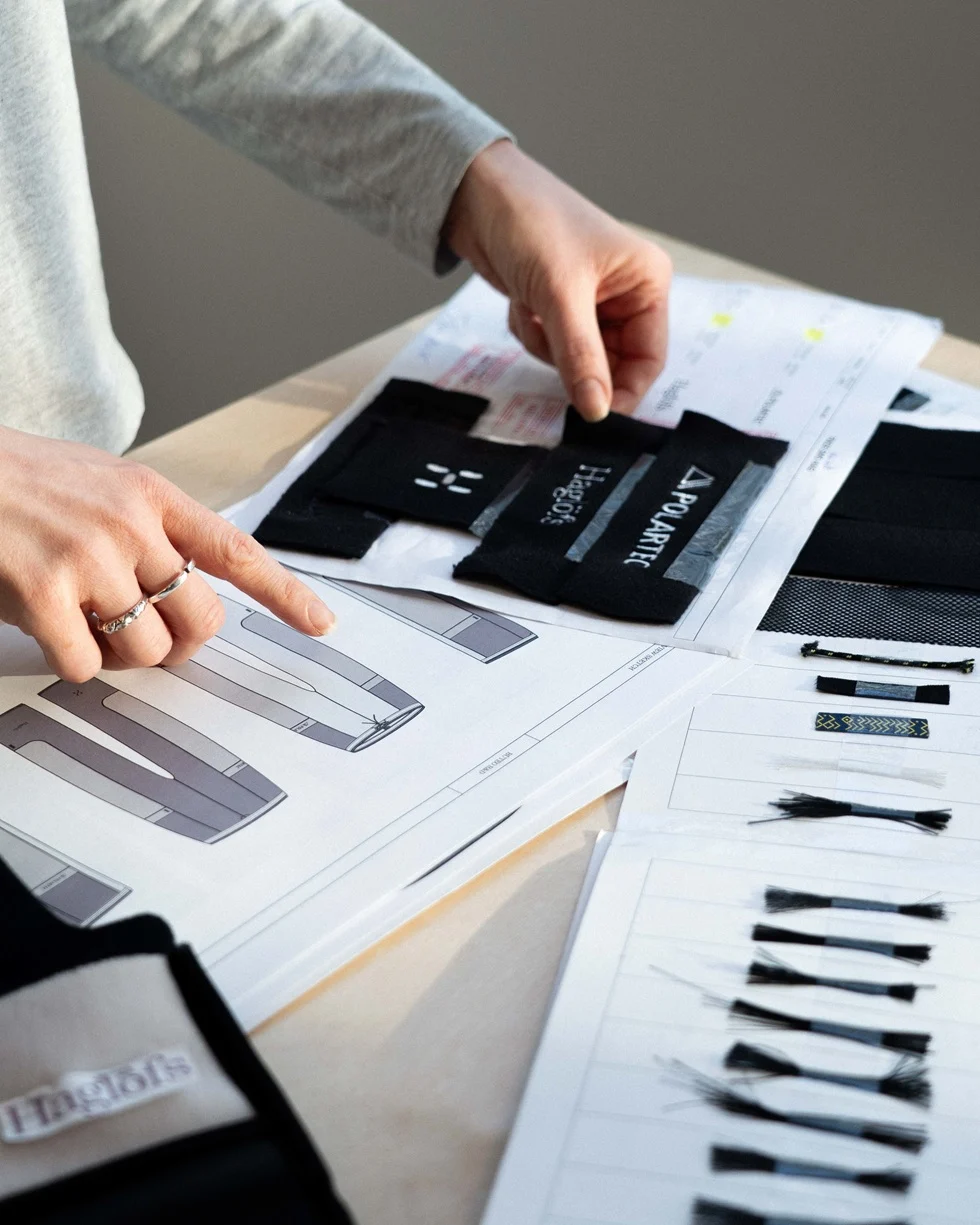
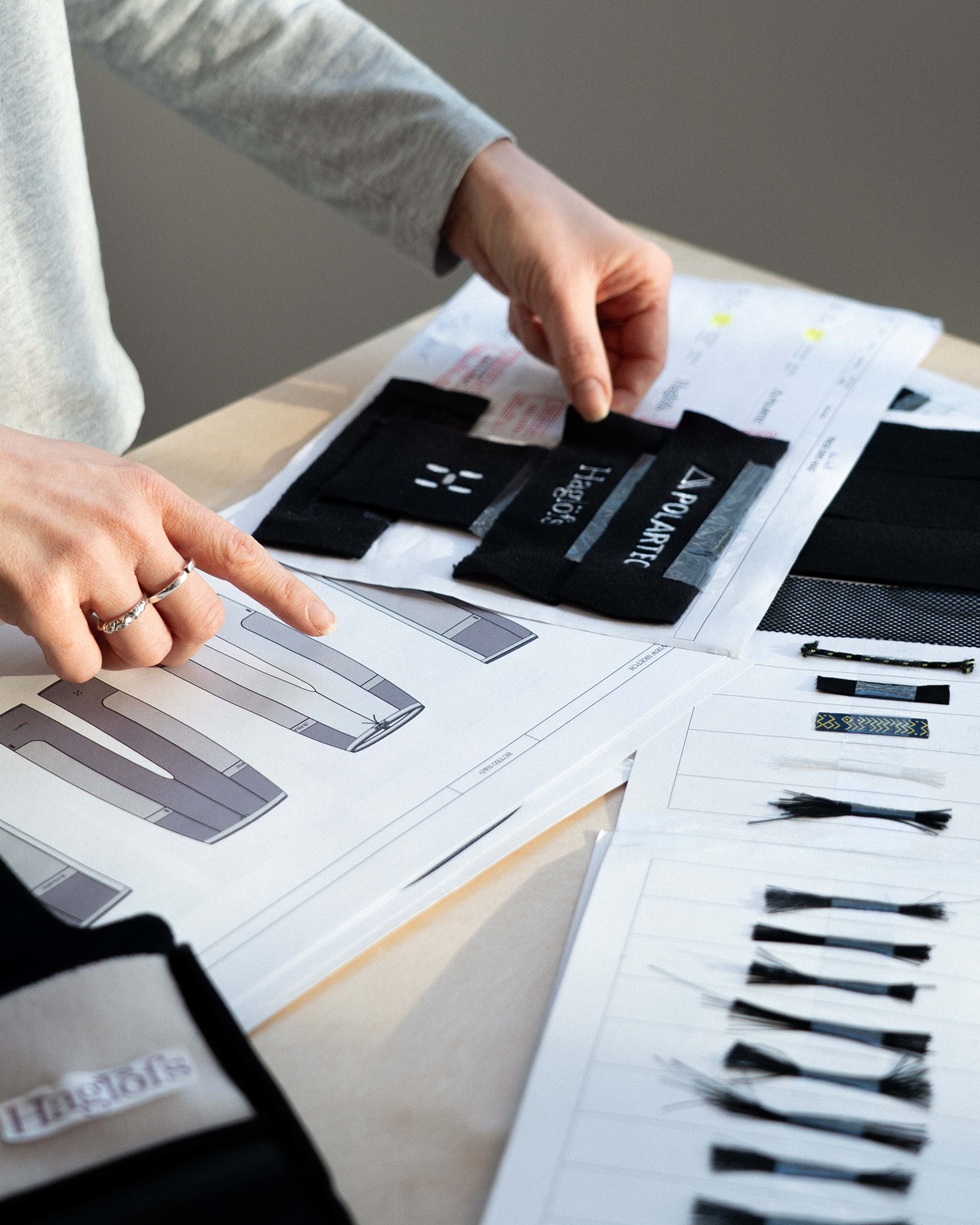
This minor visual discrepancy is the physical manifestation of a massive, systemic inefficiency. Each garment in Haglöfs’ newly developed Black Capsule collection carries woven labels stamped with individual color batch numbers. These numbers serve as a stark indicator that the apparel was created from separately commissioned, processed, and dyed runs of fabric. While these chromatic differences are virtually invisible to the everyday consumer, the operational and ecological toll required to produce them is immense. In response, heritage outdoor brand Haglöfs and technical fabric innovator Polartec have launched a joint initiative to challenge the status quo, questioning whether these minute variations justify the heavy environmental burden of current textile dyeing practices.
The Mechanics and Toll of Synthetic Textile Dyeing
To fully grasp the scope of the issue, one must examine the complex chemistry of textile dyeing, particularly for synthetic materials like polyester fleece, which forms the foundation of the outdoor industry’s mid-layer market. Unlike natural fibers such as cotton or wool, which readily absorb water-based dyes at relatively low temperatures with minimal chemical intervention, synthetic polyester is hydrophobic. Because it repels water, introducing color requires an entirely different class of chemistry known as disperse dyes.
Disperse dyes must be applied under intense pressure at temperatures typically reaching 130 degrees Celsius or higher. This process utilizes a pressurized hot aqueous bath designed to physically force dye molecules deep into the polymer structure of the synthetic fibers. Consequently, the procedure is inherently energy-intensive. Heating large volumes of water to extreme temperatures and maintaining that state for the duration of a standard dye cycle demands significant power.
Among all color palettes, black is universally recognized as the most demanding. Achieving a deep, uniform, and neutral black requires the complex layering of multiple disperse dye molecules, each contributing to the final hue. This demands additional chemical inputs, extended fixation cycles, increased water consumption, and prolonged heat application.
According to global environmental assessments, the textile industry is responsible for roughly 20% of all industrial water pollution, with dyeing and finishing operations accounting for the lions share of that figure. Processing a single kilogram of dyed polyester fabric requires anywhere from 30 to 150 liters of water, depending on the methodology, shade depth, and facility efficiency. Because black sits at the absolute extreme of the spectrum, it demands the highest end of this resource range. The core absurdity within the outdoor apparel sector lies in the fact that countless competing brands independently execute their own variations of this heavy process to achieve shades that are functionally identical to the end user.
The Operational Dilemma of Minimum Order Quantities
The persistence of this redundant dyeing process is largely driven by commercial logistics and Minimum Order Quantities (MOQs). Dye houses operate on strict batch economies. To run a dye cycle cost-effectively, facilities require a minimum volume of fabric, typically scaling to several hundred kilograms per run.
When an individual brand seeks a specific proprietary shade of black, it must commission a custom dye recipe, schedule a dedicated batch, and fulfill the required MOQ. For high-volume market leaders, these economics can be managed. For smaller operations or specialized lines, however, brands pay a heavy premium for modest runs of color that remain virtually indistinguishable from rival products originating from the exact same industrial dye house.
This dynamic establishes an operational ecosystem where dozens of independent brands commission dozens of marginally different blacks. Each iteration requires separate recipe development, quality control approvals, batch runs, and chemical and water expenditures. The environmental waste does not stem from a single flawed corporate decision, but rather from the cumulative aggregate of hundreds of rational individual choices that yield a profoundly irrational collective outcome.
Chronology of a Movement: From Concept to Implementation
The journey toward addressing this systemic inefficiency began with a conceptual statement before translating into commercial reality. The timeline of this industrial shift highlights a deliberate strategy by Haglöfs and Polartec to move from artistic critique to widespread functional adoption.
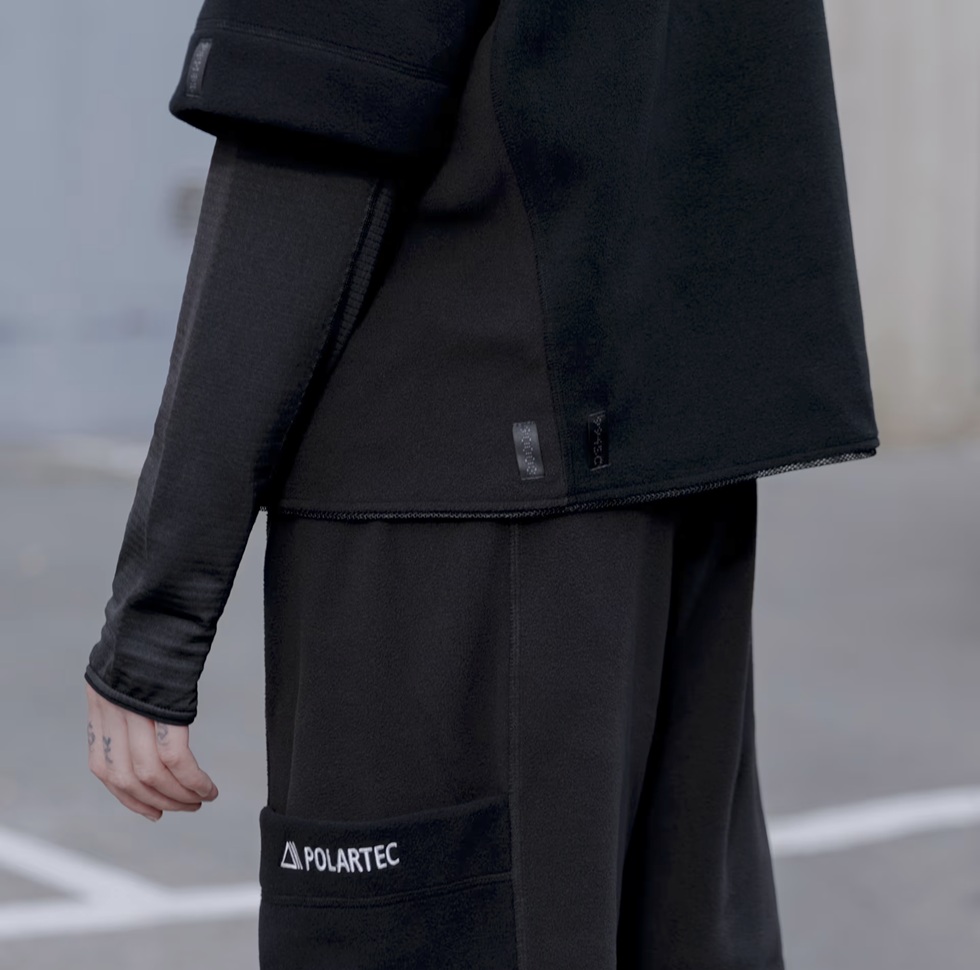
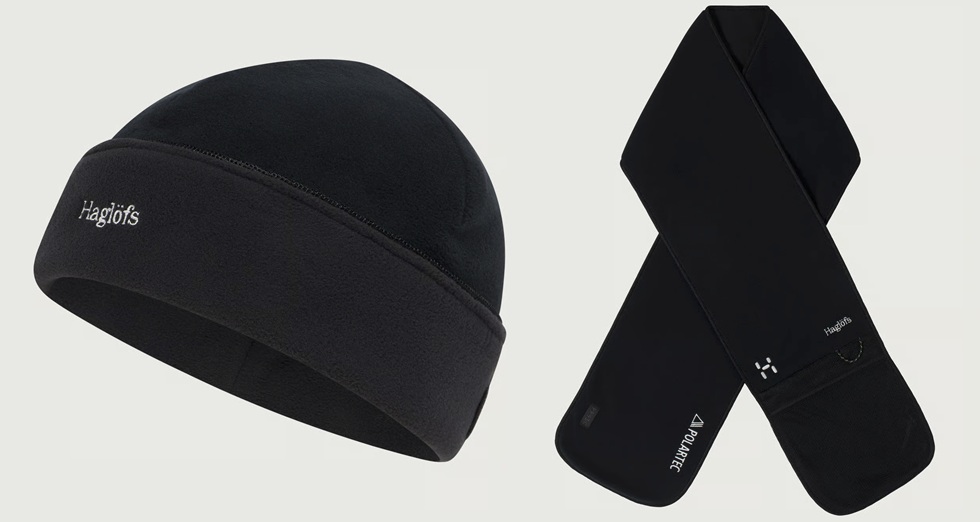
The initiative commenced with the development and release of the Black Capsule collection. Designed strictly as a communication tool, this limited-run capsule featured a Project Tee, Beanie, Scarf, and Pant. Each garment was assembled by stitching together three distinct shades of leftover black Polartec fleece. Every individual pattern piece featured a woven label displaying its precise color batch number, visually proving how many separate dye runs were necessary to yield the subtle variations found within a single piece of clothing.
Following this conceptual launch, Haglöfs and Polartec formalized their cooperative solution: Standard Issue Black. Rather than maintaining proprietary control or enforcing licensing fees, the two companies established a single, universally defined shade of black. This standard was integrated directly into Polartec’s large-scale production pipeline and made freely accessible to the entire textile industry.
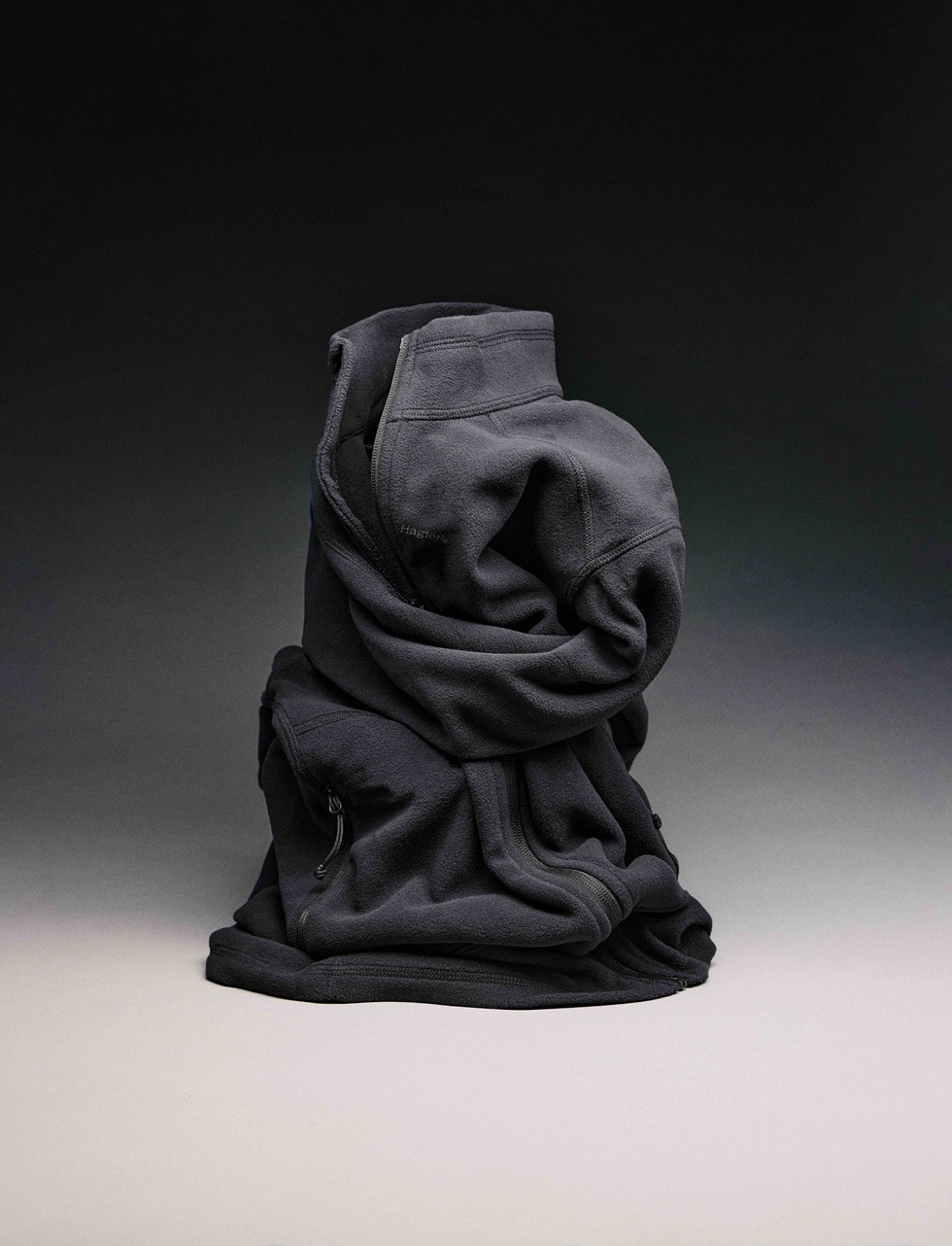
The transition from concept to mass-market implementation is scheduled for full deployment during Haglöfs’ Fall/Winter 2026 season. Instead of limiting the initiative to niche, experimental capsules, the brand embedded the standard into its high-volume bestsellers. The first commercially available product utilizing this universal standard is the Buteo Mid II Jacket, a high-volume mid-layer chosen specifically because meaningful environmental impact requires high-volume distribution.
Analyzing the Environmental Arithmetic and Industry Efficiency
While independent verification is still pending, internal production assessments conducted by Haglöfs estimate that consolidating fragmented dye batches into a single, massive production run yields a greater than 50% reduction in water usage and at least a 20% decrease in energy consumption compared to traditional piece-dyed black fabrics.
The underlying chemistry and industrial engineering support these claims. Batch consolidation is a universally recognized method for maximizing efficiency in large-scale chemical manufacturing. By eliminating redundant recipe formulations, test dye cycles, and smaller batch setups, industrial dye houses can optimize their thermal and chemical recovery systems. The most surprising aspect of this development is not the efficiency gains themselves, but rather the fact that the textile industry has operated with fragmented black dyeing protocols for decades without structural reform.
Overcoming the Creativity Objection and Institutional Inertia
A predictable critique from apparel designers is that standardization suppresses creative expression, fearing that a universal black will lead to homogenous product offerings. However, industry veterans point out that black has rarely served as the primary vector for brand differentiation in technical outdoor apparel.
Differentiation is traditionally achieved through garment architecture, pattern cutting, hardware selection, technical specifications, fit, trim details, branding placement, and seasonal accent colors. Black remains a constant baseline. As Eva Weiss, Haglöfs Head of Design and R&D, noted during the rollout, standardization provides a cohesive framework that frees up design resources rather than restricting them.
Industry observers draw a direct parallel to the widespread standardization of zipper systems decades ago. Today, YKK dominates the market for technical fasteners to the extent that its presence on a garment is entirely unremarkable. The standardization of functional components did not stifle outerwear design; instead, it liberated creative energy to focus on performance and innovation. Standard Issue Black applies this exact principle to color manufacturing.
Despite clear environmental and economic benefits, the broader trajectory of the initiative remains dependent on overcoming institutional inertia. The outdoor sector has a documented history of well-intentioned sustainability frameworks failing to secure widespread adoption outside of their founding coalitions. Furthermore, the persistent "green premium" gap—the discrepancy between consumer sustainability values and purchasing behavior—has historically hindered voluntary ecological reforms.
Standard Issue Black circumvents the consumer pricing hurdle entirely, as the unified supply chain is economically neutral to positive. The primary obstacle is the operational habituation of the supply chain itself. Breaking away from established, fragmented procurement pipelines requires a coordinated willingness to accept minor procedural adjustments for the sake of collective ecological efficiency.
As the Buteo Mid II Jacket hits retail channels in the coming seasons, the broader market response will determine whether this initiative remains a singular corporate milestone or establishes a new operational baseline for the global technical apparel industry.