Rainbow Six Tactics Game Director Martial Potron recently sat down with industry media outlets at Gamescom to shed light on the development choices behind Ubisoft’s upcoming turn-based strategy spin-off. Speaking candidly about the creative vision driving the project, Potron emphasized the paramount importance of ensuring that every Operator in the game possesses a distinct loadout, specialized progression path, and unmistakable utility to minimize redundancy across the board.
The title, which transitions the traditionally frantic first-person shooter franchise into the strategic, grid-based realm popularized by franchises like XCOM, is slated for a 2027 release across PC, PlayStation 5, Xbox Series X, and Xbox Series S. As development progresses toward this multi-platform launch, the creative team has been forced to make difficult concessions regarding which characters make the final cut, balancing fan-favorite mainstays with the mechanical demands of a single-player tactical campaign.
Crafting a Distinct Identity for Every Operator
When Ubisoft first conceptualized a turn-based tactical spin-off for the Rainbow Six franchise, the development team recognized that mechanically translating characters from a real-time multiplayer shooter into a tactical strategy framework would require careful calibration. According to Potron, the core DNA of Rainbow Six has always been fundamentally tactical; the primary shift lies merely in the perspective. However, adapting this philosophy to an overhead, turn-based environment meant that character overlap could easily derail the strategic depth of the experience.
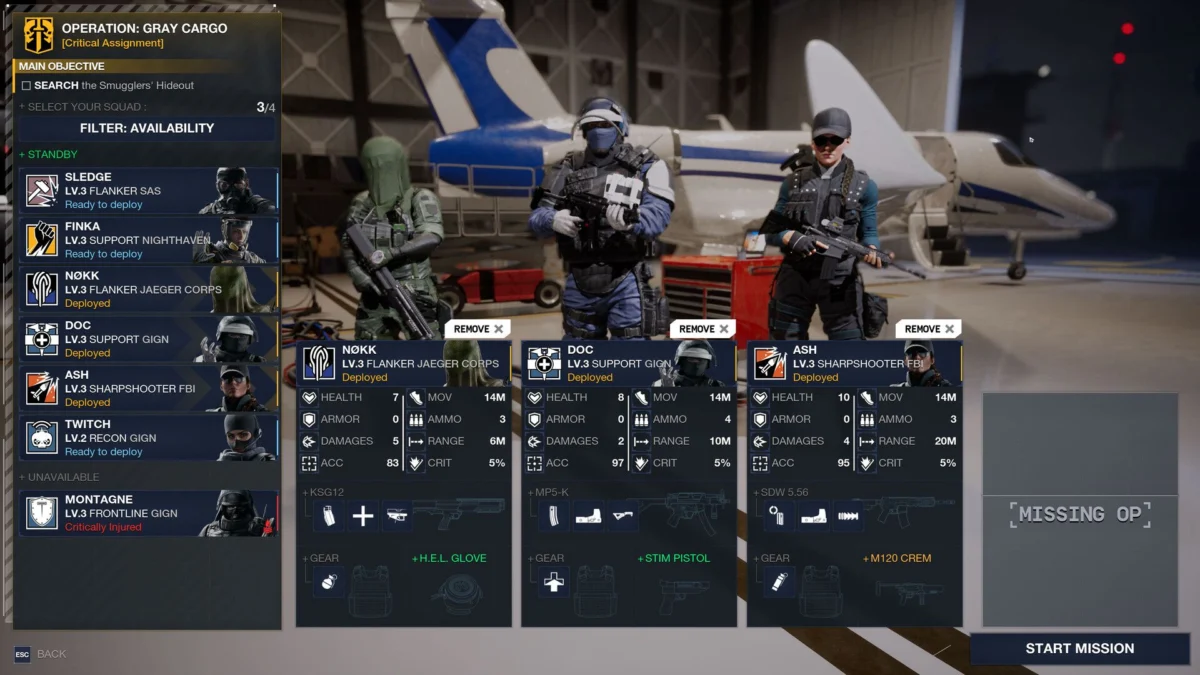
"My team really wanted the operators to feel unique and to serve unique places," Potron explained during his interview at Gamescom. He elaborated that designing distinct turfs, specialized gadgets, individualized playstyles, and tailored progression trees for every single operative was a cornerstone of the creative process. "It was crucial for us, in fact, that we didn’t have too much overlap with other Operators," he added.
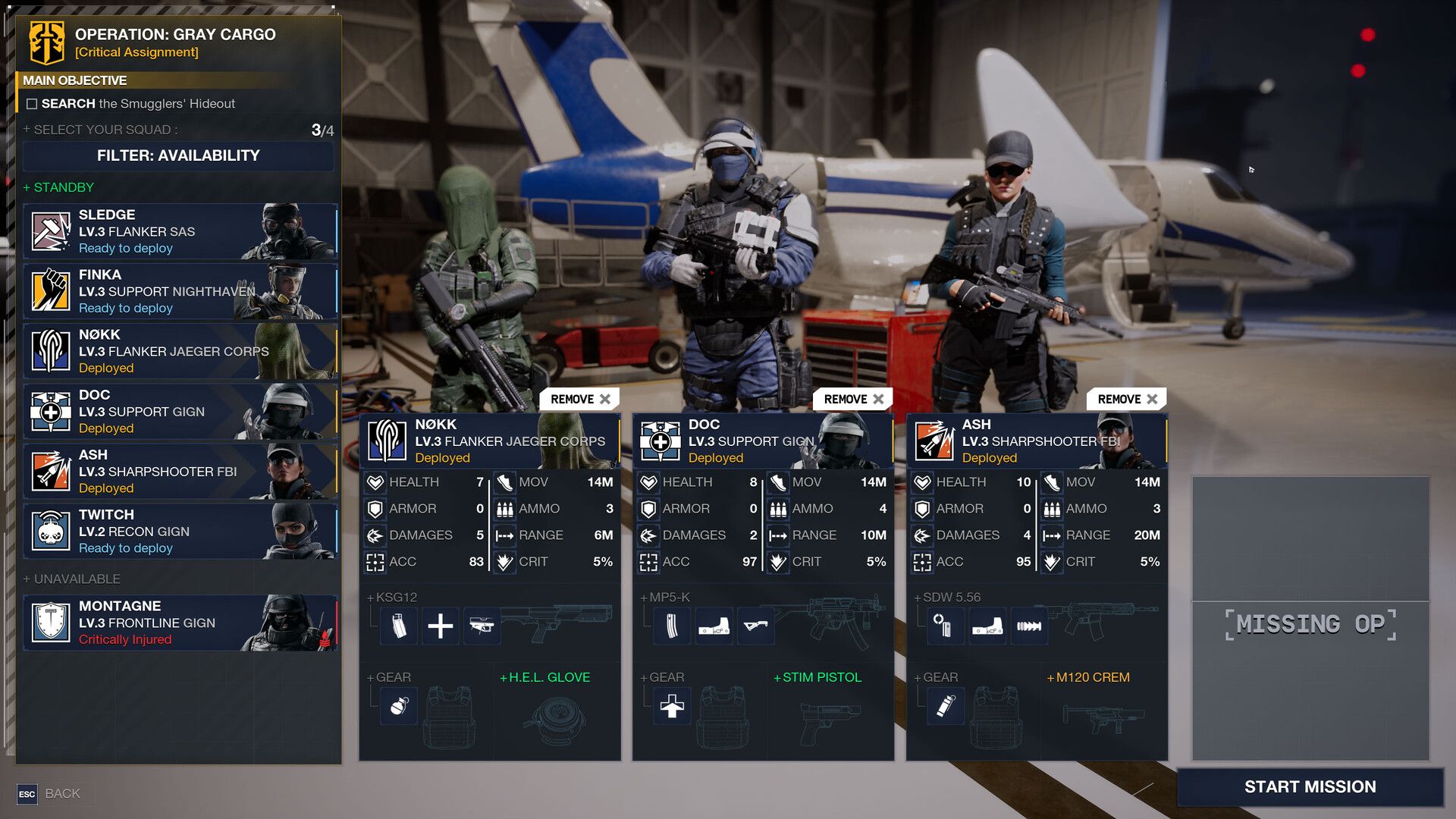
This design choice directly influences how players will approach encounters in Rainbow Six Tactics. Rather than relying on a homogenized pool of generic soldiers or interchangeable attackers and defenders, commanders must carefully construct their squads around the specific capabilities of each individual. By intentionally restricting functional redundancies, Ubisoft aims to encourage players to engage deeply with the entire roster rather than falling back on a single, overpowered meta-strategy.
Roster Limitations and Tough Creative Choices
Upon launch, Rainbow Six Tactics will feature a curated roster of 15 Operators. While this number represents only a fraction of the sprawling, ever-expanding character list found in Rainbow Six Siege, the development team carefully selected individuals who hold immense cultural significance within the community alongside those who serve vital mechanical roles.
Thus far, Ubisoft has confirmed six familiar faces who will make the transition to the tactical spin-off: Ash, Sledge, Glaz, Montagne, Doc, and Nøkk. These characters represent a cross-section of iconic abilities, ranging from breaching and sniper support to heavy frontline defense and stealth infiltration.
However, curation inevitably demands exclusion. Potron admitted that managing the roster forced the development team to leave behind several beloved characters, expressing personal disappointment over notable omissions. "I love Tachanka. We don’t have Tachanka; we don’t have Lion," Potron noted. "We had to make tough choices. It’s part of my job to make tough choices."
These omissions highlight the rigid design constraints imposed by the game’s mechanics. Because each Operator must fill a singular, well-defined tactical niche without treading on the toes of their peers, expanding the roster arbitrarily would risk breaking the delicate balance of the campaign’s encounters. Consequently, the team capped the initial lineup at 15 meticulously balanced characters.
Mechanical Nuance: Fatigue, Injury, and Roster Rotation
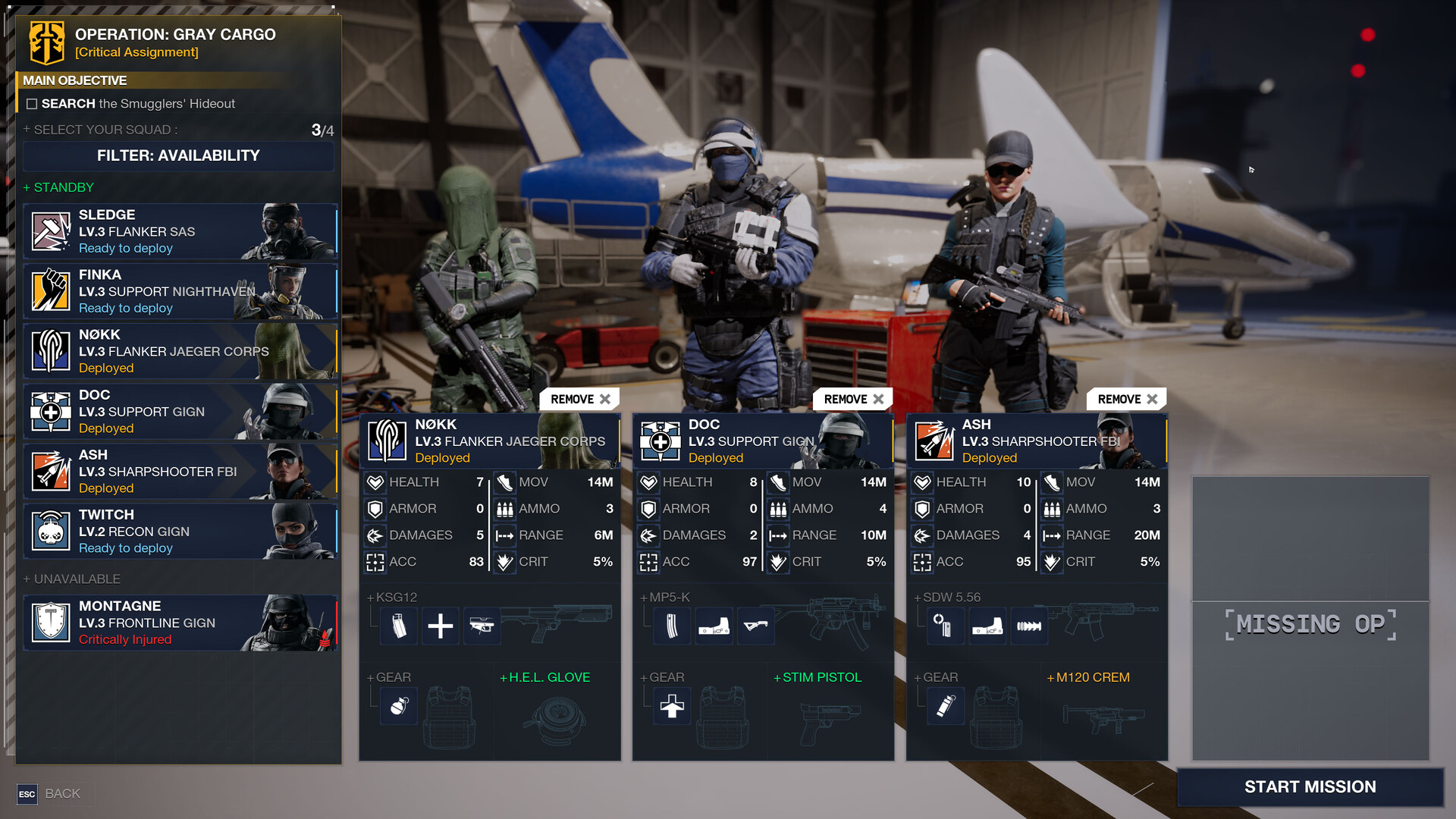
The restriction on roster size interacts directly with one of Rainbow Six Tactics’ most defining gameplay systems: player fatigue and injury mechanics. Unlike traditional tactics games where players can stubbornly deploy their favorite high-level units mission after mission, Rainbow Six Tactics actively penalizes over-reliance on a single team composition.
As previously detailed by the development team, players cannot repeatedly deploy their preferred Operators due to accumulated fatigue and trauma sustained during operations. This system acts as a deliberate design forcing mechanism. It compels players to master the unique tools of lesser-used squad members, adapt to shifting roster availability, and dynamically shuffle their tactical approach as units recuperate in the field.
This philosophy echoes classic survival-tactics tropes where resource management extends beyond ammunition and money to encompass the physical and mental well-being of human assets. By preventing players from leaning on a crutch, Ubisoft ensures that the diverse loadouts and specialized progressions designed by Potron’s team are thoroughly explored and utilized throughout the campaign.
Post-Launch Outlook and Future Expectations
With the industry buzzing about post-launch content roadmaps, live-service models, and continuous character additions, Ubisoft has chosen a remarkably focused path for Rainbow Six Tactics. When questioned regarding the potential introduction of additional Operators following the game’s release, Potron confirmed that expansions are not currently part of the active development pipeline.
"For the launch, it’s not something we are digging into," Potron stated. "We are very close to releasing a fantastic single-player experience, and so [we’re] focused on the release date; shipping something amazing, and we’ll see about the future."

This statement signals a refreshing commitment to a complete, self-contained single-player experience rather than a drip-fed live-service ecosystem. By concentrating their efforts on delivering a polished narrative and robust tactical gameplay loop out of the gate, Ubisoft is positioning Rainbow Six Tactics as a premier narrative-driven strategy title rather than a platform for ongoing microtransactions.
Industry Implications and Strategic Positioning
The decision to pivot the Rainbow Six franchise into the turn-based tactics genre represents a calculated strategic maneuver by Ubisoft. Over the past decade, the tactical turn-based genre has experienced a renaissance, driven by critical darlings such as Firaxis Games’ XCOM series, Firaxis’s Marvel’s Midnight Suns, and Harebrained Schemes’ BattleTech. These titles have proven that there is a robust, highly engaged market for deliberate, thought-provoking strategy games that reward positioning, resource management, and tactical foresight.
By leveraging the rich lore, instantly recognizable iconography, and tactical heritage of the Rainbow Six brand, Ubisoft can appeal to both franchise veterans and strategy enthusiasts who might otherwise bypass standard military shooters. However, the success of the venture will hinge heavily on whether the transition from real-time first-person execution to grid-based planning retains the high-stakes tension that defines the Tom Clancy universe.
Furthermore, focusing exclusively on a single-player campaign distinguishes Rainbow Six Tactics from its multiplayer sibling, Rainbow Six Siege. While Siege continues to dominate the competitive esports landscape with continuous updates, patches, and operator drops, Tactics offers a slower, more methodical experience tailored for solo players seeking narrative depth and tactical puzzle-solving.
As the industry looks ahead to its 2027 release window, anticipation continues to build around how Ubisoft will synthesize its explosive, gadget-heavy action identity with the cerebral demands of turn-based warfare. With a dedicated team led by Martial Potron prioritizing mechanical distinctiveness, careful roster balancing, and uncompromising single-player design, Rainbow Six Tactics stands poised to offer a fresh perspective on one of gaming’s most enduring counter-terrorism franchises.