Valve’s highly anticipated, albeit technically unreleased, hero shooter Deadlock has received its most significant update to date, signaling a shift in the game’s development trajectory. Despite the title remaining in an invite-only playtest phase, the sheer scale of the latest patch suggests that the project is nearing a more stable, feature-complete state. This update introduces a wealth of new characters, a comprehensive visual overhaul of the game’s core map, and a suite of quality-of-life improvements that address long-standing community feedback regarding accessibility and user interface clarity.
The Evolution of a Secretive Development
The history of Deadlock is unconventional even by Valve’s standards. The game first emerged from the shadows of rumors and leaks, with Valve initially maintaining a strict policy of silence. For the past two years, the game has existed in a state of "soft-launch" limbo, accessible only through a referral system where existing players must invite newcomers. This grassroots approach to playtesting has cultivated a dedicated community, though it has also created a barrier to entry that persists today.
By bypassing a traditional marketing cycle, Valve has allowed the game to iterate through private alpha cycles, focusing on mechanical balance and systemic integrity before addressing broader aesthetic or narrative components. This update serves as a turning point, moving the game away from its "secretive project" status and toward a more polished, public-facing identity. The inclusion of six new heroes, in particular, marks a significant expansion of the game’s roster depth, suggesting that the core balancing framework is now robust enough to support a wider array of playstyles.
A Diverse Roster Expansion
The introduction of six new heroes provides a strategic shift for the current meta. The new characters are:
- Nurse Harrow: A tactical support character whose visual design has already drawn significant attention within the community.
- Rat King: An anthropomorphic character representing a shift toward more stylized, non-humanoid designs.
- Solomon: A strategist-themed hero, potentially introducing unique zone-control mechanics.
- Deadman Danny: A character utilizing a "retro-futuristic" aesthetic reminiscent of the Rocketeer, likely emphasizing mobility and explosive damage.
- Baba: A witch-inspired hero that adds a layer of mystical, utility-based play.
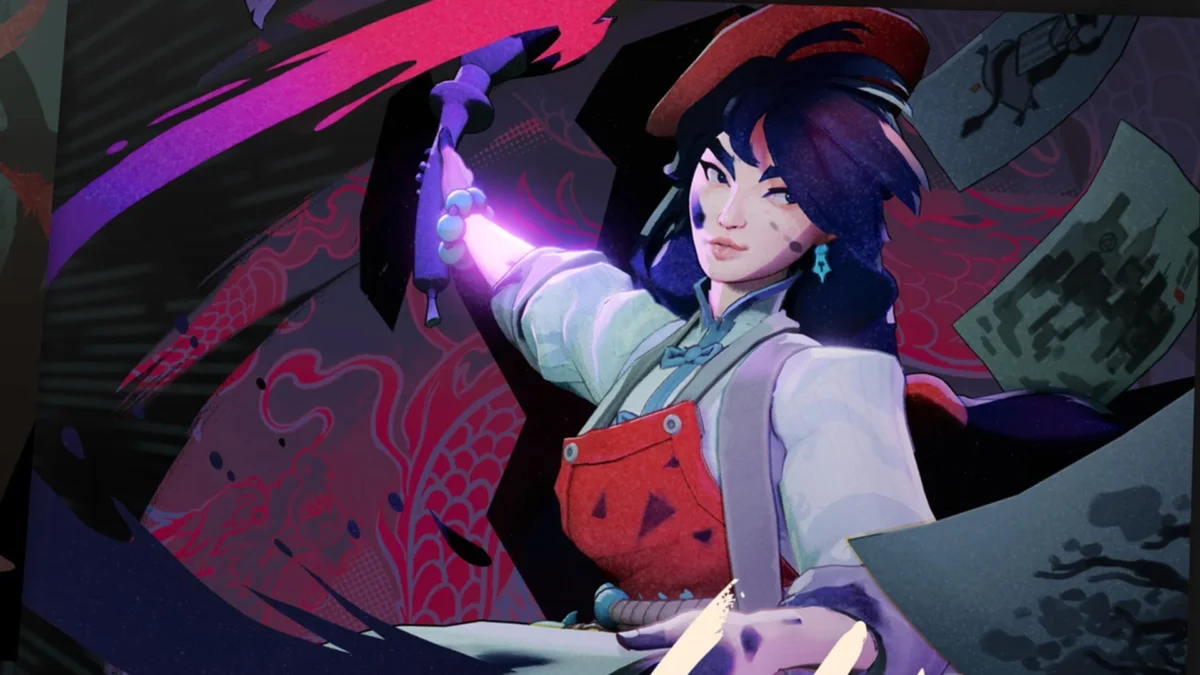
- Violet: An artist-themed hero that rounds out the roster with a focus on creative, area-of-effect capabilities.
These additions indicate a commitment to variety, ensuring that the game’s hero pool remains diverse in both visual language and mechanical utility. The inclusion of such a broad range of archetypes—from support-heavy healers to mobility-focused damage dealers—suggests that Valve is preparing the game for a more competitive, diverse player ecosystem.
Aesthetic Overhaul and Environmental Storytelling
Perhaps the most striking change in this update is the complete visual redesign of the map’s three primary lanes. The "blue lane" has been transformed to reflect a mid-century New York architectural style, emphasizing verticality and historical urban density. The "green lane" adopts a gothic-inspired motif, contrasting with the "yellow lane," which leans heavily into an industrial, Wall Street-influenced aesthetic.
These changes are not merely cosmetic; they reflect an effort to improve spatial awareness. By giving each lane a distinct visual identity, Valve is likely attempting to help players orient themselves more quickly during the high-pressure moments of a match. Beyond the lanes, the map now features four distinct districts: a theatrical district, a Chinatown-inspired zone, a haunted sector, and a centralized, high-density plaza. This environmental storytelling creates a more cohesive atmosphere, elevating the game from a simple tactical arena to a lived-in, fictional cityscape.
Infrastructure and UI Improvements
While the new heroes and map textures will dominate the headlines, the backend and UI improvements are arguably more critical for the game’s long-term health. The update introduces a modernized heads-up display (HUD), including more prominent health bars and clearer stat indicators. The implementation of an event feed provides players with immediate context regarding the flow of the match, allowing for better tactical decision-making in real-time.
Furthermore, the ping system has been completely overhauled. Communication is a frequent pain point in team-based hero shooters, and by streamlining the ping interface, Valve is lowering the reliance on voice chat while maintaining high levels of tactical coordination. Additional technical updates, such as the support for up to eight spectators in custom lobbies, indicate that Valve is positioning Deadlock to be a viable esport, providing the tools necessary for tournament organizers and casters to operate effectively.
Accessibility and Player Autonomy
In an industry-wide push for better accessibility, this update introduces a range of options that significantly lower the barrier to entry. New features include customizable enemy color palettes, auto-movement options, and automated firing settings. These additions are essential for making the game more inclusive, particularly for players with motor impairments or visual sensitivities.
Moreover, the addition of over 10,000 non-ping voice lines is an unprecedented level of investment in character dialogue. The inclusion of an in-game dialogue player allows players to engage with the narrative side of the roster without needing to be in the heat of combat. This suggests that while Deadlock is a competitive title, Valve is also heavily invested in the "personality" and lore of the game, aiming to create a universe that resonates with players on a narrative level.
Strategic Implications and Market Analysis
From a broader market perspective, the state of Deadlock poses an interesting case study. By keeping the game in a controlled, invite-only environment, Valve has successfully maintained a high level of quality control and community sentiment. The fact that the game has remained in this state for two years while receiving consistent, high-quality updates suggests that Valve is not rushing toward a full release.
The lack of traditional marketing, combined with this massive update, indicates that Valve is comfortable with a "slow-burn" growth strategy. In an era where many live-service games face intense scrutiny upon launch, this extended, community-led refinement period may provide Deadlock with a more stable launch window when it eventually transitions to an open-access model.
Chronology of Development
- Initial Discovery: Rumors of a "Valve hero shooter" began circulating nearly two years ago, with early, grainy screenshots surfacing on niche forums.
- The Private Phase: The game entered a highly restricted alpha, with Valve keeping the official website and communication channels largely inactive.
- Community Expansion: Over the following 18 months, the invitation pool expanded, leading to a steady stream of gameplay footage being uploaded to streaming platforms, which forced a degree of public acknowledgment from the studio.
- The Current Update: The recent patch marks the first time a major content drop has been accompanied by such extensive documentation, indicating that the game is moving closer to an official announcement or "Open Beta" status.
Looking Ahead
The path forward for Deadlock remains shrouded in the typical Valve mystery, yet the implications of this update are clear. The infrastructure is being laid for a massive competitive ecosystem. With the introduction of robust accessibility features, a deep roster, and a visually distinct map, the game is no longer just a "secret." It is a sophisticated, feature-rich product.
The community reaction, while anecdotal, has been largely positive, with players noting that the performance optimizations included in the patch have significantly smoothed out gameplay. As Valve continues to refine the balancing of these six new heroes and monitors the impact of the updated UI, the development team is likely gathering data that will inform the eventual public launch. Whether or not the game will retain its current invite-only system for the remainder of the year remains to be seen, but the sheer volume of content in this update suggests that the game’s "secret" phase is rapidly coming to an end.
For those interested in the minute details of the balancing changes, patch notes, and technical specifications, Valve has directed users to the official project portal at playdeadlock.com. As the game evolves, the focus will likely shift from fundamental systems toward long-term competitive integrity, cementing Deadlock as a major player in the hero shooter genre.