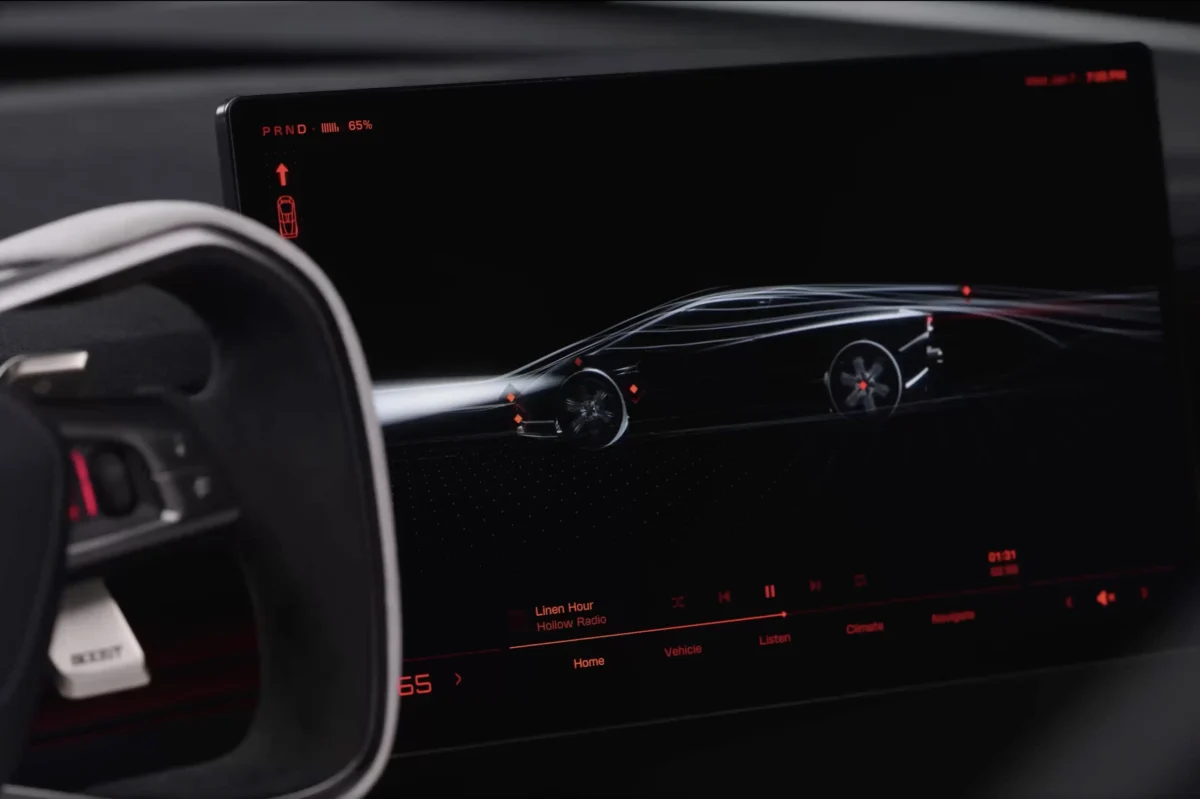
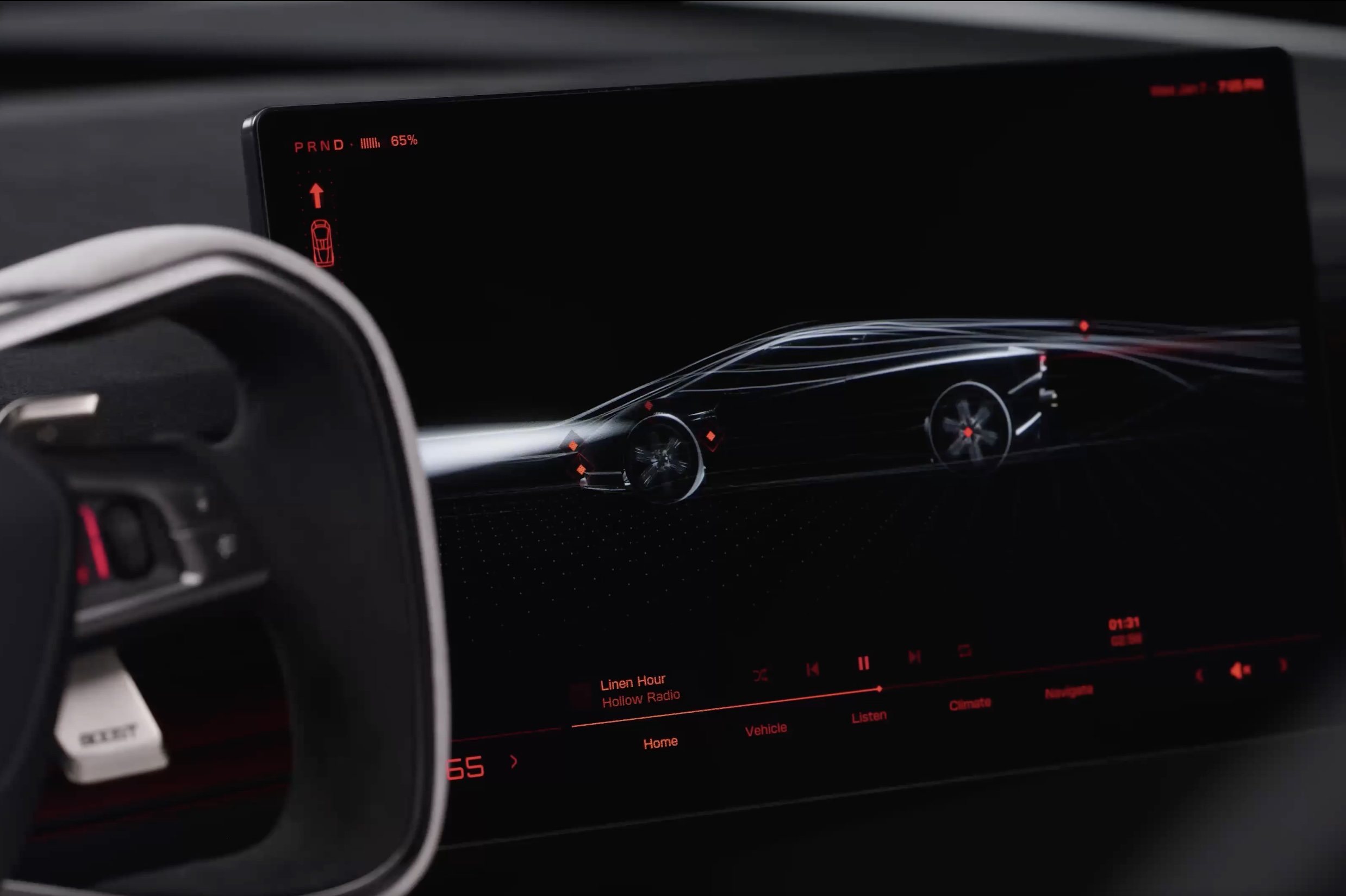
Tesla has provided future vehicle owners with their most comprehensive look yet at the cockpit architecture and digital user interface of the highly anticipated next-generation Roadster. In a 34-second video published to social media on a Friday afternoon, the electric vehicle manufacturer showcased the supercar’s advanced touchscreen interface. Accompanying the visual walkthrough was an official statement from the company outlining the design philosophy: “Inspired by fighter jet cockpits, Roadster’s interface was designed around the pilot.”
This recent unveiling marks a significant step forward in the long development timeline of the vehicle, offering tangible insights into how Tesla intends to bridge the gap between hypercar performance and next-generation software integration. As automotive enthusiasts and prospective buyers analyze the newly released footage, a clearer picture emerges of a machine designed from the ground up to challenge the boundaries of conventional vehicle physics.
Inside the Jet-Inspired Cockpit: Interface and Core Controls
The newly revealed user interface breaks away from traditional automotive infotainment layouts, positioning the vehicle itself as the focal point of the primary display. The video commences with a sleek, dark-themed screen accented by vibrant red graphics. A detailed three-dimensional wireframe of the Roadster rotates smoothly beside a squared-off, aerospace-inspired steering yoke.
Interacting with the digital model grants the driver direct control over various mechanical subsystems, including the active rear wing. The software allows operators to toggle between low-drag settings for high-speed straightaways and high-downforce configurations for optimal cornering grip. Additionally, standard electric vehicle functionalities are seamlessly integrated, featuring a comprehensive charging page equipped with an adjustable charge limit bar and a streamlined media player. A permanent navigation bar anchored along the bottom of the display provides rapid access to primary menus: Home, Vehicle, Listen, Climate, and Navigate.
However, the core of the demonstration revolves around the vehicle’s specialized Track Mode, which transforms the digital dashboard into a telemetry hub. Drivers are presented with a live circuit map, a continuous log of session lap times, real-time temperature readouts for both the braking system and electric motors, and individual pressure and temperature monitoring for each tire.
Furthermore, a dedicated setup page empowers the pilot to configure aerodynamic profiles—choosing among Auto, Low Drag, High Downforce, or fully customized aero modes. Drivers can also fine-tune aerodynamic balance and brake balance, as well as disengage stability and traction control systems entirely. Most striking, however, is a prominent status bar running along the lower edge of the screen, which reads “Thruster · 5,500 PSI” directly adjacent to a “Boost Ready” indicator.
Bridging Software With Extreme Hardware Capabilities

The software readouts visible in the interface video directly complement the physical hardware that Tesla previously showcased during an exclusive unveiling event near Waco, Texas. The high-performance Thrust and Rocket variants of the Roadster are engineered to utilize cold-gas thrusters. These thrusters are fed by sophisticated carbon-overwrapped pressure vessels housed within the vehicle chassis, explaining the necessity of the high-pressure telemetry displayed on the digital dashboard.
According to Tesla’s official specifications for the various Roadster configurations, these extreme propulsion systems enable staggering acceleration metrics. The rocket-assisted iterations are projected to achieve a zero-to-sixty-miles-per-hour acceleration time of under 0.9 seconds—and an even more astonishing sub-0.59-second time for the flagship Rocket package. Meanwhile, the base Performance configuration relies on an intricate fan and ground-sealing skirt system to generate artificial suction and downforce, mirroring the active aerodynamic adjustments controllable via the touchscreen interface.
This layout represents a distinct departure from the minimalist, center-screen-dominated interiors found in mainstream Tesla models like the Model 3 and Model Y. In addition to the primary central display, Tesla’s official vehicle configuration page indicates that the Roadster interior features two smaller forward-facing secondary displays flanking the main screen, creating a wrap-around cockpit environment akin to a modern military aircraft. Company representatives have not yet confirmed whether elements of this advanced Track Mode telemetry will trickle down to existing performance models in the broader Tesla lineup.

Timeline, Production Roadmap, and Public Debuts
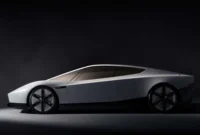
While the recent software preview offers a tantalizing glimpse into the Roadster’s capabilities, prospective buyers must exercise patience. During the initial vehicle showcase, Tesla CEO Elon Musk projected that official production for the next-generation Roadster is scheduled to commence in 2028. Furthermore, the company has clarified that the elite Rocket variant lacks regulatory approval for public road use, cementing its status as a specialized track-only or exhibition machine.
Reservations for the vehicle remain active, requiring a substantial initial payment of $50,000. The intermediate Thrust configuration is structured as a limited-release production run, whereas the top-tier Rocket variant will be allocated strictly via an exclusive, invite-only process.
For those eager to evaluate the vehicle’s physical presence ahead of its production timeline, an immediate opportunity has materialized. According to industry observer Sawyer Merritt, the physical Roadster prototype was slated for a special public exhibition in the lobby of the Petersen Automotive Museum in Los Angeles, allowing enthusiasts to inspect the exterior design and cockpit architecture up close.
Broader Technological Context Across the Tesla Ecosystem
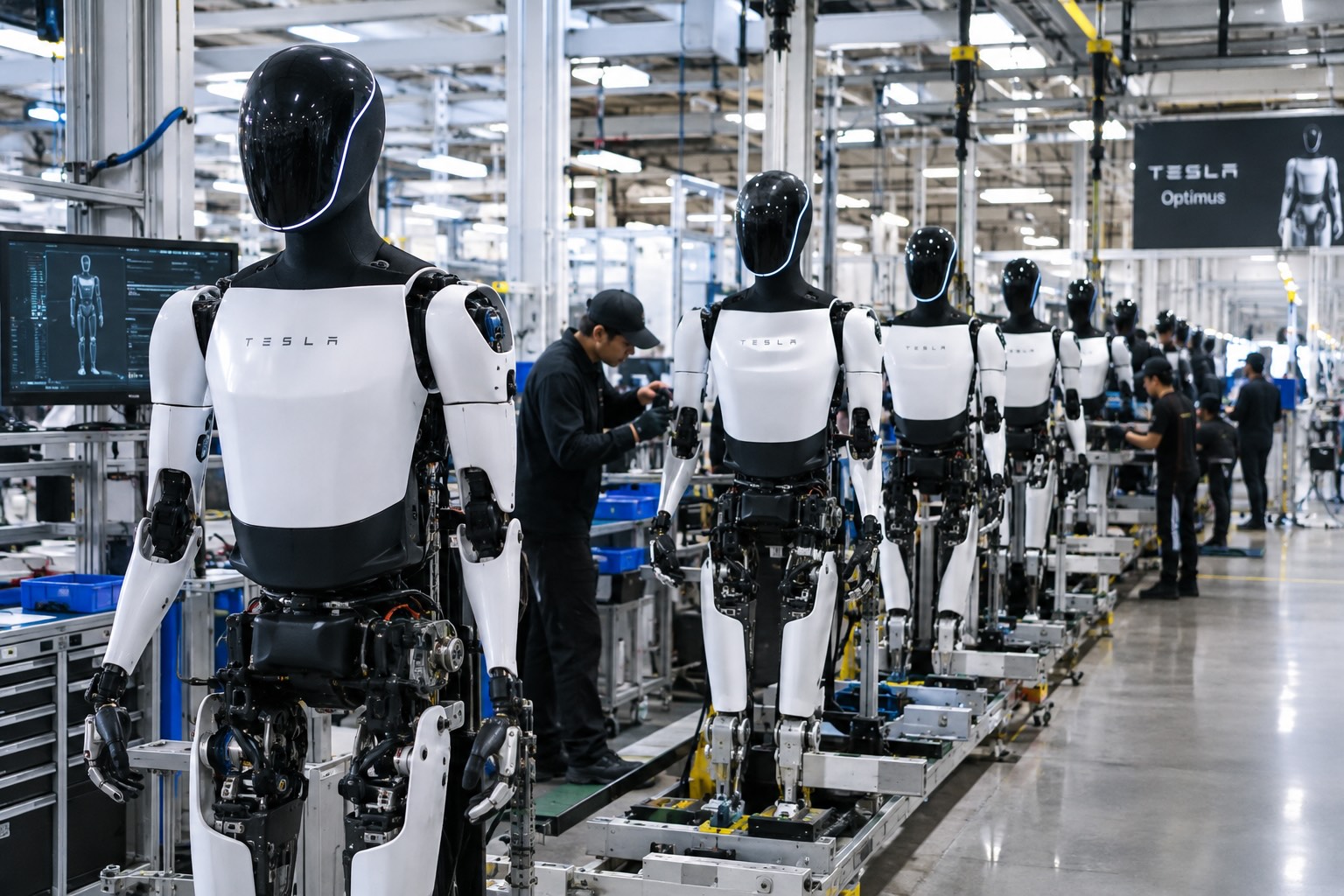
The Roadster reveal is part of a broader wave of major developments across Tesla’s diverse product portfolio, highlighting the company’s aggressive technological expansion. Concurrently, Tesla has made significant strides in its robotics division, initiating production-quality manufacturing of its Optimus humanoid robot at the Fremont factory. By repurposing former Model S and Model X production lines, Tesla is scaling up manufacturing capacity with a long-term target of producing up to one million units annually. To accelerate the robot’s autonomy without the benefit of a vast road-going vehicle fleet, the company has outlined plans for the "Optimus Academy," a specialized training environment where thousands of robots will autonomously practice complex physical tasks.
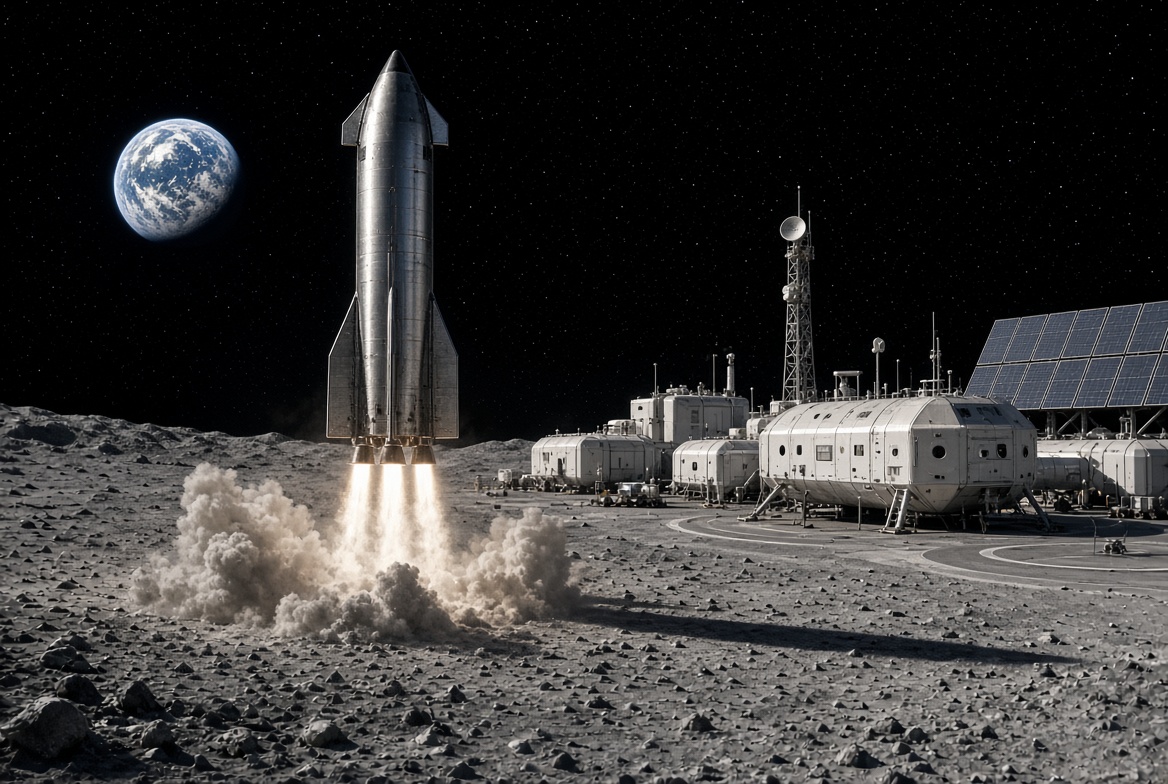
Simultaneously, SpaceX—led by the same executive team—continues to advance its heavy-lift Starship program, sparking high-profile public debates regarding operational logistics. Recent discussions between NASA’s Aerospace Safety Advisory Panel and private sector leadership have centered on the precise number of orbital refueling launches required to successfully execute a crewed lunar landing. While independent safety estimates suggest up to 22 separate flights may be necessary to service the lunar lander, Musk has publicly countered that optimized operational efficiencies will reduce the actual requirement to between six and eight launches.
On the domestic energy front, Tesla is also expanding its clean energy infrastructure. Fort Bend County commissioners recently approved a comprehensive package of tax incentives for a massive, $10.1 billion solar cell manufacturing facility in Texas, internally designated as "Project Crystal Sun." Set to span approximately 3,000 acres near Needville, the proposed facility aims to handle the entire vertical supply chain from raw silicon ingots and wafers to finished solar photovoltaic modules, supporting Tesla’s broader corporate mission to accelerate the world’s transition to sustainable energy.
As Tesla navigates the complex engineering hurdles associated with aerospace-grade electric supercars, humanoid robotics, interplanetary rocketry, and utility-scale energy production, the unveiling of the Roadster’s fighter-jet cockpit underscores the company’s commitment to pushing technological boundaries. Whether the production vehicle ultimately delivers on its unprecedented performance metrics will be watched closely by the global automotive industry over the coming years.