Fujifilm has officially announced the global release of the Instax Pal 2, expanding its popular line of whimsical imaging devices with a heavily upgraded iteration of its ultra-compact digital camera. Diverging from traditional instant film cameras, the Instax Pal 2 functions entirely as a standalone digital capture device designed to bypass the immediate printing mechanism while retaining the playful ecosystem of the broader Instax brand. Preorders for the device are now officially open across global markets, with shipping anticipated to commence in late September.
In the United States, major photography retailers including Adorama and B&H Photo Video have listed the preorder price at $169.95. Meanwhile, consumers in the United Kingdom can secure the camera through platforms such as Amazon, Jessops, and Park Cameras for an introductory retail price of £144.99. Initially rolling out in classic black and white colorways, the Pal 2 aims to capture a niche segment of the consumer photography market that prioritizes spontaneity, portability, and tactile engagement over hyper-technical specifications.
Understanding the Hybrid Nature of the Instax Pal 2
To fully appreciate the design philosophy behind the Instax Pal 2, consumers must first understand that it does not function as a traditional instant camera. Unlike iconic models in the Instax Mini or Square lineups, the Pal 2 contains no internal film cartridge. Pressing the shutter button does not trigger the mechanical expulsion of a developing photograph; instead, the device captures a digital image file.
This digital-first approach decouples the act of taking a picture from the physical printing process. Users can store images locally on the device, wirelessly transfer them to a smartphone via a dedicated companion application, or route them directly to compatible Fujifilm Instax printers and hybrid cameras if a physical print is desired. This operational flexibility allows the Pal 2 to bridge multiple film formats—supporting Instax Mini, Square, and Wide outputs through its digital ecosystem—granting it a versatility that conventional single-format instant cameras simply cannot match.
Evolution from the Original Instax Pal: Design and Hardware Improvements
The release of the Instax Pal 2 marks a significant hardware evolution from the original Instax Pal, which debuted to mixed reviews regarding its minimalist interface. While the first-generation model relied heavily on smartphone connectivity to frame shots and change settings, the Pal 2 incorporates tangible hardware enhancements designed to make it feel like a true standalone camera.
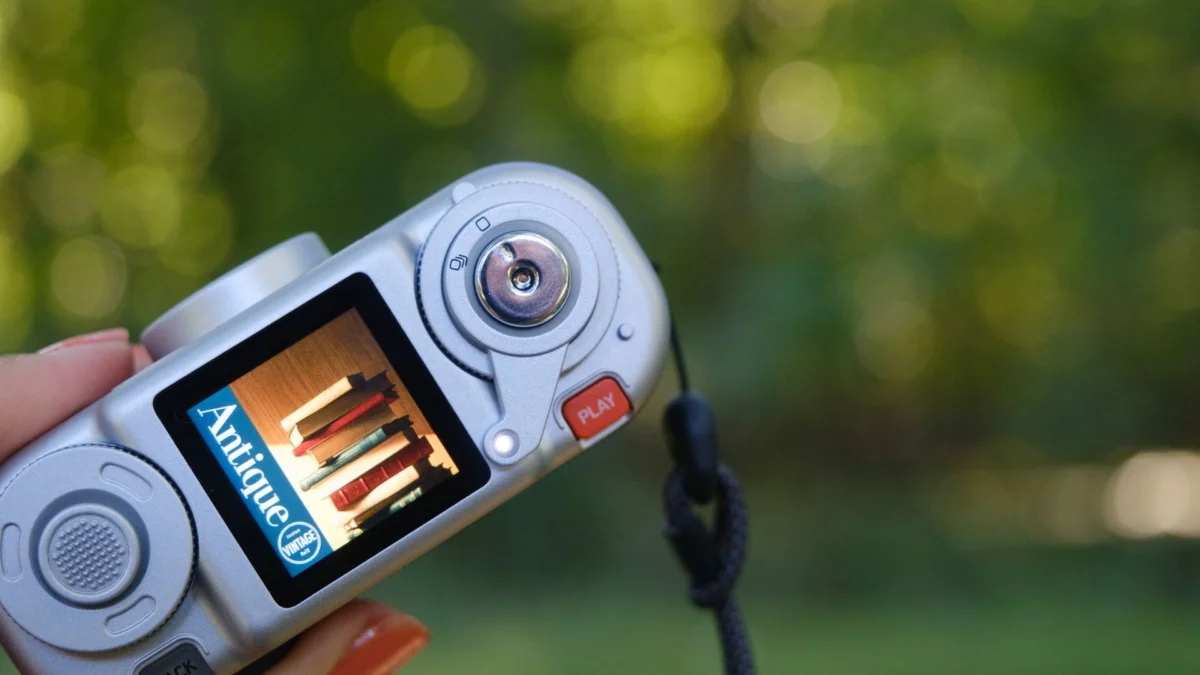
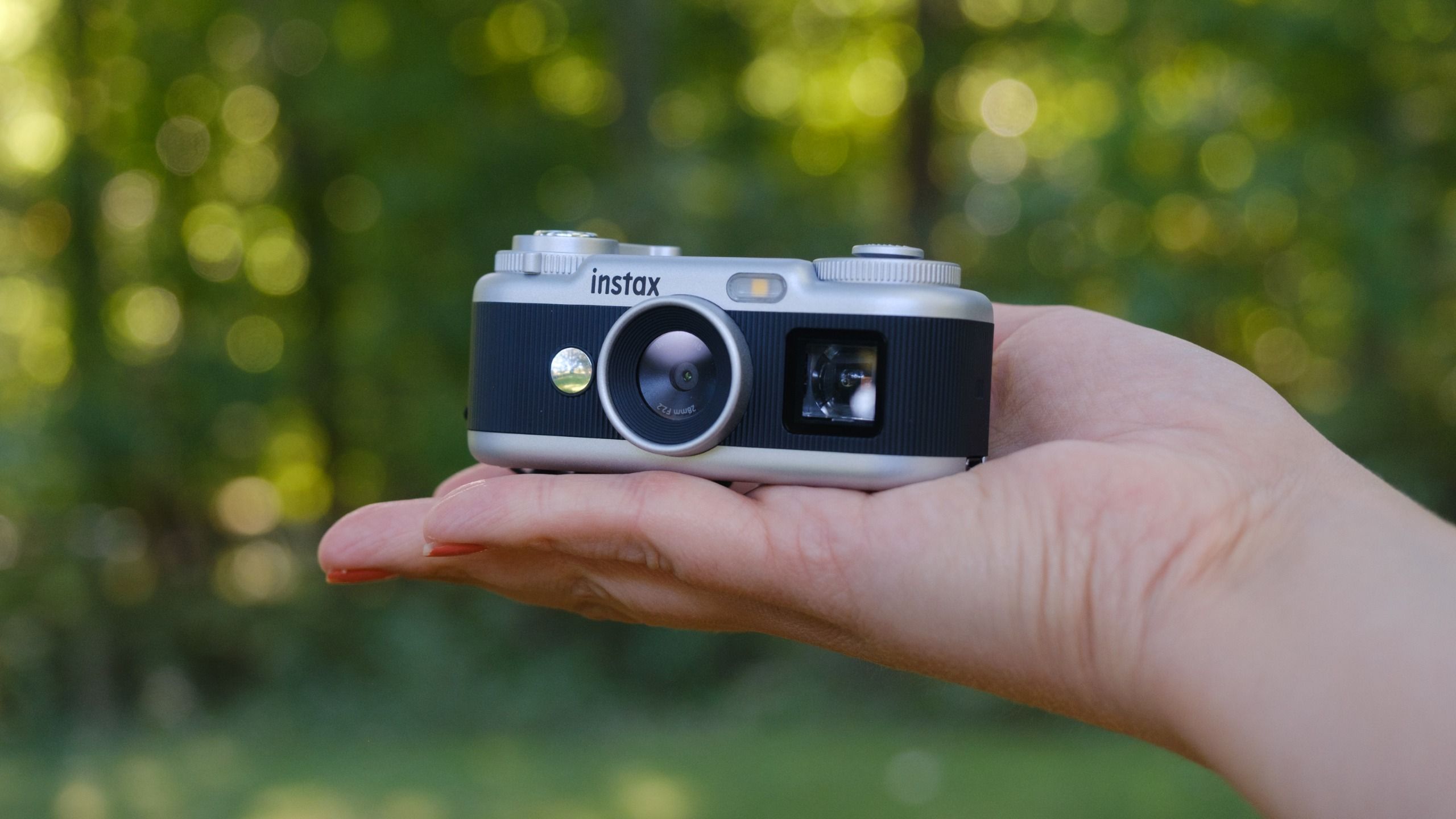
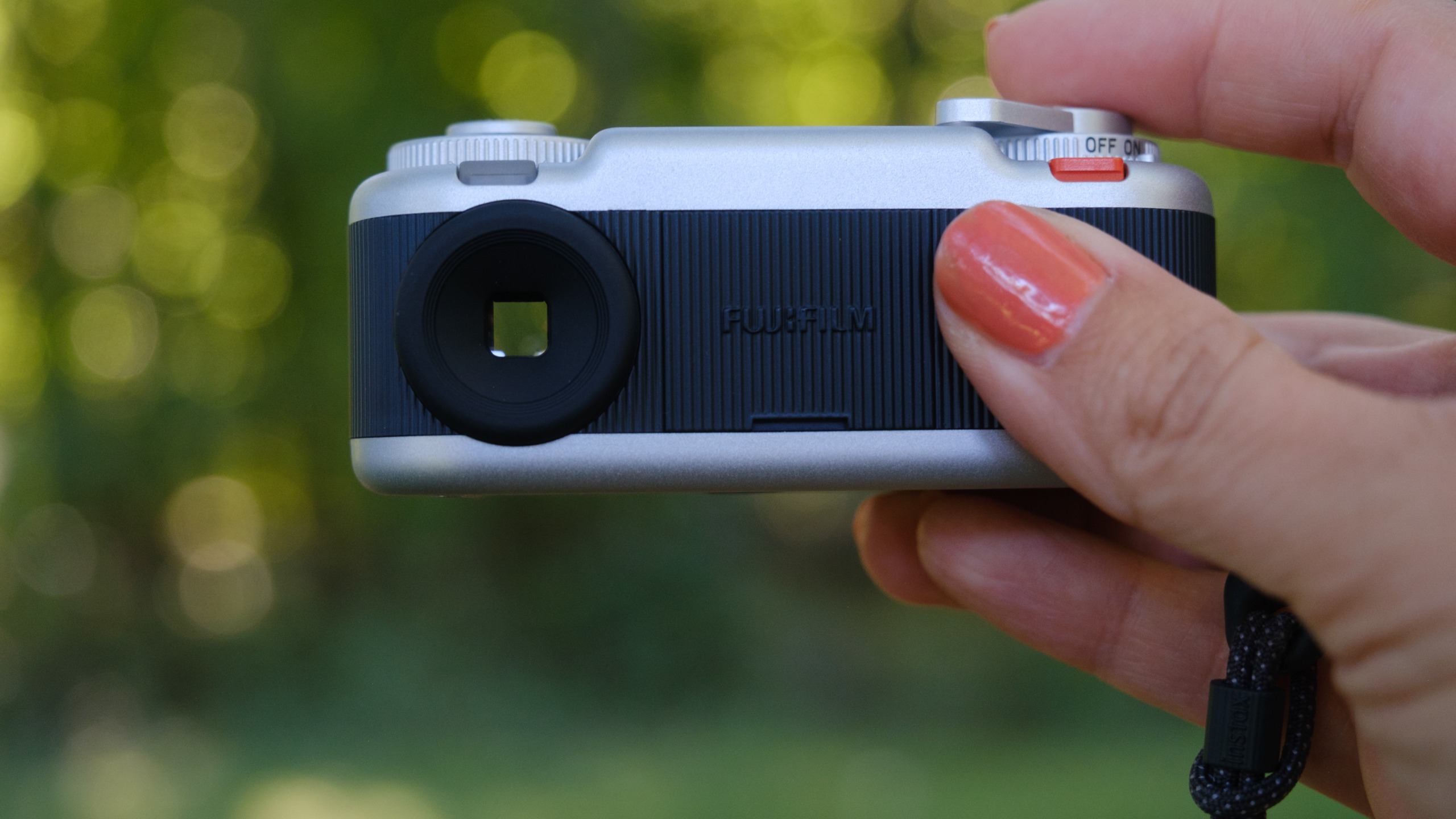
Among the most notable physical updates is the integration of a dedicated optical viewfinder, allowing photographers to frame their subjects the old-fashioned way without constantly peering at a phone screen or shooting completely blind. Additionally, Fujifilm has integrated a small 1-inch LCD screen into the device body, providing immediate visual feedback and menu navigation.
Under the hood, the camera is equipped with a 28mm-equivalent f/2.2 lens paired with a 1/3.06-inch CMOS sensor. Photographers are given flexibility regarding output resolution, with the ability to choose between a standard 10-megapixel mode and a deliberately scaled-down 1-megapixel setting. This lower-resolution option nods to the growing consumer appetite for retro, lo-fi digital aesthetics reminiscent of early-2000s point-and-shoots and digital keychains. Furthermore, the inclusion of single autofocus and face-detection autofocus capabilities significantly streamlines everyday point-and-shoot operations, while a minimum focusing distance of approximately 80mm enables users to capture close-up details with ease.
Software Features, Filters, and the New Animation Mode
Beyond its physical architecture, the Instax Pal 2 places a heavy emphasis on creative play. Fujifilm has packed the device with five distinct filter themes, each containing six unique visual effects. Users can curate and select their favorite configurations using the accompanying Instax Pal mobile application.
A standout software addition to the second-generation model is the Instax Animation mode. By holding down the shutter button, the camera can capture up to 10 consecutive images in rapid succession, automatically stitching them together into a flipbook-style digital animation. This feature caters directly to content creators, younger demographics, and casual users looking for dynamic ways to share moments across social media platforms.
In terms of data storage, the internal memory of the Instax Pal 2 holds approximately 100 photographs before requiring a transfer to a smartphone or computer. For users planning extended outings or heavy shooting sessions, the device also includes a physical slot supporting microSD, microSDHC, and microSDXC memory cards.
Market Positioning and the Strategy Against Smartphone Photography
The debut of the Instax Pal 2 arrives at a time when consumer electronics manufacturers face an uphill battle against the relentless advancement of smartphone camera technology. Modern mobile devices utilize sophisticated computational photography algorithms, multi-lens arrays, and large sensors to produce technically flawless images with minimal effort.
Rather than attempting to compete on pixel counts, dynamic range, or optical zoom performance, Fujifilm has deliberately positioned the Instax Pal 2 as an antidote to smartphone fatigue. By offering an ultra-portable, dedicated hardware device that encourages users to put their phones away, the company is targeting the psychological experience of photography. The objective is not clinical perfection, but rather the joy of spontaneous image-making, tactile sharing, and physical or digital experimentation.
Industry analysts note that lifestyle cameras of this nature occupy a unique intersection between toy electronics and serious creative tools. While $169.95 (£144.99) places the Pal 2 at a higher price point than casual novelty gifts, its robust feature set, cross-format printer compatibility, and brand heritage suggest it will find a receptive audience among Gen Z consumers, festival-goers, and street photography enthusiasts seeking a lightweight, low-stress carry option.
Broader Implications for the Instant Photography Sector
Fujifilm’s ongoing investment in digital-analog hybrids reflects a broader industry trend. Over the past decade, the resurgence of analog and instant photography has been driven largely by younger generations seeking tangible, offline experiences in an increasingly digital world. By blending digital capture with physical printing ecosystems, companies like Fujifilm can capitalize on analog nostalgia while mitigating the high consumable costs associated with instant film waste.
As preorders open globally and the late September launch approaches, the market reception of the Instax Pal 2 will serve as a bellwether for the viability of standalone toy-cam aesthetics in the modern era. If successful, it may pave the way for further experimentation in how manufacturers marry digital convenience with physical analog traditions, ensuring that the act of taking a photograph remains as entertaining as the final image itself.