In the demanding environment of a high-volume commercial kitchen, the distinction between a hobbyist and a professional often lies in the precision of their tools and the rigor of their organizational systems. For Stephen, a full-time cook based in Minnesota, the concept of "Everyday Carry" (EDC) transcends mere personal preference, evolving into a sophisticated strategy for operational efficiency and workplace safety. By maintaining a specialized rotation of four distinct knives and high-durability writing instruments, Stephen exemplifies a growing trend among trade professionals who integrate tactical-grade gear into traditional labor roles. This approach highlights a critical understanding of material science, cross-contamination protocols, and the ergonomic demands of a career spent on the front lines of the service industry.
The Philosophical Foundation of Specialized Carry
The core of Stephen’s utility philosophy is rooted in the prevention of cross-contamination—a fundamental tenet of food safety that is often overlooked by the general public but remains a primary concern for professional culinary staff. In a standard kitchen shift, a cook may encounter hundreds of cardboard boxes, heavy-duty plastic packaging, and various maintenance tasks that require a sharp edge. Utilizing a primary chef’s knife or a paring knife for these "dirty" tasks is not only a breach of sanitary standards but also detrimental to the longevity of the cutlery.
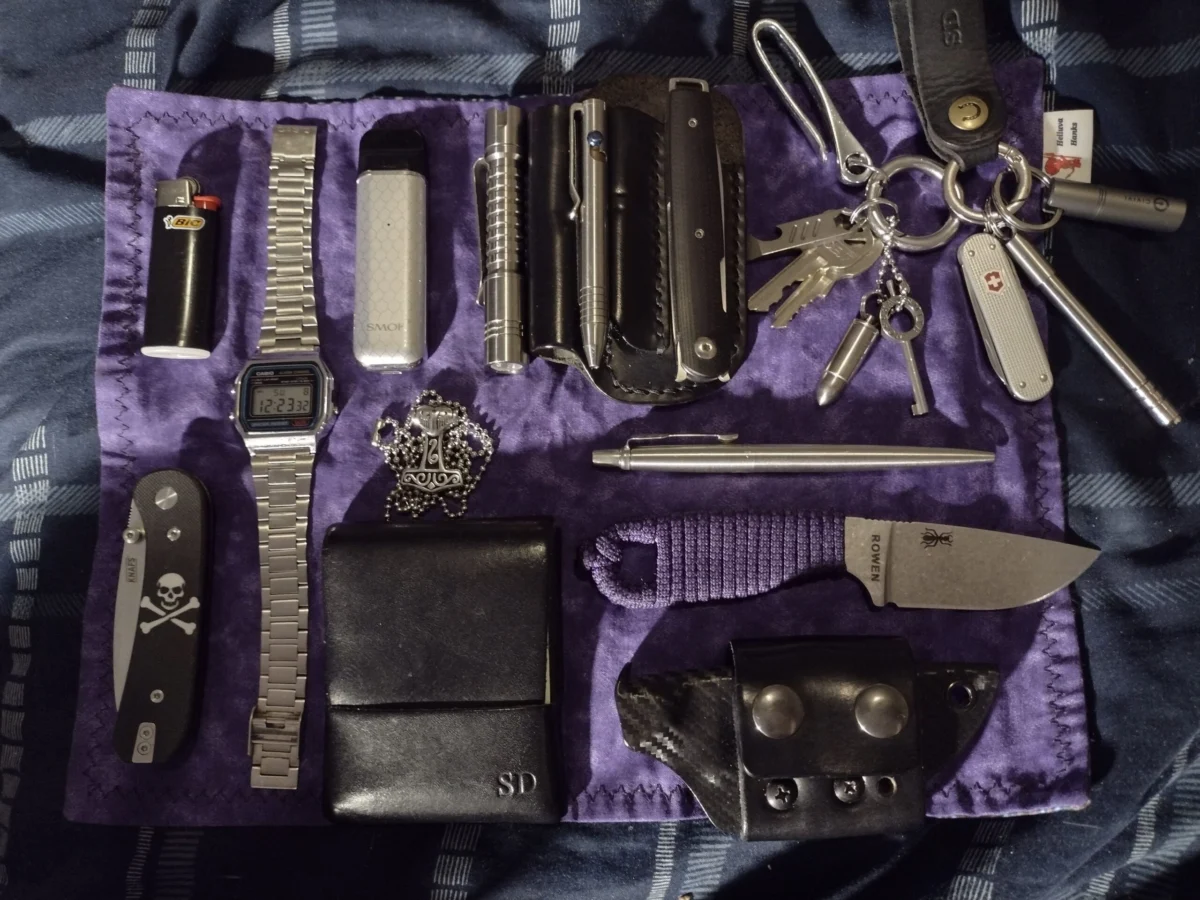
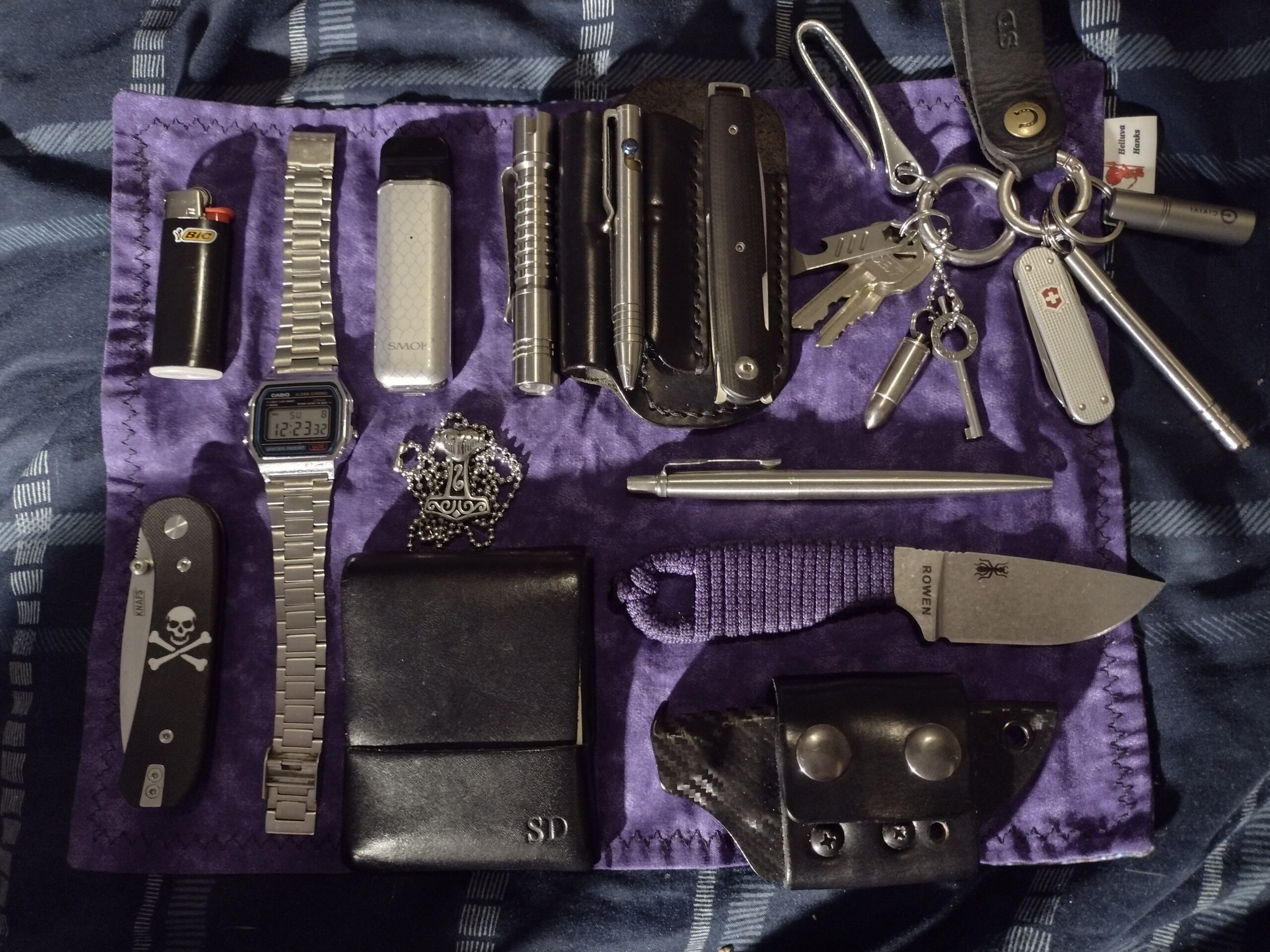
"As a cook, I literally have a different knife for every occasion," Stephen explains, noting that while one blade is dedicated to the heavy-duty task of breaking down boxes, it never touches food prep. This separation of concerns ensures that the high-carbon or stainless steel blades used for protein and vegetable fabrication remain sterile and razor-sharp, while the utility folders handle the abrasive textures of industrial packaging. This "four-knife" system—comprising three folding knives and one fixed-blade ESEE Izula—represents a calculated response to the diverse mechanical challenges of the modern kitchen.
Technical Specifications of the Primary Toolset
The centerpiece of Stephen’s carry is the ESEE Izula, specifically the S35VN steel variant. The Izula, named after the "Isula" or "Bullet Ant" of the Peruvian jungle, is renowned in the survival and bushcraft communities for its durability and compact profile. By choosing the S35VN version, Stephen has opted for a high-end martensitic stainless steel that offers a superior balance of toughness, edge retention, and corrosion resistance. In a kitchen environment characterized by high humidity, fluctuating temperatures, and exposure to acidic cleaning agents, the metallurgical properties of S35VN are essential. The fixed-blade nature of the Izula provides a level of structural integrity that folding knives cannot match, making it the "workhorse" of the collection.
Supporting the fixed blade are three folding knives, including selections from Knafs and Boker. The Knafs folder serves as a versatile general-purpose tool, designed by industry veteran Ben Petersen with a focus on "clean" geometry and ease of maintenance. The Boker knife, described as a "slim gent’s knife," offers a more discreet profile for tasks that require finesse or for use in environments where a larger tactical blade might be seen as intrusive. This tiered approach allows the user to scale their response based on the task at hand, from opening a delicate shipment of produce to cutting through thick nylon strapping.
Writing Instruments and Documentation Systems
Beyond the cutlery, Stephen’s EDC includes a dual-pen system that reflects a balance between heritage reliability and modern engineering. The first is the Parker Jotter, an icon of industrial design that has remained in continuous production since 1954. Constructed from all-stainless steel, the Jotter is valued for its "clicky" reliability and its ability to withstand the rigors of a kitchen where plastic pens often snap or leak under heat.
The second writing instrument is a premium titanium bolt-action pen. Titanium is prized in the EDC community for having the highest strength-to-density ratio of any metallic element, making it nearly indestructible while remaining lightweight. The bolt-action mechanism is particularly favored by professionals because it eliminates the risk of a pen accidentally opening in a pocket—a common issue with traditional cap-based or twist-action pens. In the fast-paced environment of a Minnesota kitchen, where orders must be marked and inventory tracked with precision, these tools provide a level of tactile feedback and reliability that standard office supplies cannot provide.
Ergonomics and the Logistics of Weight Management
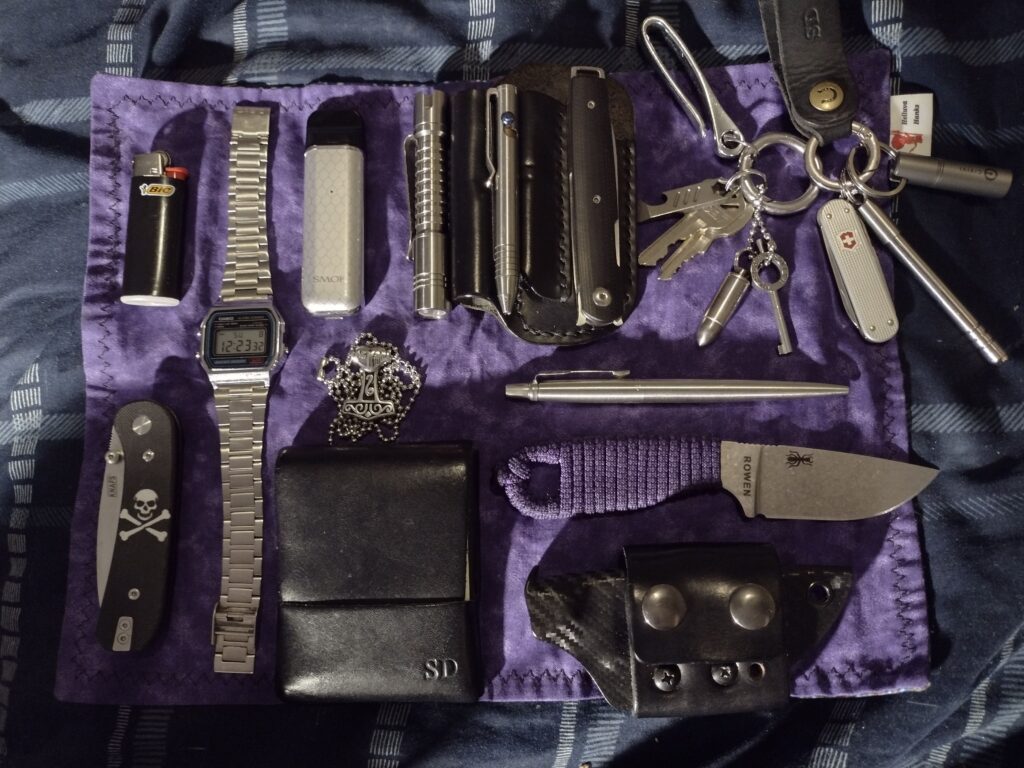
Carrying four knives, two pens, and additional keychain accessories presents a significant ergonomic challenge. A full-time cook is frequently in motion—leaning over prep tables, reaching for high shelves, and navigating narrow corridors. To mitigate the physical burden and prevent pocket clutter, Stephen utilizes leather sheaths and consolidated keychain systems.
The use of leather is a strategic choice; unlike Kydex or plastic, leather breaks in over time, molding to the user’s body and providing a silent, secure carry. By allowing certain tools to "hang off the body" rather than sit at the bottom of a pocket, Stephen distributes the weight more evenly across his belt line. This prevents the "pocket sag" that can lead to hip discomfort during a ten-hour shift and ensures that every tool is indexed in a consistent location for rapid, muscle-memory retrieval.
The Economic Impact of the Professional EDC Market
Stephen’s gear selection also reflects the broader economic trends within the knife and tool industry. The market for high-end EDC gear has seen explosive growth over the last decade, transitioning from a niche hobby into a multi-billion dollar global industry. According to market analysis, the global pocket knife market alone is expected to continue growing at a steady CAGR (Compound Annual Growth Rate), driven by a demand for premium materials like S35VN, M390, and MagnaCut steel.
This shift is fueled by "prosumers"—professionals like Stephen who are willing to invest in tools that cost significantly more than the baseline but offer a lower "total cost of ownership" due to their longevity and performance. For example, while a Parker Jotter can be acquired for under $10, the titanium bolt-action pen and the S35VN Izula represent a much higher initial investment. However, in a professional setting, the failure of a cheap tool can result in lost time or even injury, making the premium for high-quality gear a logical business expense.

Chronology of Gear Integration in the Culinary Trade
The integration of tactical and survival gear into the culinary world has followed a distinct timeline:
- The 1990s – Early 2000s: Cooks primarily relied on basic utility cutters or cheap "box cutters" provided by the employer. EDC was largely synonymous with "pocket knives" used for camping.
- 2010 – 2015: The "EDC Movement" gained traction on social media platforms. Professionals began discovering brands like ESEE and Boker through online forums, realizing these tools outperformed standard kitchen utility blades.
- 2018 – Present: The rise of "Maker Culture" and specialized brands like Knafs. Trade-specific carry becomes a point of professional pride. High-performance steels (like S35VN) become the expected standard for "work" knives.
Implications for Workplace Safety and Efficiency
The adoption of a specialized EDC kit by a full-time cook has several positive implications for the hospitality industry at large. First, it promotes a culture of tool maintenance and respect, which often translates to better care of the house-owned kitchen equipment. Second, it enhances safety; a sharp, well-maintained knife is ironically safer than a dull one, as it requires less force to cut and is less likely to slip.
Furthermore, the focus on cross-contamination prevention through tool separation aligns with modern health department standards. By documenting and sharing these carry systems, professionals like Stephen contribute to a broader knowledge base, encouraging younger cooks to think critically about how they interact with their environment.
In conclusion, the everyday carry of a Minnesota cook is more than a collection of gadgets; it is a specialized kit designed for the rigors of a specific trade. Through the use of high-grade materials, ergonomic carry solutions, and a strict adherence to sanitary protocols, Stephen demonstrates that the right tools not only make the job easier but also elevate the standard of the profession itself. As the EDC market continues to evolve, the crossover between tactical durability and professional utility will likely become even more pronounced, defining the next generation of tradecraft.