The root causes of these disturbances range from fundamental wiring errors and ground loops to sophisticated electromagnetic interference (EMI) and radio frequency interference (RFI). Fortunately, a systematic approach to troubleshooting—utilizing tools ranging from $10 ferrite beads to $900 line-interactive uninterruptible power supplies (UPS)—can effectively isolate and eliminate these signal degradations. Understanding the physics of electrical noise is the first step toward reclaiming the "black background" essential for immersive audio and pristine video.

The Primary Culprit: Understanding and Neutralizing Ground Loops
Ground loops remain the most prevalent cause of audio hum and video artifacts in residential settings. This phenomenon occurs when multiple components in an interconnected system are plugged into different AC outlets, creating multiple paths to the Earth’s ground. Because there is often a slight difference in electrical potential (voltage) between these different ground points, a low-level current begins to flow through the shielding of the signal cables—such as RCA, HDMI, or coaxial wires.
This loop effectively transforms the entire cable network into a large antenna that is highly susceptible to electromagnetic induction, typically manifesting as a 60Hz hum (in North America) or a 50Hz hum (in Europe/Asia). In video systems, this is often visible as "hum bars"—horizontal bands that scroll vertically across the screen.

Strategic Solutions for Ground Loops
To resolve a ground loop, the loop must be broken. The most efficient method is the implementation of a single-point ground. By powering all interconnected equipment from a single high-quality power strip or surge protector plugged into one wall outlet, the potential difference is eliminated. Most modern home theater configurations can safely operate on a single 15-amp or 20-amp circuit, provided the total wattage does not exceed the circuit breaker’s capacity.
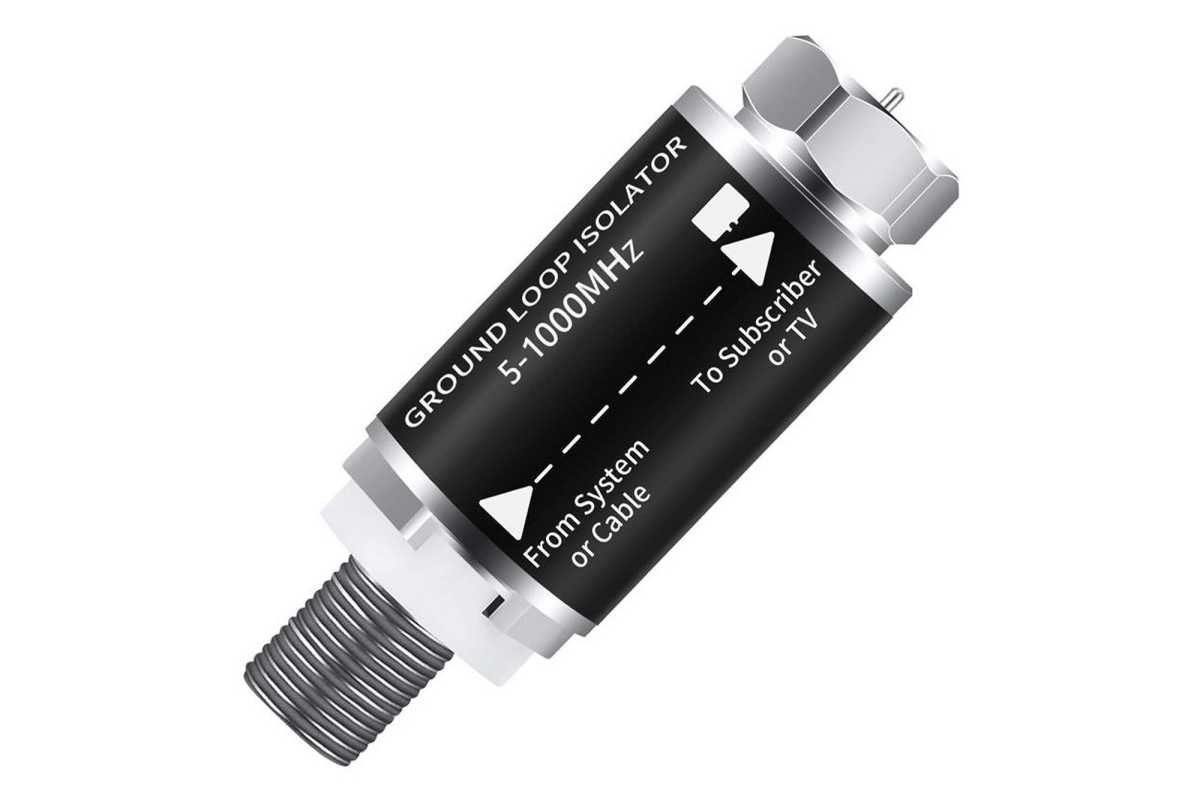
For scenarios where a single outlet is unreachable—common with powered subwoofers located across a room—specialized hardware is required. The Ebtech Hum X ($80) is a widely recognized solution that filters low-voltage fluctuations from the ground line without compromising safety. Conversely, for coaxial signals from cable providers or over-the-air antennas, a ground loop isolator like the TII 220 ($16) can be installed inline to prevent the external cable ground from interfering with the internal house ground.

Managing AC Line Noise and Transient Interference
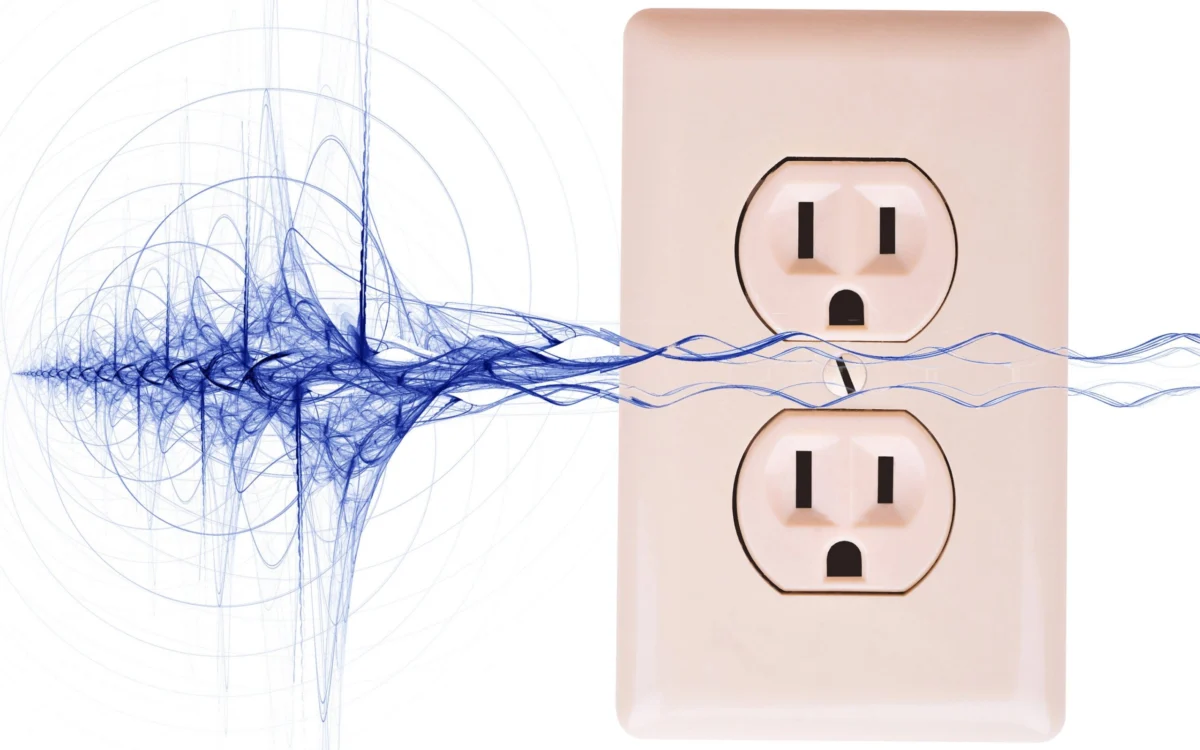
While ground loops are a matter of system architecture, AC line noise is a matter of environmental contamination. The electrical grid inside a home is shared by a variety of devices that "pollute" the sine wave of the alternating current. Motors found in vacuum cleaners, hair dryers, and blenders, as well as the switching power supplies in LED dimmers and failing fluorescent ballasts, introduce high-frequency noise into the line.
This interference can be audible as pops or crackles when an appliance cycles on, or as a persistent "hiss" that raises the noise floor of a sensitive audio amplifier.

The Role of Advanced Power Conditioning
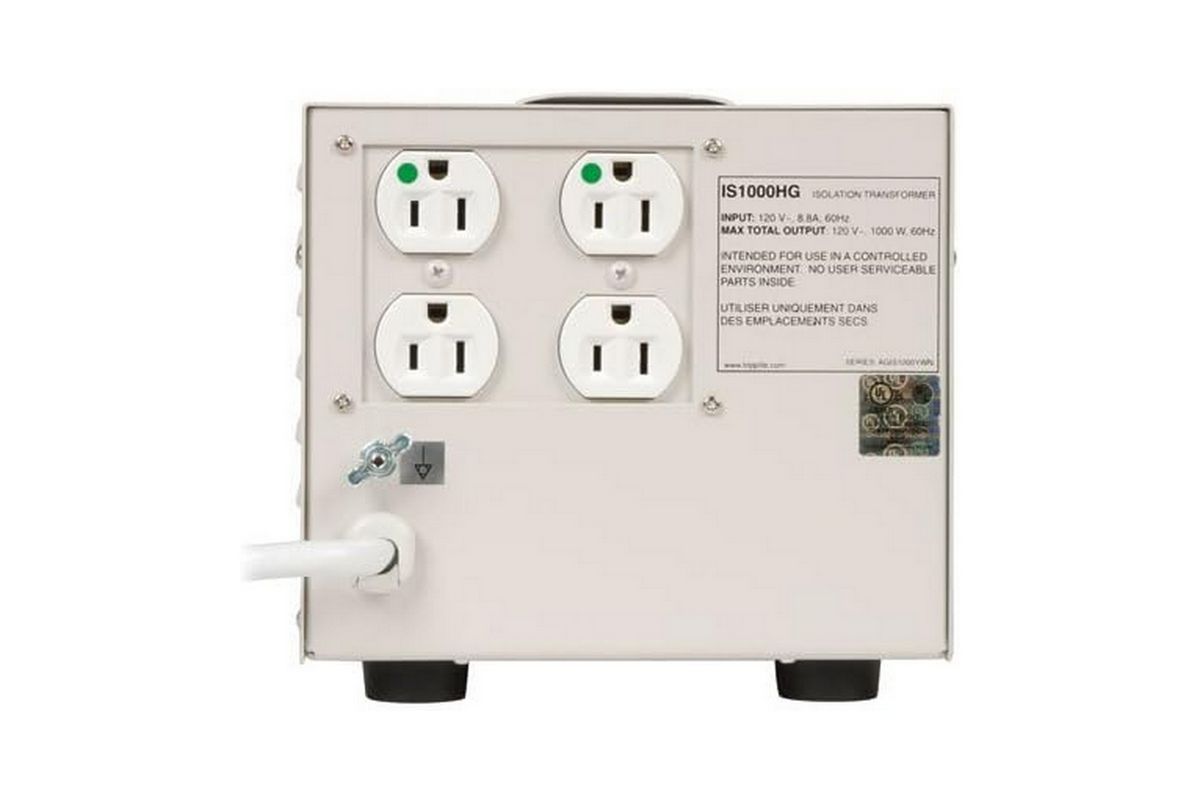
For users seeking professional-grade power, the industry standard involves the use of isolation transformers or line-interactive UPS systems. An isolation transformer, such as the Tripp Lite IS1000HG ($510), uses electromagnetic induction to transfer power from the wall to the equipment while physically decoupling the two. This "hospital-grade" approach ensures that no DC offset or high-frequency noise passes through to sensitive diagnostic or audio equipment.
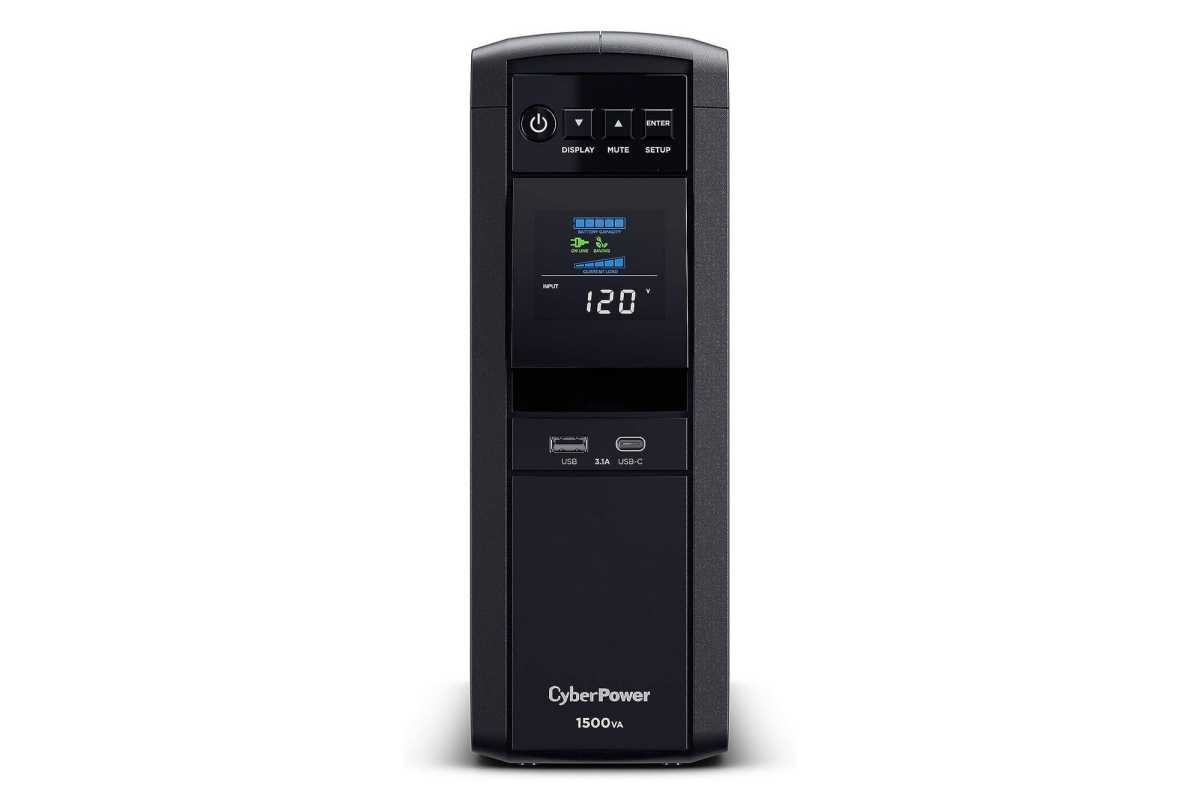
Alternatively, a line-interactive UPS like the CyberPower CP1500PFCLCD ($250) or the high-end Tripp Lite SU1000XLCD provides "double conversion." This process converts incoming AC to DC to charge a battery, then uses an inverter to create a fresh, pure sine wave AC output. This effectively "washes" the electricity, removing all artifacts of the external grid. While standby UPS systems are cheaper, they only engage during power failures, making them ineffective for active noise filtration.
Cable Integrity and the Physics of Shielding
The physical wires connecting components act as the nervous system of an A/V setup, and their placement is as critical as their quality. A common mistake in home theater cable management is the parallel routing of high-voltage power cords alongside low-voltage signal cables. This proximity allows the 60Hz magnetic field of the power cord to "jump" into the signal wire, inducing hum.
Balanced vs. Unbalanced Connections
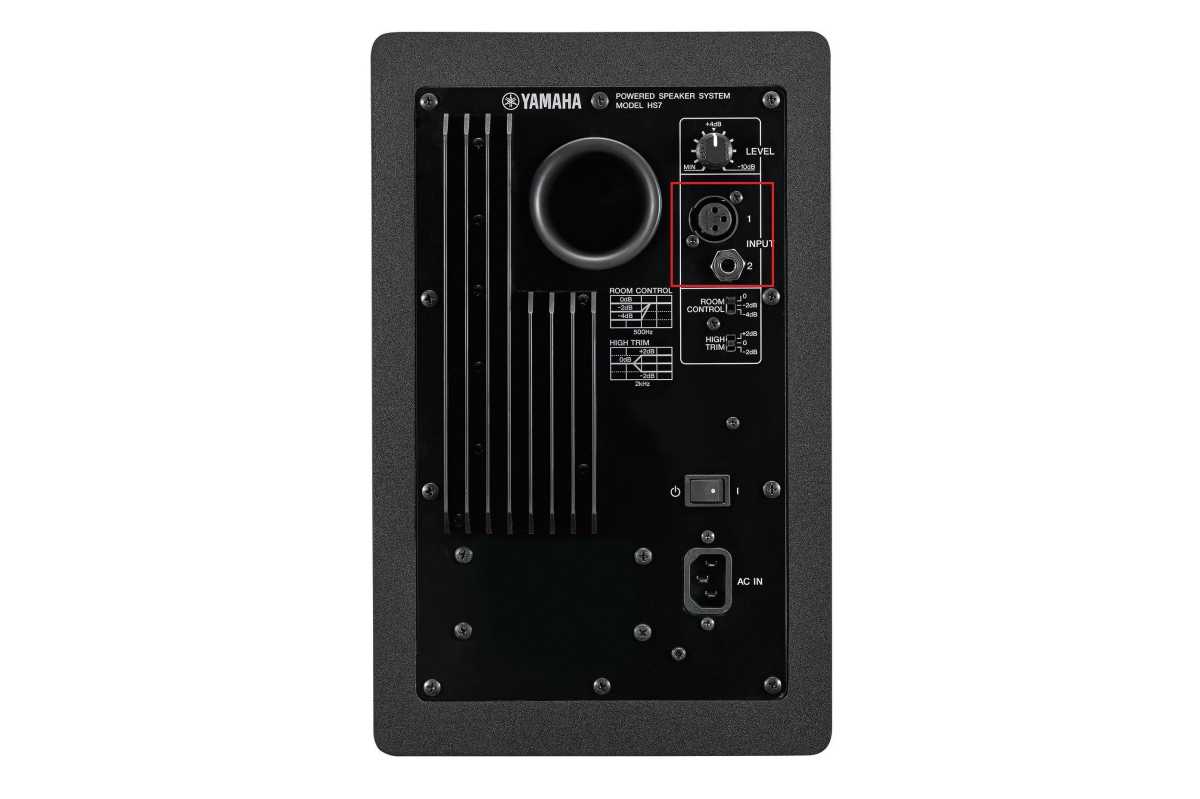
In the professional audio world, the standard solution is the use of balanced cables (XLR or TRS). Unlike standard RCA cables, which use one signal wire and a ground shield, balanced cables use two signal wires carrying the same information but with inverted polarity. At the receiving end, the signals are combined; any noise picked up along the length of the cable is phase-canceled out—a process known as Common Mode Rejection. Whenever equipment supports balanced connections, they should be utilized to ensure a near-silent noise floor.
Conductivity and the "Boutique Cable" Myth
A significant amount of misinformation exists regarding cable materials. While gold-plated connectors are valuable, it is not due to superior conductivity. Silver is the most conductive metal, followed closely by copper, then gold. Gold is used primarily because it does not oxidize (rust), ensuring a reliable connection over decades. Consumer-grade copper cables with gold-plated tips in the $10 to $20 range typically offer identical electrical performance to "boutique" cables costing hundreds of dollars, provided the shielding is adequate.
The Digital Frontier: RFI and USB/HDMI Noise
As home theaters become increasingly integrated with computers and wireless technology, Radio Frequency Interference (RFI) has become a primary concern. Computers generate massive amounts of internal high-frequency switching noise. When an audio interface or DAC (Digital-to-Analog Converter) is connected via USB, this electrical noise can travel through the cable’s shield, resulting in "digital hash" or static.
Mitigating Digital Interference
There are three primary methods for treating digital cable noise:
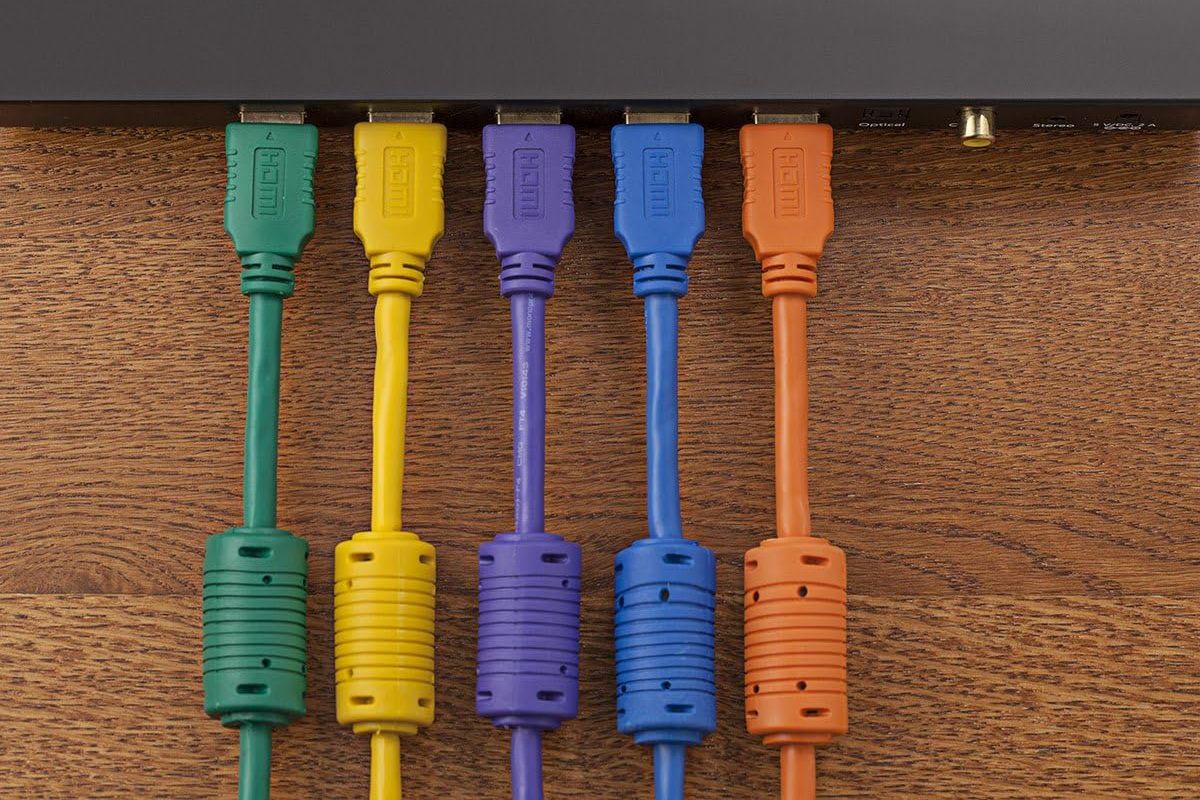
- Ferrite Beads: These small, inexpensive cylinders of iron (often seen as "lumps" on laptop chargers) act as low-pass filters, blocking high-frequency RFI from traveling down the cable.
- Ground Shunts: By running a secondary, lower-resistance wire between the chassis of a USB interface and the computer case, "stray" current can be diverted away from the sensitive data lines.
- Galvanic Isolation: High-end USB filters act as re-transmitters, physically breaking the electrical connection between the computer and the DAC while allowing the data packets to pass through via light or transformers.
Expert Analysis: The Growing Importance of the Noise Floor
Industry experts from the Audio Engineering Society (AES) note that as digital audio moves toward 24-bit and 32-bit resolutions, the "noise floor"—the level of background silence—becomes the limiting factor in audio quality. In an era where streaming services offer "Lossless" and "High-Res" audio, the presence of even a faint 60Hz hum can effectively reduce a high-resolution system to the performance level of a low-quality MP3.
Furthermore, the proliferation of Wi-Fi 6E and 5G signals in modern homes has increased the ambient RFI. Manufacturers like Yamaha and Tripp Lite have responded by increasing the thickness of steel chassis in their flagship receivers to create more effective Faraday cages—enclosures that block external electromagnetic fields.
Chronology of System Optimization
To effectively eliminate noise, a chronological troubleshooting process is recommended:
- Stage 1 (Isolation): Disconnect all inputs from the amplifier. If the noise persists, the issue is the power or the amplifier itself. If it disappears, reconnect devices one by one until the "noisy" component is identified.
- Stage 2 (Grounding): Move all identified components to a single power outlet using a high-quality power strip.
- Stage 3 (Shielding): Replace unshielded or damaged RCA cables and install ferrite beads on USB and HDMI lines.
- Stage 4 (Conditioning): If noise remains, introduce a line-interactive UPS or isolation transformer to treat the incoming AC power.
Broader Implications for the Smart Home
As homes become "smarter," the density of electronic devices per square foot continues to rise. This creates a challenging environment for traditional analog signals, such as those used by vinyl turntables or high-end tube amplifiers. The future of high-fidelity A/V may lie in "optical isolation," where signals are converted to light (Toslink or optical HDMI) to completely eliminate the possibility of electrical ground loops.
Until then, the diligent application of grounding principles, the strategic use of power conditioning hardware, and the proper management of cable architecture remain the essential tools for any enthusiast looking to achieve a truly pristine audio-visual experience. By treating electricity not just as a power source, but as a raw material that must be refined, users can ensure that the only noise they hear is the "joyful noise" of their favorite media.