






Thanksgiving, a federal holiday in the United States rooted in historical traditions of harvest celebrations, has evolved into the country’s most significant communal gathering. Beyond the turkey and the travel, the day serves as a rare temporal intersection where multi-generational family members convene in a single location. For professional photographers and hobbyists alike, this presents a unique challenge: balancing the desire to document the event with the need to participate in the experience. While professional photographers often view their craft through the lens of client work, the practice of capturing one’s own family history provides a distinct set of personal and archival benefits. As families change and evolve over the years, photographic documentation acts as a vital, tangible record of familial growth, serving as both a historical archive and a catalyst for future nostalgia.

The Evolution of Holiday Documentation
The history of domestic photography has shifted significantly over the last two decades. According to data from the industry research firm Keypoint Intelligence, the proliferation of high-end smartphone sensors and integrated social media platforms has increased the average volume of photos taken during holiday periods by nearly 300% since 2010. Despite this surge in quantity, professional photography organizations note a decline in the intentionality behind these images. The transition from physical film archives to digital cloud storage has led to a "data deluge," where images are captured but rarely curated or reviewed. The current trend in family photography emphasizes "lifestyle" storytelling—a shift from the rigid, posed portraiture of the mid-20th century to a documentary approach that prioritizes authenticity and narrative flow.
Chronological Documentation of the Thanksgiving Narrative
For those looking to capture a comprehensive record of the holiday, it is helpful to structure the day into distinct phases. A chronological approach ensures that the narrative of the event is fully preserved.
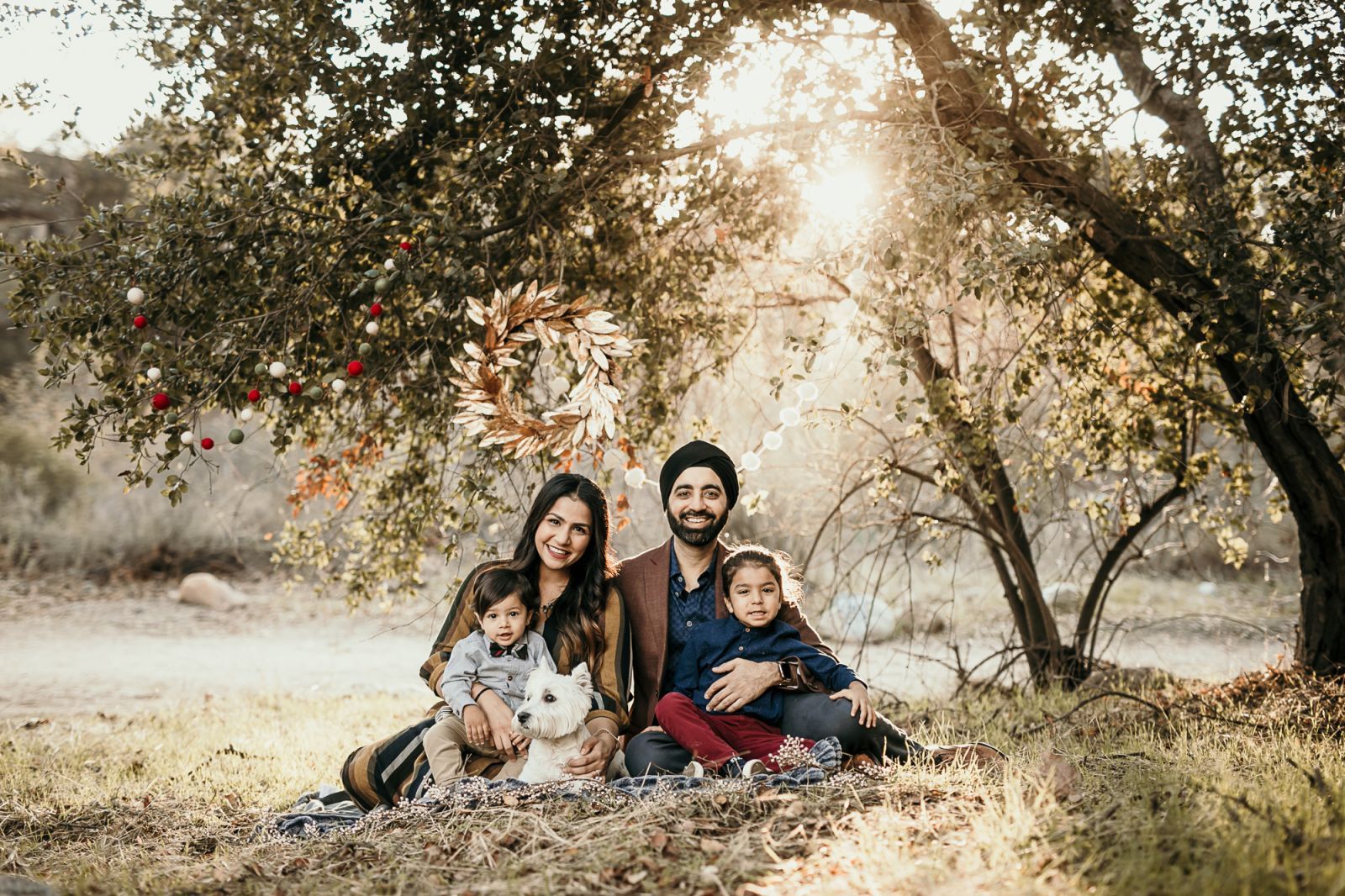
- The Pre-Event Window (Morning): This is the ideal period for formal portraits. Before the stress of kitchen logistics peaks, the natural light is typically at its most flattering. Scheduling a 30-minute window for a small, informal photoshoot ensures that every family member is present and composed.
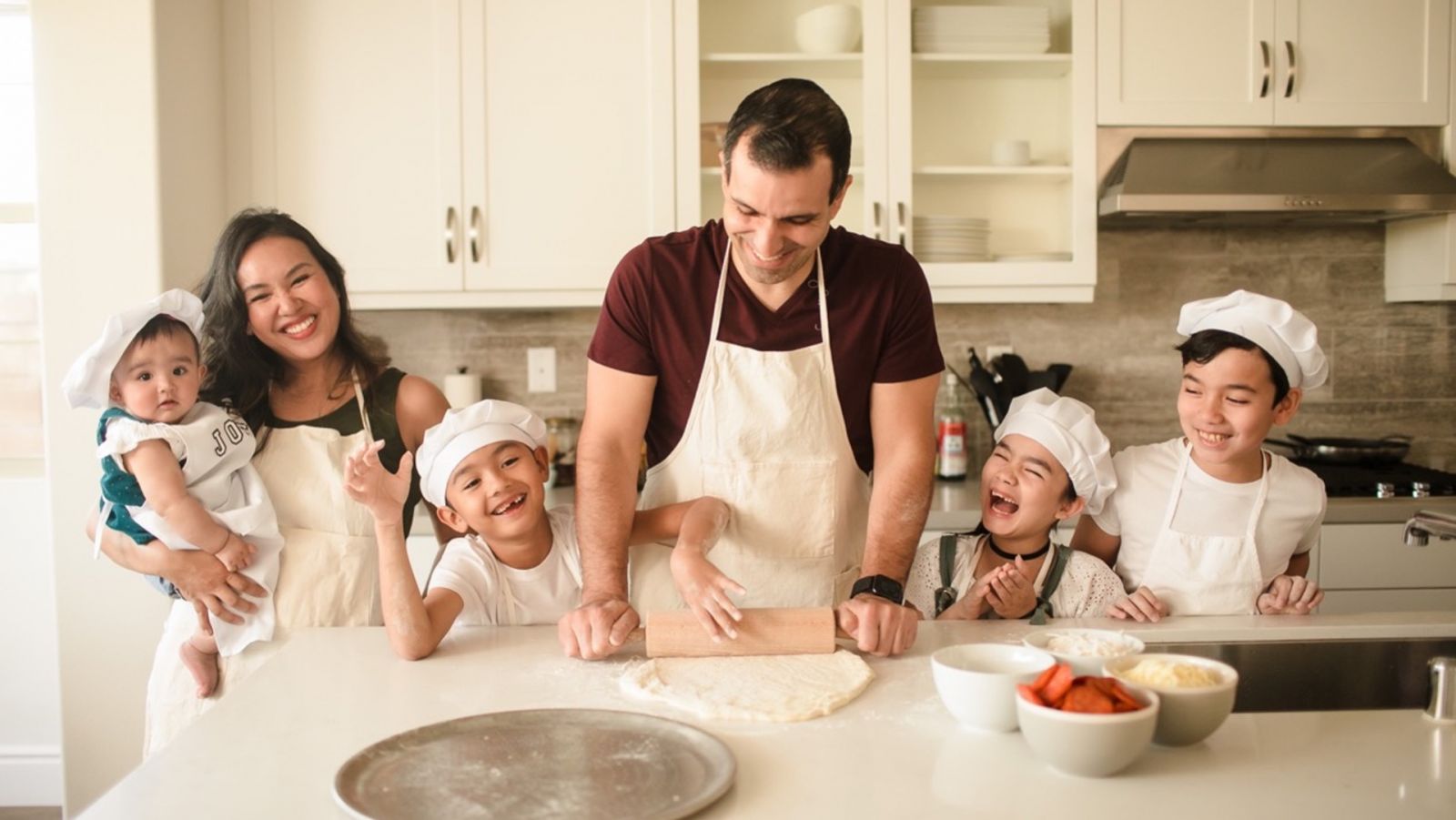
- The Preparation Phase (Mid-Day): The kitchen serves as the social epicenter of the holiday. Documenting the collaborative process of food preparation—often a multi-generational effort—captures the essence of domestic cooperation and shared legacy.
- The Culinary Display (Afternoon): The transition from the kitchen to the dining table represents the culmination of the day’s labor. Food photography, often considered a specialized discipline, serves here as an archival record of family recipes and traditions that may change over time.
- The Evening Gathering (Nightfall): The post-meal period, characterized by more relaxed interactions, provides the best opportunity for candid, reactive photography.
Technical Strategies for Professional-Grade Results
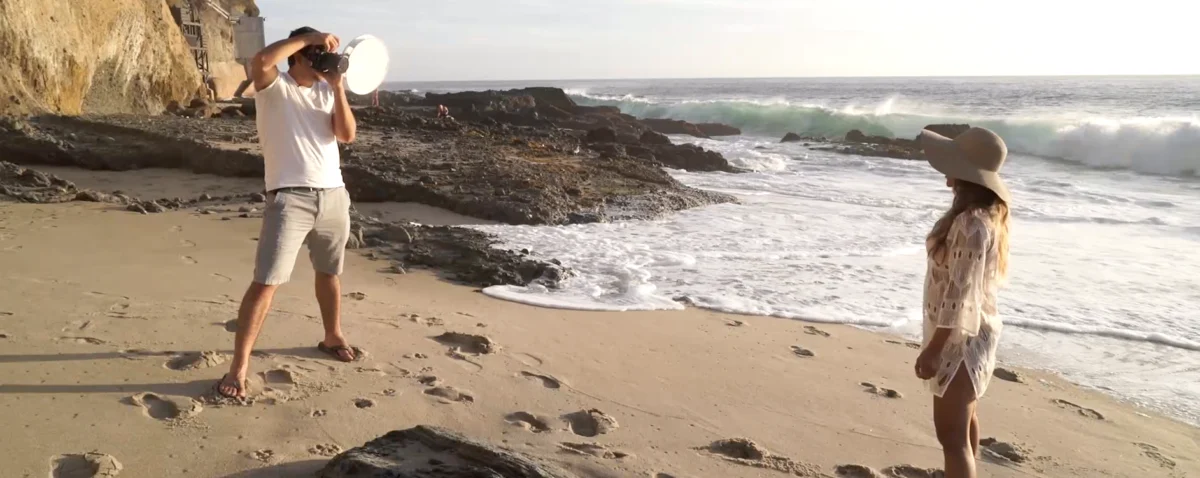
Achieving high-quality imagery during a chaotic family event requires preparation that balances technical skill with social awareness. Professional photographers often recommend the use of prime lenses with wide apertures to isolate subjects from the cluttered backgrounds typical of holiday homes.
1. The Strategic Family Photoshoot
Planning a deliberate session is essential for posterity. Professionals suggest using a tripod to ensure the photographer can be included in the frame. By treating the holiday as a "client" project, the photographer can ensure that all family members are captured, including those who are typically behind the camera. This acts as a structural anchor for the family’s visual timeline, allowing for consistent comparisons of growth and aging over successive years.

2. The Aesthetic of Cohesion
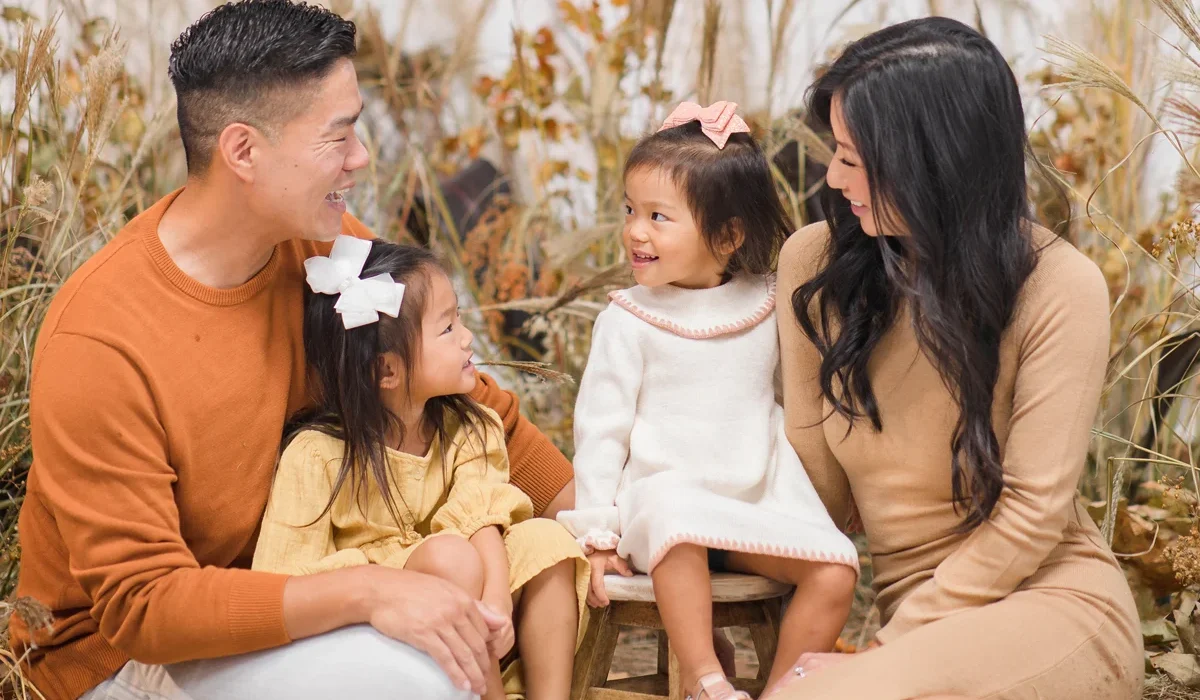
The use of coordinated apparel is a recognized strategy in professional portraiture to reduce visual noise. While full matching outfits can appear dated, "color-coordinating" within a specific seasonal palette—such as muted earth tones, deep reds, or forest greens—creates a cohesive visual theme. This uniformity ensures that when images are displayed in a gallery or digital album, they appear as a singular, unified story rather than a disparate collection of snapshots.
3. Documenting the Culinary Labor
The preparation of the Thanksgiving meal is frequently the most labor-intensive aspect of the holiday. From an anthropological perspective, these images document domestic life and cultural transmission. Photographers are advised to focus on the details: the hands of a grandparent teaching a recipe, the steam rising from a dish, and the communal effort of plating. These images offer a "behind-the-scenes" look at the holiday that is often overlooked in favor of the final, polished result.
4. The Significance of Food and Table-Setting Imagery
Food photography has become a significant cultural marker, with social media platforms driving a standardized aesthetic for the "perfect" meal. However, in a family context, the value of the photo lies in its ability to trigger sensory recall. A photograph of a specific family recipe can, for future generations, evoke the memory of the taste and smell of the home. It is recommended to capture the table from multiple angles—both the wide-angle view of the entire spread and the macro details of specific dishes—to provide a complete sensory experience.
5. Mastering the Candid Aesthetic
The most poignant images are frequently those where the subject is unaware of the camera. The transition from posed to candid photography is critical for documenting genuine personality. Professional advice suggests remaining "in the moment" rather than constantly looking for the next shot. By keeping a camera or smartphone easily accessible, the photographer can wait for the moments of laughter, conflict, or quiet contemplation that define the family’s character.

Implications and Professional Perspectives
Experts in photography education, such as those at SLR Lounge, emphasize that the skills practiced during holiday gatherings are directly transferable to professional work. The ability to manage lighting in a residential setting, direct family members, and compose images under pressure constitutes the core curriculum of family photography workshops.
"The best way to develop your creative muscle is to treat your own family with the same level of care you would provide to a paying client," says a representative from a leading photography education workshop. "When you document your own history, you are building an archive that gains value over time."

Conclusion: The Lasting Impact
The act of photography during Thanksgiving is more than a creative exercise; it is an act of preservation. As digital technology continues to evolve, the challenge for families will not be in the technical capability to take photos, but in the intentionality to store and curate them effectively. By incorporating these five strategies—structured portraiture, thematic coordination, process documentation, culinary appreciation, and candid storytelling—families can ensure that their holiday memories are preserved with the clarity and sentiment they deserve. This documentation ensures that the narrative of the family—the recipes, the faces, and the evolving traditions—remains accessible to future generations, long after the physical feast has concluded.