










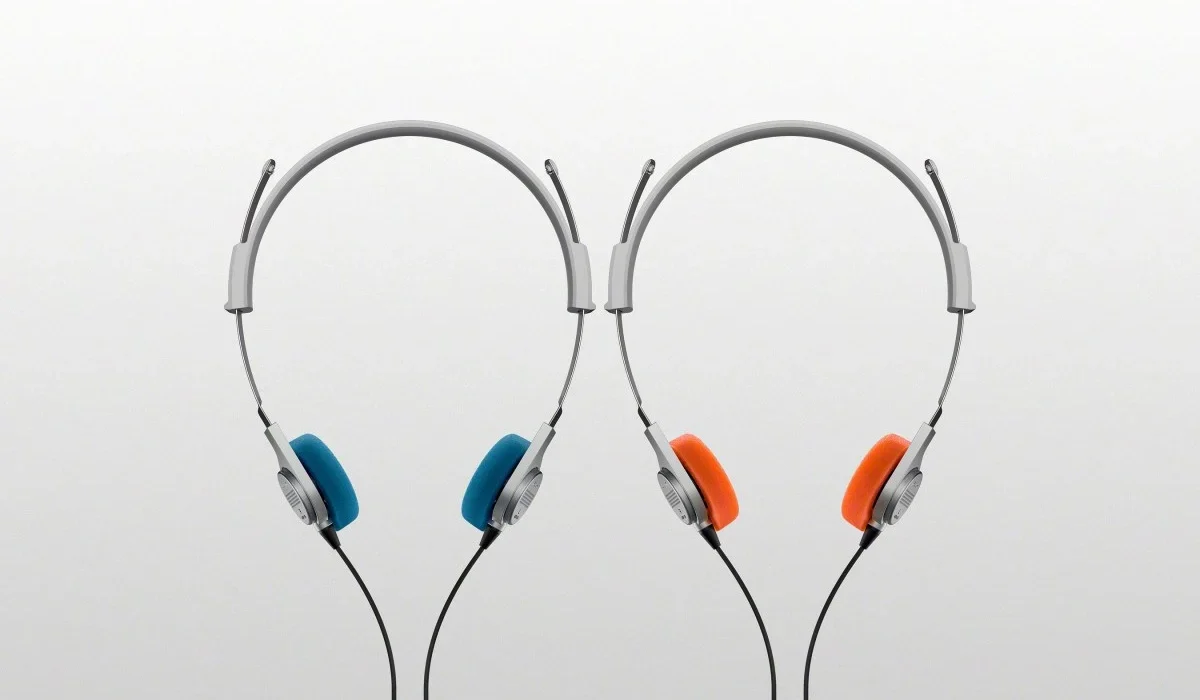
The landscape of personal audio has undergone a seismic shift since the late 1970s, transitioning from the mechanical whir of magnetic tape to the ubiquitous world of high-resolution digital streaming. Yet, in a nod to the era that redefined how humanity consumes music, Sony has announced the release of the MDR-3R, a faithful recreation of the iconic MDR-3 headphones that debuted alongside the revolutionary Walkman TPS-L2 in 1979. By marrying the aesthetic sensibilities of the disco and post-punk era with modern connectivity standards, Sony is positioning this product not merely as a nostalgia play, but as a functional piece of hardware for the contemporary audiophile.
A Historical Retrospective: The Genesis of Mobile Audio
To understand the significance of the MDR-3R, one must first appreciate the cultural impact of its predecessor. In 1979, the concept of a portable music player was nonexistent in the mainstream market. When Sony introduced the TPS-L2 Walkman, it was accompanied by the MDR-3—a lightweight, supra-aural headphone set that prioritized comfort and portability over the heavy, studio-grade monitors of the time.
The MDR-3 was instrumental in changing the psychological relationship between listeners and their music. Before the Walkman, listening to music was a localized activity, restricted to living rooms or cars. The MDR-3 enabled the soundtracking of one’s daily commute, a phenomenon that sociologists have since identified as a cornerstone of modern urban individualism. By re-releasing the design, Sony is tapping into a broader trend of "retro-futurism," where heritage design is updated with just enough modern technology to be compatible with current hardware.

Design Specifications and Technical Modernization
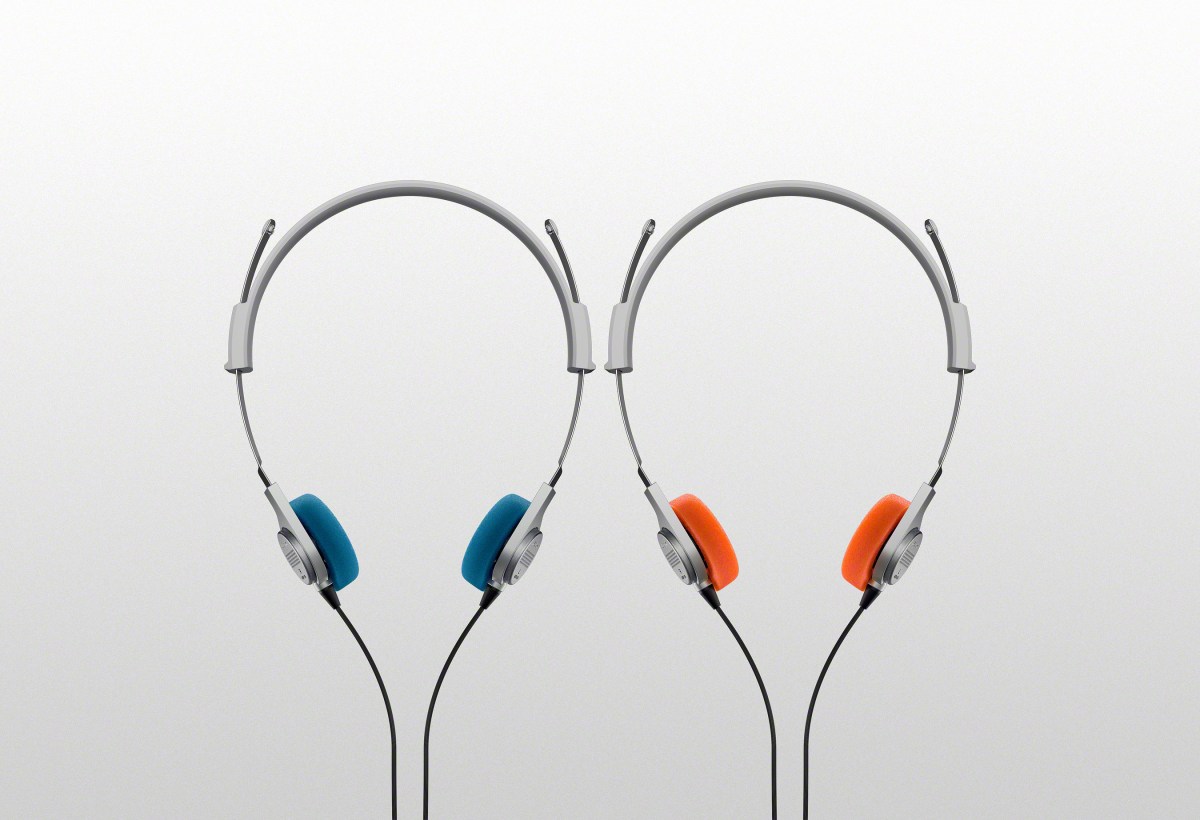
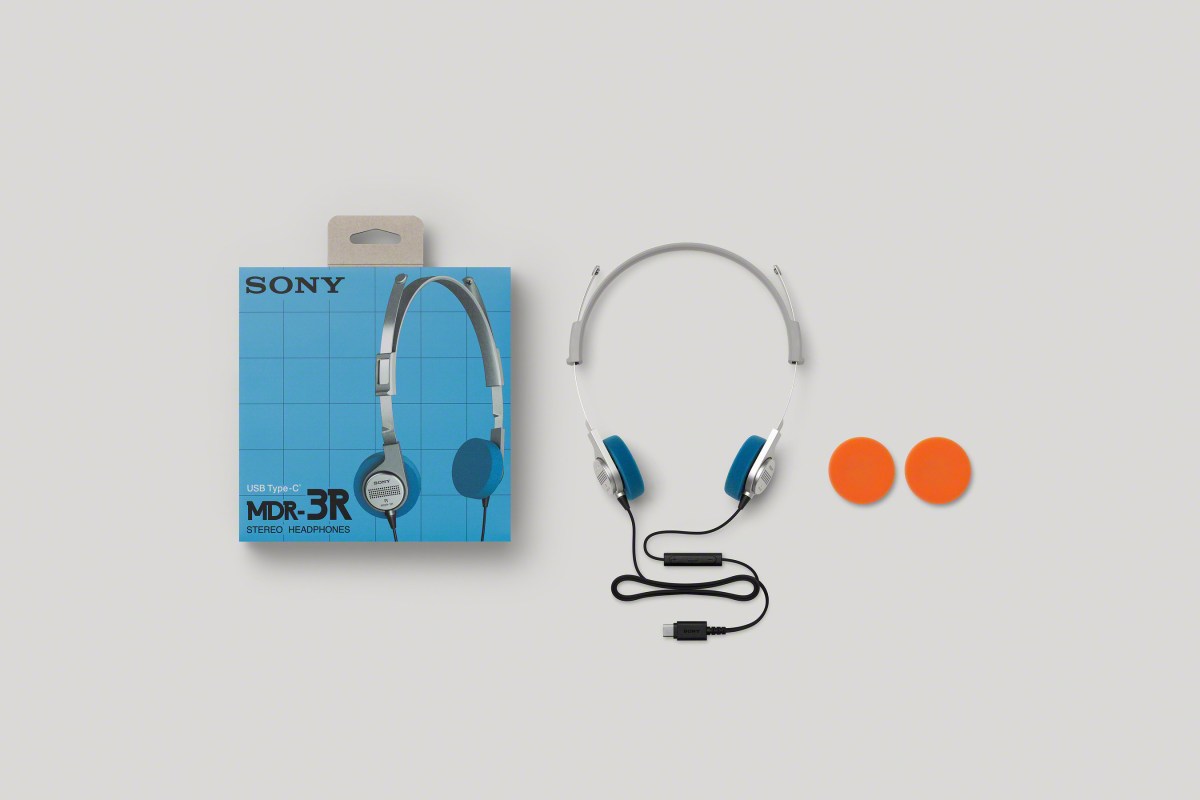
The MDR-3R maintains the signature lightweight, open-ear architecture that defined the original model. The build features the classic thin-metal headband and the iconic, swappable foam ear pads—originally released in a striking blue and orange combination. These pads are not merely decorative; they reflect a design philosophy centered on breathability and minimal pressure, which allowed early adopters to wear the device for hours without the fatigue associated with closed-back, over-ear designs.
Despite the vintage exterior, the internal components have been carefully balanced. The headphones utilize 23mm driver units, which replicate the original sound signature. Sony engineers have reportedly applied subtle refinements to these drivers to ensure they perform adequately when processing the compressed or high-resolution audio files prevalent in modern streaming services.
The most significant departure from the 1979 specifications is the integration of USB-C connectivity. This transition acknowledges the death of the 3.5mm headphone jack in most flagship smartphones. By including an in-line remote and a built-in microphone, the MDR-3R functions as a modern headset for teleconferencing and mobile communication, effectively bridging a 45-year gap in utility. Crucially, the device remains "plug-and-play," requiring no firmware updates, external batteries, or Bluetooth pairing, which preserves the simplicity of the analog user experience while embracing digital connectivity.
The Stranger Things Partnership and Pop Culture Influence
The resurgence of the MDR-3 design is not solely driven by Sony’s internal archives. A significant catalyst for this revival is the cultural footprint of the Netflix series Stranger Things. The show, which is set in the 1980s, has frequently utilized Sony hardware as a period-accurate prop to anchor its narrative in the Reagan era.
In response to the show’s immense popularity, Sony has launched a dedicated "Stranger Things Edition" of the MDR-3R. This version features an engraved logo, distinct red and black ear pads, and custom packaging designed to evoke the aesthetic of 1980s retail. This collaboration represents a strategic move by Sony to capture both the older demographic that owned the original MDR-3 and the younger generation of consumers whose interest in vintage tech has been piqued by period-piece media.
Market Implications and Industry Context
The launch of the MDR-3R arrives at a time when the consumer electronics market is experiencing a "vintage saturation" point. Competitors have experimented with similar revivals, but few possess the brand heritage of Sony. With a base price of $59.99 and the special edition retailing for $79.99, these headphones are positioned as an entry-level, lifestyle-oriented product rather than a professional studio tool.
From an economic perspective, this strategy serves several purposes for Sony:
- Brand Reinforcement: By highlighting the longevity of their industrial design, Sony reinforces its status as a pioneer in personal audio.
- Low-Cost Market Entry: The simplified nature of the MDR-3R, which lacks Active Noise Cancellation (ANC) or high-end wireless circuitry, allows for a more accessible price point compared to the company’s flagship WH-1000XM series.
- Inventory Utilization: Leveraging existing design schematics and tooling from the past reduces research and development costs while generating high consumer interest through nostalgia marketing.
Chronology of the Walkman Era and Its Legacy
- 1979: Sony releases the TPS-L2 Walkman and the MDR-3 headphones.
- 1980s: The "Walkman" becomes a ubiquitous term for portable cassette players, fundamentally shifting the music industry toward individual consumption.
- 1990s: The rise of the Discman and eventually the MP3 player begins to marginalize the cassette format.
- 2010s: The "Vinyl Revival" begins to gain traction, signaling a return to physical media and tactile audio experiences.
- 2020s: Stranger Things and other media projects drive a resurgence in 1980s aesthetics, leading to a spike in demand for "retro" electronics.
- 2024/2025: Sony formally announces the MDR-3R, bringing the legacy design into the USB-C era.
Analytical Outlook: Form vs. Function
The introduction of the MDR-3R presents an interesting case study in audio engineering. While modern consumer expectations generally favor heavy digital signal processing (DSP), high-fidelity wireless codecs like LDAC, and advanced ANC, there remains a vocal segment of the market that favors the "raw" sound of open-back drivers.
The MDR-3R is not designed to compete with the industry-leading noise-canceling headphones currently on the market. Instead, it offers a specific, "airy" soundstage that is difficult to replicate with modern, heavy earcups. By maintaining the 23mm driver size, Sony is betting that consumers will value the "authenticity" of the sound over the clinical precision of modern, algorithmically tuned headsets.
Furthermore, the decision to avoid wireless connectivity is a deliberate choice. In an era where users are constantly plagued by pairing issues, battery degradation, and firmware incompatibility, a wired, USB-C-connected headphone offers a level of reliability that is increasingly rare. It is a "no-nonsense" approach that aligns with the current "slow tech" movement—a growing consumer preference for devices that are simple, durable, and free from the complexities of the "Internet of Things."
Conclusion
The release of the Sony MDR-3R is a calculated blend of heritage and practicality. By successfully translating the iconic design of 1979 into the modern USB-C ecosystem, Sony has provided a product that satisfies the dual desires of aesthetic nostalgia and daily usability.
Whether the MDR-3R will lead to a broader trend of "heritage hardware" remains to be seen. However, the initial market response indicates that there is a robust appetite for products that honor the past without being tethered to its limitations. As these headphones hit retail shelves across the United States, they stand as a testament to the fact that good design is timeless—and that even in an era of wireless, hyper-complex devices, there is still a place for the simple, honest performance of a classic pair of headphones.