









This upcoming release represents a strategic pivot for Apple, moving beyond its traditional reliance on the iPhone and iPad as the primary controllers for HomeKit-enabled devices. By introducing a standalone piece of hardware designed specifically for environmental control, communication, and media consumption, Apple is signaling a renewed commitment to the "connected home" ecosystem, a segment that analysts have long argued was the missing piece in the company’s services-heavy business model.
A Design Language Rooted in Heritage
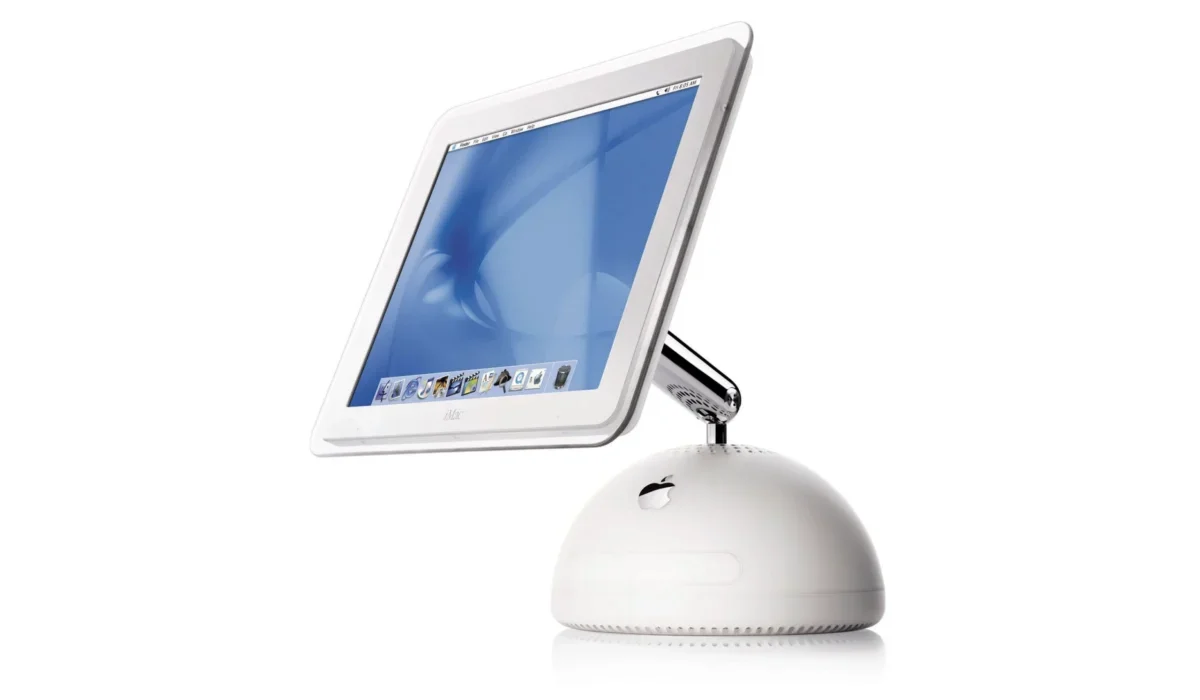
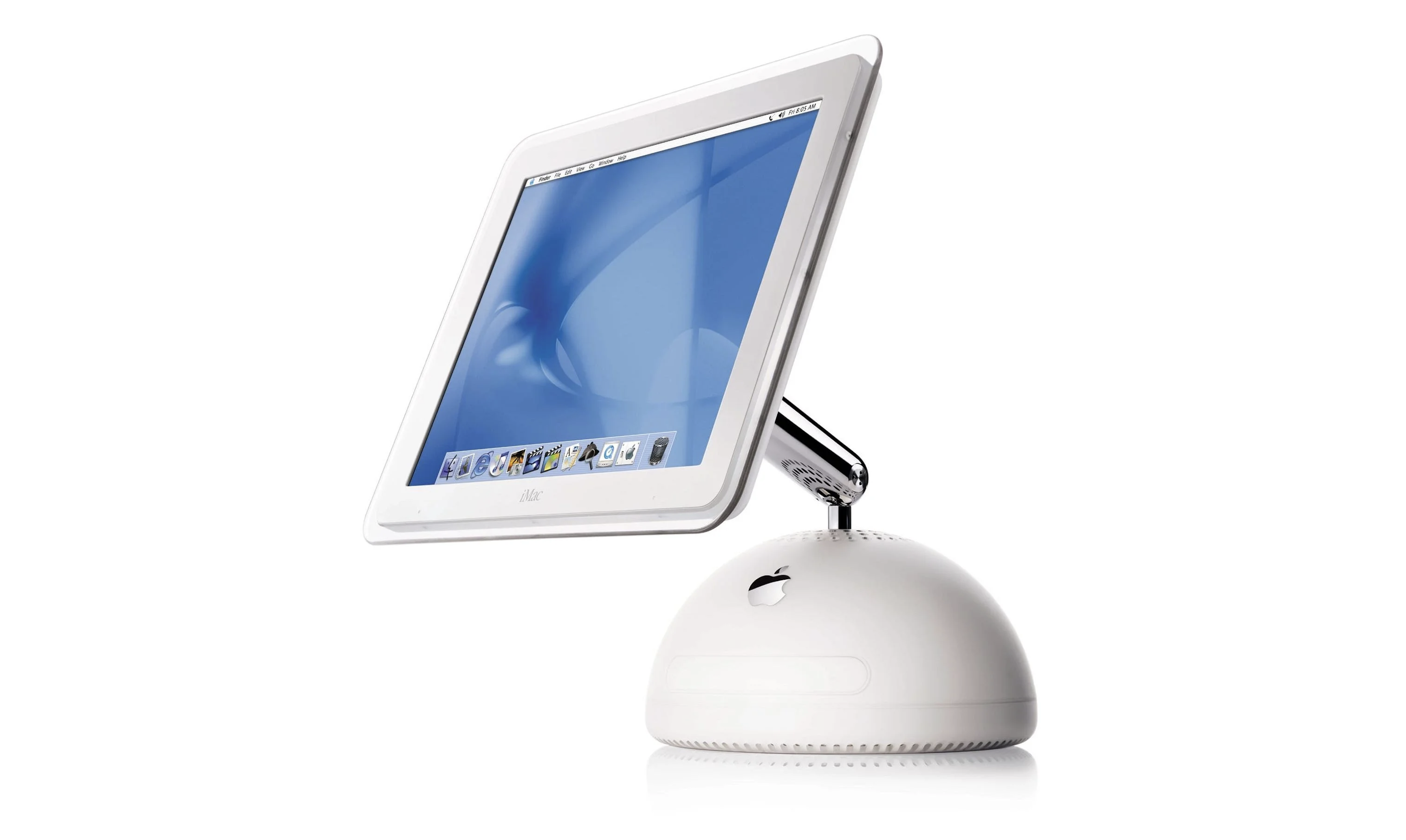
The hardware design of the new hub has generated significant interest among industry observers, largely due to its aesthetic connection to Apple’s design history. The primary model, which features a 6-inch square display, reportedly draws inspiration from the iconic iMac G4. Released in 2002, the iMac G4 was lauded for its revolutionary "sunflower" design, which featured a high-resolution display mounted on a flexible metal arm extending from a compact, semi-spherical base.
The new hub appears to modernize this concept for a smaller scale. Early specifications indicate that the device is approximately the thickness of an iPhone, suggesting a focus on portability and sleek integration into home decor. The display is framed by quarter-inch, black bezels—reminiscent of the aesthetic language found on earlier iPad models—and features rounded corners, creating a soft, tactile silhouette that lacks sharp edges. This departure from the industrial, utilitarian look of many current smart displays suggests that Apple is positioning the product as a premium home accessory rather than a purely functional gadget.
Chronology of the Development
The path to this launch has been marked by a long period of internal deliberation. For years, Apple has relied on the HomePod mini and the Apple TV as the de facto "hubs" for smart home automation. However, as competitors moved toward integrated screens, Apple’s lack of a visual interface for home management became increasingly apparent.

The development of this project, internally codenamed "J490," has been underway for several years. Initial reports suggested that Apple had considered a more ambitious robotic-arm-based smart display. While that larger, more complex project remains in the company’s R&D pipeline for a future release, the product arriving this month is clearly the more accessible, consumer-focused entry point.
The timeline for the launch has accelerated in recent months as Apple finalized the software stack for the device, which is expected to rely heavily on a specialized, stripped-down version of iOS optimized for glanceable information. Industry analysts note that this shift follows the release of Apple’s recent software updates, which have placed greater emphasis on "Home" integration across its entire hardware lineup, effectively priming the market for this dedicated controller.
Technical Specifications and Mounting Options
Beyond the flagship tabletop version, the report confirms the existence of a second, wall-mounted variant. This iteration is specifically designed for permanent installation, utilizing USB-C for power delivery. Unlike the tabletop model, which uses a more fluid base, the wall-mounted version features a thin, square-shaped base positioned beneath the display. This base is engineered to house the speaker arrays and microphone clusters necessary for Siri interaction, ensuring that the device remains flush against the wall while providing high-fidelity audio output.
Technical details regarding the display panel remain consistent with current high-end tablet standards, emphasizing brightness and touch responsiveness. The use of USB-C across both models marks a continuation of Apple’s transition away from proprietary connectors, ensuring that the devices can be powered by standard, widely available cabling—a move that likely addresses both environmental regulations and user convenience.
Market Context and Competitive Landscape
The smart home market is currently dominated by Amazon and Google, both of which have spent the last seven years refining their "Show" and "Hub" product lines. Data from market research firms suggests that while smart speakers saw explosive growth between 2017 and 2021, the market has since plateaued, with consumers now looking for devices that offer more visual utility.
Apple’s entry is not merely about hardware sales; it is about "stickiness." By providing a dedicated screen for the Home app, Apple can lower the friction associated with controlling lights, security cameras, and climate systems. Currently, a user must unlock their iPhone or iPad to access these controls. With the new hub, these features are perpetually available, which is expected to increase the utilization rate of HomeKit-enabled accessories.
Furthermore, Apple’s focus on privacy—a cornerstone of its marketing—will likely be a central differentiator. While Amazon and Google have faced scrutiny over data collection and voice recording practices, Apple is expected to emphasize on-device processing for many of the hub’s commands. This "privacy-first" approach is expected to appeal to a specific demographic of high-end users who are wary of the cloud-heavy data requirements of competing platforms.
Financial Implications for Apple
For investors, the success of this product line will be measured by its ability to drive adoption of the "Home" service category. While Apple does not break out revenue for specific small-scale hardware, the expansion of the smart home catalog is seen as a way to bolster the "Wearables, Home, and Accessories" segment.
Historically, this segment has performed well, but it has struggled to maintain the growth rates seen during the initial launch of the Apple Watch or AirPods. A successful smart home hub could reignite interest in this segment, potentially acting as a gateway for users to purchase additional Apple-certified smart home devices, such as smart locks, sensors, and thermostats.
Official Responses and Analyst Outlook
While Apple has maintained its traditional policy of not commenting on unreleased products, the industry reaction to the leaks has been largely positive. Analysts from firms such as Wedbush and Morgan Stanley have previously noted that Apple’s home strategy needed a "centerpiece."

"The smart home is the final frontier for Apple’s walled garden," says a lead technology analyst. "By creating a dedicated screen, they are effectively turning the living room into an extension of the iPhone experience. If they can nail the UI and maintain their standard for privacy, they could capture a significant share of the premium home automation market."
However, challenges remain. Apple must ensure that the software running on this hub is significantly more robust than the interfaces found on its competitors’ devices. If the user interface feels like a "scaled-down iPad" rather than a custom-built smart home dashboard, it may struggle to justify its likely premium price point compared to the deeply discounted Echo Show devices often bundled with other services.
Future Projections
As the launch window approaches, attention will shift to the integration of Apple Intelligence. It is highly probable that the new hub will serve as a vessel for advanced AI capabilities, allowing users to interact with their homes using more natural, context-aware language. This would represent a significant leap forward in home automation, moving from simple "on/off" commands to complex, situational awareness—such as the hub recognizing who is in the room and adjusting the temperature or lighting accordingly.
The launch, expected to take place in mid-October, will likely be accompanied by a broader update to the HomeOS software environment. This transition marks a critical moment for Apple, as it attempts to replicate the success it found in the smartphone and wearable markets within the complex, fragmented, and highly competitive landscape of the modern home.
Whether this product becomes a "must-have" or remains a niche accessory for the Apple-dedicated household will depend entirely on how seamlessly it bridges the gap between the complex world of smart home protocols and the intuitive, simplified user experience that is the hallmark of the Apple brand. As the clock ticks down to the official reveal, both consumers and competitors are watching to see if Apple can successfully redefine the home hub in its own image.