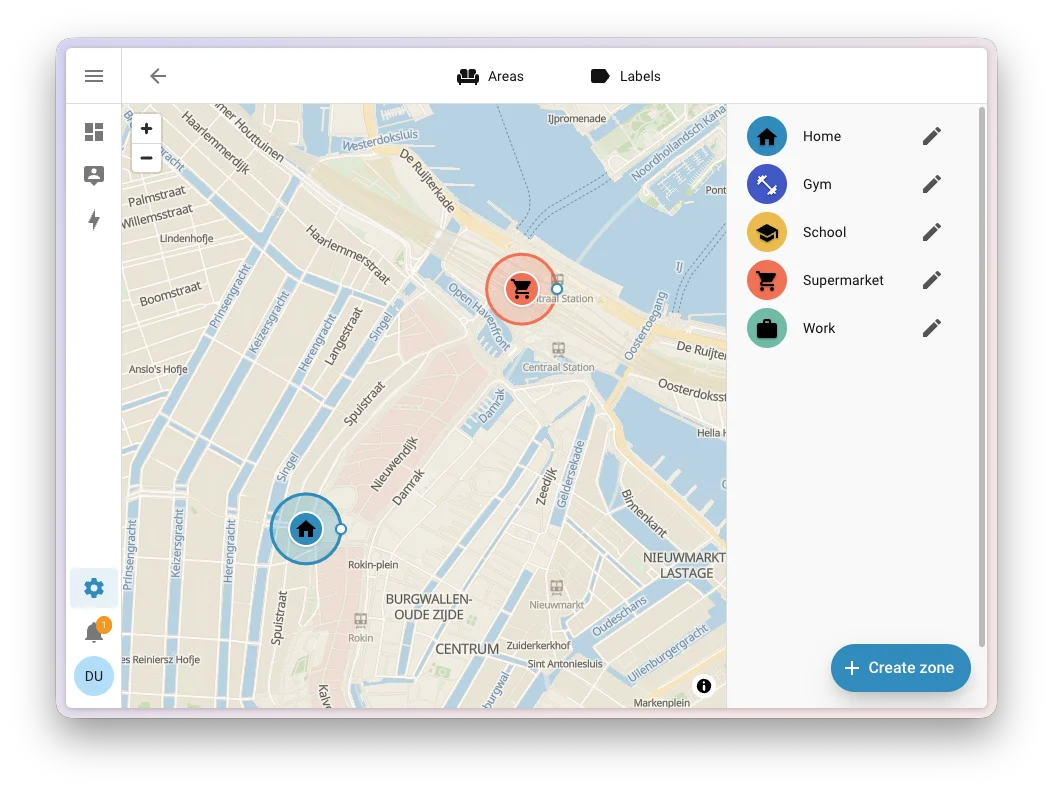
The open-source home automation platform Home Assistant has officially launched its October 2026 core release, version 2026.10, bringing a comprehensive suite of updates aimed at streamlining advanced automations, completely replacing its mapping engine, and introducing significant administrative overhauls. This latest update continues the platform’s multi-year trajectory toward lowering technical barriers for entry while expanding deep integration capabilities for local and privacy-focused smart home enthusiasts.
Among the headline updates in Home Assistant 2026.10 is a foundational rebranding initiative. Nabu Casa, the commercial entity behind Home Assistant, announced plans to pivot Home Assistant Cloud into Home Assistant Link, slated to take full effect in the December release. According to project maintainers, the rebranding is a direct statement against commercial smart home ecosystems that force proprietary cloud reliance, harvest user data, or render functional hardware into e-waste through corporate deprecation. To back up this privacy-first stance, Nabu Casa recently migrated its global infrastructure entirely to bare-metal servers, deploying a dynamic latency checker on system boot to automatically route remote traffic through the fastest available node.
Automation Refinements and Simplified Trigger IDs
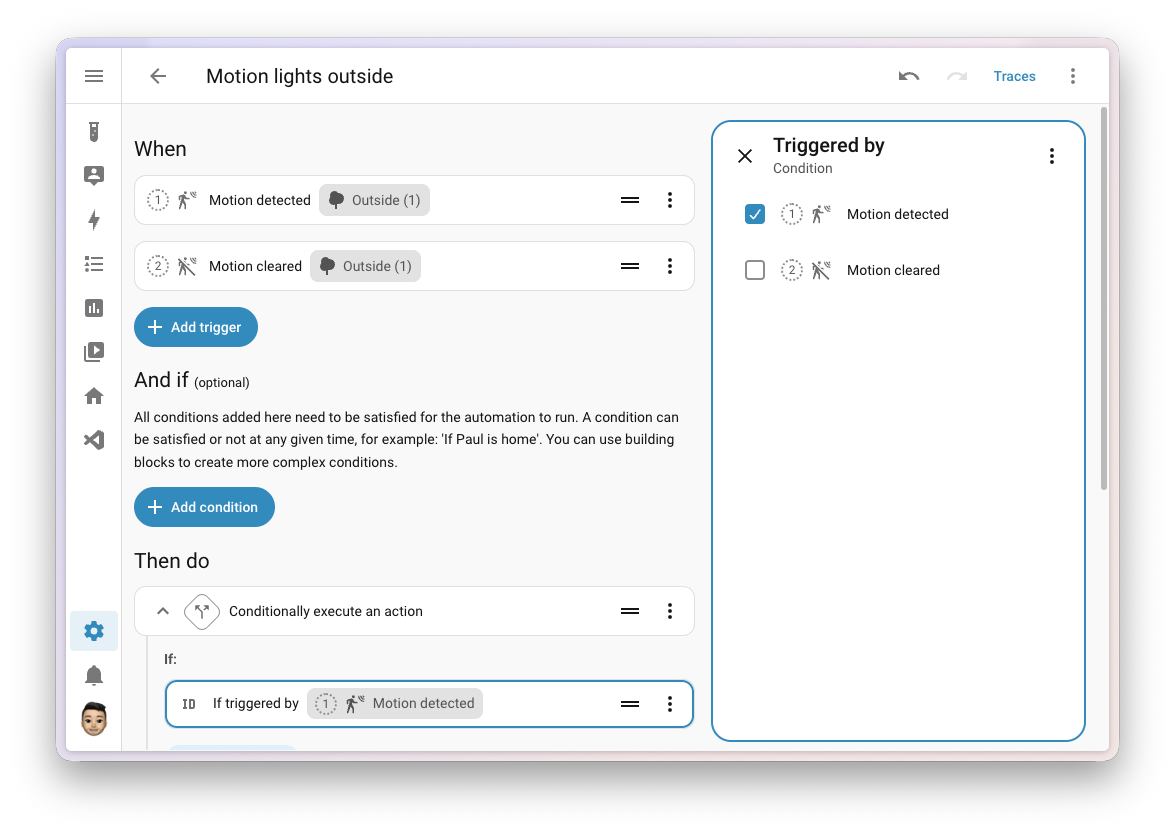
While visual dashboards often capture user attention, the core engineering focus for version 2026.10 centers squarely on automation logic. For years, one of the platform’s most powerful yet underutilized features has been the trigger ID. Designed to let a single automation handle multiple disparate events—such as separating motion-detected and motion-cleared routines—trigger IDs historically required manual YAML coding or deep menu navigation, leading many users to inadvertently overlook them.
The 2026.10 update completely rectifies this usability gap by introducing a dedicated graphical user interface for the "Triggered by" condition. Users can now build multi-path automations by simply selecting checkboxes next to numbered triggers corresponding to their position in the automation sequence. Home Assistant handles the underlying identification strings automatically in the background, cleaning up variables when triggers are deleted.
Furthermore, the automation editor has been updated to display critical rule metrics inline. Triggers, conditions, and actions now expose essential thresholds directly within the main configuration rows—such as temperature offsets, sunrise/sunset delays, and duration requirements—eliminating the need to expand individual configuration drawers to verify basic logic.
Migration to Vector Maps and OpenStreetMap
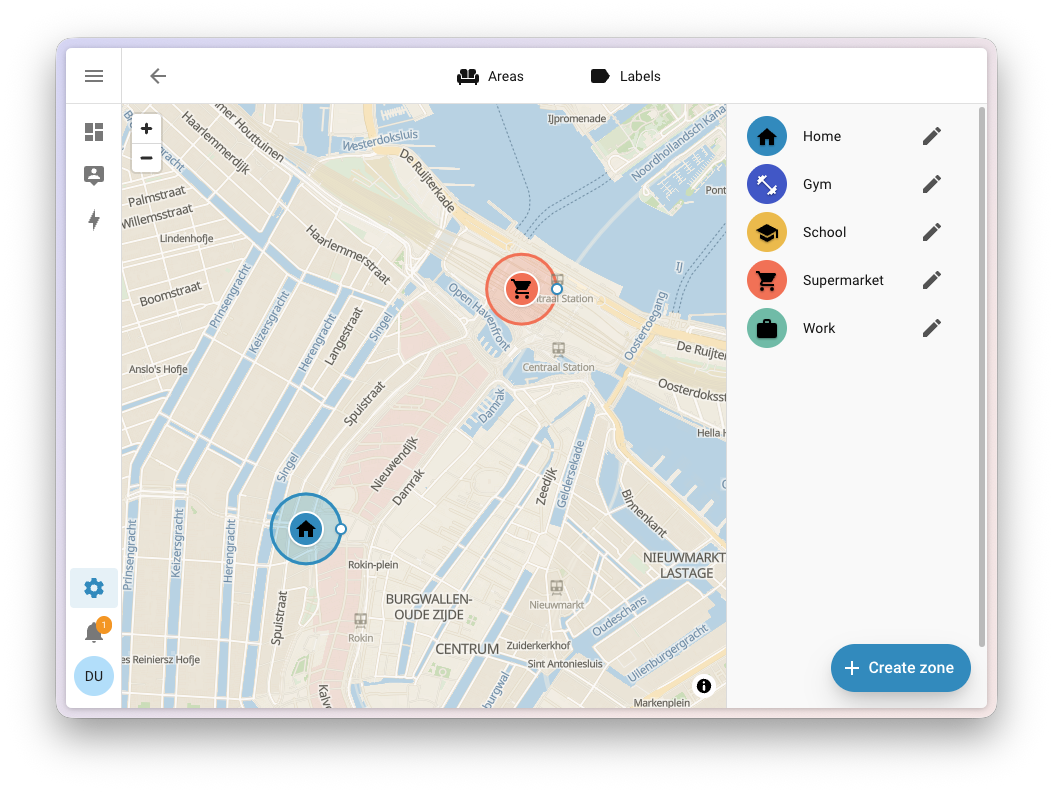
A major technical transition implemented in version 2026.10 addresses underlying stability issues within the platform’s geographical interface. Following abrupt disruptions in the previous release cycle caused by a legacy map provider enforcing mandatory API keys for pre-rendered tile images, Home Assistant has completely transitioned its mapping architecture to vector tiles powered by the OpenStreetMap Foundation.
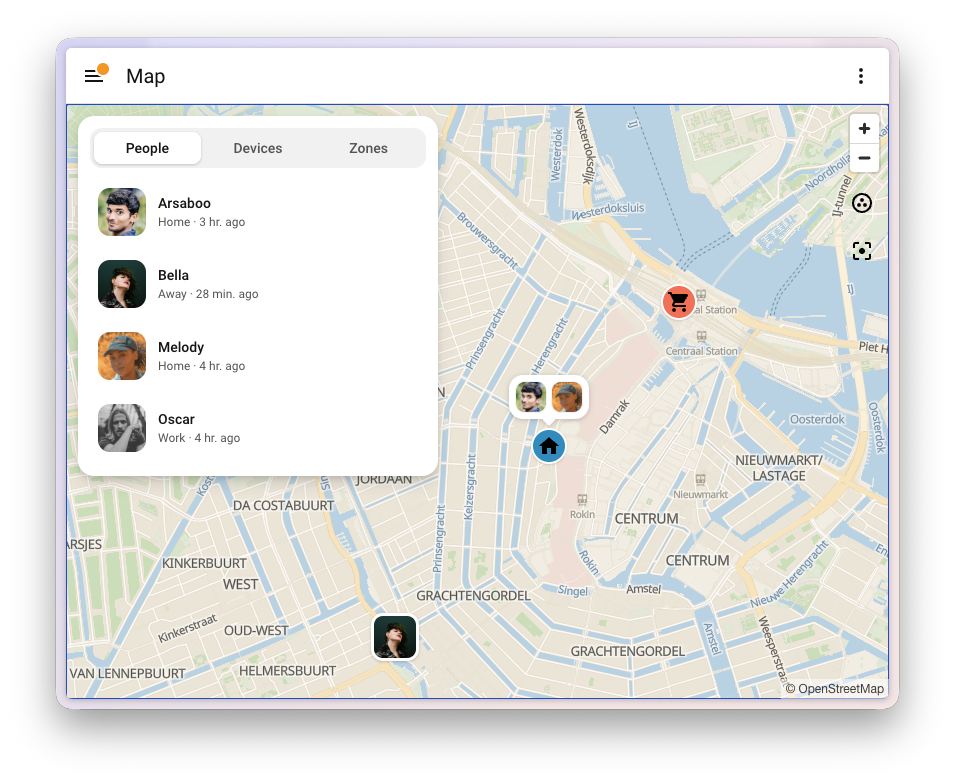
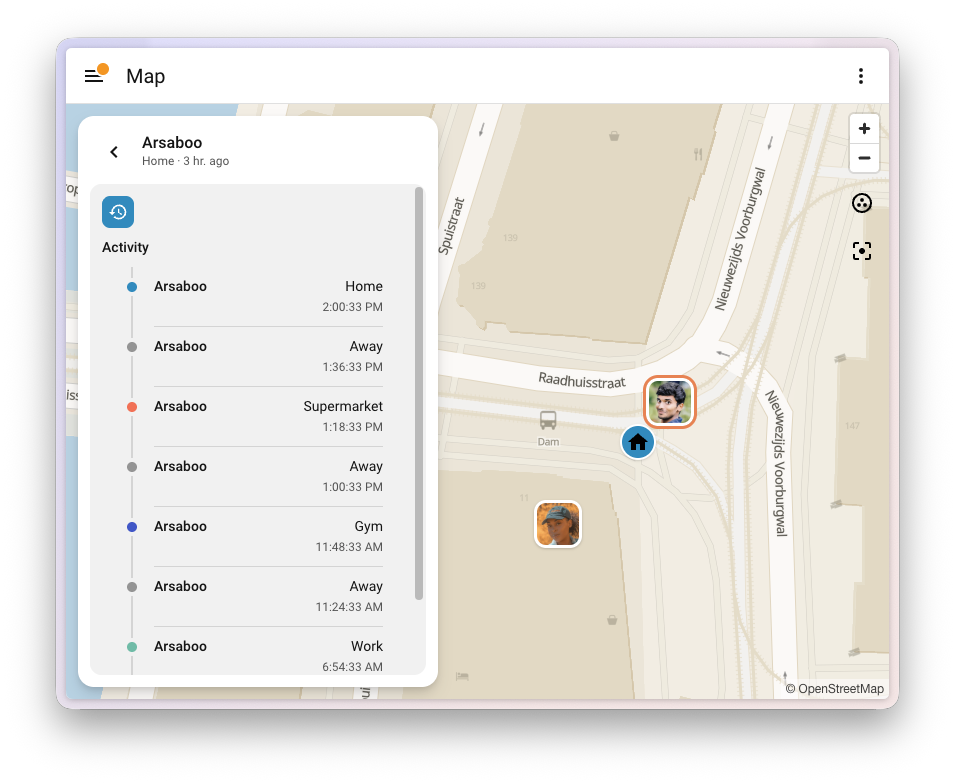
The new Map tiles integration fetches and caches vector data locally through the user’s Home Assistant instance, preventing direct browser contact with external tile servers and ensuring partial map functionality during internet connectivity interruptions. Because the map is now rendered locally as vectors rather than stitched raster images, street layouts and labels remain exceptionally sharp across all zoom levels. The interface also gains a dedicated dark-mode stylesheet, completely redesigned location markers that dynamically group overlapping users into single aggregate bubbles, and an expanded Map dashboard overview featuring dedicated tabs for people, devices, and zones.
Administrative Overhauls and Security Enhancements
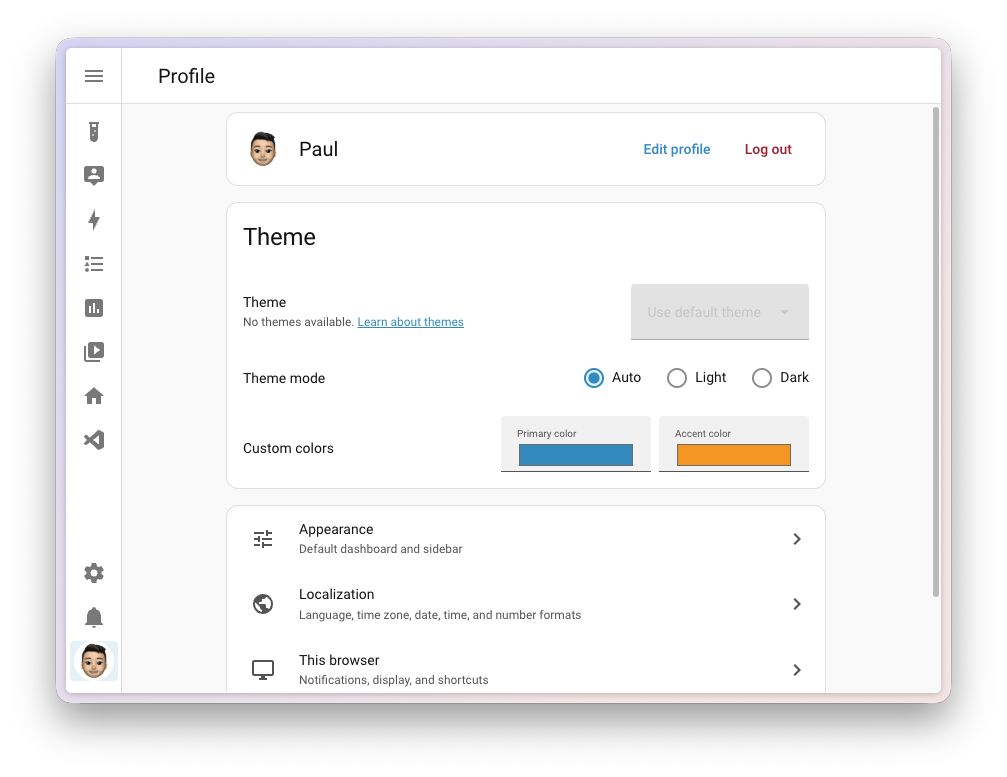
System administration has received substantial attention in this release, most notably through a complete restructuring of the user profile page. Previously criticized as a cluttered interface containing language settings, themes, keyboard shortcuts, and notification parameters stacked vertically on a single tab, the profile page now mirrors the structured navigation system found in the main configuration panel.
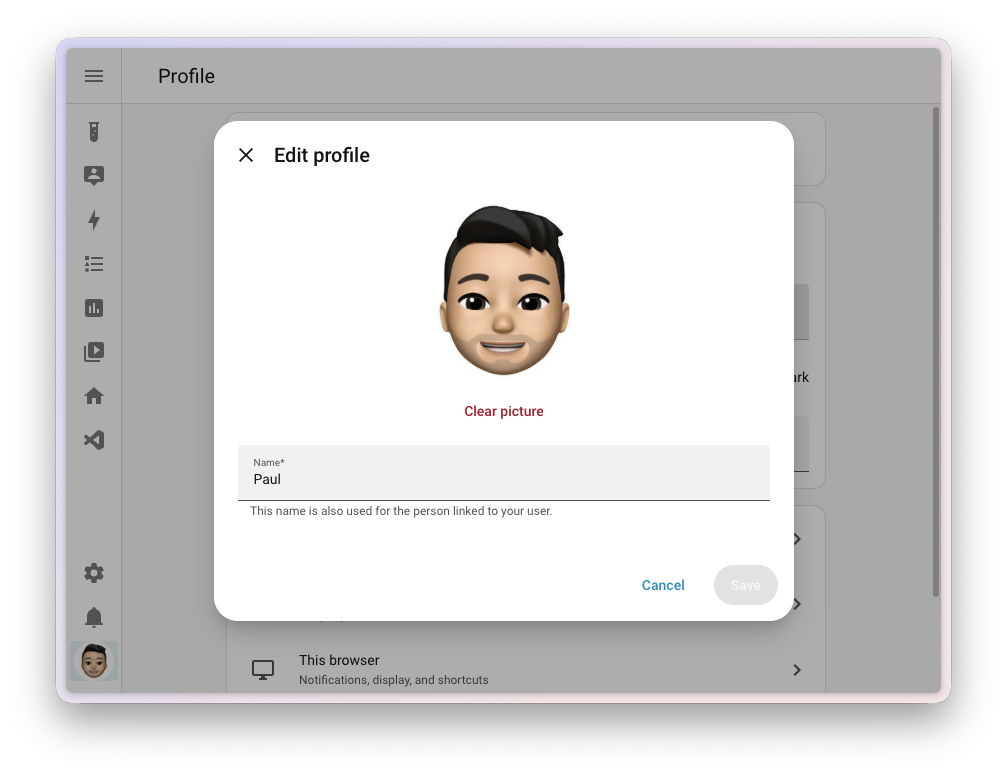
Additionally, standard users are no longer restricted to administrator-managed profile settings. Every account holder can now directly upload, crop, and modify their own avatar and display name, which synchronizes instantly across dashboards, the sidebar, and Assist voice interfaces.
Security and access controls have also been tightened across multiple integrations. Actions tied to MQTT publishing, Synology DSM reboots and shutdowns, and specific third-party APIs now explicitly require administrator privileges. These changes prevent standard or restricted users from executing critical infrastructure commands via accidental dashboard interactions or developer tools.
Expanded AI Connectivity and Integration Growth
Home Assistant 2026.10 continues to aggressively expand its artificial intelligence capabilities, specifically regarding the Model Context Protocol (MCP). The AI settings panel now includes a dedicated MCP card that enables local AI applications—such as Claude, ChatGPT, or Cursor—to securely interface with a home’s entity registry with a single click. Conversely, external apps running their own MCP servers are now auto-discovered by the platform.
The release also introduces 15 new native integrations, alongside major quality-scale promotions for existing energy and inverter systems such as SolarEdge, Sofar, and KACO Modbus. A new centralized Modbus connectivity panel under system settings allows administrators to monitor serial ports and network gateways across all active integrations from a single dashboard.
Backward-Incompatible Changes and Patch Release Schedule
As with any major core update, version 2026.10 includes several breaking changes that require user intervention. Notably, legacy authentication modes requiring non-normalized usernames have been deprecated in favor of lowercase formats without leading or trailing spaces. Additionally, energy sensors from providers like easyEnergy and EnergyZero have updated terminology and units to reflect period counts rather than hourly measurements, and several legacy Python libraries supporting unmaintained integrations have been disabled.
Development teams have committed to a predictable weekly patch release schedule throughout October to quickly address bugs and stabilize newly introduced features, with updates targeted for release on Fridays. Users are encouraged to review the full changelog and backup their instances prior to initiating the upgrade through the Home Assistant update panel.