A federal judge in California has officially denied Apple Inc.’s motion to overturn a $634 million patent infringement verdict, marking a significant setback for the tech giant in its multi-year legal confrontation with the medical technology firm Masimo Corp. The ruling, delivered by U.S. District Judge James V. Selna, upholds a previous jury decision that found Apple’s heart-rate monitoring and notification features on the Apple Watch infringed upon Masimo’s proprietary pulse oximetry technology. This decision solidifies one of the largest patent-related financial penalties in the history of wearable technology and underscores the intensifying scrutiny over how consumer electronics companies integrate medical-grade sensors into mass-market devices.
The legal battle, which has spanned more than half a decade, centers on the sophisticated optical sensors used to measure blood oxygen saturation and heart rate. Masimo, a company primarily known for its hospital-grade monitoring equipment, has long contended that Apple’s entry into the health-tracking space was built upon the misappropriation of its trade secrets and the infringement of its intellectual property. With Judge Selna’s refusal to grant a new trial or a judgment as a matter of law, Apple now faces the prospect of paying the substantial sum unless it can secure a reversal through the appellate courts.
The Core of the Dispute: Defining a Patient Monitor
A central pillar of Apple’s defense rested on a technical and linguistic challenge regarding the scope of Masimo’s patents. Apple argued that the Apple Watch should not be classified as a "patient monitor," a term central to the patent claims in question. According to Apple’s legal team, the term "patient monitor" should be strictly interpreted to apply only to professional, conventional medical equipment used in clinical settings—devices designed specifically for patients under medical supervision.
However, Judge Selna rejected this narrow interpretation. In his ruling, the judge sided with the jury’s broader application of the term, noting that the everyday meaning of the words could reasonably encompass a consumer device like the Apple Watch when it performs the specific health-monitoring functions described in the patent. The court found that because the Apple Watch captures, calculates, and displays physiological data—specifically pulse oximetry data—it functions as a monitor for the "patient" (the user), regardless of whether that user is in a hospital bed or exercising in a gym.
This distinction is critical for the wearables industry. If the courts had accepted Apple’s narrow definition, it could have created a loophole where consumer devices could utilize patented medical technologies without license, provided they were marketed as "wellness" devices rather than "medical" devices. By upholding the jury’s finding, the court has signaled that the function of the technology, rather than the marketing label of the device, is the primary factor in determining patent infringement.

A History of Alleged Poaching and Collaboration
The animosity between Apple and Masimo dates back to 2013, when Apple was in the early stages of developing what would eventually become the Apple Watch. According to court filings, Apple executives met with Masimo leadership to discuss a potential partnership or acquisition. Masimo claims that these meetings were a "trojan horse" strategy, allowing Apple to gain insights into Masimo’s non-invasive blood-monitoring technology under the guise of collaboration.
Following these meetings, Apple allegedly began a targeted hiring campaign, poaching key personnel from Masimo and its spinoff company, Cercacor. Among those hired were Michael O’Reilly, Masimo’s former Chief Medical Officer, and Marcelo Lamego, who served as Cercacor’s Chief Technical Officer. Masimo alleges that these individuals brought with them deep knowledge of Masimo’s proprietary algorithms and sensor designs, which Apple then integrated into the Apple Watch Series 6 and subsequent models.
In 2020, Masimo filed its first major lawsuit against Apple in the U.S. District Court for the Central District of California, alleging both patent infringement and the theft of trade secrets. While the trade secrets portion of the case resulted in a mistrial in 2023 due to a hung jury, the patent claims have continued to move forward, culminating in the $634 million verdict reached in November 2025.
The ITC Ruling and the U.S. Import Ban
Parallel to the district court litigation, Masimo sought relief through the International Trade Commission (ITC). In 2023, the ITC ruled in favor of Masimo, finding that Apple had violated Section 337 of the Tariff Act of 1930 by importing products that infringed on Masimo’s light-based pulse oximetry patents. This led to a dramatic U.S. import ban on the Apple Watch Series 9 and Apple Watch Ultra 2.
The ban forced Apple to briefly halt sales of its flagship watches in December 2023. To resume sales and bypass the exclusion order, Apple implemented a software-based workaround. In 2024 and into 2025, Apple began selling modified versions of the Apple Watch that had the blood oxygen monitoring feature disabled at the hardware level or redirected to the paired iPhone for processing. Specifically, the "redesigned" feature introduced in 2025 calculates sensor data on the iPhone rather than the watch itself, displaying the results in the Health app.
Masimo has since challenged this redesign, filing suit against U.S. Customs and Border Protection for allowing the modified watches to enter the country. Masimo argues that the software changes are insufficient to circumvent the patents, as the underlying hardware remains capable of performing the infringing functions.
Technical Analysis of Pulse Oximetry Infringement
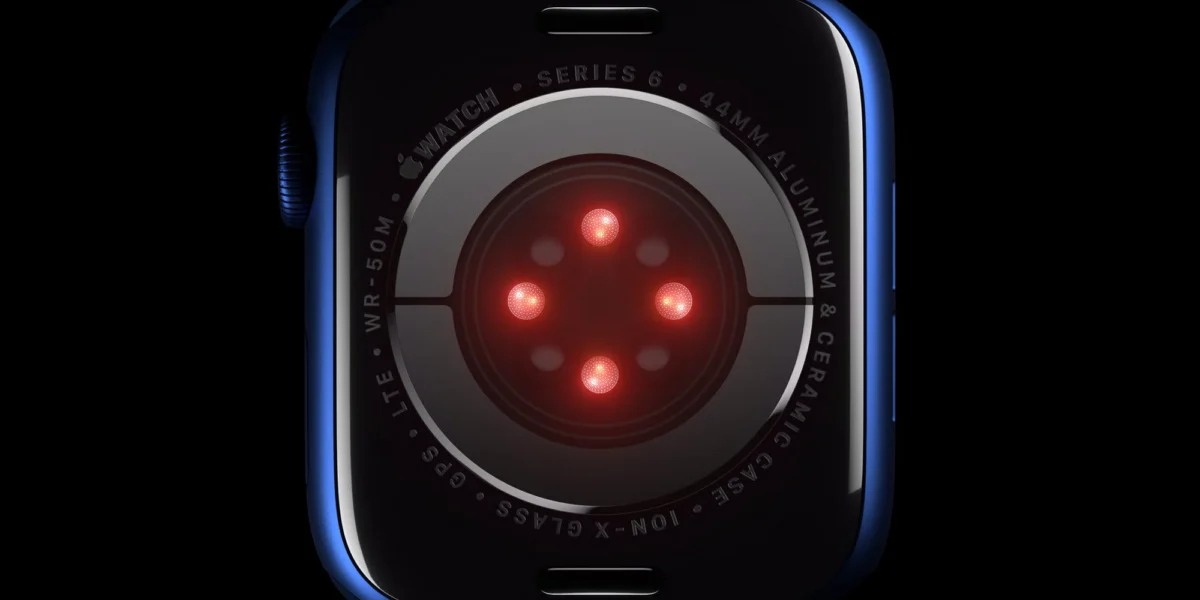
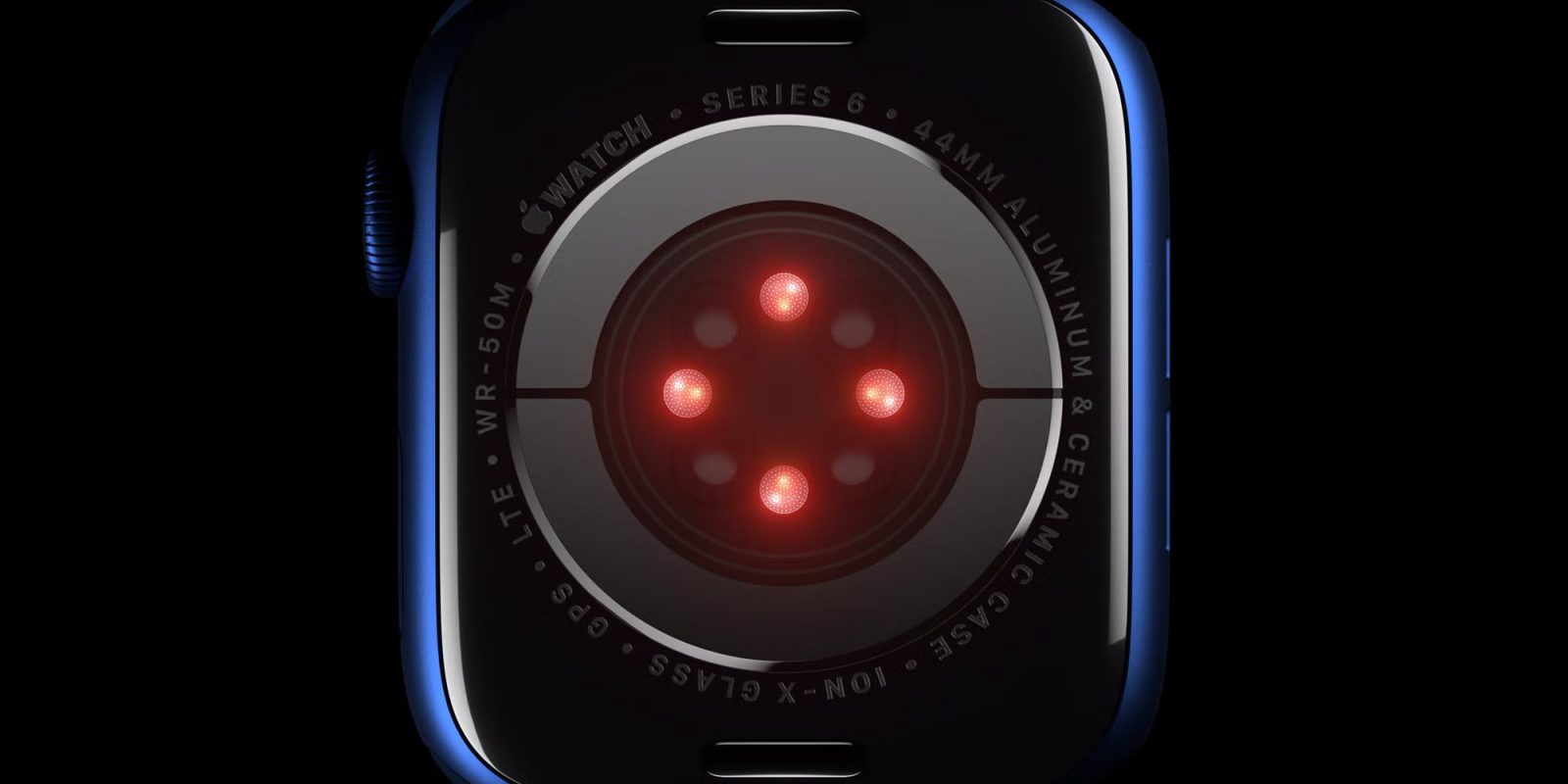
At the heart of the $634 million verdict is the specific way the Apple Watch utilizes light to measure blood oxygen (SpO2). Pulse oximetry works by emitting red and infrared light through the skin and measuring the amount of light absorbed by oxygenated versus deoxygenated hemoglobin.
Masimo’s patents cover specific configurations of light-emitting diodes (LEDs) and photodiodes, as well as the algorithms used to filter out "noise" caused by motion or ambient light. The jury in the November 2025 trial determined that Apple’s implementation of heart-rate monitoring and the associated notifications—which rely on similar optical sensor arrays—infringed on Masimo’s Patent No. 10,912,502.
Apple’s attempt to challenge the verdict also included a motion for a new trial based on the exclusion of certain expert testimony. Apple’s legal team argued that they were unfairly prevented from presenting evidence that would have invalidated Masimo’s claims. Judge Selna, however, ruled that the exclusion of the expert was procedurally sound and that the jury instructions provided during the trial were legally accurate, leaving no grounds for a retrial.
Financial and Market Implications
The $634 million judgment represents a significant financial hit, even for a company with Apple’s vast resources. For the fiscal year 2024, Apple reported a total net income of approximately $93 billion. While $634 million is less than 1% of Apple’s annual profit, the cumulative cost of the litigation—including legal fees, the loss of sales during the ITC ban, and the potential for ongoing royalties—makes this one of the most expensive patent disputes in the company’s history.
For Masimo, the verdict is a major victory. The company, which has a market capitalization of roughly $7 billion to $9 billion, stands to receive a windfall that represents a massive portion of its annual revenue. Furthermore, the ruling validates Masimo’s long-standing claim that it is the true innovator in the field of non-invasive physiological monitoring.
The broader implications for the wearable market are profound. Other manufacturers, such as Samsung, Garmin, and Google (Fitbit), will likely review their own sensor technologies to ensure they do not run afoul of Masimo’s extensive patent portfolio. The ruling suggests that the "move fast and break things" approach of Silicon Valley may be reaching a limit when it intersects with the highly regulated and patent-dense world of medical technology.

Official Responses and Next Steps
Apple has remained defiant following Judge Selna’s ruling. In a statement, the company reiterated its stance that Masimo’s legal actions are an attempt to stifle competition rather than protect genuine innovation.
"Masimo is a medical device company that does not sell any products to consumers," an Apple spokesperson stated. "Over the past six years, they have sued Apple in multiple courts and asserted over 25 patents, the majority of which have been found to be invalid. The single patent in this case expired in 2022 and is specific to historic patient monitoring technology from decades ago. We plan to appeal."
Masimo, meanwhile, has characterized the court’s decision as a win for the integrity of the U.S. patent system. Joe Kiani, Masimo’s founder and CEO, has previously stated that the company is open to a settlement, but only if Apple acknowledges the infringement and pays a fair licensing fee. Kiani has been a vocal critic of what he calls Apple’s "efficient infringement" strategy, where large companies opt to infringe on patents and litigate for years rather than paying for licenses upfront.
Chronology of the Apple vs. Masimo Conflict
- 2013: Apple and Masimo meet to discuss potential integration of Masimo tech into Apple products.
- 2013-2014: Apple hires high-level Masimo and Cercacor executives.
- 2020 (January): Masimo files its first lawsuit against Apple in California, alleging trade secret theft and patent infringement.
- 2021 (June): Masimo files a complaint with the ITC seeking an import ban on the Apple Watch.
- 2023 (May): A California judge declares a mistrial in the trade secrets case after the jury fails to reach a unanimous verdict.
- 2023 (October): The ITC issues a final determination that Apple infringed on Masimo’s patents.
- 2023 (December): A brief U.S. import ban goes into effect; Apple pauses sales of affected models.
- 2024 (January): Apple begins selling watches with blood oxygen features disabled to circumvent the ban.
- 2025 (August): Apple introduces a redesigned health feature that offloads data processing to the iPhone.
- 2025 (November): A jury awards Masimo $634 million in the patent infringement trial.
- 2026 (July): Judge James V. Selna denies Apple’s motion to overturn the $634 million verdict.
Conclusion and Future Outlook
With the denial of Apple’s post-trial motions, the case now moves toward the U.S. Court of Appeals for the Federal Circuit. Apple’s strategy will likely focus on the "patient monitor" definition once again, as well as the validity of the underlying patent. If the appellate court upholds Judge Selna’s decision, Apple will be forced to pay the $634 million plus interest, which could push the total closer to $700 million.
The outcome of this case serves as a cautionary tale for the tech industry as it continues to expand into the healthcare sector. The intersection of consumer electronics and medical diagnostics is fraught with legal complexity, and as this $634 million verdict demonstrates, the cost of crossing the line into established medical intellectual property can be extraordinarily high. For now, the Apple Watch remains a centerpiece of Apple’s "Wearables, Home, and Accessories" segment, but its future as a comprehensive health-monitoring tool continues to be shaped more by judges and juries than by engineers and designers.