Across parking lots, trailheads, and hardware store aisles from the Pacific Northwest to the Rocky Mountains, a quiet, knowing nod passes between strangers. The uniform is unmistakable: a lightweight micro-grid fleece hoodie featuring a distinct color-blocked design—contrasting sleeves, a fitted drawcord hood, and a simple pouch pocket.
"Nice Melly," one might quip.
The response is invariably a knowing smile and a question rooted in shared geography: "You from Colorado?"
This shared recognition stems from Melanzana, an independent outdoor apparel brand based in Leadville, Colorado. Situated at an elevation of 10,152 feet with a population of roughly 2,600, Leadville serves as both the literal and figurative heart of the brand. What began in 1994 as a modest, anti-corporate enterprise stitching basic mountain garments out of fabric remnants has quietly evolved into a cultural phenomenon. Over three decades, the signature Melanzana hoodie has transformed from local utility wear into an unofficial badge of honor for outdoor enthusiasts, shaping micro-economies, testing supply chains, and offering a counter-narrative to the venture-backed giants that typically dominate the outdoor retail industry.
From Tipi Living to a Mountain Staple: The Founding Chronology
The origins of Melanzana trace back to the mid-1990s when co-founder Fritz Howard, then a young ski bum originally from New England, partnered with childhood friend Kevin "Kevco" Crochetiere. Armed with sewing skills taught to Howard by his mother during childhood, the duo acquired Polartec fleece remnants from an outlet in Lawrence, Massachusetts. Their goal was simple: craft functional, affordable mountain gear for themselves and their neighbors.
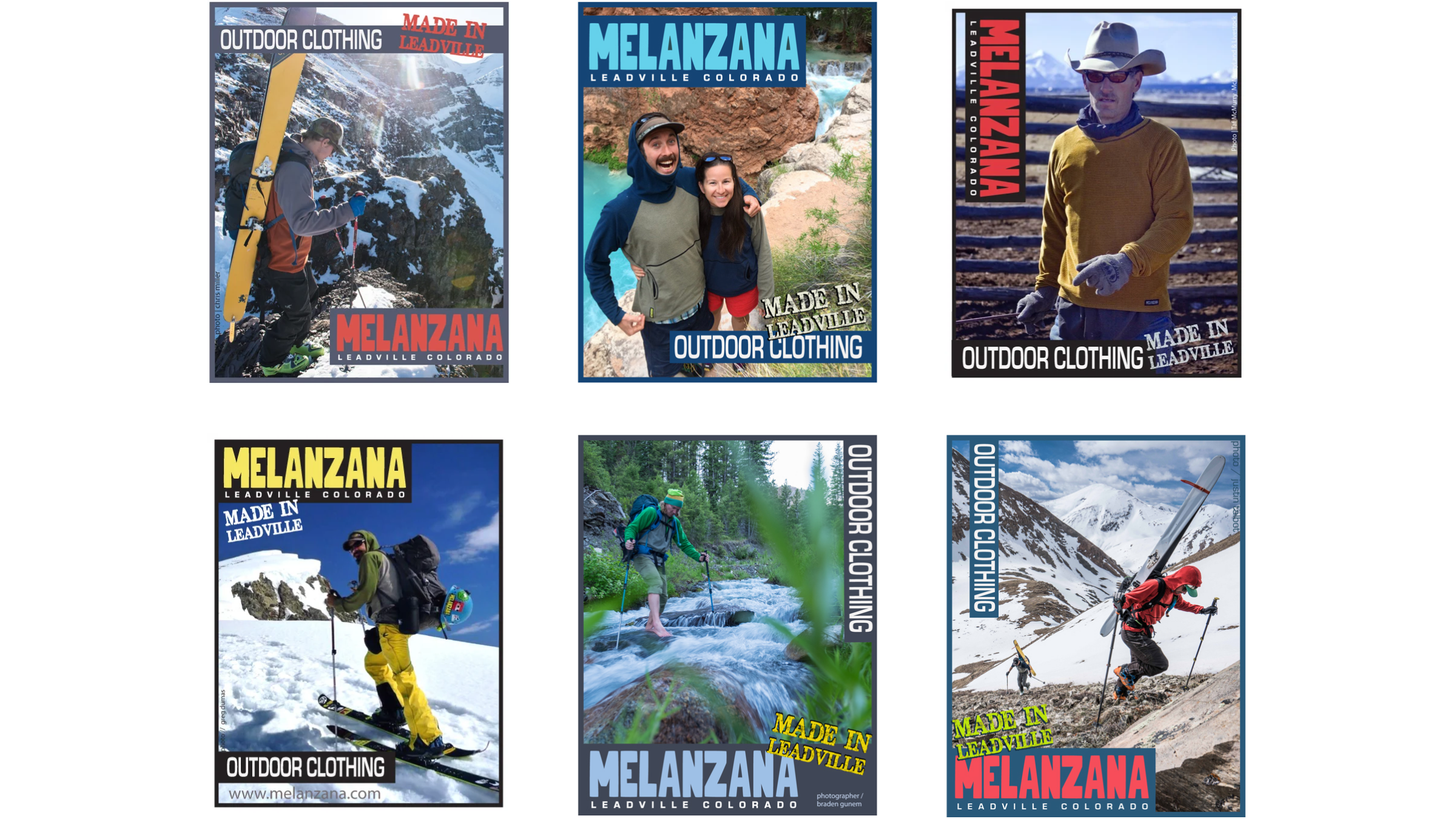
For the enterprise’s first two winters, Howard lived economically in the woods outside Leadville in a self-sewn tipi. Initially, the venture was named "Eggplant"—a deliberate jab at the hyper-masculine, hyper-commercialized branding common among major outdoor labels. Following a trademark dispute, the founders pivoted to the Italian translation, Melanzana.
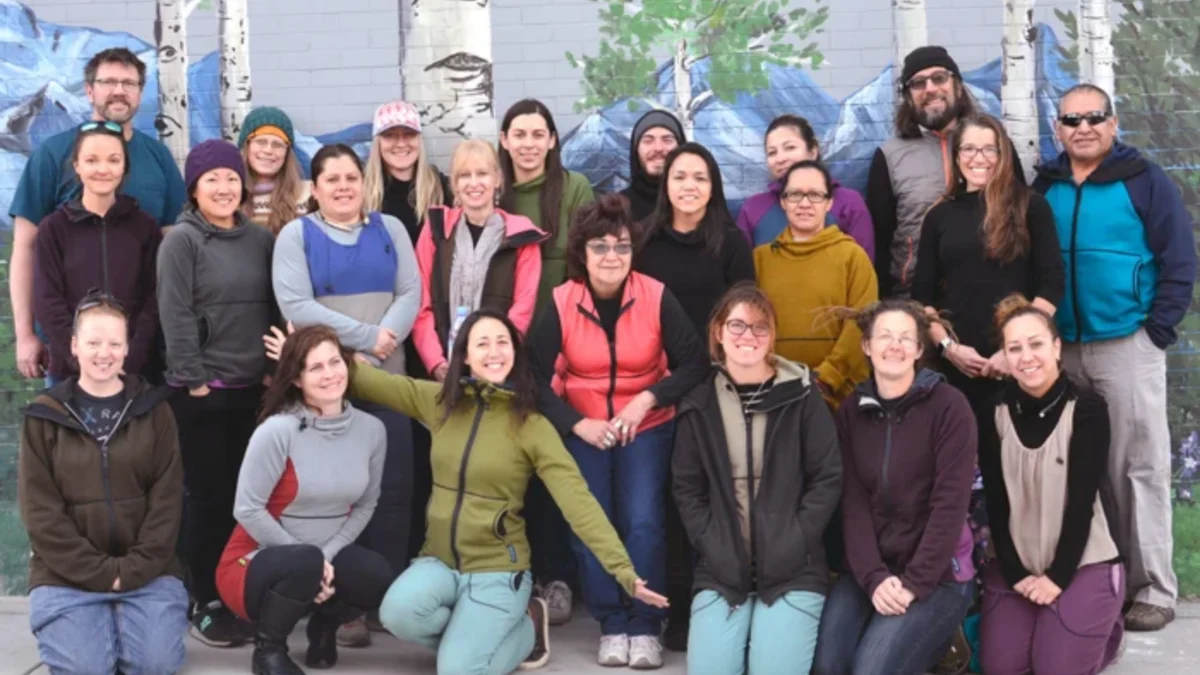
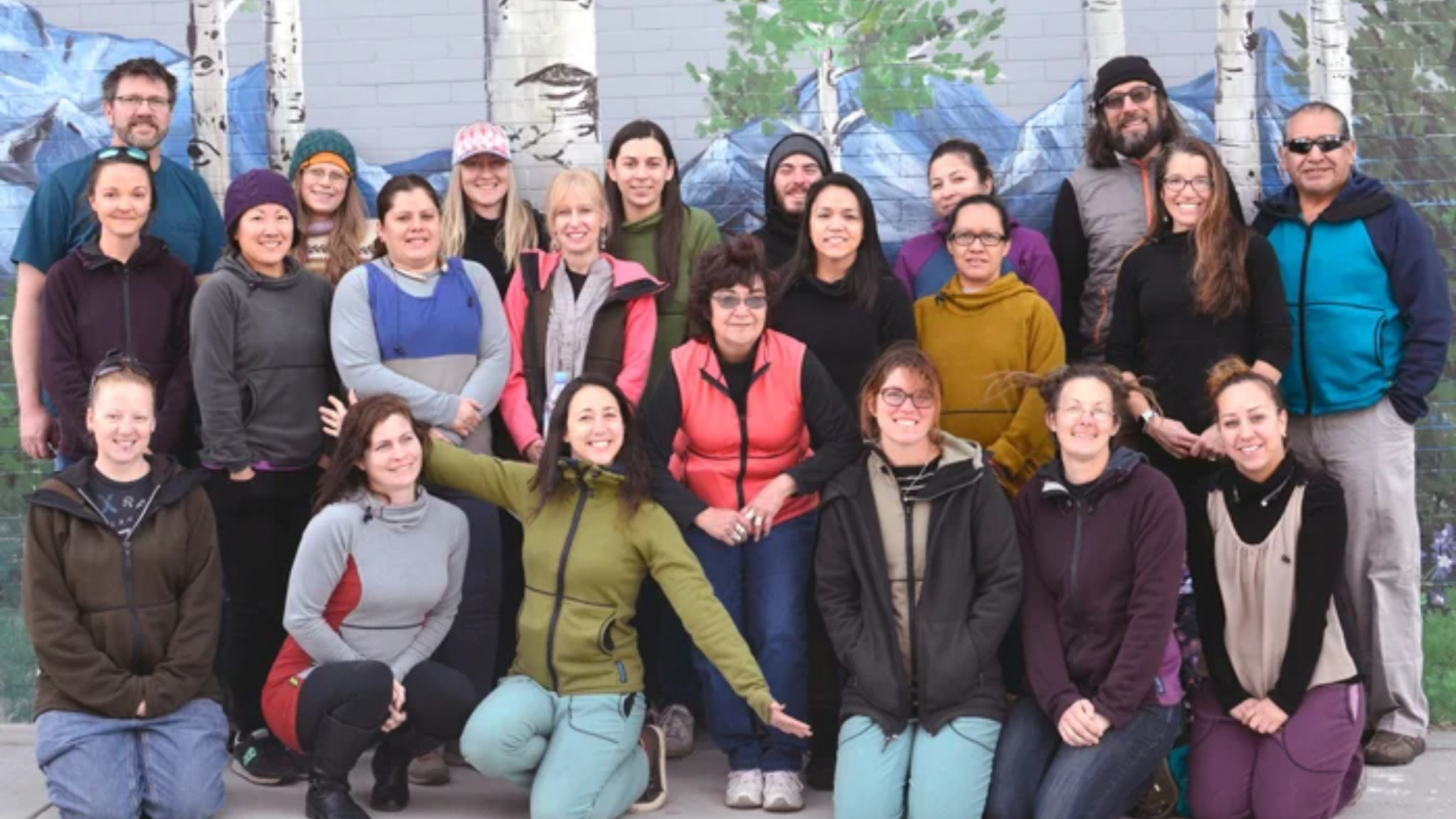
Howard deliberately chose Leadville to escape the ostentation and high prices characteristic of mainstream ski resort towns. Operating with an intentionally anti-corporate ethos, Howard never sought national fame or aggressive corporate expansion. Instead, the company operated as a community-centric workshop, building cutting tables from local hardware store lumber and employing a rotating cast of local artists, retirees, and ski bums.
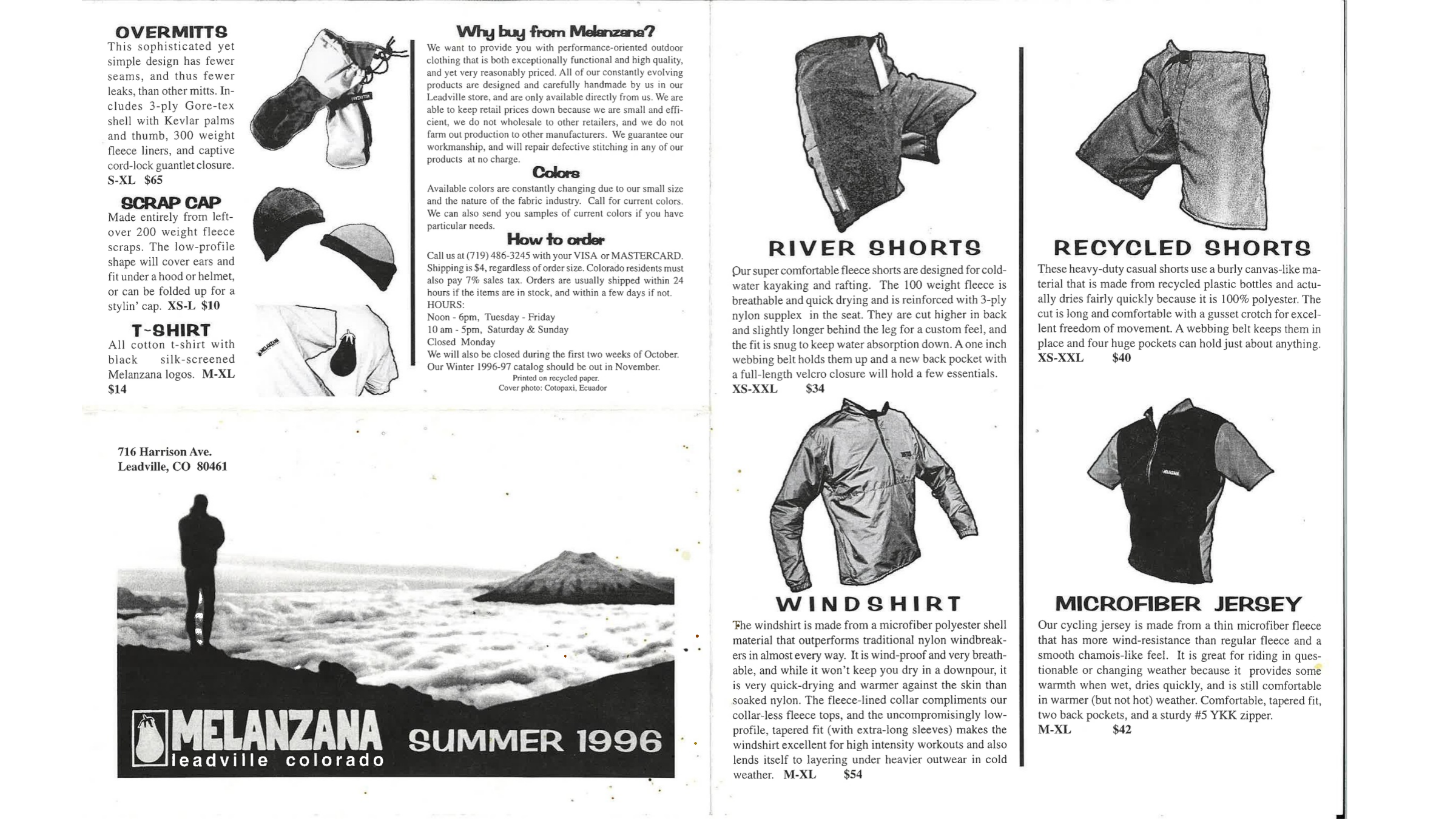
Throughout the mid-to-late 1990s, the company’s catalog was broad, featuring river shorts, windshirts, microfiber jerseys, and caps. However, the iconic Polartec Micro Grid fleece hoodie—now the brand’s undeniable flagship product—did not materialize until the early 2000s, born largely out of persistent requests from the workshop’s sewers and local climbers who needed functional insulation for high-altitude pursuits.
Scaling Up While Standing Still: Production and Operations
As word-of-mouth recommendations spread across Colorado’s endurance sports community—particularly among participants and pacers of the grueling Leadville 100 trail races—demand for Melanzana garments began to outpace the workshop’s physical capacity.
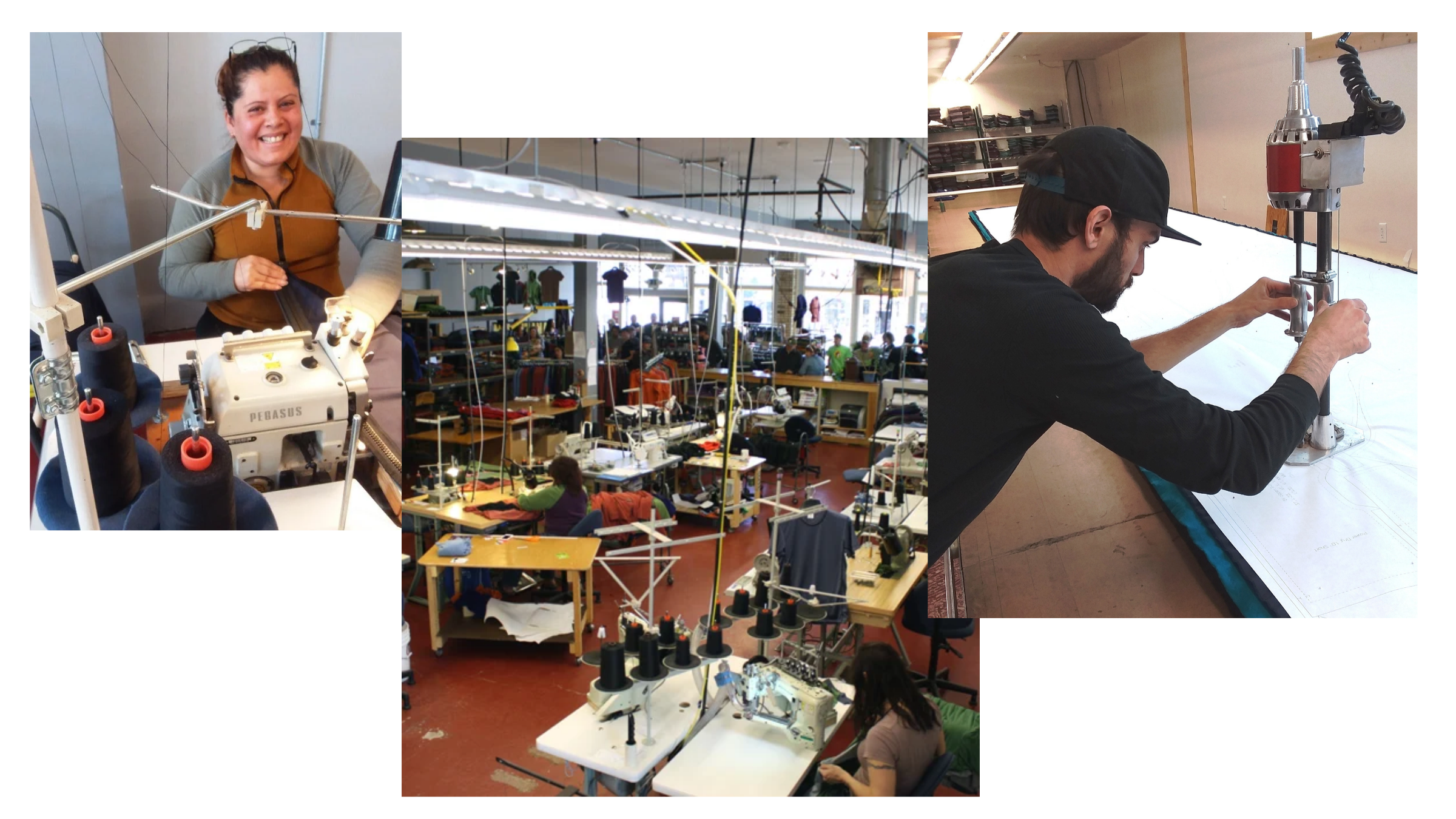
In 2008, Howard acquired a 7,500-square-foot building at 716 Harrison Avenue in downtown Leadville. Over subsequent years, the brand occupied the entire footprint, eventually installing a rooftop solar system in 2011 to offset its energy consumption. Despite growing visibility, internal operations remained remarkably analog. Patterns were eventually digitized and cut using professional stack cutters, but color selection and inventory management remained rooted in artisan traditions, utilizing Pantone swatches and meticulous hands-on quality control.
The brand’s adherence to localized manufacturing created a severe supply-demand imbalance, which intensified exponentially during the COVID-19 pandemic. E-commerce traffic surged, and lines outside the Harrison Avenue storefront routinely stretched down the sidewalk. In response to accusations from frustrated consumers alleging artificial scarcity, company representatives and local economic officials emphasized the operational reality: every garment is meticulously cut and sewn by hand by a limited workforce earning living wages and comprehensive benefits. To protect the local community and manage inventory fairly, Melanzana implemented strict store-visit appointment systems, purchase limits, and intermittent online lotteries.
To address persistent backlogs without compromising its manufacturing ethos, Melanzana expanded its footprint in March 2024 by opening a second cut-and-sew facility in Alamosa, Colorado. This secondary production hub has allowed the company to incrementally restore web sales for the first time in six years, aiming to alleviate wait times while maintaining strict labor and quality standards.
Cultural Implications and the Economics of Authenticity
The rise of Melanzana offers a fascinating case study in modern consumer behavior within the outdoor recreation sector. In an industry dominated by massive conglomerates publicly traded on global stock exchanges, Melanzana’s sustained independence represents a rare business model.
Economists and tourism directors note that the brand acts as an economic anchor for Lake County, drawing visitors who seek authenticity over mass-market convenience. Adam Ducharme, tourism and economic development director for Lake County, emphasizes that consumers travel to Leadville not merely to acquire a fleece, but to experience a tangible connection to a bygone era of American manufacturing.
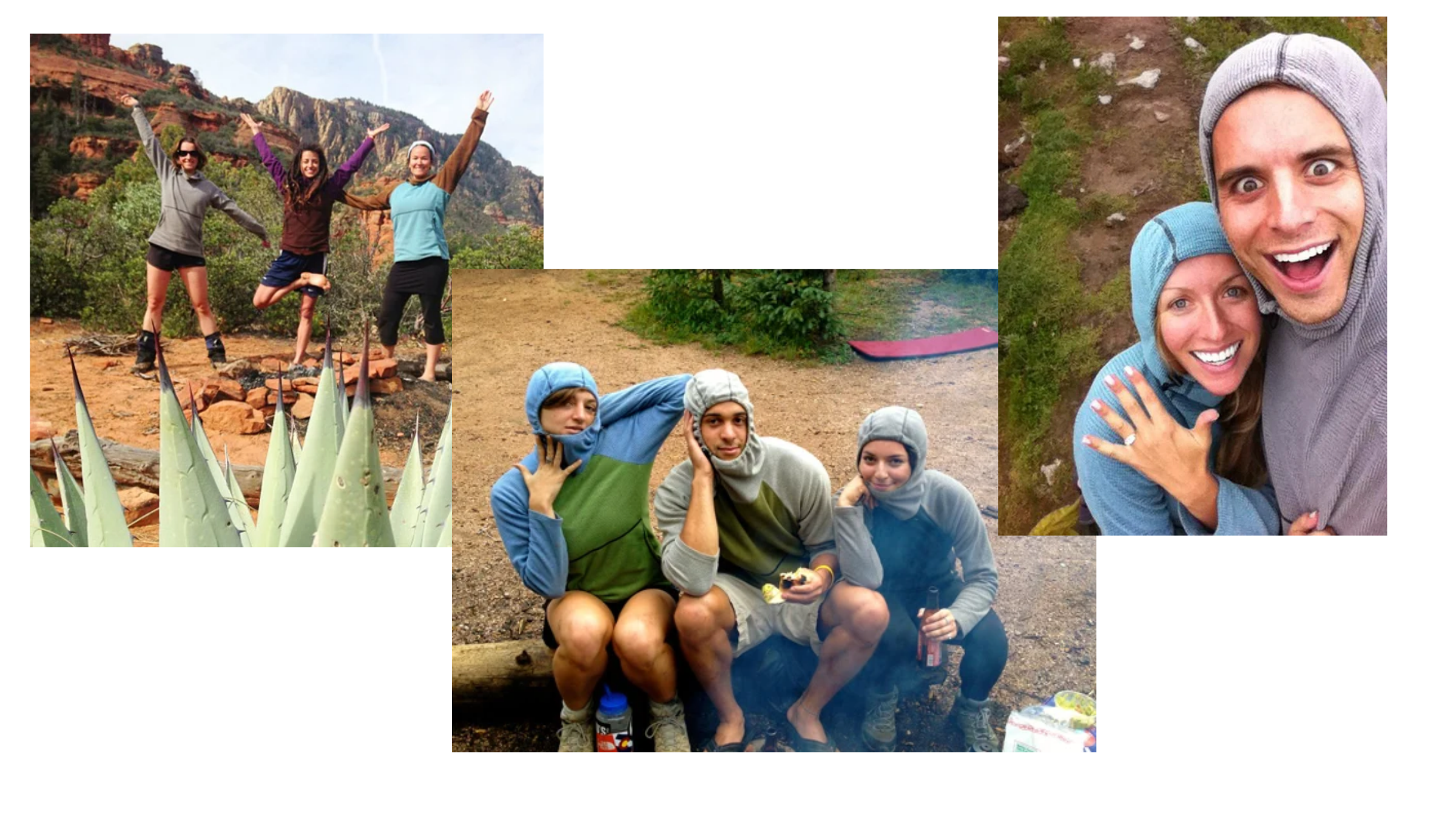
Furthermore, the brand’s secondary market and community engagement reflect a deep cultural resonance. Online communities, such as the Melanzana subreddit, frequently debate availability and catalog history, while local consignment shops like Community Threads in Leadville serve as cultural hubs where the brand’s history is preserved and explained to skeptical travelers.
Despite industry imitation—with numerous competitors attempting to replicate the signature micro-grid fleece and color-blocked aesthetic—Melanzana’s original customer base remains fiercely loyal. Former employees and long-term collectors frequently cite the durability of garments purchased over a decade ago as proof of enduring quality.
As Melanzana balances its expanded operations between Leadville and Alamosa, the core philosophy instilled by Fritz Howard three decades ago remains unaltered. Rather than chasing mercurial market trends or bowing to exponential demand, the company continues to prioritize community, employee welfare, and localized production—proving that in an era of fast fashion and instant gratification, deliberate, slow craftsmanship still holds profound value.