








YouTube is fundamentally rethinking the architecture of its platform’s front page, introducing a suite of user-centric features designed to grant viewers unprecedented autonomy over their viewing streams. As part of a sweeping interface overhaul, the video-sharing giant is rolling out saved Custom Feeds to replace traditional topic chips, while simultaneously testing a streamlined mobile navigation bar. This dual-pronged update marks one of the most significant shifts in how audiences interact with the YouTube homepage in recent years, moving away from a purely algorithmic feed toward a hybrid model that blends machine learning with direct, intent-driven user customization.
The rollout comes at a time when digital media platforms face mounting pressure to reduce algorithmic fatigue. For years, users have relied heavily on the platform’s default recommendation engine, which dictates content discovery based on watch history, click-through rates, and broad overarching categories. By introducing persistent Custom Feeds and rearranging top-level navigation, YouTube is signaling a strategic pivot to accommodate viewers who want immediate, repeatable access to niche interests without wading through generalized algorithmic clutter.
The Evolution of Custom Feeds: From Experiment to Reality
The journey toward Custom Feeds began earlier this year when YouTube quietly initiated trials of a prompt-based discovery tool. Initially rolled out as a limited test, the feature allowed users to type out natural-language queries detailing what they wanted to watch, subsequently translating those text prompts into targeted streams of video recommendations. What began as a novel sidebar experiment has now matured into a core pillar of the platform’s daily user experience.

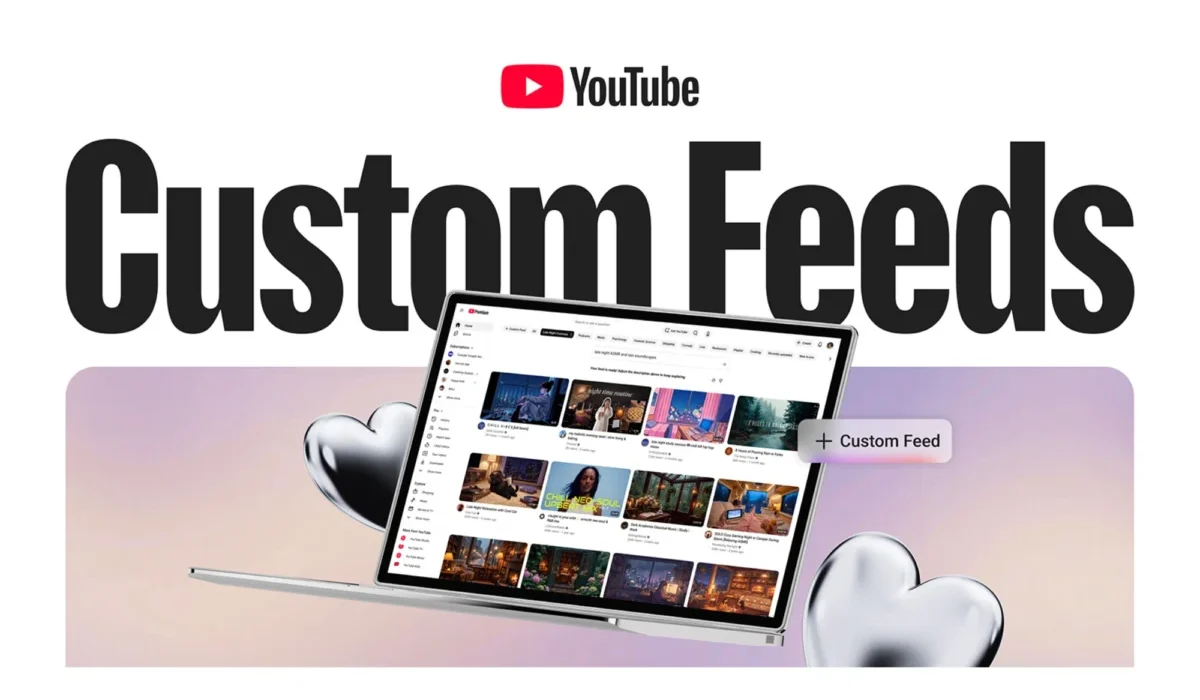
To build a Custom Feed, users simply tap the plus button located at the prominent top section of the Home page. From there, they can input descriptive prompts encompassing specific topics, distinct content formats, or even abstract moods and ambient vibes. Once established, YouTube’s backend system continuously monitors incoming content, refreshing the custom stream dynamically as newly published videos match the user’s predefined criteria.
However, platform tiering plays a role in how extensively users can leverage this capability. Standard accounts are permitted to save up to three Custom Feeds simultaneously. In contrast, YouTube Premium subscribers enjoy an expanded allotment, able to curate and maintain up to eight distinct custom streams at any given time. Once generated, these feeds remain perpetually accessible directly from the top of the Home interface, with full user flexibility to edit, update, or completely delete them as viewing preferences evolve.
Phased Rollout and Platform Eligibility
As with most major interface updates deployed by Google-owned properties, the release of Custom Feeds is governed by specific geographic, demographic, and technical parameters. The feature is currently rolling out to signed-in accounts belonging to users aged 13 and older within the United States, provided their accounts are configured to use English-language settings.
From a technical standpoint, accessibility is cross-platform, functioning seamlessly across both mobile applications and desktop web browsers. However, platform architects have built a strict dependency into the feature: both watch history and search history must be actively enabled for Custom Feeds to generate and populate properly. This requirement underscores the symbiotic relationship between YouTube’s underlying algorithmic data harvesting and the newly introduced prompt-based curation tools, as the system relies on historical behavioral data to contextualize user-generated text prompts accurately.

Redesigning the Mobile Navigation Bar
Simultaneously, YouTube is conducting live A/B tests on a redesigned top navigation bar specifically tailored for mobile environments. The experimental layout replaces older, more fragmented interface elements with a streamlined, high-efficiency menu system.
Under the newly tested schema, the Subscriptions tab—traditionally accessed via a dedicated bottom navigation icon or separate menu layers—is being shifted directly into the top horizontal bar of the Home tab. This strategic relocation places users’ most frequently visited destination right alongside primary content verticals such as Live streaming and Music. Furthermore, for users maintaining active entertainment accounts or network add-ons, a dedicated Movies & TV shortcut dynamically populates the top navigation bar, unifying disparate media libraries under a single cohesive dashboard.
Industry analysts note that this interface adjustment addresses longstanding user feedback regarding navigational friction within the mobile app. By reducing the number of taps required to transition from the algorithmic Home feed to chronological Subscriptions, YouTube is mitigating user friction and encouraging deeper daily engagement across diverse content types.
Background Context and Industry Trends
YouTube’s pivot toward hyper-personalized, user-directed feeds mirrors broader trends across the digital streaming and social media ecosystems. Over the past twenty-four months, platforms have increasingly recognized that pure algorithmic feeds, while effective at driving initial watch time, can alienate users seeking specific, predictable types of content.

Competitors in the audio and video spaces have similarly raced to implement natural-language curation tools. For instance, sister platform YouTube Music recently introduced generative playlist capabilities that translate conversational thoughts into personalized auditory experiences. The integration of prompt-based video feeds bridges the gap between traditional keyword search and passive recommendation scrolling, effectively giving users the architectural tools to build their own bespoke television channels within the YouTube ecosystem.
Broader Impact and Market Implications
The long-term implications of saved Custom Feeds and top-bar navigation restructuring are multifaceted, impacting creators, advertisers, and everyday consumers alike.
For creators, the rise of hyper-specific Custom Feeds could fundamentally alter content discovery dynamics. While broad algorithmic distribution will remain the primary engine for viral growth, niche creators who cater to highly specific topics, educational segments, or distinct aesthetic moods may find themselves benefiting immensely from user-saved feeds. When a viewer pins a Custom Feed dedicated to a specialized hobby or technical discipline, the videos appearing within that stream receive dedicated, intentional impressions from an audience with guaranteed high intent, potentially translating into stronger audience retention and more loyal subscriber bases.
For advertisers, the shift introduces both opportunities and challenges. As users curate their own viewing environments through explicit textual prompts, brand safety measures and contextual ad placement must adapt. Advertisers will need to understand how natural-language prompts correlate with viewer demographics and intent, ensuring that sponsored content aligns naturally with the customized parameters set by the consumer.

As YouTube continues to analyze user telemetry and feedback from these ongoing tests, the success of Custom Feeds and the mobile top-bar redesign will likely dictate the platform’s interface philosophy for the remainder of the decade. By handing the keys of content curation directly back to the viewer while retaining the backend power of machine learning, YouTube is attempting to chart a middle path between automated discovery and deliberate personal choice.