









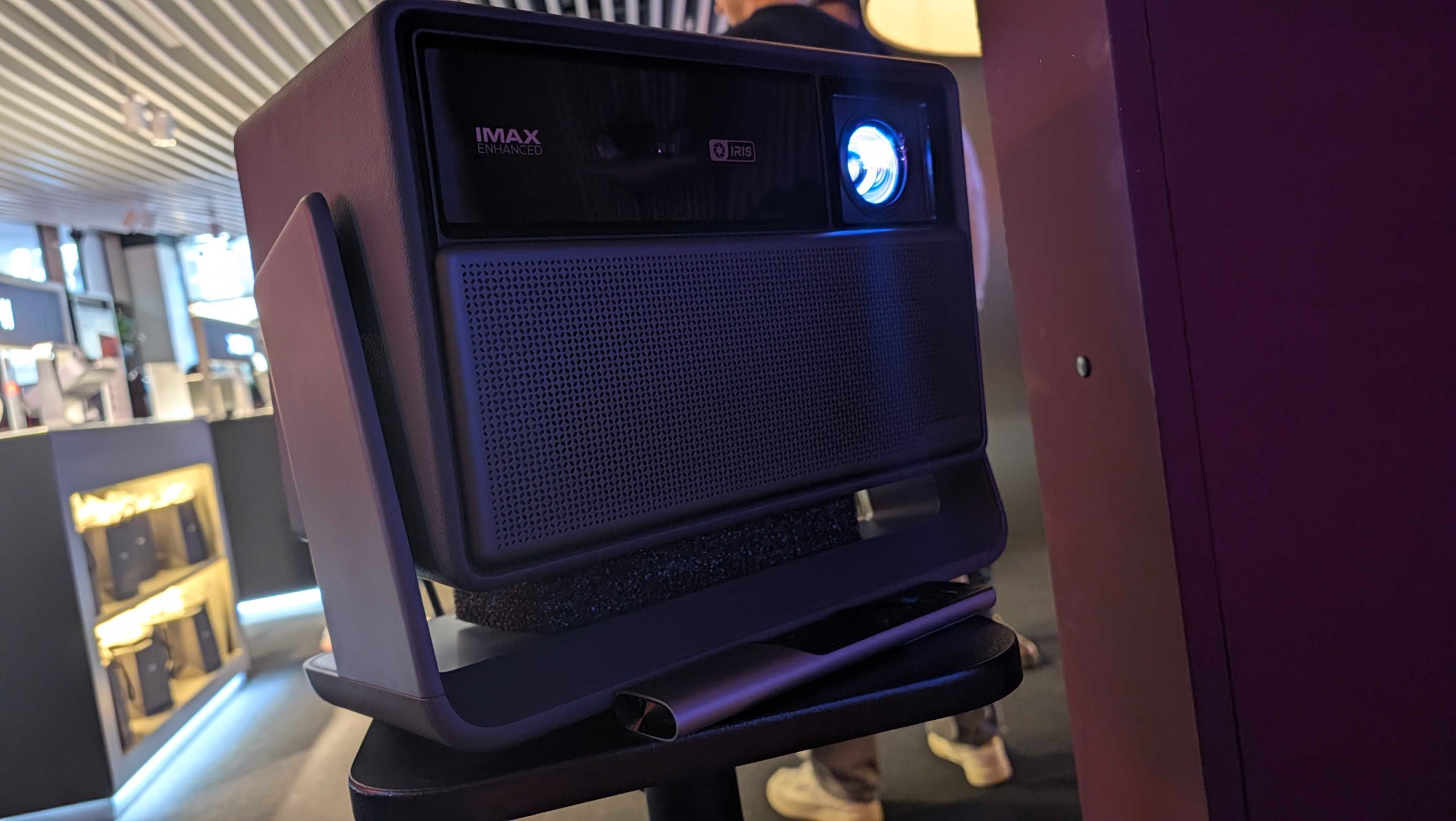
The evolution of home cinema projection technology has reached a new milestone as Xgimi, a brand that has rapidly ascended from a niche lifestyle projector manufacturer to a formidable competitor in the premium home entertainment market, officially announced its latest flagship lineup. The Horizon 30 series, consisting of the Horizon 30 Pro, Horizon 30 Max, and the top-tier Horizon 30 Ultra Max, represents the company’s most ambitious attempt to date to bridge the gap between portable convenience and high-end, dedicated home theater performance. This launch arrives at a critical juncture for Xgimi, which seeks to defend its market share against aggressive advancements from competitors like AWOL Vision, who recently secured industry accolades for performance in the premium projector segment.
A Chronology of Innovation
Xgimi’s trajectory over the past three years has been characterized by consistent iterative improvements. In early 2024, the company released the Horizon 20 Max, a projector that received critical acclaim for its sophisticated imaging engine and user-friendly interface. While reviewers praised the Horizon 20 Max for its visual fidelity, the general consensus was that it occupied a "near-great" status, requiring further refinements in contrast ratios and motion handling to achieve industry-leading performance.
The development of the Horizon 30 series was fast-tracked to address these specific criticisms. By integrating advanced light-source technology and enhanced signal processing, Xgimi has transitioned from the hardware limitations of the previous generation to a new standard of high-frequency visual output. The series is set to hit the market in two distinct waves: the 30 Pro and 30 Max models will arrive on retail shelves on November 1, 2024, followed by the highly anticipated flagship, the Horizon 30 Ultra Max, on November 11, 2024.
Technical Specifications and Performance Data
The technical specifications released by Xgimi underscore a significant leap in light-engine capabilities. The Horizon 30 Ultra Max, the standout model of the new range, boasts a peak brightness of 6,000 lumens. This figure represents a five percent increase over its predecessor, the Horizon 20 Max, but more importantly, it positions the device as one of the brightest consumer-grade projectors currently available on the market.
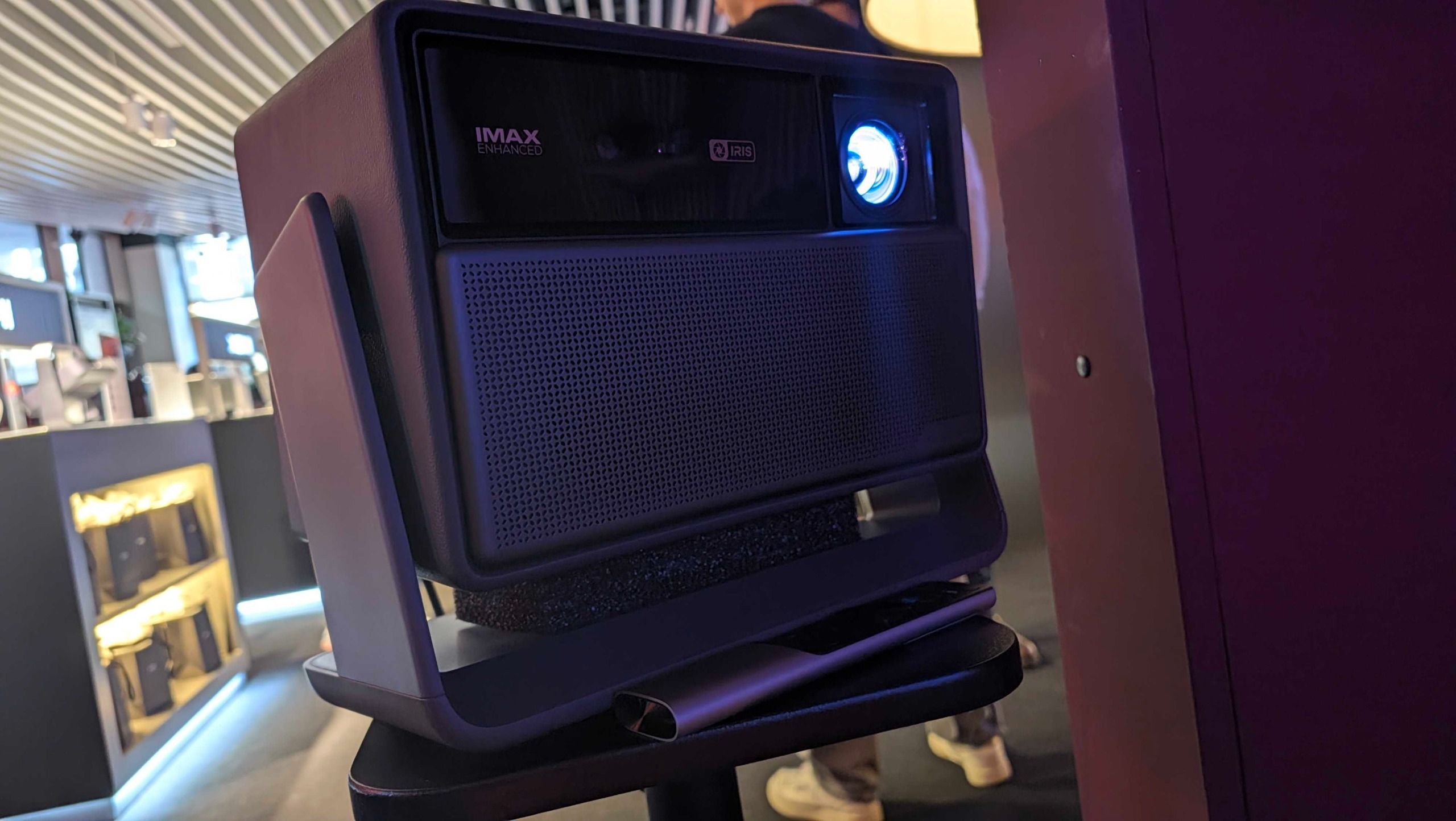
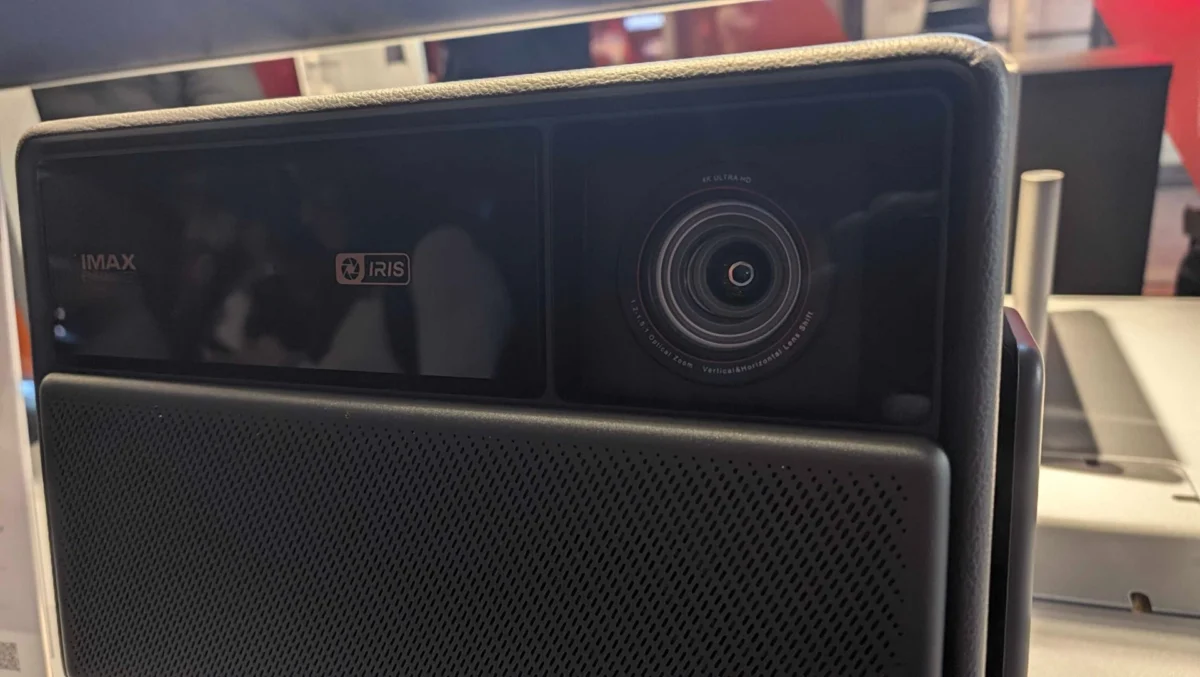
Beyond mere luminosity, Xgimi has addressed the critical metric of native contrast, claiming a 10,000:1 ratio for the Ultra Max model—a sevenfold increase compared to the previous generation. This development is essential for achieving deep black levels and nuanced shadow detail, factors that have historically been the primary weakness of LED and laser-hybrid projectors compared to traditional bulb-based or high-end LCoS (Liquid Crystal on Silicon) systems.
Perhaps the most significant advancement for the gaming and sports-viewing community is the universal implementation of 4K resolution at 120Hz refresh rates across the entire Horizon 30 series. While 4K projection has become a standard feature in mid-to-high-tier units, the inclusion of 120Hz support is rare. This capability effectively doubles the motion-handling performance of the Horizon 20 series, providing a fluid visual experience that is increasingly demanded by owners of next-generation consoles such as the PlayStation 5 and Xbox Series X.
Comparative Analysis and First Impressions
During an exclusive technical demonstration held in Munich, industry analysts were given the opportunity to evaluate the Horizon 30 Ultra Max in controlled environments. Direct side-by-side comparisons with the Horizon 20 Max revealed tangible improvements in dynamic range. In high-contrast sequences—such as explosions or bright light sources against dark backgrounds—the new model exhibited significantly better light control. The "blooming" effect, a common artifact in high-brightness projection, appeared to be better managed, allowing for more precise highlights without washing out the surrounding image.
Furthermore, the projector’s ability to maintain image integrity in the presence of ambient light was evident. During daylight simulation tests, the 6,000-lumen output allowed the projected image to retain color saturation and sharpness that would typically be lost in standard consumer units. For the average consumer, this translates to greater versatility, allowing for high-quality viewing in living rooms or multi-purpose spaces rather than just dedicated, light-controlled basements or theaters.
However, the hardware does not come without potential areas for further scrutiny. The integrated audio system, utilizing 12W Harman Kardon speakers, remains a point of contention. While internal audio is a convenient feature for casual use, initial demonstrations suggested that the system may struggle with the dynamic range required for high-intensity cinematic soundtracks, particularly in terms of low-frequency extension and clarity during complex soundscapes. As such, the company continues to position the projector as a primary video component, with the expectation that users will pair it with dedicated external audio solutions for a complete home theater experience.
Pricing and Market Positioning
The pricing strategy for the Horizon 30 series reflects its premium status. The entry-level models, the Horizon 30 Pro and 30 Max, are priced at £2,099 ($2,499), while the flagship Ultra Max enters the market at £2,799 ($3,499). This places the series firmly in the premium lifestyle category, competing directly with high-end short-throw and long-throw projectors from established brands.
The availability of specialized accessories, including ceiling mounts, adjustable stands, and active 3D glasses, suggests that Xgimi is targeting the serious home cinema enthusiast who views the projector as a permanent fixture of their home entertainment system. By offering a modular ecosystem, Xgimi is attempting to reduce the barrier to entry for professional-grade installations.
Broader Industry Implications
The release of the Horizon 30 series is emblematic of a broader shift in the projector industry. As televisions continue to grow in size and drop in price, the projector market has had to pivot toward delivering experiences that TVs cannot easily replicate—specifically, the "immersive scale" of a 120-inch or larger display. By pushing brightness and refresh rates, Xgimi is making a calculated bet that consumers are willing to invest in high-performance projection if the technology can overcome traditional hurdles like light sensitivity and motion blurring.
The success of the Horizon 30 series will likely depend on how these units perform in long-term, real-world conditions. Specifically, the longevity of the light source, the heat management of the chassis during extended 4K/120Hz operation, and the consistency of the image quality over time will be key metrics for consumers. As the company moves toward the official November launch dates, the pressure will be on to demonstrate that these impressive on-paper specifications translate into a reliable, high-fidelity experience that justifies the premium price tag.
In conclusion, the Horizon 30 series represents a pivotal moment for Xgimi. By addressing the specific technical limitations of its predecessor and introducing cutting-edge features like 4K/120Hz support, the company has signaled its intent to lead the consumer projector market. Whether this latest effort will be sufficient to secure a dominant position against stiff competition remains to be seen, but the initial technical data suggests that Xgimi is moving in the right direction. The upcoming rigorous, independent testing of these units will be the final arbiter of whether the Horizon 30 Ultra Max can truly be considered the new standard for the modern home cinema enthusiast.