










Wildlife photography continues to serve as both a demanding technical discipline and a profound medium for environmental storytelling, bridging the gap between human observers and the natural world. This week’s compilation of standout wildlife imagery highlights the critical intersection of advanced photographic equipment, split-second timing, and pivotal conservation achievements across the globe. From high-speed captures of avian predators in Florida wetlands to historic sanctuary milestones in Europe, these photographs document the resilience, beauty, and vulnerability of global fauna.
Technical Precision: Freezing High-Speed Avian Action
Achieving high-caliber wildlife photography requires an intricate balance of ecological knowledge, advanced camera technology, and unwavering patience. At the Arthur R. Marshall Loxahatchee National Wildlife Refuge in Boynton Beach, Florida, photographer Ronen Tivony demonstrated this mastery by capturing a precise moment in avian predation. Utilizing a Sony A9 II high-end flagship mirrorless camera paired with a 400mm lens and a rapid 1/1600 second shutter speed, Tivony froze the exact instant a great egret tossed a fish into its bill, preserving even the microscopic dispersion of displaced water droplets in mid-air.
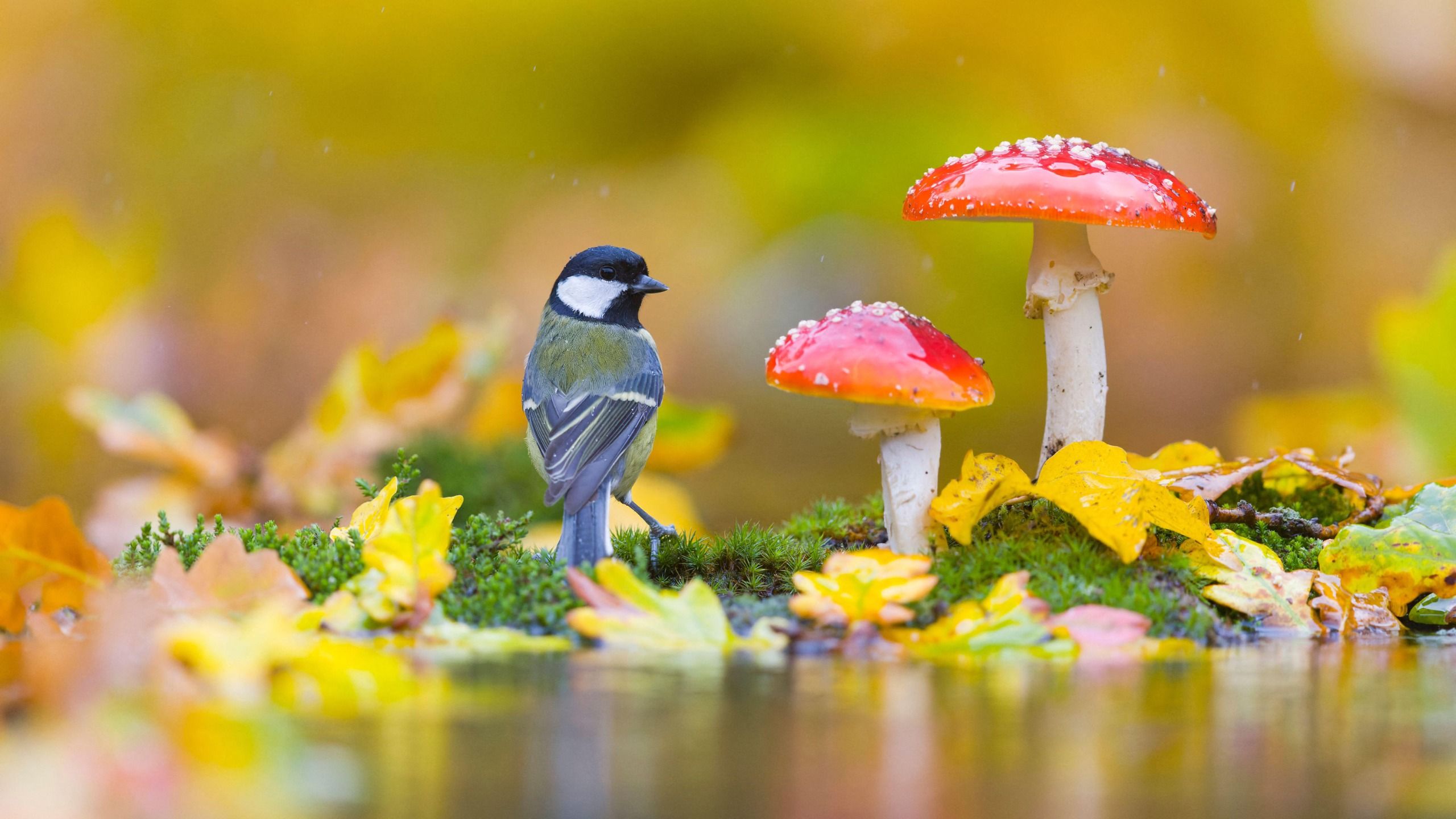
Modern wildlife cameras, such as the Sony A9 series and its competitors, rely on advanced stacked CMOS sensors and high-speed electronic shutters capable of shooting upwards of 20 to 30 frames per second without blackout. These technological leaps allow photographers to consistently secure split-second action shots that were once considered nearly impossible to capture reliably on analog or early digital systems.
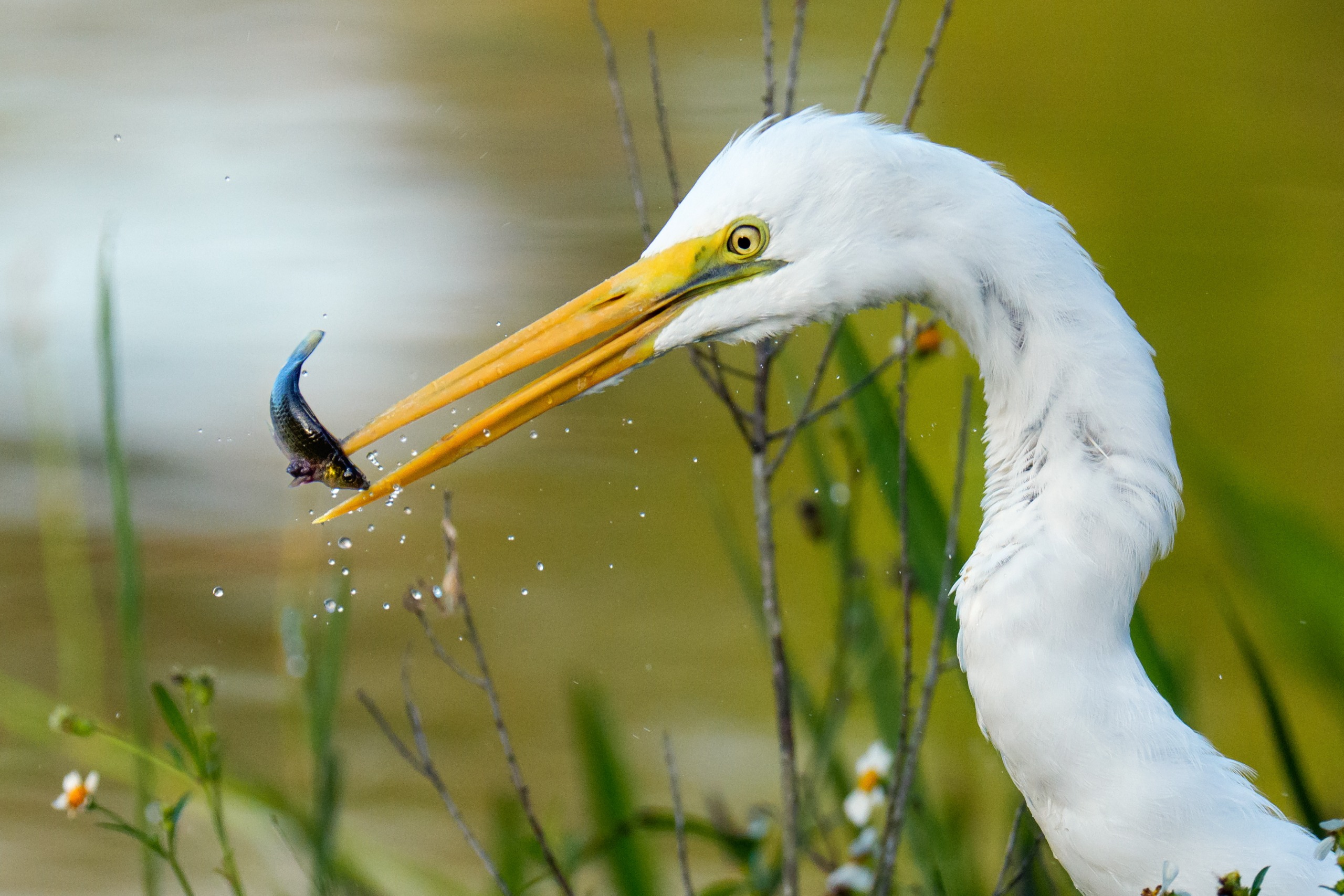
Further north in Delray Beach, Florida, photographer Bruce Bennett leveraged the capabilities of the Canon EOS R5 Mark II paired with an RF 100-500mm f/4.5-7.1 L IS USM lens to document a rare meteorological and ecological convergence. Bennett’s frame features three Anhinga birds and a Boat-tailed Grackle perched in a storm-weathered tree against the vivid backdrop of a full rainbow. The technical challenge of balancing the high contrast between the dark plumage of the wetland birds and the brightly illuminated atmospheric spectrum underscores the dynamic range capabilities of modern full-frame sensors.
Camouflage and Adaptation in Natural Habitats
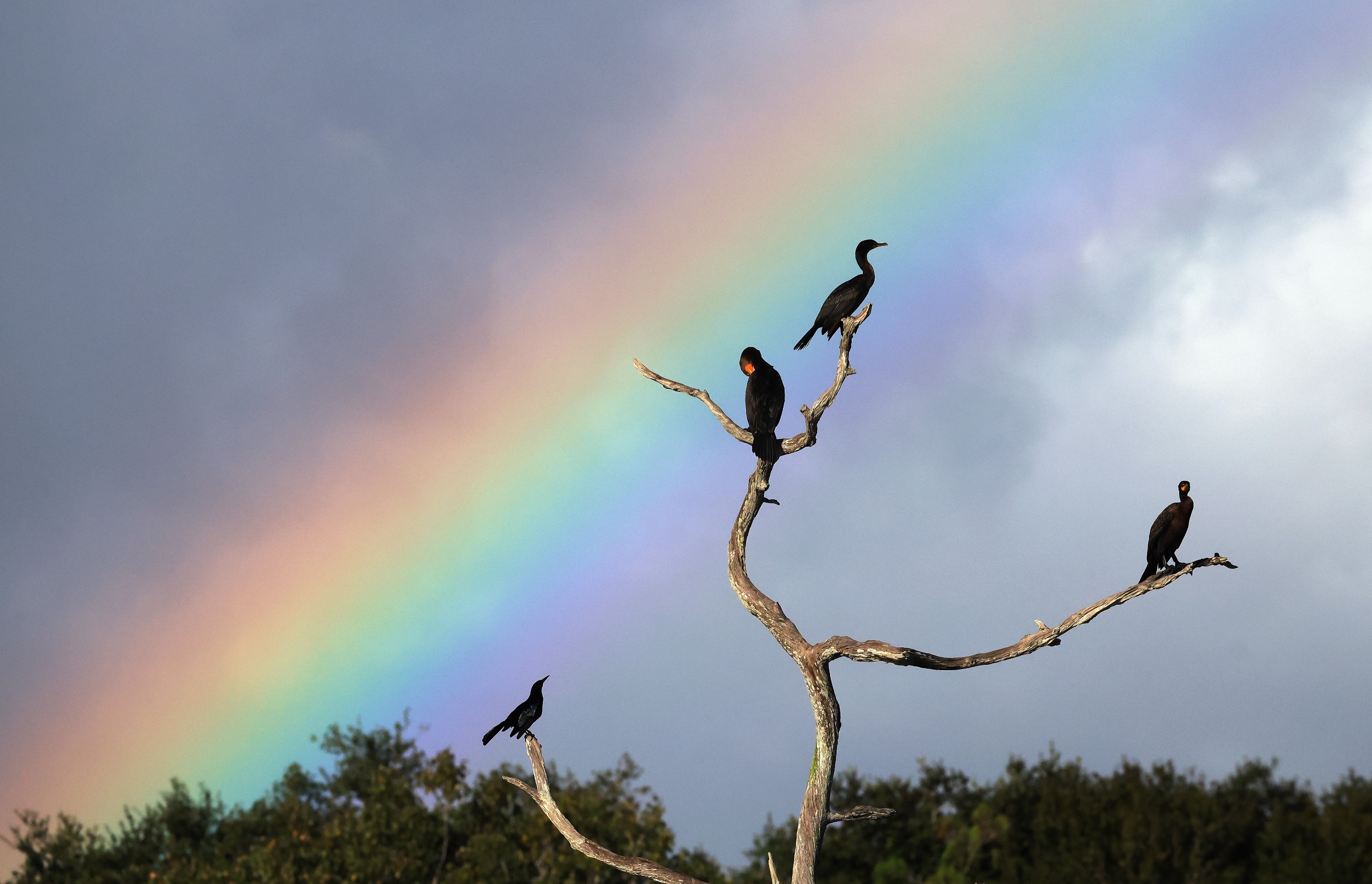
Beyond high-speed action, wildlife photography frequently emphasizes behavioral ecology and the remarkable adaptations of species within disturbed or natural landscapes. In the Karacabey Longoz Forests of Bursa, Türkiye, photographer Alper Tuydes documented a long-eared owl sheltering inside the hollow trunk of a tree toppled by severe seasonal storms.
The image highlights the evolutionary adaptation of cryptic coloration. Long-eared owls possess mottled brown and grey feather patterns that provide near-perfect disruptive camouflage against tree bark, allowing them to roost undetected by diurnal predators. Environmental conservationists note that preserving deadwood and fallen timber within forested ecosystems is critical for maintaining habitat structures for cavity-nesting birds and mammals. The storm-damaged landscape, while visually disruptive, serves an essential ecological function by providing micro-habitats for vulnerable wildlife populations.
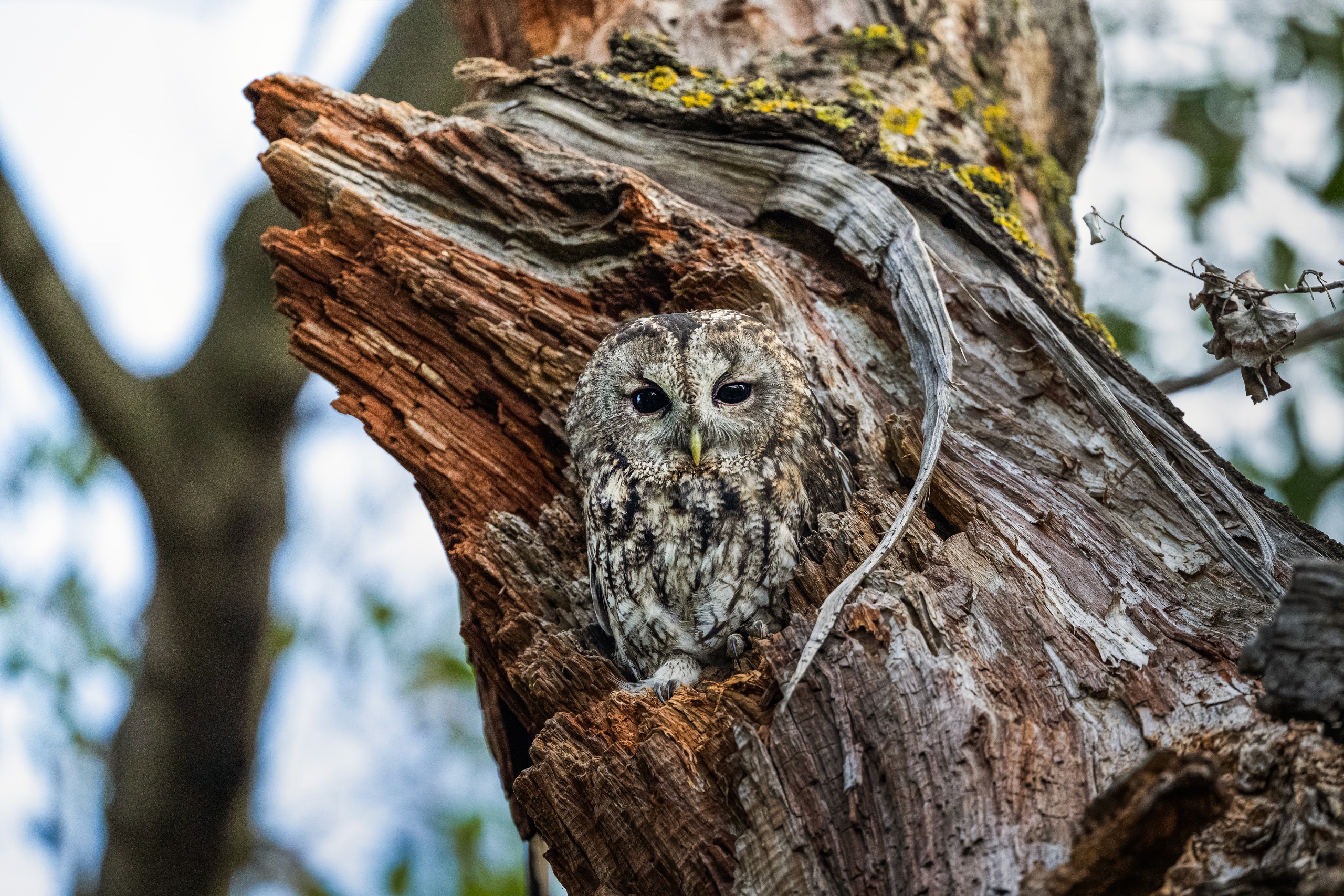
In a similarly composed autumnal setting, photographer Paul Sawyer captured a great tit (Parus major) foraging near the water’s edge in Suffolk, England, framed by vibrant seasonal foliage and Fly agaric (Amanita muscaria) fungi. The inclusion of distinct botanical elements provides crucial context regarding the seasonal shifts in European woodland habitats during the month of October, as resident songbirds adapt their foraging strategies ahead of winter.
Milestones in European Wildlife Conservation: The Resettlement of Julie
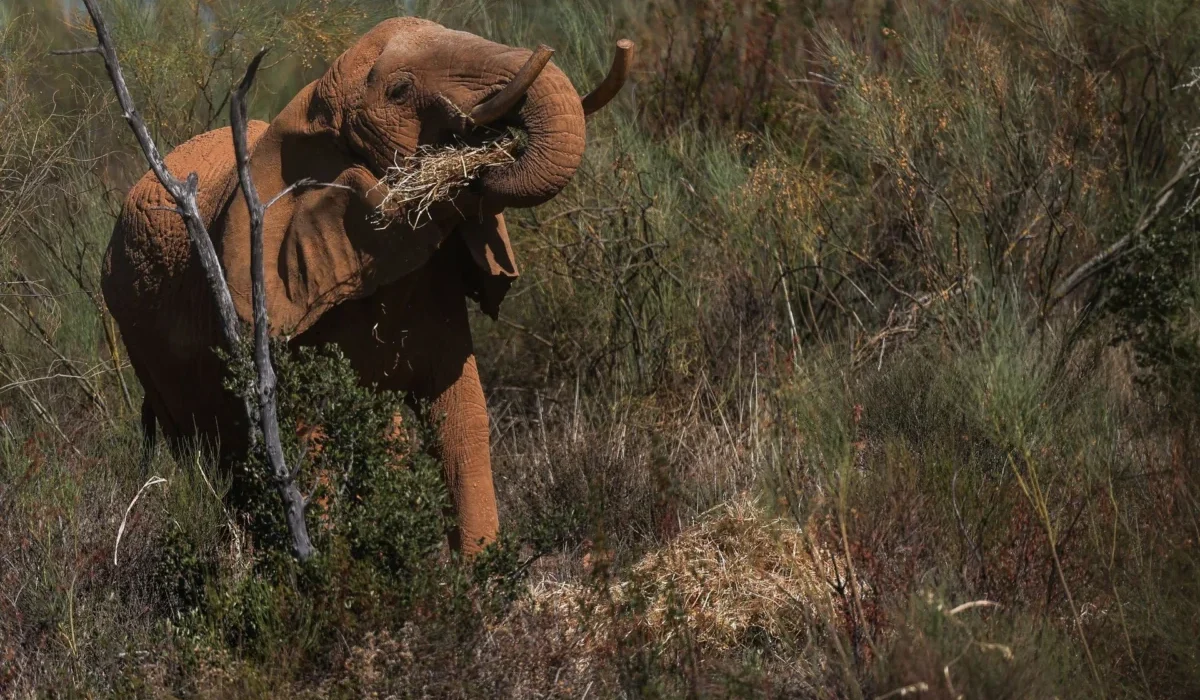
While wildlife photography often documents animals in entirely unmanaged wilderness, recent photographic documentation has also highlighted monumental shifts in captive animal welfare and sanctuary establishment. Among the most significant stories documented this week is the relocation of Julie, a 45-year-old female elephant, to the newly established Pangea sanctuary in Vila Viçosa, located in the Alentejo region of Portugal.
Captured by photojournalist Patricia De Melo Moreira for AFP via Getty Images, the images of Julie mark the end of an era for animal entertainment in the Iberian Peninsula. Julie is documented as the final surviving wild animal to have performed in any circus in Portugal, bringing a definitive close to the commercial exploitation of performing exotic mammals within the nation.
The Pangea sanctuary represents a transformative approach to wildlife rehabilitation in Western Europe. Spanning an expansive 400 hectares, the facility is designed as the first large-scale elephant sanctuary on the European continent. Conservationists and animal welfare organizations have long advocated for the creation of spacious, climate-appropriate sanctuaries for aging captive elephants, which often suffer from chronic joint issues, foot ailments, and psychological distress as a result of decades spent performing or living in confined enclosures.
The establishment of the Alentejo sanctuary reflects a broader legislative and cultural shift across Europe regarding the ethics of keeping wild animals in captivity. Over the past decade, numerous European Union member states have enacted stringent bans on the use of wild animals in traveling circuses, forcing governments and private NGOs to collaborate on long-term housing solutions. The integration of elderly animals like Julie into specialized, expansive reserves requires substantial financial investment, specialized veterinary care, and dedicated infrastructure to ensure their psychological and physical rehabilitation.
The Broader Implications of Wildlife Visual Media
The documentation of these diverse subjects—ranging from migratory wetland birds to rehabilitated megafauna—underscores the vital role that visual media plays in modern conservation biology. High-impact photography not only educates the public on ecological dynamics and animal behavior but also drives public policy and philanthropic support for habitat preservation and animal rescue operations.
Industry analysts and wildlife conservation groups frequently emphasize that ethical wildlife photography adheres to strict guidelines designed to prevent stress or habitat disruption for the subject. As camera technology becomes increasingly accessible and capable of capturing unprecedented detail in low light and at high magnification, the responsibility of the photographer to prioritize animal welfare remains paramount.
For enthusiasts looking to enter or advance within the field of wildlife and nature photography, selecting the appropriate equipment is a foundational step. Modern buying guides consistently highlight specialized super-telephoto lenses—such as 100-500mm and 200-600mm zooms—alongside camera bodies featuring advanced autofocus tracking powered by artificial intelligence, which can rapidly detect and lock onto the eyes of birds and mammals.
Ultimately, whether through the meticulous timing required to freeze a hunting egret or the patience needed to document a recovering circus elephant in a 400-hectare European sanctuary, wildlife photography continues to serve as an indispensable window into the natural world, documenting both the resilience of wild species and humanity’s evolving responsibility toward their protection.