










Success in the competitive landscape of professional wedding photography is frequently misidentified as a product of technical prowess and expensive camera gear. While high-resolution optics and sophisticated lighting techniques are prerequisites for the craft, industry data suggests that client satisfaction and repeat business are more closely tethered to "soft skills"—specifically, the ability to manage expectations and execute a cohesive, pre-negotiated plan. According to professional studies in the service industry, nearly 70 percent of client dissatisfaction in creative fields stems from a lack of clear communication regarding deliverables and logistics, rather than the final artistic output itself.
For wedding photographers, the planning phase is the foundation upon which the entire event rests. By implementing a systematic, multi-stage strategy, photographers can transform the chaotic environment of a wedding day into a structured production, ensuring consistent results regardless of the variables at play.
Establishing the Client-Photographer Trust Paradigm
The relationship between a photographer and a couple begins the moment an inquiry is made. Establishing trust is not merely a courtesy; it is a critical business function. Professional photographers who adopt a consultative approach during the initial discovery meeting often see higher conversion rates and fewer mid-event conflicts.

Establishing this rapport requires a transition from a service provider mindset to a partnership model. During the initial consultation, it is imperative to address the client’s anxieties directly. By providing a clear roadmap of the wedding day, photographers can alleviate the stress often felt by couples, who may be unfamiliar with the logistical demands of a professional photo shoot. Research indicates that couples who feel heard and understood during the pre-planning phase report significantly higher satisfaction scores, often citing their photographer’s calming presence as a major factor in their overall positive experience.
Visual Alignment through Collaborative Moodboards
The concept of a "moodboard" has evolved from a creative tool into a vital instrument for project management. A shared digital document, populated with images that reflect the couple’s desired aesthetic, acts as a visual contract. This alignment process serves two functions: it defines the stylistic parameters of the work—such as lighting preferences, posing styles, and color grading—and it identifies potential disconnects between the couple’s vision and the reality of their chosen venue.
For instance, if a couple desires soft, natural-light portraiture but has scheduled their primary shoot during the harsh midday sun, the moodboard session provides the perfect venue to pivot the plan. By analyzing these visual references early, photographers can adjust expectations or propose alternative shooting times, effectively mitigating the risk of disappointment later.
The Strategic Value of Engagement Sessions
Engagement photography is increasingly recognized as a "trial run" for the wedding day. Beyond providing the couple with high-quality images for announcements or save-the-date cards, these sessions allow the photographer to observe the couple’s body language and comfort levels in front of the lens.

Data from top-tier studios suggests that couples who participate in an engagement shoot are significantly more relaxed during the actual wedding day. The photographer gains an intimate understanding of which poses feel natural to the couple and which ones cause discomfort. This "rehearsal" period allows for the refinement of directing techniques, ultimately saving valuable time on the wedding day when every minute is accounted for in the master timeline.
Logistics and the Master Timeline
The wedding timeline is the heartbeat of the event. It is common for professional photographers to request these schedules up to six months in advance to ensure that all necessary logistical support is in place. A well-constructed timeline must account for "buffer time"—a necessary cushion for unforeseen delays such as traffic, hair and makeup overruns, or inclement weather.
From a management perspective, the timeline should be treated as a fluid, living document. Photographers who proactively communicate with wedding planners, videographers, and caterers to synchronize their timelines prevent the friction that often arises when these vendors compete for the same space or time. The implication of a poorly managed timeline is not just a lost photo opportunity; it is a direct disruption to the flow of the wedding, which can lead to negative reviews and damaged professional reputations.
Identifying Key Stakeholders and VIPs
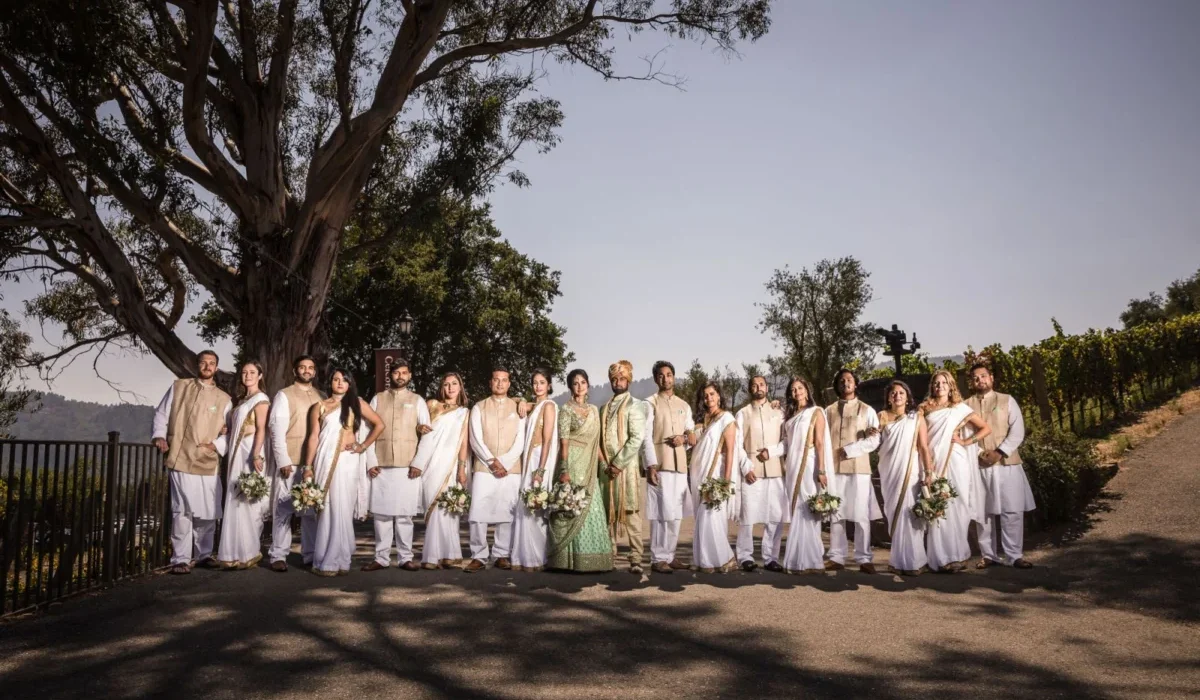
One of the most frequent points of failure in wedding photography is the mismanagement of family portraits. To ensure efficiency, professional studios insist on a "VIP List"—a curated document identifying key family members and wedding party participants.

This list serves two purposes: it ensures that no significant relationships are overlooked, and it provides the photographer with a visual guide to the most important guests. By assigning a member of the bridal party or a family member to assist in "rounding up" these individuals, the photographer can move through the formal portrait list with speed and precision. Efficient execution of this phase is crucial, as it typically occurs during the cocktail hour, a period where time is at a premium and client patience can wear thin.
The Final Pre-Wedding Walkthrough
The "final walkthrough," conducted approximately seven to ten days before the wedding, is the last line of defense against logistical errors. This conversation should be a focused review of the master timeline, the VIP list, and any final aesthetic adjustments.
During this call, the photographer should confirm the logistical details: Is there a backup location for the portraits in the event of rain? Have all vendors confirmed their arrival times? Is there a designated point of contact for the photographer if the couple is unavailable? This final verification process creates a sense of professional reliability that reassures the client and allows the photographer to enter the wedding day with full confidence in their plan.
Execution and Operational Readiness
On the day of the event, preparation shifts from planning to tactical execution. For professional studios, this means arriving at the venue early to survey the lighting conditions and identify the best locations for portraits based on the sun’s trajectory.

A professional team functions as a unit. Even in a solo-photographer environment, the principles remain the same: the equipment must be checked, the memory cards cleared, and the batteries charged. Furthermore, professional photographers often maintain a "go-bag" containing essentials such as safety pins, water, snacks, and even basic first-aid items. This level of readiness positions the photographer as an indispensable resource, capable of solving minor problems before they escalate into major issues.
Broader Implications and Long-Term Success
The industry-wide shift toward a planning-heavy approach reflects a broader trend in luxury service sectors: the elevation of the "experience" over the "product." In an era where digital saturation has made high-quality images more accessible, the value proposition of a professional photographer is defined by their ability to provide a seamless, stress-free experience.
The implications for the industry are clear: photographers who invest in business operations, communication, and systematic planning are better equipped to scale their businesses and command premium pricing. The technical ability to capture an image is merely the baseline; the ability to manage a wedding day with the precision of a project manager is what distinguishes the elite from the amateur.
By following a structured, evidence-based approach to wedding photography, professionals can ensure that their work is not only technically sound but also reflective of the trust and partnership established with their clients. The goal is to produce a collection of images that serve as a timeless record of the event, born from a foundation of thorough preparation and clear, professional communication. As the industry continues to evolve, those who prioritize these fundamental planning principles will likely remain the most sought-after professionals in the market, consistently delivering excellence in an environment where there are no second chances.