











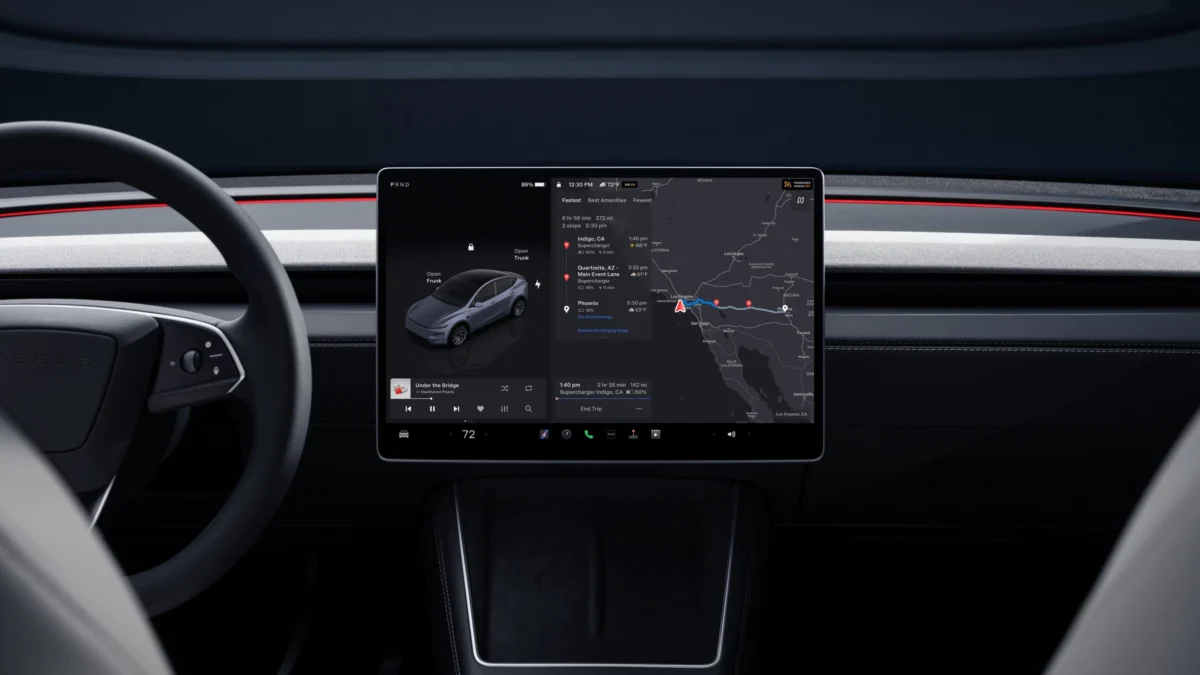
Tesla has overhauled its customer acquisition strategy by shifting the focal point of its newly revised Referral Program toward Full Self-Driving (Supervised) subscriptions. Launched globally on October 29, the updated program replaces the previous model’s hardware-centric and monetary incentives—such as direct Tesla credits—with a software-first approach that directly rewards users for onboarding others onto the company’s advanced driver-assistance ecosystem.
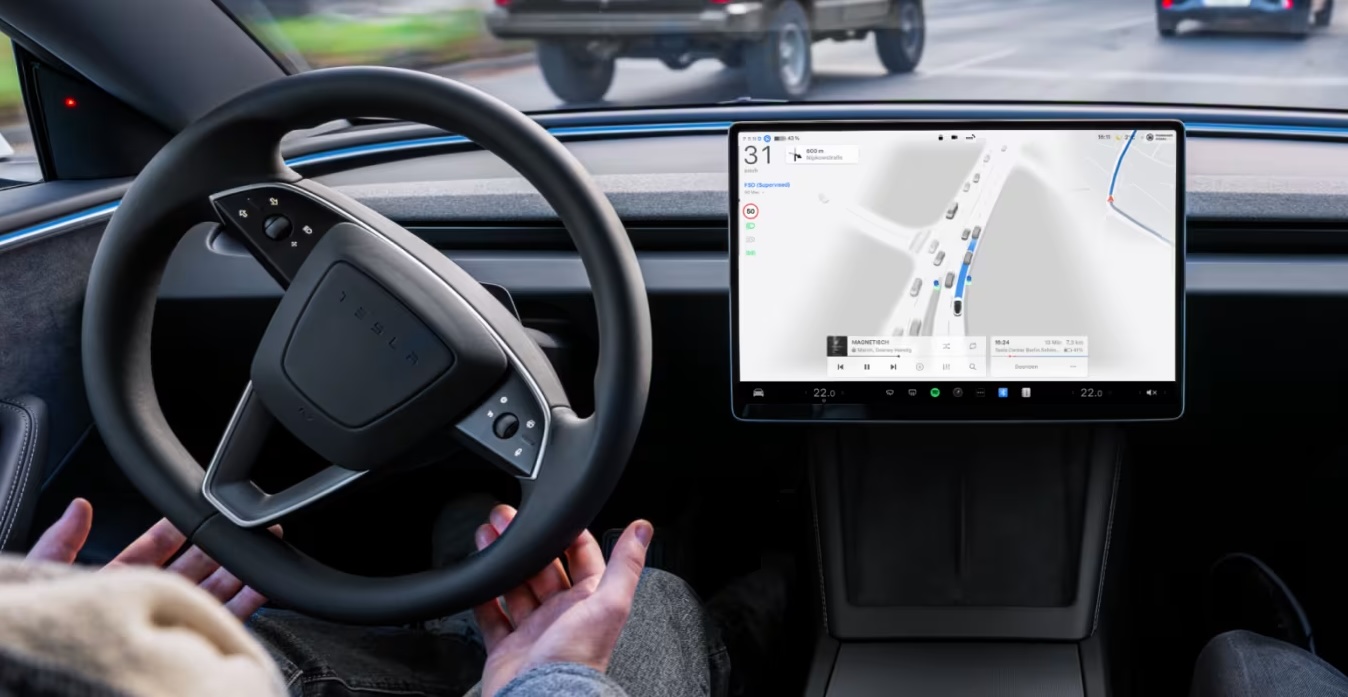
The structural pivot marks a significant milestone in Tesla’s commercial roadmap. For years, the automaker’s referral initiatives relied heavily on tangible purchasing actions, requiring consumers to buy new vehicles or solar products to generate meaningful value for the referrer. Under the revised framework, the barrier to entry has dropped considerably, aligning the referral mechanics with Tesla’s broader corporate shift toward software monetization and recurring revenue models.
Mechanics of the Revised FSD Referral Structure
Under the updated guidelines, the mechanics of the referral reward system operate on a monthly subscription cycle. When a Tesla owner currently evaluating an FSD trial utilizes a peer’s unique referral link to transition into a paid monthly FSD (Supervised) subscription, the owner of the referral link receives a one-month extension of FSD (Supervised) at no cost.

To prevent systemic exploitation while offering substantial upside for power users, Tesla has instituted a strict annual cap. Each unique referral link can be utilized up to 12 times per calendar year. The system automatically resets on January 1, establishing a maximum possible acquisition threshold of 12 successful subscriptions annually.
Mathematically, this means a dedicated community member or digital influencer who successfully maximizes their annual quota can secure a full 12 months of uninterrupted, complimentary access to Tesla’s flagship software suite. Industry analysts note that this approach transforms everyday drivers into organic software advocates, leveraging peer recommendations to accelerate conversion rates during trial periods.

Contrast with Legacy Incentive Models
The departure from the legacy referral model highlights a fundamental evolution in how Tesla rewards its loyal customer base. Previously, successful vehicle referrals yielded a $250 credit deposited directly into the referrer’s Tesla account. These credits offered tremendous versatility, as they could be redeemed across a wide array of ecosystem expenditures, including out-of-warranty service appointments, Supercharging sessions, or merchandise purchases within the official Tesla Shop.
While the previous financial credit system was popular, it presented inherent scaling limitations. Convincing a peer to purchase an entirely new electric vehicle represents a major financial commitment, restricting the pool of potential referrers to individuals with massive online audiences, niche blogs, or extensive personal networks within the EV community.

By pivoting the reward structure to FSD subscriptions, Tesla has democratized the incentive program. Subscribing to software for a single month represents a much lower financial hurdle than acquiring a multi-thousand-dollar automobile. Consequently, everyday owners with modest social circles now possess a viable path toward earning high-value rewards, significantly increasing overall program engagement and participation rates.
Strategic Implications for Software-Driven Growth
The elevation of Full Self-Driving to the keystone of the referral ecosystem is far from accidental. It arrives on the heels of impressive financial and operational metrics recorded during the third quarter, where Tesla noted a massive surge in software attachment rates. Notably, approximately 75 percent of all vehicle deliveries during Q3 were paired with an active FSD subscription, signaling a rapidly shifting consumer preference away from outright software purchases and toward flexible, subscription-based access.
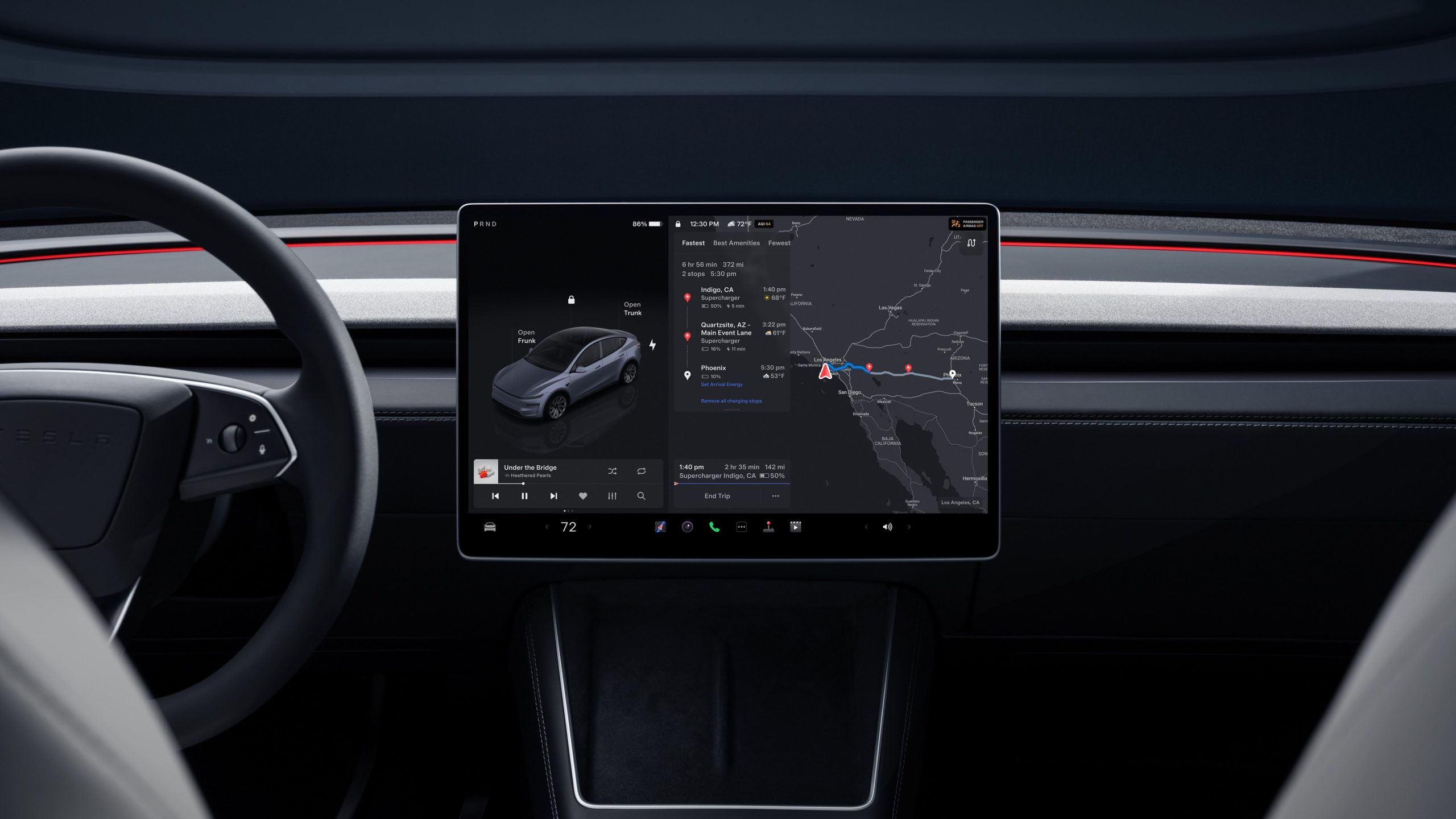
From an engineering and product development perspective, this program yields compounding benefits for Tesla’s artificial intelligence division. The continuous refinement of Tesla’s neural networks and autonomous driving algorithms relies fundamentally on the sheer volume of real-world driving data ingested from its global fleet. Every new user onboarded through the referral program contributes additional telemetry data, edge-case scenarios, and miles driven under supervision. This influx of data directly accelerates the training cycles required to transition from supervised architectures toward fully autonomous, unsupervised capabilities.
Furthermore, the timing of the referral overhaul coincides with broader ecosystem expansions. Tesla has concurrently rolled out advanced convenience features within its growing autonomous fleet, such as the deployment of "Quiet Mode" across its Robotaxi deployments in metropolitan hubs like Dallas and Houston. By simultaneously lowering the friction for software adoption and enhancing the in-cabin ride experience, Tesla is systematically building a multi-layered moat around its autonomous mobility and software services.
Market Reception and Future Outlook
Early indicators from the digital community suggest the new program has resonated strongly with Tesla enthusiasts. Within hours of the October 29 launch, prominent community members and automotive journalists reported rapid utilization of their updated links, with several accounts noting maximum capacity reached within the first morning cycle.
As Tesla continues to scale its driverless testing initiatives and prepares for broader commercial rollouts of its next-generation products—including the highly anticipated Roadster and expanded robotaxi services—the software referral framework is expected to serve as a primary engine for customer acquisition. By aligning consumer rewards directly with the company’s core technological ambitions, Tesla has engineered a sustainable loop where network growth directly fuels artificial intelligence development, cementing FSD as the definitive bedrock of the brand’s future enterprise value.