








Tesla has officially begun integrating its proprietary, in-house Robotaxi network into its customer service ecosystem, marking a significant strategic shift in how the electric vehicle manufacturer keeps drivers mobile during maintenance and repairs. Moving away from traditional arrangements like third-party rideshare credits and limited inventory-dependent loaner fleets, Tesla service centers are now actively prompting customers to utilize the autonomous Robotaxi platform for their local transportation needs while their personal vehicles are being serviced.
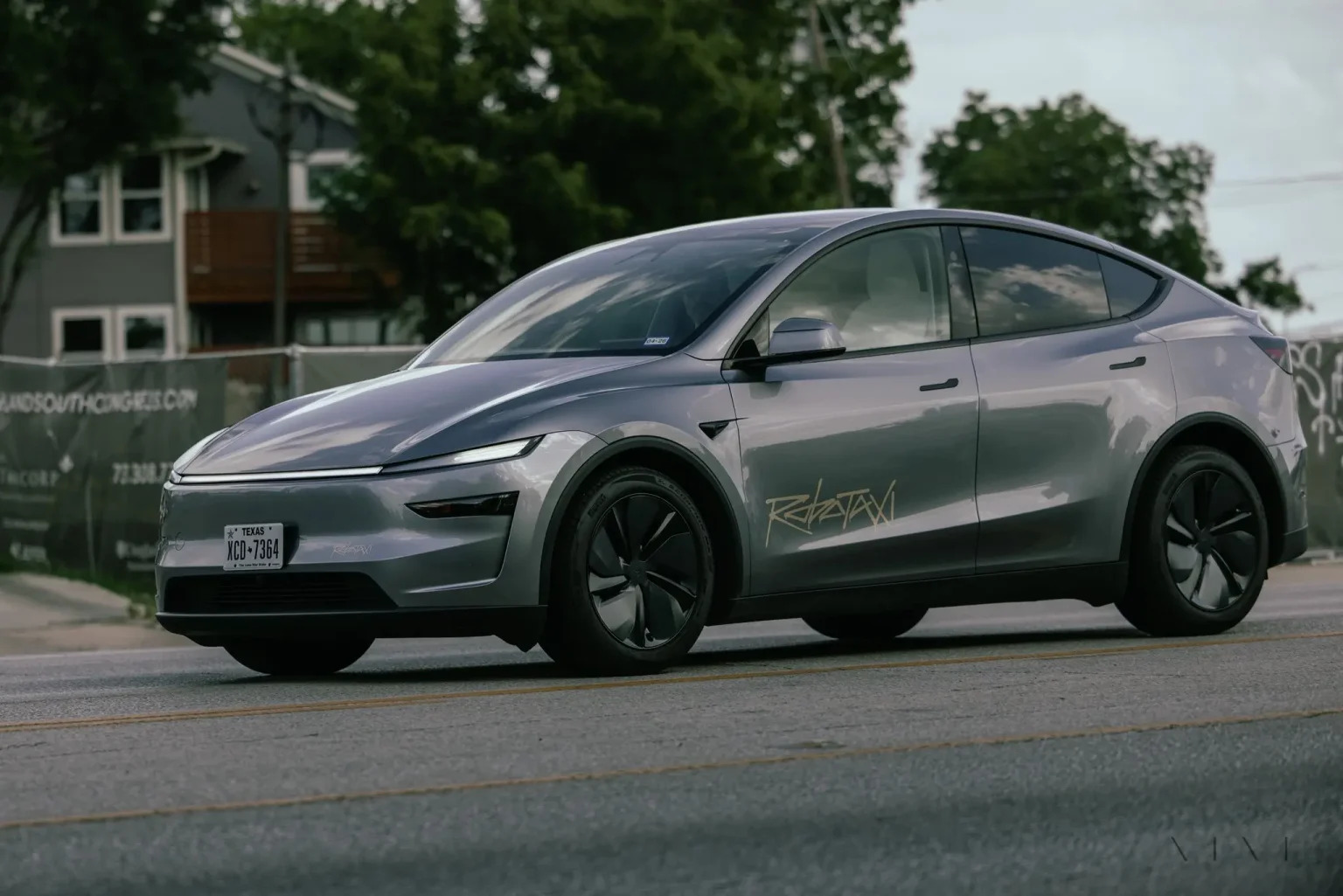
The initiative made its public debut in Austin, Texas, where Tesla owners bringing their vehicles in for scheduled or unscheduled appointments have received in-app notifications guiding them toward the autonomous fleet. One prominent early instance occurred during a customer frunk repair at an Austin-area service center. The digital notification, titled Try Robotaxi During Your Service Visit, outlined a seamless process: while the customer’s car undergoes maintenance, they can hail an autonomous Tesla vehicle to travel to their next destination within the city and quickly download the companion Robotaxi application to coordinate the transit.
This development follows months of digital groundwork within Tesla’s software ecosystem. In September, code sleuths examining Tesla mobile application version 4.60.5 uncovered a specific logistical identifier labeled sv_transport_robotaxi. This line of code positioned autonomous ride-hailing directly alongside traditional alternatives like paid loaner vehicles and alternative transit options for service appointments, indicating that the company had long planned to channel its service customers through its growing autonomous network.

The Evolution of Tesla’s Service Mobility Strategy
For years, Tesla has balanced two primary methods to maintain customer mobility during extended service visits, both of which present notable operational friction. Traditionally, service centers maintained a restricted fleet of physical loaner cars. While convenient for consumers, these vehicles tie up capital and occupy inventory that otherwise could be sold to retail buyers. Furthermore, when physical loaners were unavailable, service locations frequently distributed third-party digital ride credits—primarily through Uber or Lyft.

Although Uber credits remained a staple at various locations, the practice had been largely phased out across most major facilities due to recurring third-party expenses. Transitioning service mobility to an in-house Robotaxi ecosystem allows Tesla to bypass external platform costs entirely. More importantly, it ensures that company-owned autonomous vehicles maintain high utilization rates while simultaneously introducing everyday vehicle owners to the practical interface and operation of the Robotaxi network. Once maintenance is finalized, customers can summon another autonomous vehicle via the app to return to the service center, entirely eliminating the need for staffed vehicle handoffs or key management.
Austin as the Primary Testing Ground

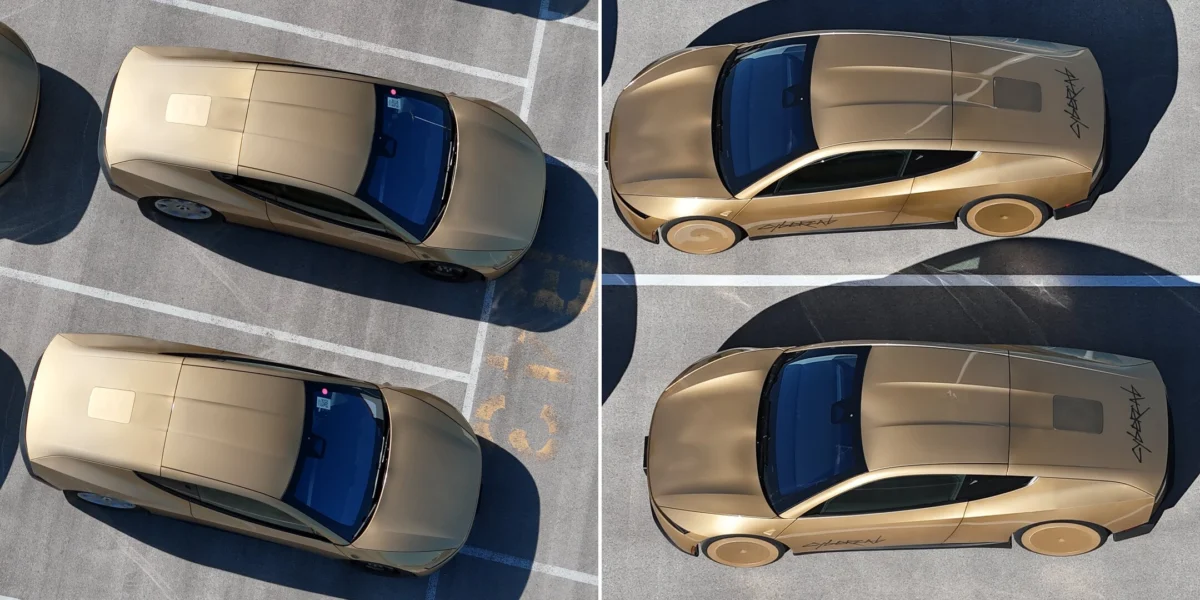
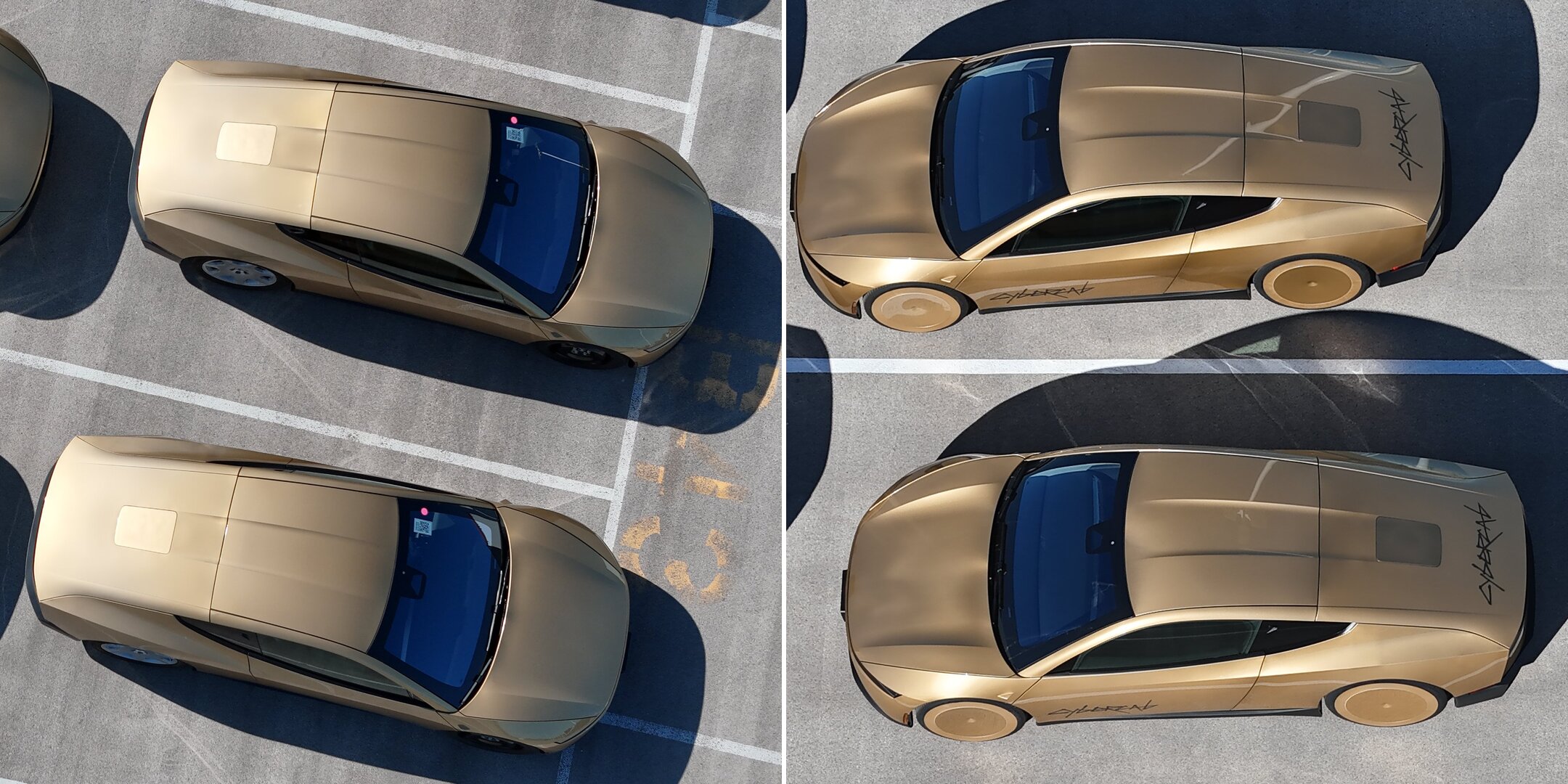
The rollout in Austin is deeply tied to Tesla’s broader deployment strategy for autonomous transport. Austin continues to serve as the company’s flagship market for the Robotaxi platform. Operating on a continuous 24/7 schedule, the geofenced service area spans a massive 400 to 440 square miles, accommodating both unsupervised Model Y crossovers and purpose-built Cybercab vehicles.
Beyond the Texas capital, Tesla has steadily scaled its public driverless footprint across multiple key metropolitan regions. Unsupervised public rides are currently live in major urban centers including Dallas, Fort Worth, Houston, San Antonio, Miami, Orlando, and Tampa. As these operational footprints expand and the underlying autonomous fleet grows in volume, industry analysts expect service centers in these secondary markets to adopt the Austin model. This transition would effectively position autonomous rides as the default transport option for service clients, steadily phasing out legacy administrative overhead associated with traditional courtesy fleets.
Broader Operational and Financial Implications
The integration of Robotaxis into the service pipeline highlights Tesla’s broader strategy to extract maximum synergy across its diverse business units. By leveraging underutilized or circling autonomous vehicles during off-peak hours or by simply directing captive service traffic into the existing geofenced network, Tesla achieves a dual objective: it curtails third-party corporate expenditures while increasing daily passenger touchpoints for its autonomous software.
For consumers, the change offers a streamlined, futuristic alternative that removes the logistical hurdles of renting or borrowing a temporary vehicle. Rather than waiting for a loaner car to be cleaned and reassigned, or managing the activation of external rideshare codes, customers experience Tesla’s full autonomous stack firsthand during a routine life disruption.
As the company ramps up production of the Cybercab at Gigafactory Texas—notably featuring tightly integrated Starlink V5 communication hardware for enhanced high-bandwidth connectivity and backup data links—the integration of the Robotaxi platform into everyday service operations signals a maturing ecosystem. What began as a software line item in late 2026 has quickly materialized into a tangible operational utility, firmly binding Tesla’s vehicle servicing division to the future of autonomous ride-hailing.