








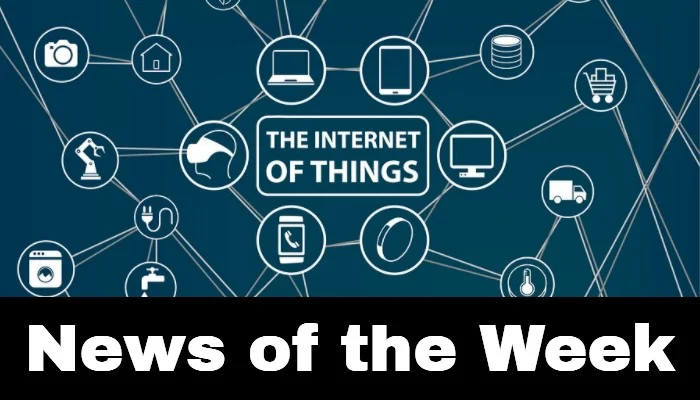
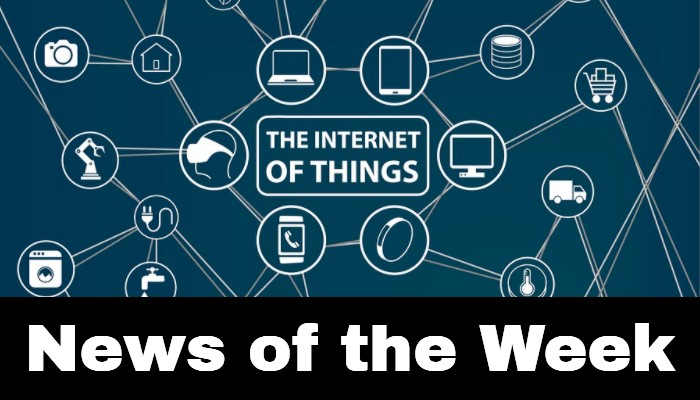
The Internet of Things (IoT) landscape saw significant shifts during the second week of August 2023, characterized by a transition from experimental smart home hardware to more integrated, security-focused ecosystems. As consumer markets mature, industry leaders are pivoting toward subscription-based services, while industrial sectors are doubling down on AI-driven predictive maintenance. This week’s developments reflect broader trends in corporate strategy, regulatory challenges in insurtech, and the final sunset of legacy digital assistants.
Philips Hue Expands into the Home Security Market
Signify, the parent company of the prominent smart lighting brand Philips Hue, is signaling a strategic pivot toward home security. According to recent reports and discussions during the company’s latest earnings call, Signify is preparing to launch a suite of security hardware, including four distinct camera models and integrated contact sensors.
This move comes as the smart lighting market faces increasing commoditization. Since the introduction of the Philips Hue bulb in 2012, the barrier to entry for smart lighting has collapsed, with dozens of manufacturers offering high-quality, low-cost alternatives. By expanding into security, Signify is addressing a fundamental challenge in the smart home business model: the long hardware lifecycle of light bulbs. Unlike sensors or cameras, which often require ongoing cloud storage and monitoring subscriptions, light bulbs are largely "set-and-forget" devices.
Industry analysts suggest that by integrating security cameras, Signify aims to tap into the recurring revenue potential of video storage and AI-based threat detection. This strategy aligns with current industry standards set by competitors like Amazon’s Ring and Google’s Nest, where hardware serves as an entry point into a high-margin, subscription-based ecosystem.
TP-Link Broadens Matter Interoperability
The smart home connectivity standard Matter continues to gain momentum as manufacturers push to make cross-platform compatibility the industry baseline. TP-Link, a major player in networking and smart home devices, has announced the expansion of its Matter-enabled lineup under its Kasa brand.
The introduction of the Kasa KS205 Smart Wi-Fi Light Switch and the Kasa KS225 Smart Wi-Fi Light Dimmer Switch follows the company’s earlier success with the Tapo brand’s entry-level Matter products. The new Kasa units are positioned as premium alternatives, priced at $27.99 and $29.99, respectively. These switches require a neutral wire—a critical installation detail for older housing stock—and offer robust automation features, including scheduling and "away mode" functionality. The proliferation of these devices underscores a shift toward a more unified smart home experience, reducing the friction consumers face when attempting to integrate devices across Apple Home, Amazon Alexa, and Google Home ecosystems.
The Sunset of Microsoft Cortana
Microsoft has officially concluded its long-standing experiment with the Cortana voice assistant. Originally launched in 2014 to compete with Apple’s Siri and the then-nascent Amazon Alexa, Cortana served as a cornerstone of Microsoft’s Windows 10 and mobile integration strategy.
The decline of Cortana is a case study in platform competition. While Cortana was noted for its natural language processing capabilities, it lacked the pervasive mobile presence of its competitors, ultimately failing to secure a significant market share in the smart speaker or mobile assistant space. With the release of Windows 11, Microsoft has formally disabled the Cortana app, signaling a transition toward generative AI integrations, such as the company’s "Copilot" suite. For users, the change marks the end of an era in which voice assistants were siloed within operating systems, replaced by broad-spectrum large language models that offer more sophisticated task management.
Industrial IoT: Tractian Secures $45 Million in Funding
Predictive maintenance remains one of the most lucrative sectors within the Industrial Internet of Things (IIoT). Atlanta-based firm Tractian recently secured $45 million in funding, bringing its total capital raised to over $60 million since its inception in 2019.
Tractian specializes in hardware-software integration, deploying proprietary sensors that monitor machine health in real-time. By utilizing machine learning algorithms to identify anomalies before a breakdown occurs, the company helps industrial clients avoid costly downtime. The $45 million investment is earmarked for research and development and the expansion of the company’s sales operations. Currently, Tractian serves over 500 customers, highlighting the growing industrial demand for data-driven asset management. This capital injection underscores investor confidence in AI-enabled industrial monitoring as a critical component of modern manufacturing infrastructure.
The Intersection of Insurtech and Surveillance
A growing concern among privacy advocates and homeowners is the use of connected IoT technology by insurance providers to assess risk. In states like California, where rising disaster costs and housing inflation have led to a crisis in insurance availability, firms are increasingly turning to non-traditional data sources to evaluate policyholders.
Recent reports have highlighted the use of drone footage to assess roof conditions and backyard features, such as swimming pools, to determine eligibility for policy renewals. In several instances, homeowners have had their policies cancelled based on visual evidence of "risk factors" captured by aerial surveys. While insurers maintain that these methods allow for more accurate risk assessment and lower premiums for the group at large, the practice has sparked a debate regarding the ethics of using private data to penalize policyholders. As more connected devices—including smart home security cameras and leak detectors—become standard, there is a looming risk that insurance companies will leverage this granular data to automate non-renewals, effectively turning the smart home into a tool for surveillance.
Innovations in Energy Harvesting
Researchers in Scotland are advancing the field of kinetic energy harvesting with the development of a graphene-based foam sensor. The material is designed to be embedded into flooring, generating approximately 10 watts of electricity when compressed by a human footstep.
This technology represents a potential breakthrough for battery-free IoT sensing. By using the energy generated from movement to power the sensor itself, the device can perform sophisticated data analysis, such as occupancy tracking and movement patterns, without requiring a permanent power source. While similar energy-harvesting technologies have been explored in the past, the efficiency of the graphene foam provides a path toward sustainable, maintenance-free environmental monitoring, particularly in high-traffic commercial and public spaces.
SaaviHome Shifts to a Franchise Model
The smart home installation market is entering a phase of professional consolidation. SaaviHome, an integration firm established in 2004, has announced its move into franchising to standardize the delivery of smart home services.
The company plans to utilize the Control4 software ecosystem as the backbone for its franchise operations. By offering a structured business model to local integrators, SaaviHome aims to scale its services across the Mountain West, specifically targeting growth in Colorado, Utah, Nevada, and Arizona. This development signals a broader professionalization of the smart home industry; as consumer systems become more complex and require professional integration, firms that offer reliable, standardized service models are finding significant market demand.
Summary of Market Implications
The developments of this week suggest that the IoT industry is moving past the "novelty" phase. The transition of lighting brands into security, the expansion of standardized protocols like Matter, and the maturation of industrial AI monitoring all point toward a future defined by service-oriented revenue models. However, these advancements bring significant regulatory and ethical questions. The integration of insurance underwriting with IoT surveillance highlights a critical friction point: as the home becomes more connected, the potential for digital data to negatively impact the physical well-being and financial stability of the consumer increases.
Moving forward, stakeholders will need to balance the convenience and efficiency offered by these technologies with the increasing necessity of data privacy and transparent, fair consumer practices. As AI continues to evolve, its integration into both the smart home and the industrial sector will likely accelerate, further cementing the role of the IoT as a fundamental layer of global infrastructure.