






Samsung Electronics has announced a significant evolution in its health-tracking ecosystem, aiming to provide users with more granular insights into their nocturnal health. The company is set to introduce a tiered classification system for sleep apnea detection, moving beyond the binary "alert or no alert" model that has defined its wearable health suite for years. This update will categorize detected breathing disturbances into three distinct frequency levels—mild, occasional, and frequent—providing users with a more detailed data set to bring to their healthcare providers.
The Technical Divide: A Software-Hardware Conflict
The rollout of this advanced feature highlights an increasing divide between Samsung’s latest hardware and its legacy wearable fleet. While the promise of enhanced data is significant, the requirement for Wear OS 7.0 or later acts as a technological gatekeeper. Consequently, while owners of older devices, such as the Galaxy Watch4 and newer, will retain the existing basic sleep apnea detection feature, they will be excluded from the new, more descriptive reporting tools.

This decision underscores the limitations of older hardware in processing complex algorithms locally. The new system requires more robust computational overhead to analyze breathing patterns in real-time, interpret the data, and generate the frequency-based reports. For users stuck on older software versions, the wearable will continue to function as a safety monitoring tool capable of flagging potential moderate-to-severe sleep apnea, but it will remain a "black box" regarding the specific frequency of these events.
Chronology and Availability
The deployment of this feature is scheduled to begin in South Korea in November, signaling a strategic focus on the company’s home market before a global expansion. The inaugural devices to receive the update include the Galaxy Watch9, the Galaxy Watch Ultra2, and the Galaxy Ring. Following this initial release, Samsung intends to push the update to the Galaxy Watch7 and Watch8 series.
As of now, the company has not provided a concrete timeline for the international release or a specific date for when the Watch7 and Watch8 will receive the update. For the average consumer, this creates a fragmented experience where the "smart" nature of the device is dictated as much by the software version as it is by the physical purchase date.

Understanding the Mechanism: How the New Algorithm Works
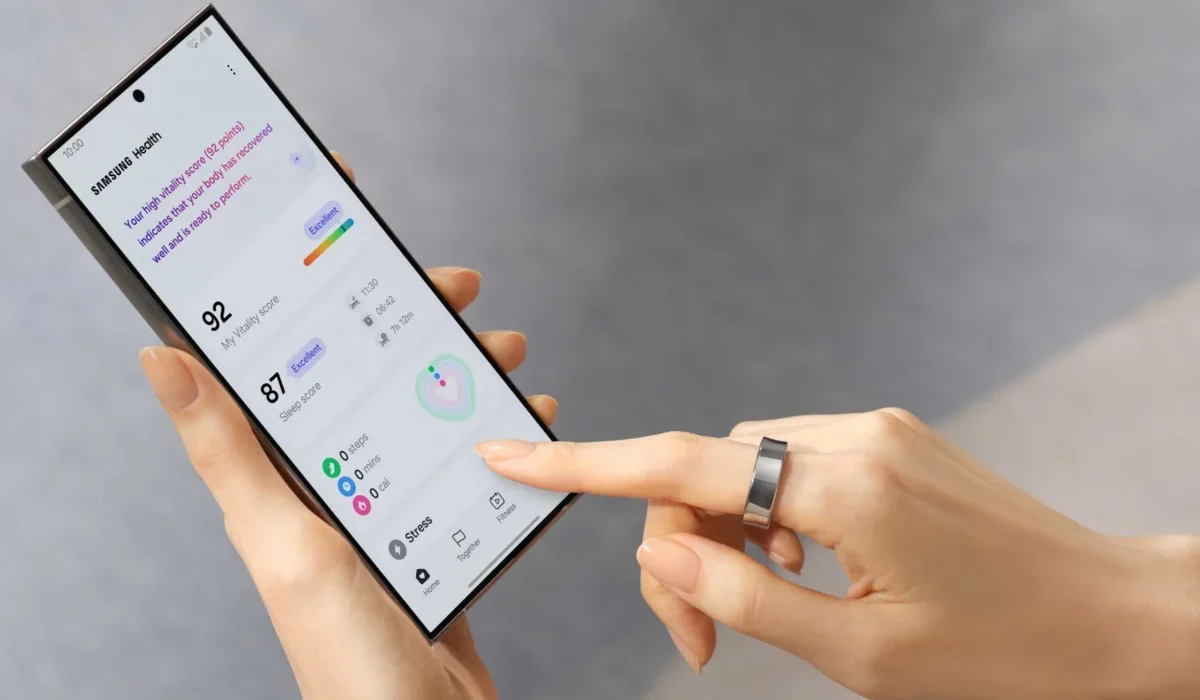
To access these insights, users must utilize the Samsung Health Monitor app. The system functions by tracking oxygen saturation levels and respiratory patterns throughout the night. Unlike simple heart-rate tracking, this diagnostic-adjacent feature requires a consistent baseline to ensure accuracy. Users must complete at least two sleep sessions, each lasting a minimum of five hours, within a 10-day window. This data-gathering period is essential to prevent false positives caused by isolated incidents, such as a single night of restless sleep or a minor illness.
The algorithm then calculates the number of breathing disturbances per hour. By quantifying these occurrences, Samsung provides a level of data that is actionable. While a simple warning can cause unnecessary alarm, a frequency-based report allows a user to monitor trends over time—for example, seeing if disturbances decrease after a lifestyle change or if they remain consistent across several weeks.
Supporting Context: The Growing Role of Wearables in Sleep Health
Sleep apnea is a chronic condition characterized by repeated pauses in breathing during sleep, which can lead to significant cardiovascular risks, including hypertension, heart disease, and type 2 diabetes. Traditionally, diagnosing this condition required a formal polysomnography (PSG) test in a sleep lab—a process that is often costly, time-consuming, and geographically inaccessible for many.

The integration of sleep apnea detection into consumer-grade wearables, which began gaining regulatory traction around 2023 and 2024, represents a shift toward preventative, patient-led health monitoring. By putting screening tools on the wrists of millions, companies like Samsung are theoretically shortening the time between the onset of symptoms and professional diagnosis. However, this convenience comes with a caveat: the potential for "over-diagnosis" or misinterpretation by users who may not understand the difference between a screening result and a clinical diagnosis.
Official Guidelines and Medical Disclaimer
Samsung has been explicit in its messaging that these updates do not constitute a medical diagnosis. The feature is restricted to users aged 18 and older who have not previously been diagnosed with sleep apnea. The company’s stance, backed by regulatory guidelines in various jurisdictions, emphasizes that the data provided by the Galaxy Watch is for informational purposes only.
Medical professionals generally advise that while wearable data can be a useful prompt to seek care, it should not replace the clinical judgment of a doctor. A "frequent" rating on a Galaxy Watch should be viewed as a signal to schedule an appointment with a primary care physician or a sleep specialist, rather than a final verdict on one’s health status.

Implications for the Wearable Industry
This update marks a broader trend in the wearable industry where hardware manufacturers are shifting focus from basic step counting and calorie tracking to long-term chronic condition management. The introduction of the Galaxy Ring, which is included in this update, highlights the drive to make health monitoring as unobtrusive as possible. By providing actionable, tiered data, Samsung is attempting to increase the "stickiness" of its ecosystem; users are more likely to remain within the Samsung fold if the device provides meaningful, longitudinal health insights that they cannot get from a competitor.
However, the strategy also invites regulatory scrutiny. As companies move closer to diagnostic-grade data, they face stricter requirements regarding data privacy, algorithm transparency, and the accuracy of their health claims. The decision to limit the new feature to newer software versions may be a move to ensure that only devices with the most capable sensors and processors are generating this more granular data, thereby reducing the risk of inaccurate readings that could lead to liability issues.
Future Outlook for Consumers
For consumers currently using the Galaxy Watch4, 5, or 6, the limitation is clear: if you want the most granular view of your sleep health, you will eventually need to upgrade your hardware. This reflects the reality of modern consumer electronics, where the most advanced health features are often reserved for the latest silicon and sensor arrays.

Nevertheless, the democratization of even basic sleep apnea detection remains a net positive for public health. According to various health organizations, a significant percentage of sleep apnea cases go undiagnosed, often because the symptoms—such as snoring or daytime fatigue—are dismissed as normal. By providing a low-friction way to flag these issues, Samsung and its competitors are effectively acting as a first line of defense in the healthcare journey.
As the industry moves forward, the focus will likely remain on how to bridge the gap between "consumer-grade" and "medical-grade" data. Whether through better sensor accuracy or more sophisticated AI-driven analysis, the goal is to provide users with enough context to make informed decisions about their well-being. Until then, users are encouraged to maintain an open dialogue with their medical providers, ensuring that any data gleaned from their wrist is treated as part of a larger, professional health evaluation.
For those looking to leverage these new features, the best approach remains patience. Keeping a device updated, monitoring software rollouts, and, most importantly, treating any concerning data as a conversation starter for a doctor, remains the standard of care for modern wearable users. As the landscape of mobile health continues to evolve, the distinction between the device on the wrist and the tools in the doctor’s office will continue to blur, necessitating both innovation from companies like Samsung and a measured, informed approach from the consumer.