








The release of the Apple Watch Series 12 signals a strategic pivot for Apple, moving away from incremental iterative updates toward a specialized focus on deep physiological data integration. While the device maintains the familiar aesthetic established in recent years, the internal architecture represents a significant departure from previous iterations, particularly regarding on-device intelligence and health-tracking precision. By aligning the hardware with the overhaul of the iOS 27.2 Health ecosystem, Apple is positioning its wearable not merely as a peripheral for the iPhone, but as a primary diagnostic tool for the average consumer.
A Chronology of Evolution: From Notification Tool to Health Monitor
To understand the significance of the Series 12, one must look at the progression of the Apple Watch over the last decade. Since its inception in 2015, the device has transitioned through distinct phases. Initially, it was marketed as a fashion-forward communication device. By the Series 4, the focus shifted to emergency medical features, such as Fall Detection and the ECG app.
The Series 10, released in September 2024, pushed the boundaries of display technology and battery efficiency. However, it was criticized by some power users for lacking a cohesive "readiness" metric—a feature popularized by competitors like WHOOP, Oura, and Garmin. The Series 12 arrives as the corrective measure to this criticism. By introducing a native "Readiness" app, Apple has closed the functionality gap that previously required third-party subscriptions or auxiliary hardware, effectively integrating high-level biometric synthesis directly into the watchOS interface.
Design Language and Hardware Specifications
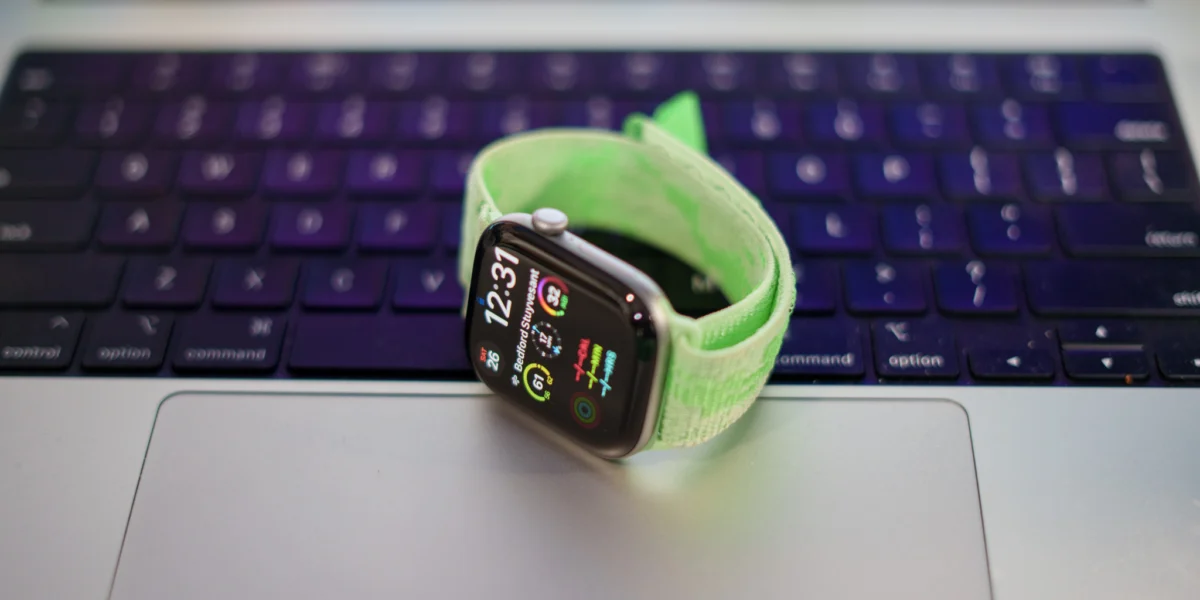
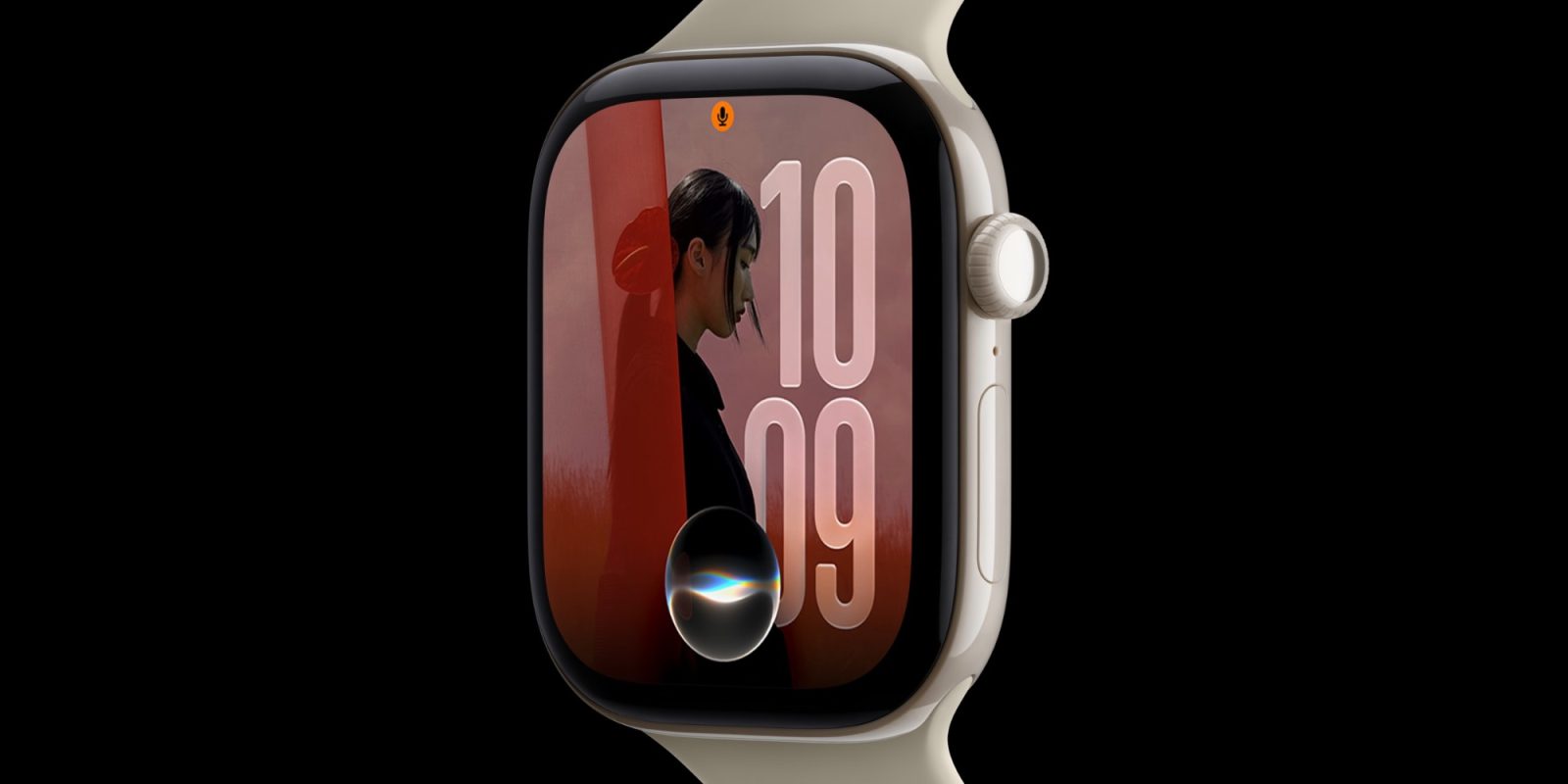
The design of the Apple Watch Series 12 maintains the soft, rounded rectangle aesthetic consistent with the Series 10. Industry analysts have noted that the bezels on the Series 12 are marginally thicker—a design choice necessitated by the inclusion of upgraded sensor arrays. While aesthetic purists may view this as a minor regression, the trade-off is objectively justified by the sensor performance.
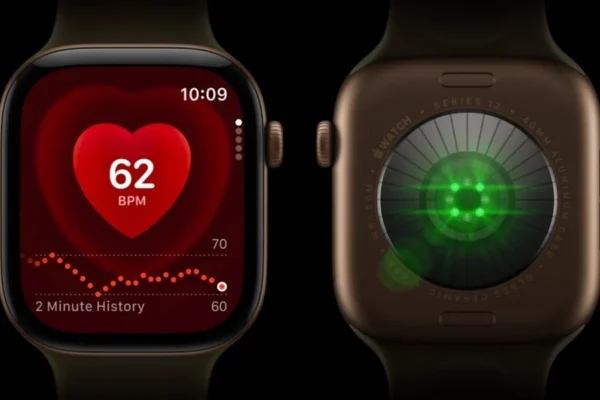
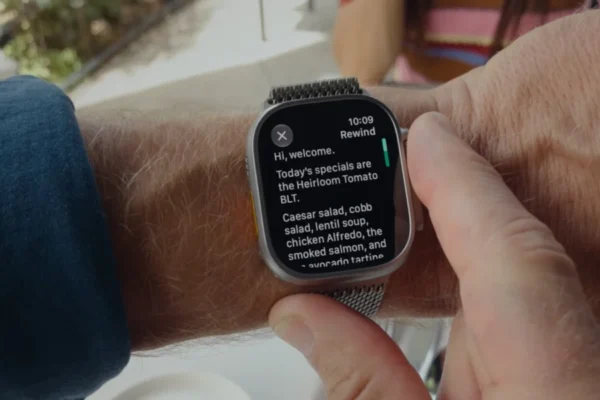
The heart-rate monitoring hardware has been redesigned to achieve higher sampling rates and greater accuracy during high-intensity interval training (HIIT) and sleep phases. Furthermore, the integration of an advanced neural engine within the SiP (System in Package) allows for significantly reduced latency in Siri processing. Tasks that previously required cloud-based round trips are now handled locally, providing a snappier, more responsive user experience that feels distinct from the Series 10.
The Overhaul of the Health App Ecosystem
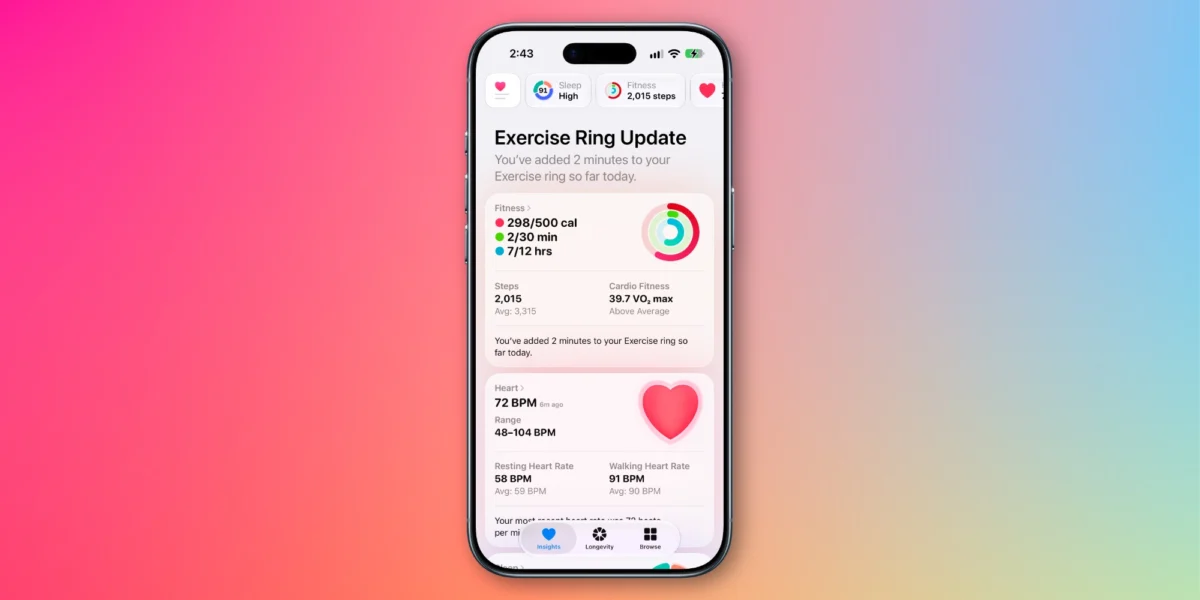
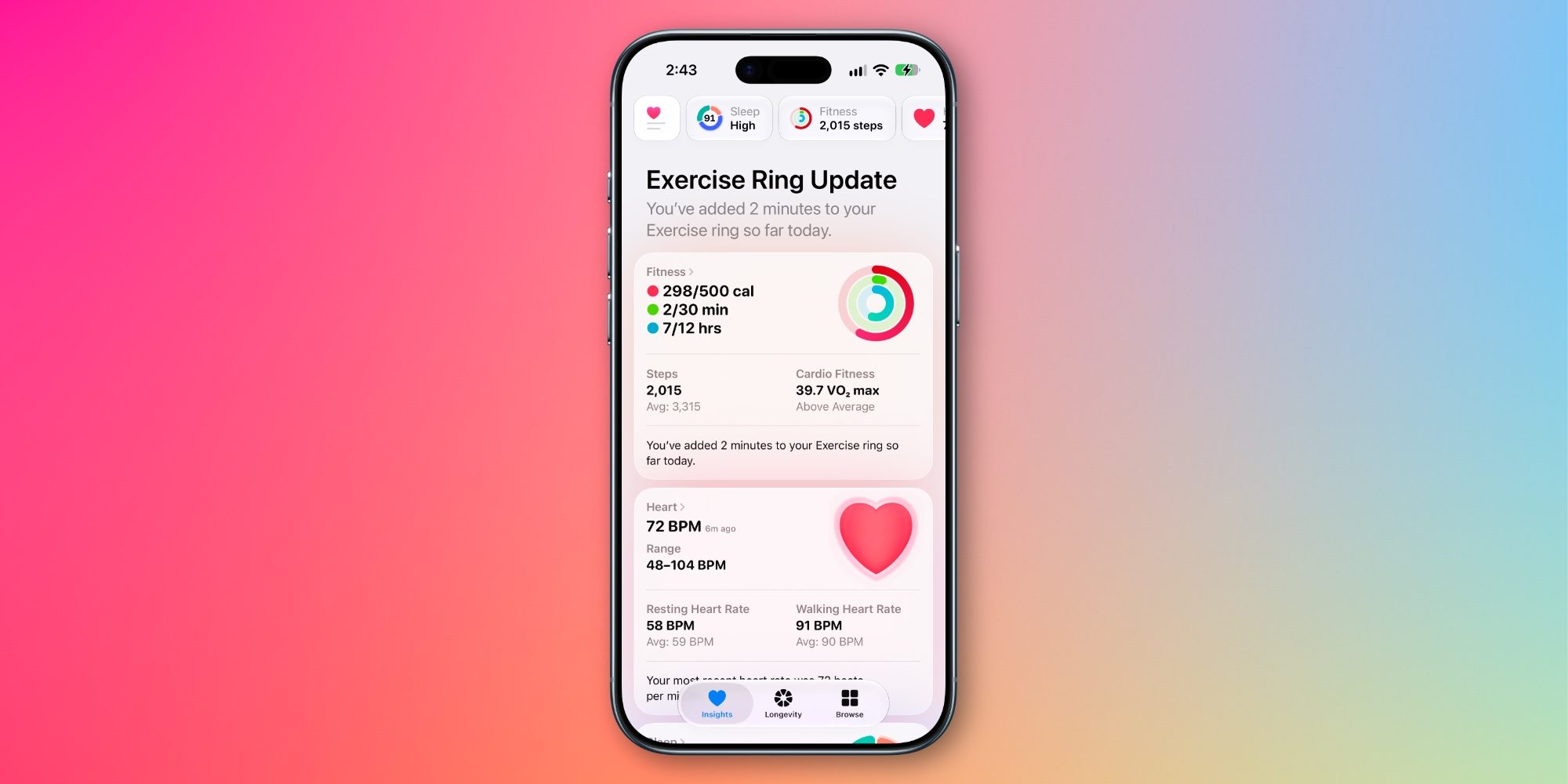
The hardware capabilities of the Series 12 are supported by the simultaneous rollout of the iOS 27.2 Health application. Previously, the Health app functioned largely as a data silo, aggregating disparate metrics—such as step counts, heart rate variability (HRV), and respiratory rate—without providing a unified diagnostic narrative.
With iOS 27.2, the platform has been re-engineered to provide actionable insights. The new "Readiness" dashboard serves as the central hub, synthesizing multiple data streams into a single score that indicates a user’s physiological capacity for physical or mental exertion. This shift mirrors the professional-grade analytics found in sports science, bringing sophisticated recovery tracking to the mass market.
Economic Implications for the Wearables Market
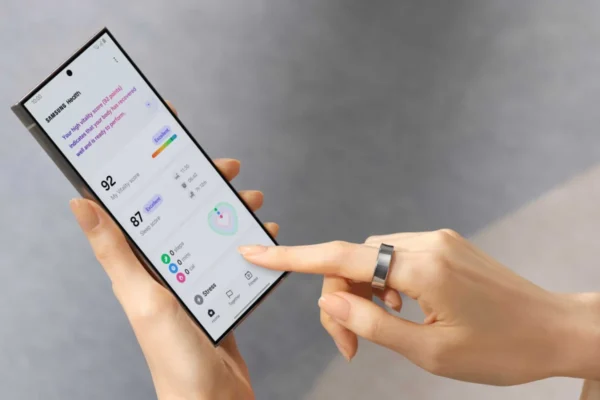
The introduction of the Series 12 and the accompanying software updates creates a challenging environment for subscription-based fitness trackers. Devices like the WHOOP band, which charge users approximately $239 per year for data analysis, are facing increased pressure from Apple’s "all-in-one" ecosystem approach.
For many consumers, the barrier to using an Apple Watch for health tracking was the lack of synthesized, long-term trend analysis. By providing this information for free as part of the Apple ecosystem, the company is effectively devaluing the standalone "tracker" market. Analysts suggest that this move will likely consolidate the wearables market, forcing specialized hardware companies to pivot toward enterprise-grade medical monitoring or hyper-specific athletic niches to remain competitive.
Performance Analysis: Speed and On-Device Intelligence
A major technical improvement in the Series 12 is the efficiency of the local processor. The integration of improved artificial intelligence models for voice recognition allows Siri to execute complex health queries—such as "How does my current heart rate variability compare to my three-month average?"—without the need for external server connectivity.
This reduction in latency is not merely a quality-of-life improvement; it represents a fundamental change in how users interact with their data. By removing the friction of waiting for cloud-based processing, the Series 12 encourages more frequent engagement with health metrics. During testing, the speed of the interface proved to be a notable upgrade over the Series 10, particularly when transitioning between intensive applications like the heart-rate monitor and the new readiness dashboard.

Broader Implications for Preventive Healthcare
The professionalization of the Apple Watch has broader implications for the healthcare industry. As these devices become more accurate, they move closer to "clinical grade" status. While Apple does not market the Series 12 as a medical device for diagnosing specific illnesses, the data it collects is increasingly being accepted by primary care physicians as a valid baseline for patient health.
The inclusion of the Readiness app suggests that Apple is viewing wellness through a holistic lens, encompassing stress, sleep, and physical recovery. This transition toward "predictive health" is the next frontier for consumer technology. Instead of reacting to a high heart rate or a fall, the device aims to provide the user with the context necessary to prevent burnout, injury, or overtraining before they occur.
Conclusion: A New Standard for Smartwatches
The decision to upgrade from an earlier model to the Series 12 is no longer about incremental hardware refreshes. For users who prioritize health and wellness data, the Series 12 is a compelling, if not essential, upgrade. It represents the maturity of the Apple Watch platform, moving beyond its roots as a communication accessory to become a sophisticated, AI-driven health companion.
While the design remains iterative, the leap in software intelligence and sensor fidelity is substantial. As the line between consumer wearables and medical-grade diagnostics continues to blur, the Series 12 stands as a testament to Apple’s commitment to capturing the health-tech market. For the average consumer, the choice is increasingly simple: as the internal ecosystem becomes more capable, the need for redundant, subscription-based external trackers diminishes. The Apple Watch Series 12 does not just track data; it provides the context required to act upon it, marking a significant milestone in the evolution of wearable technology.