






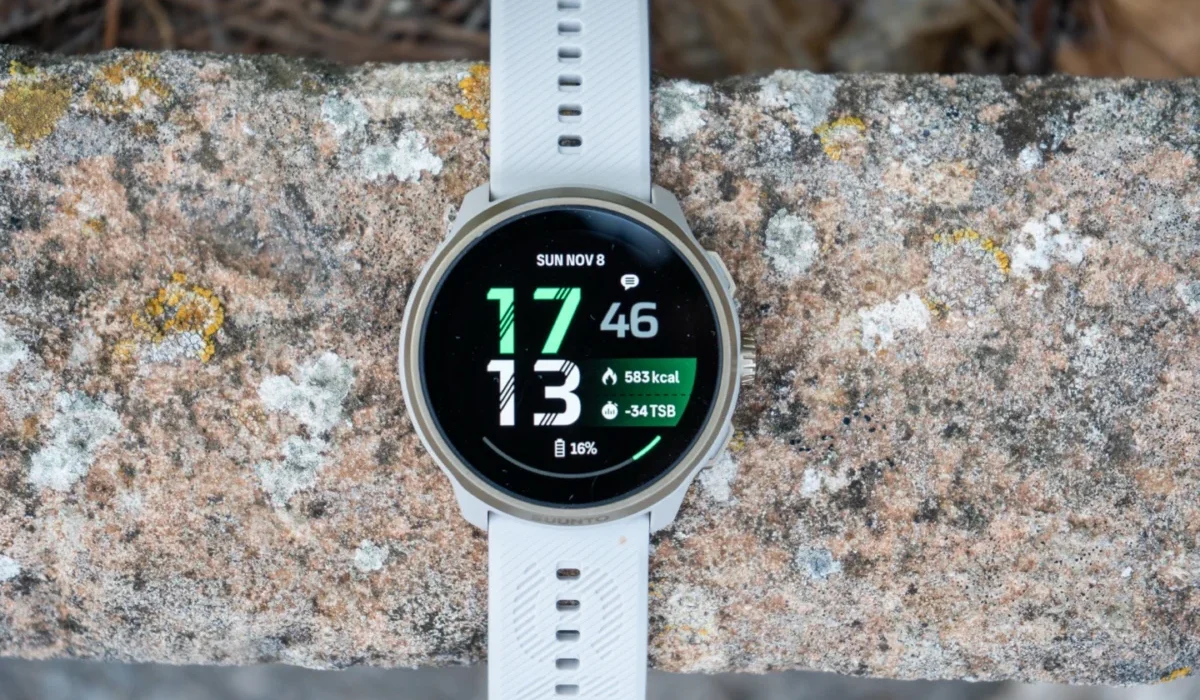
The sports technology market has experienced a significant shift in recent years, moving away from ultra-niche, single-sport wearables toward versatile multisport devices that cater to a wide cross-section of endurance athletes. Following an extensive one-month, 24/7 evaluation period encompassing running, cycling, swimming, and strength training, the newly released Suunto Run 2 emerges as a compelling yet complex addition to the brand’s ecosystem. Building directly upon the foundation of its predecessor, the Run 1, this second-generation device introduces notable hardware and software upgrades, including offline mapping capabilities, a brighter display, and a redesigned optical heart rate sensor. However, these enhancements arrive alongside a notable price increase and strategic positioning questions that could reshape how consumers view Suunto’s entry-level strategy.
Evolution of the Run Series and Key Hardware Upgrades
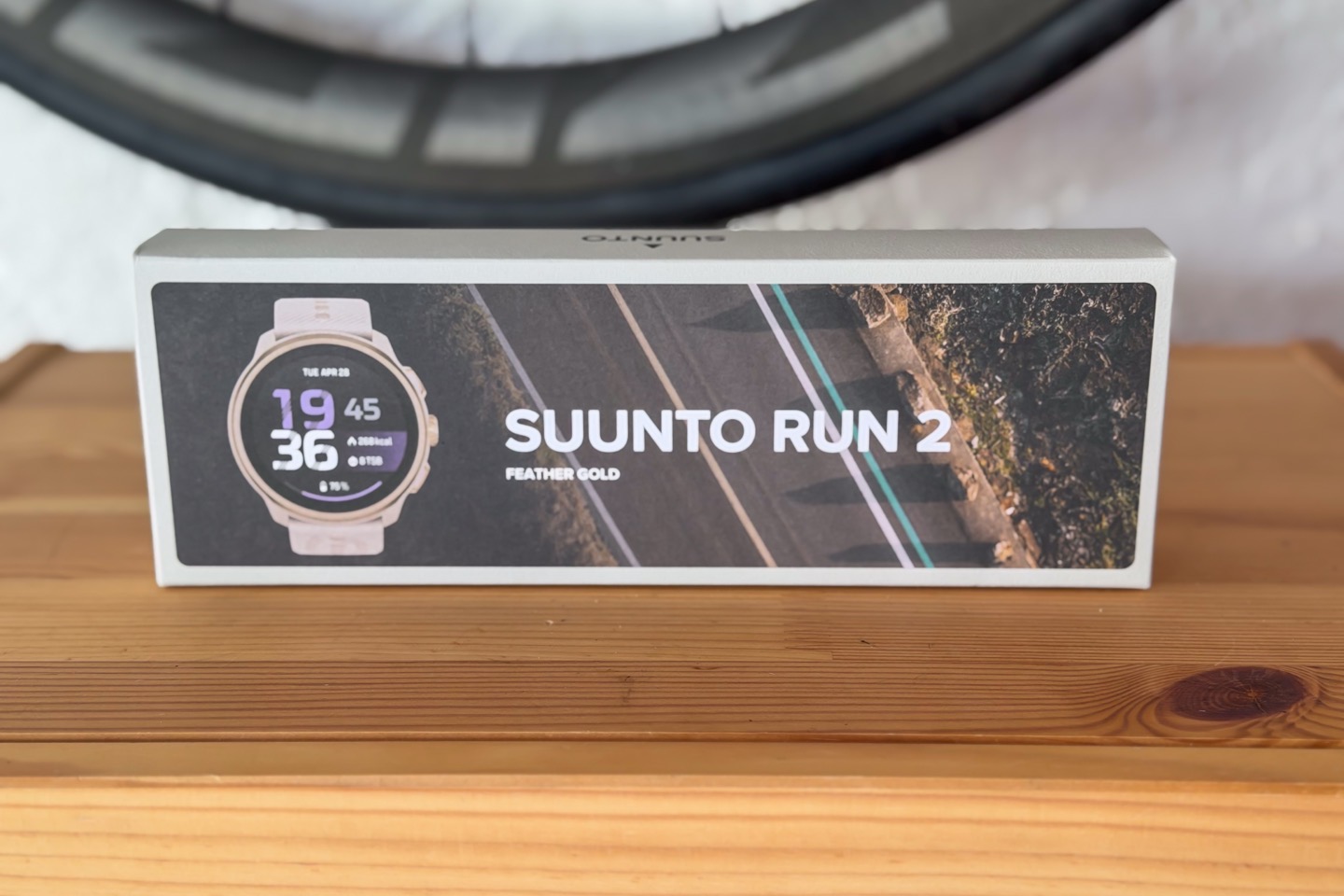
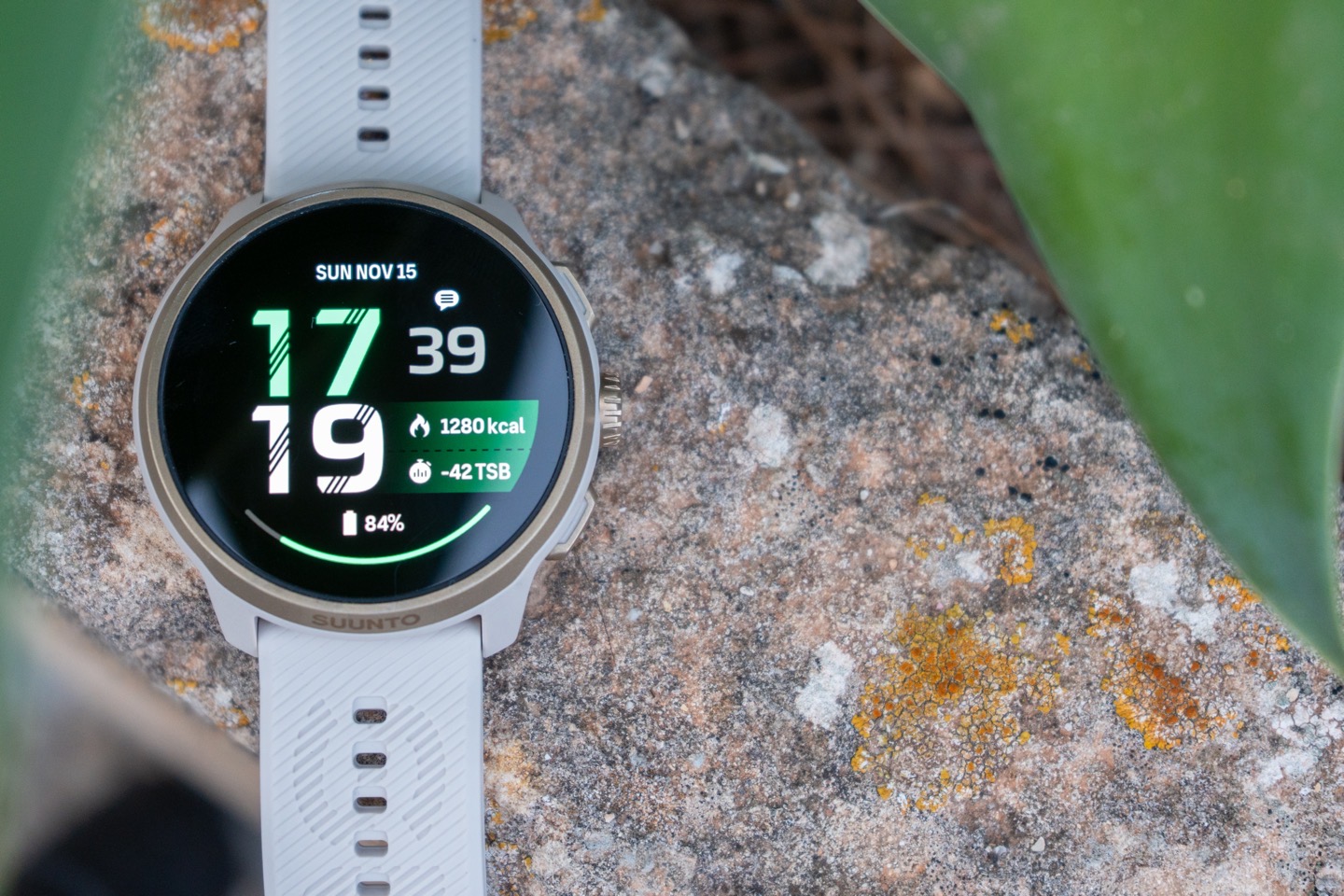
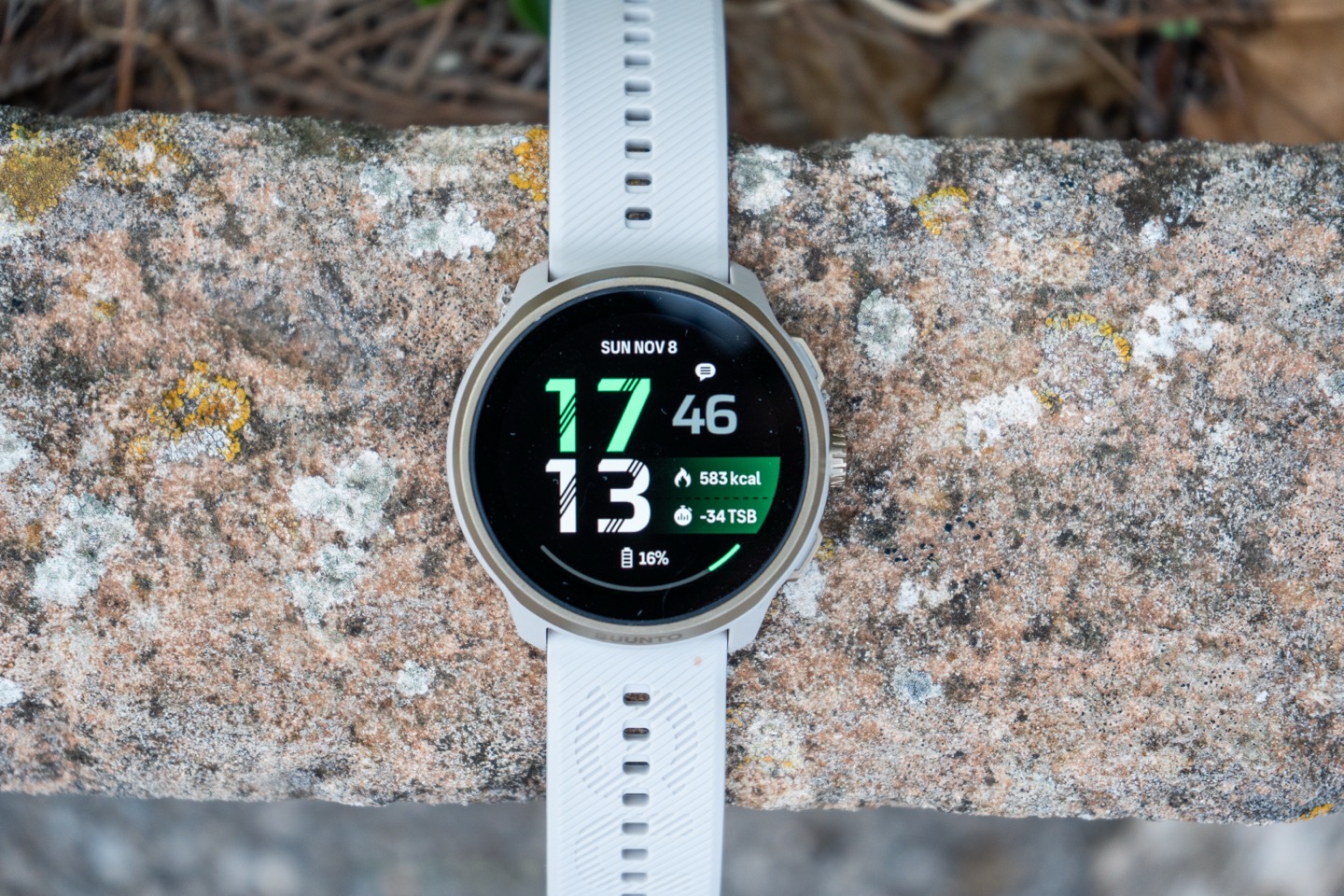
When Suunto introduced the initial Run model, the company marketed the device as an affordable, running-centric wearable. With the arrival of the Suunto Run 2, that restricted framing no longer applies. Despite retaining "Run" in its moniker, the device operates as a fully capable multisport watch, sharing structural similarities and multi-discipline tracking capabilities with high-end counterparts like the Suunto Race series.
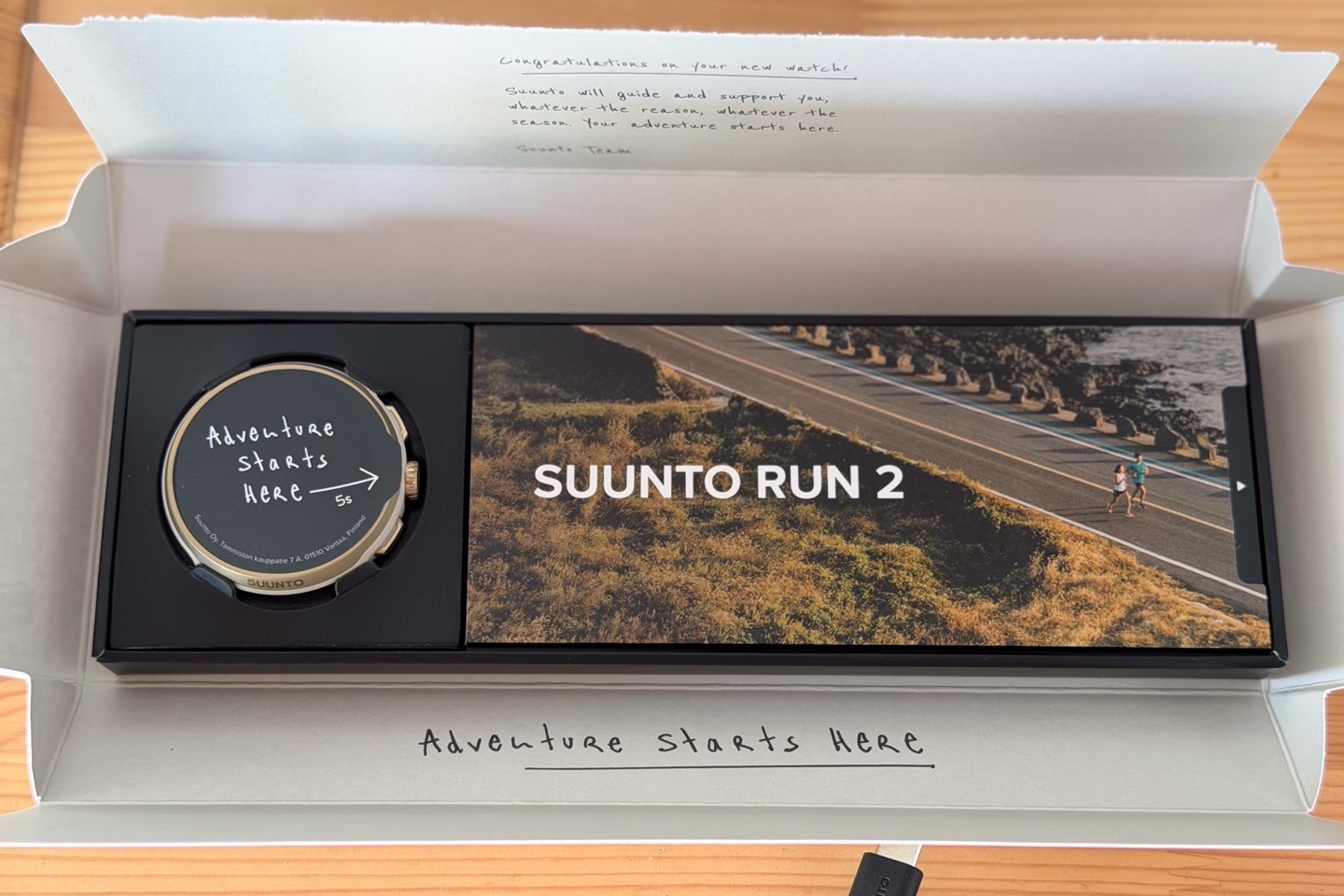
The hardware enhancements implemented since the first-generation model address several prominent user critiques:
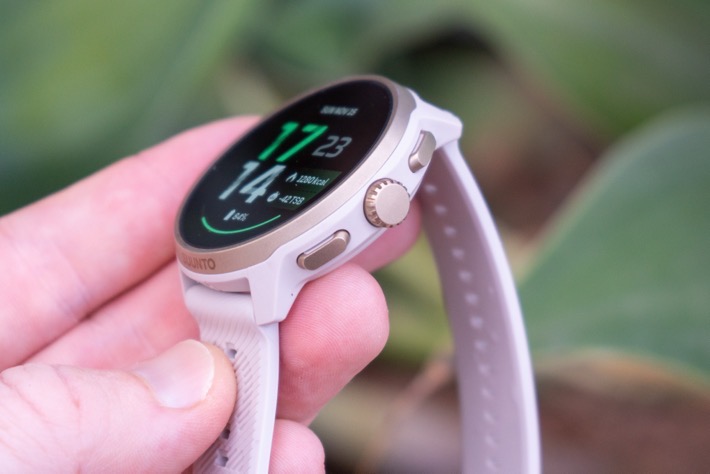
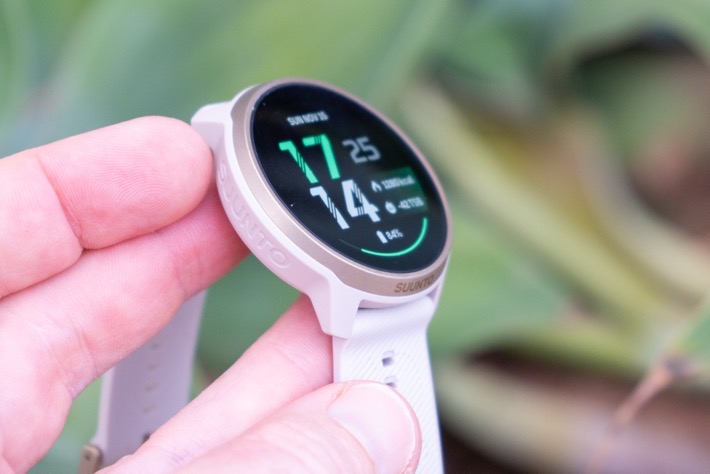
- Display Enhancements: The peak brightness has been doubled from approximately 1,000 nits to 2,000 nits while maintaining a 1.32-inch panel size, ensuring legibility under bright ambient lighting conditions.
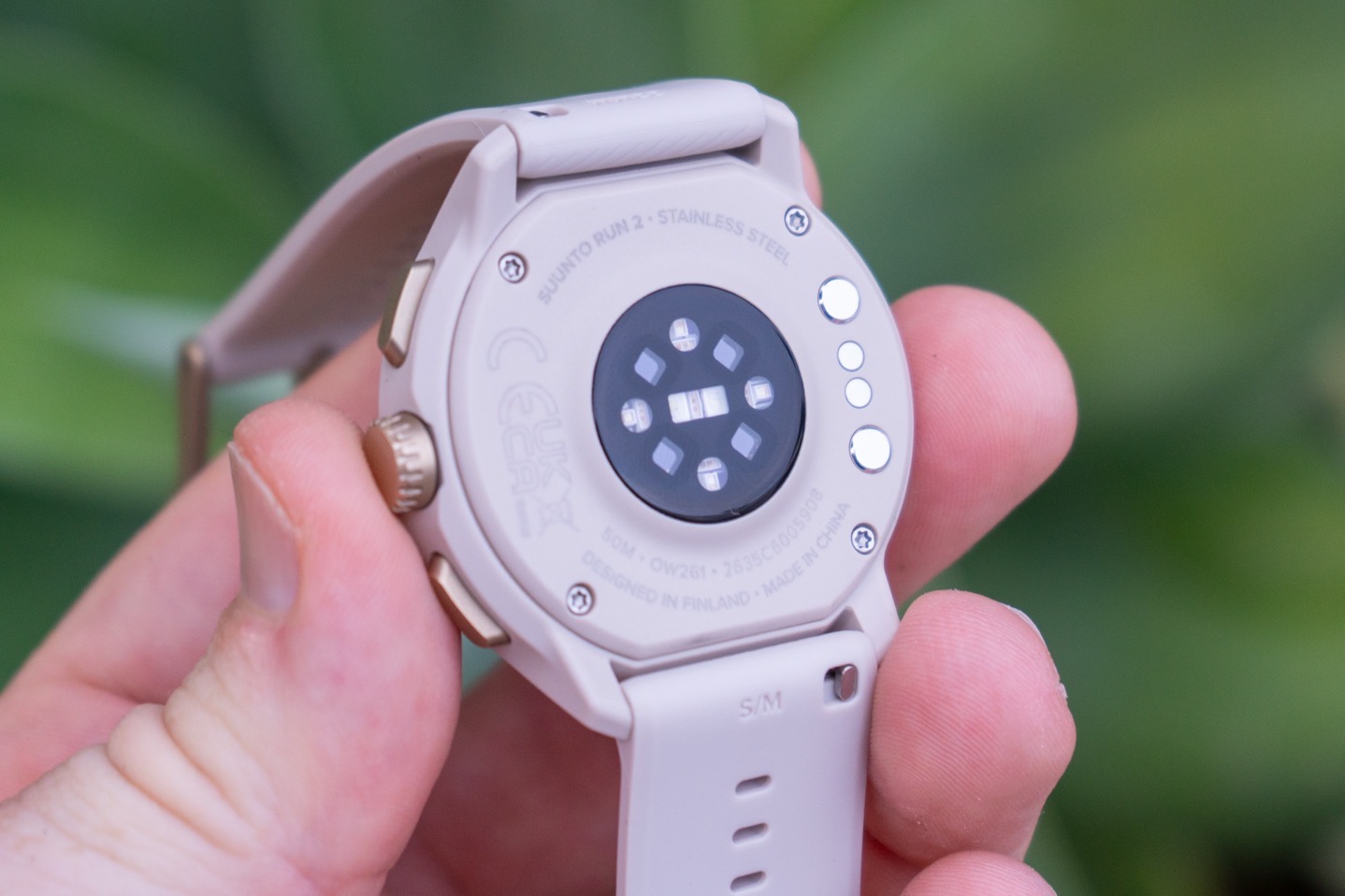
- Sensor Technology: A newly integrated optical heart rate (HR) sensor replaces the previous generation’s hardware, providing significantly improved tracking fidelity during steady-state activities.
- Positioning and GNSS: The watch utilizes an updated multi-band/dual-frequency GPS chipset designed to improve location tracking accuracy across complex environments.
- Power Management: Claimed GPS battery performance has increased by roughly 30%, rising from 20 hours to 30 hours depending on operational modes, while daily smartwatch usage estimates saw a minor reduction from 12 days to 10 days.
- Software Additions: The inclusion of offline mapping capabilities allows users to download regional maps directly to the device, complemented by new metrics such as EnergySense run pacing and the HeatStrain Score.
- Physical Form Factor: Weighing virtually the same as its predecessor at 35 grams, the device retains a lightweight footprint and is offered in black, green, and white color configurations.
Market Positioning and Pricing Adjustments
A major point of discussion surrounding the Suunto Run 2 is its retail pricing strategy. The base price has increased by $100, moving from $249 to $349 USD (matching the 349 EUR threshold in Europe). Additionally, Suunto offers storage variants split between a 4GB model priced at $349 and a 64GB iteration priced at $399.
This pricing shift moves the Run series away from the budget segment and positions it firmly within the mid-tier market. Industry analysts note that this transition effectively vacates the sub-$350 entry-level market space, leaving room for competitors such as Coros, Amazfit, and Garmin to capture cost-conscious consumers looking for dedicated running or lifestyle wearables. Furthermore, because the Suunto Run series operates on a distinct operating system compared to the rest of the Suunto product lineup, it remains isolated from
third-party app store integrations and external structured workout platforms, featuring a more limited selection of approximately 35 sport profiles compared to the 95+ available on flagship models.
Ergonomics, Daily Functionality, and Smart Features
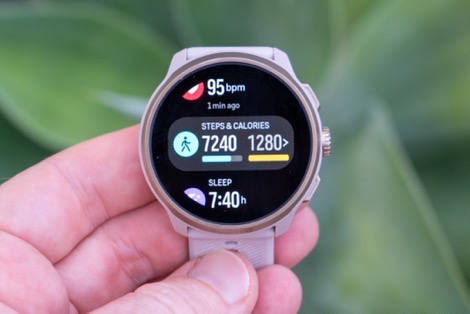
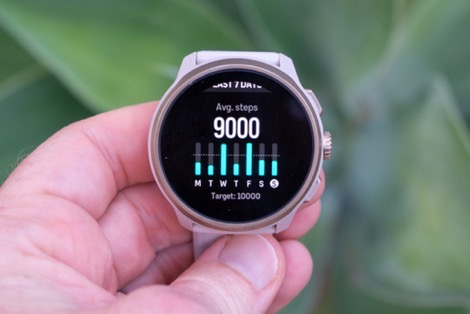
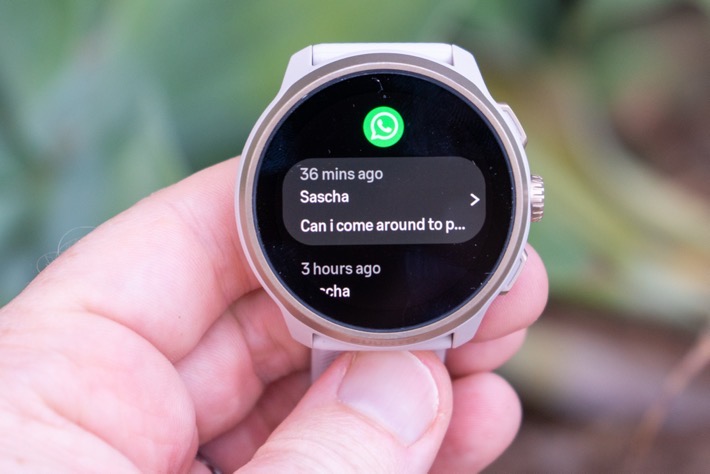
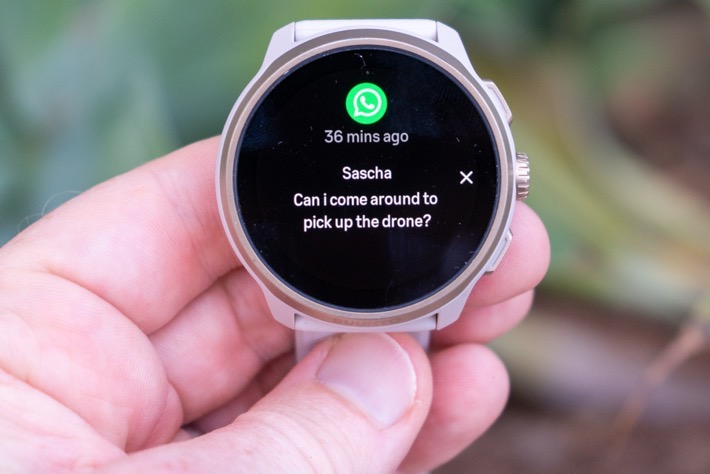
Throughout extensive daily wear—encompassing sleep tracking, activity logging, and smart notifications—the user experience highlights both refinement and persistent software quirks. The hardware interface mirrors the three-button layout found on recent Suunto models, combining two physical side buttons with a rotating Digital Crown that also serves as a push button, alongside full touchscreen functionality.
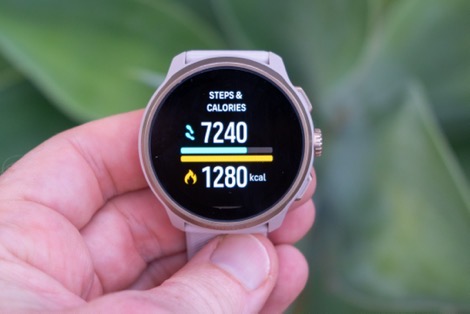
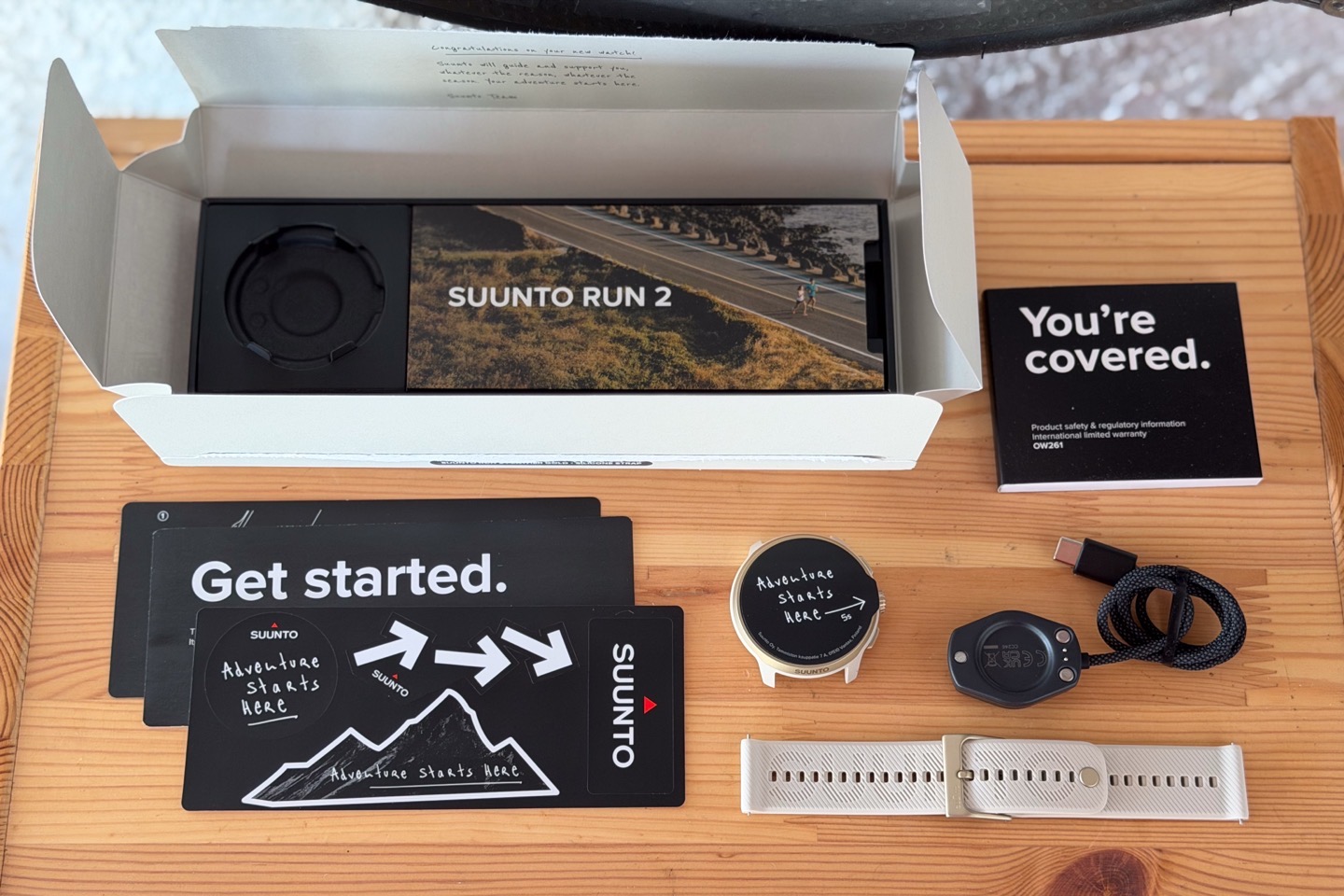
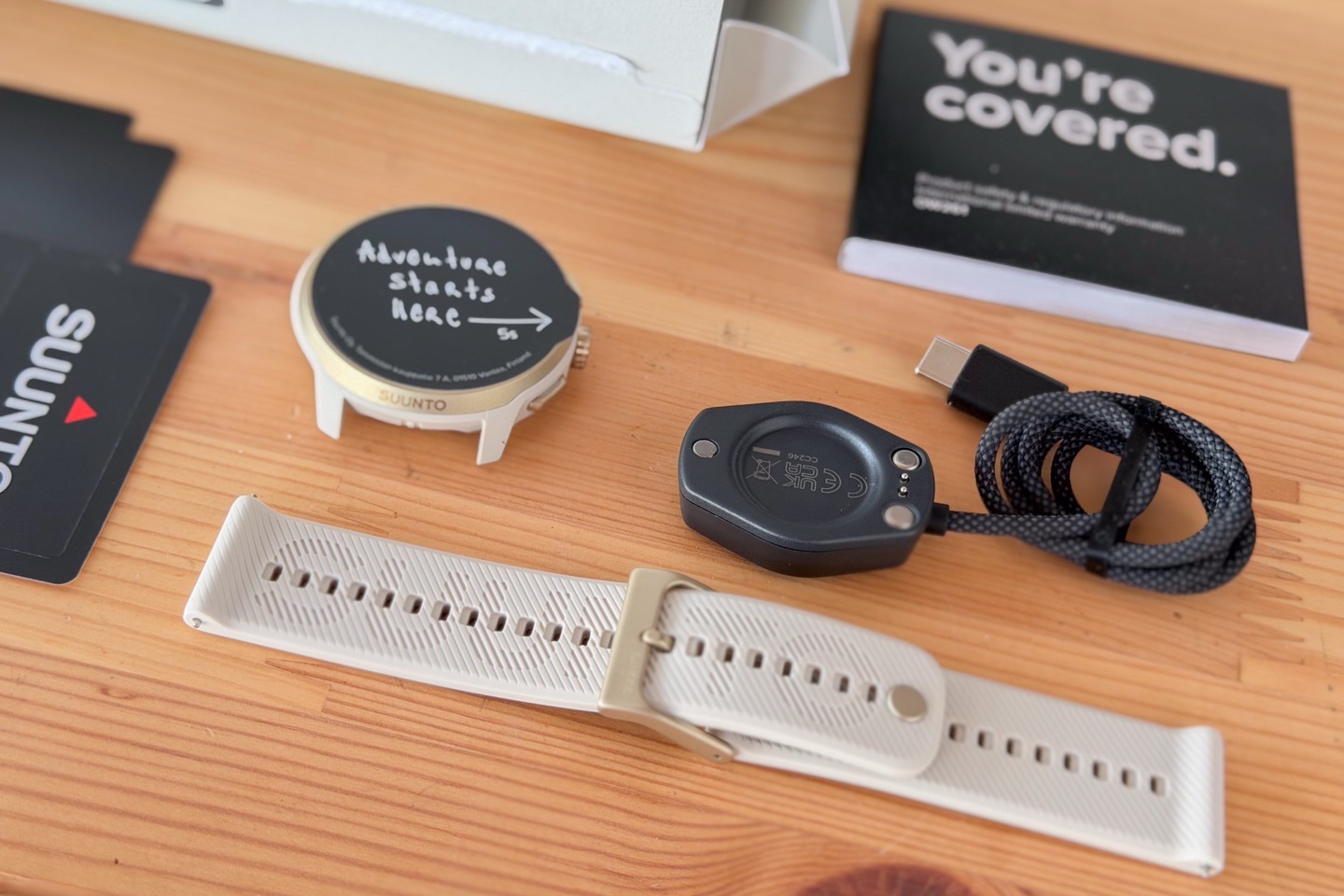
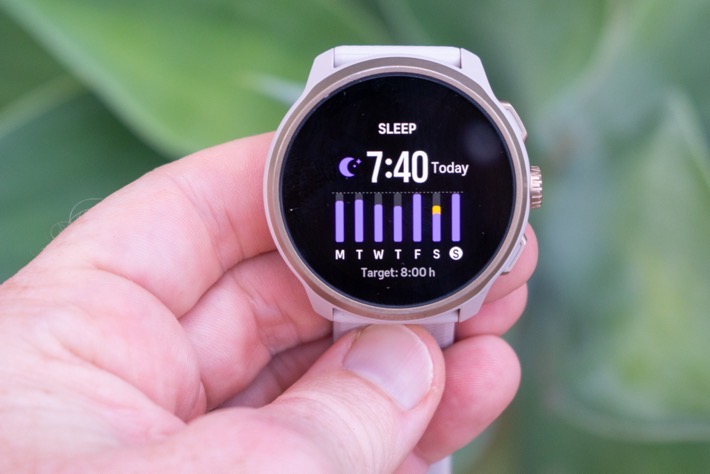
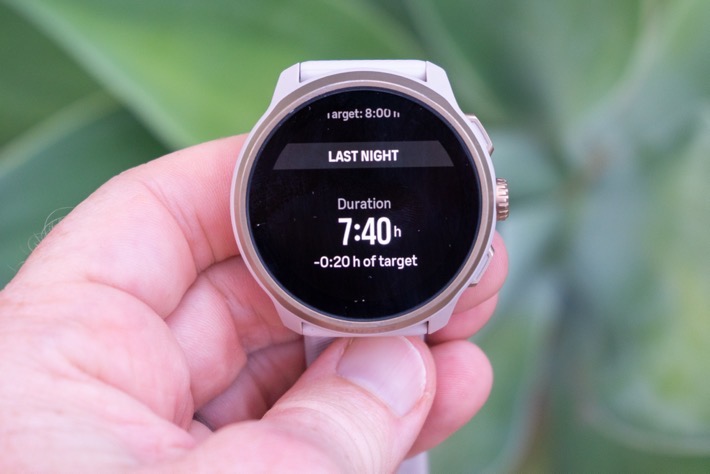
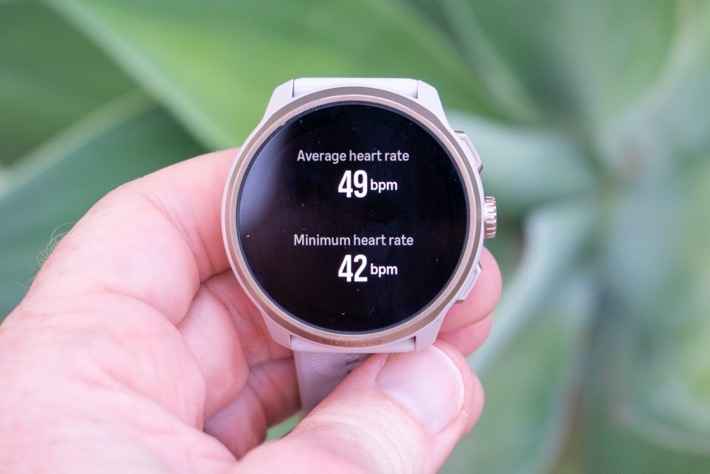
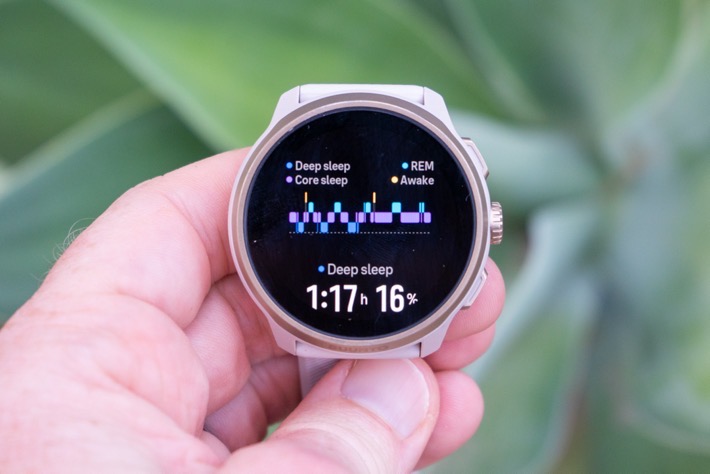
Sleep tracking performance aligns consistently with standard wearable metrics, avoiding speculative sleep-stage estimations in favor of reliable wake and sleep duration logs. However, peripheral features present mixed results. While the magnetic charging system utilizes a high-quality braided cable—a feature typically reserved for ultra-premium devices—user feedback on the strap design points to a minor sizing defect in the retaining loop, which can cause the strap tail to slip loose during rigorous physical movement.
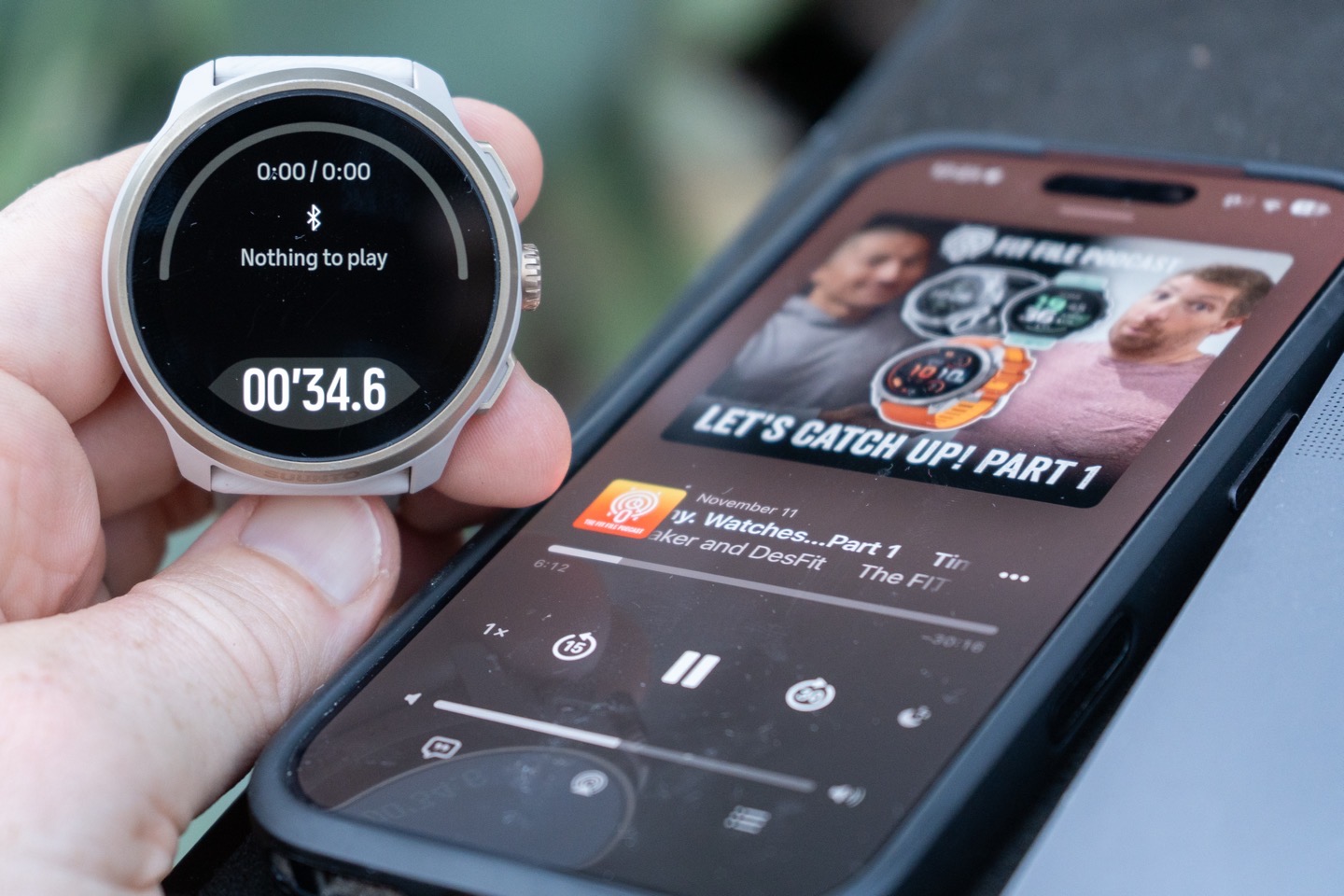
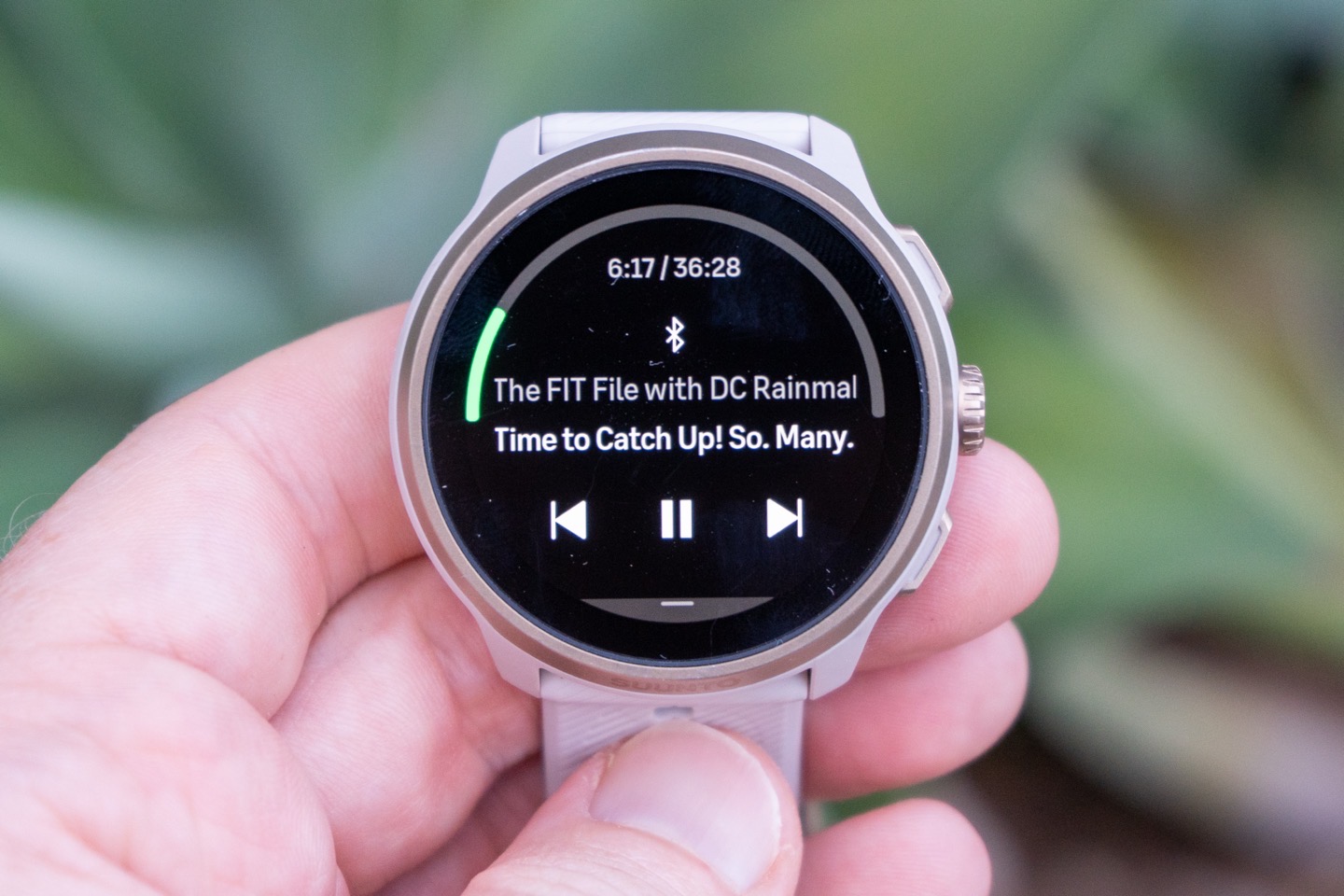
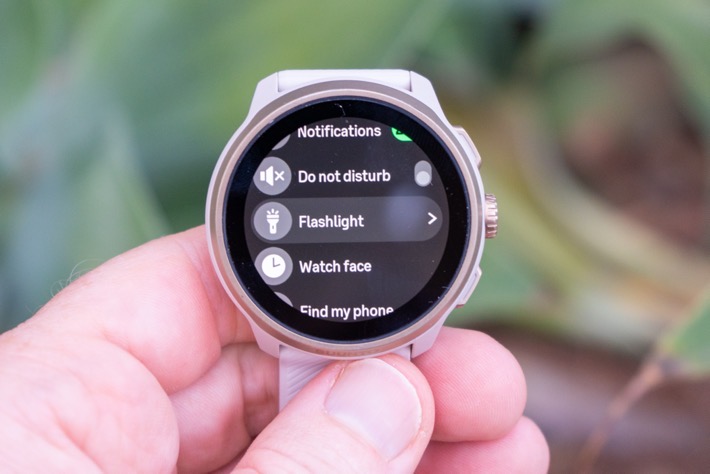
Music storage and playback options remain limited. Although the 64GB storage tier technically accommodates manually transferred MP3 files via a wired USB connection for playback through Bluetooth headphones, the device lacks native integration with modern streaming services such as Spotify. Consequently, users largely rely on smartphone media controls, which occasional synchronization hurdles can render inconsistent. Additionally, unlike some competing outdoor models, the Suunto Run 2 omits a physical LED flashlight, opting instead for a display-illumination feature.
Sports, Navigation, and Metric Analysis
Equipped for multi-discipline training, the Suunto Run 2 accommodates 35 sport profiles spanning running, cycling, swimming, and winter sports. Setting up workouts, selecting predefined routes, and monitoring real-time data fields are managed through the Suunto App, where users can configure customized training screens.
Navigation features benefit directly from the addition of offline maps. Users can view upcoming route geometries, distance metrics, and real-time elevation profiles directly on the wrist. If a runner strays from a predefined course, the watch issues a vibration alert, though it relies on manual correction rather than automatic dynamic re-routing.
The introduction of the EnergySense feature—designed to estimate remaining physical capacity in distance based on current intensity—has drawn analytical scrutiny. Field evaluations reveal that the metric heavily emphasizes pace rather than physiological exertion parameters such as heart rate or caloric burn. Consequently, navigating changes in terrain, such as steep descents or climbs, can cause erratic fluctuations in the metric’s output, suggesting that the underlying algorithm may require further refinement to account for true physiological fatigue.
Training load metrics track comprehensively across the ecosystem, calculating Training Stress Score (SS), Chronic Training Load (CTL), Training Stress Balance (TSB), and estimated VO2Max values alongside recovery state indicators and Heart Rate Variability (HRV) logs.
Accuracy Evaluation: GPS and Optical Heart Rate Performance
Field testing across various athletic disciplines provides clear insights into the capabilities of the upgraded internal sensors:
- Optical Heart Rate: The newly engineered HR sensor demonstrates substantial improvements over the previous generation. During steady-state runs and structured interval training, the sensor tracks closely against reference chest straps. However, performance during outdoor cycling activities exhibits occasional lag and variance, particularly during rapid descents or low-intensity recovery segments.
- GPS/GNSS Tracking: The multi-band chipset delivers reliable tracking across open-air routes and mountainous switchbacks. While high-level track rendering remains accurate for general outdoor activities, close-up data analysis reveals minor positional offsets when compared against high-end competitor devices, particularly in urban environments or complex topographical settings.
- Elevation and Swimming: Barometric altimeter performance remains stable and accurate throughout mountain ascents. Conversely, open-water swimming tracks display occasional anomalies, indicating that aquatic GPS tracking requires optimal conditions to maintain fidelity.
Broader Industry Implications and Outlook
The release of the Suunto Run 2 illustrates the ongoing challenge manufacturers face in balancing premium feature integration with accessible price points. By elevating the hardware specifications—incorporating a 2,000-nit display, offline mapping, and a vastly improved optical heart rate sensor—Suunto has successfully addressed the primary performance criticisms of its predecessor.
At the same time, the price increase to $349 and the decision to maintain a separate operating system establish distinct boundaries for the device’s market reach. For athletes prioritizing display brightness, robust material construction, and offline navigation within a lightweight multisport watch, the Suunto Run 2 offers a functional and capable training tool. As the brand continues to refine its software ecosystem and address predictive battery and metric algorithms through updates, the device stands as a notable contender in the mid-tier sports watch category.