





The global smartphone landscape shifted on November 17, 2026, as Xiaomi officially unveiled its highly anticipated 18 Pro and 18 Pro Max flagship devices during a high-profile launch event in Paris. Representing a significant leap in mobile photography and hardware integration, these devices mark the first time Xiaomi has brought its dual-rear-screen design and ultra-high-resolution telephoto capabilities to international markets outside of China. With a focus on raw performance, advanced optical engineering, and enhanced silicon-carbon battery technology, the 18 Pro series positions itself as a direct challenger to the current premium smartphone hierarchy.
A New Standard in Mobile Optics
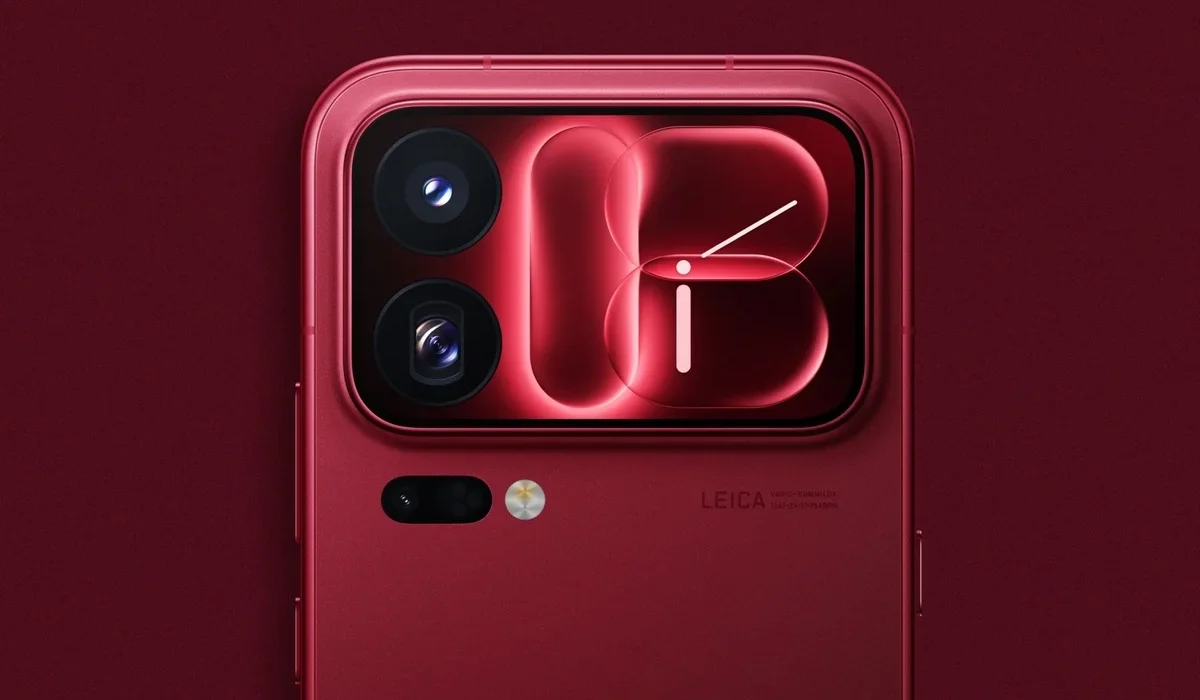
The hallmark of the Xiaomi 18 Pro series is the integration of dual 200MP Leica-branded sensors. The primary shooter is complemented by a 200MP Leica 75mm telephoto lens, which serves as a 3.2x periscope capable of doubling as a 12cm macro lens. This configuration addresses one of the most persistent challenges in mobile photography: maintaining image fidelity at high zoom levels. By utilizing a 200MP sensor behind a 75mm focal length, Xiaomi allows users to crop into images aggressively without the significant degradation typically seen in smaller-resolution sensors.
The inclusion of a 50MP ultra-wide lens and a 50MP front-facing camera completes a formidable imaging suite. Industry analysts suggest that this emphasis on high-megapixel telephoto performance is a strategic response to consumer demand for professional-grade portraiture and long-range versatility, moving beyond the industry trend of merely increasing primary sensor size.
The Evolution of the Rear Display
Perhaps the most distinctive aesthetic and functional feature of the 18 Pro series is the rear-facing AMOLED panel. While the 18 Pro sports a 2.7-inch screen, the 18 Pro Max upgrades this to a 2.9-inch display. This secondary screen, which was previously limited to Chinese-exclusive models like the 17 Pro and 17 Pro Max, is now a global feature.
Designed to handle notifications, music playback, and high-quality selfie photography using the primary rear camera array, the screen effectively turns the back of the device into a functional interface. This design choice serves both as a stylistic differentiator in a market currently dominated by uniform glass slabs and as a functional tool for content creators who require the high-end sensor quality of the rear cameras for self-recording.

Performance Under the Hood: Snapdragon 8 Elite Gen 6
Xiaomi has leveraged Qualcomm’s latest silicon to power its flagship lineup. The 18 Pro is equipped with the Snapdragon 8 Elite Gen 6, while the Pro Max features the higher-tier Snapdragon 8 Elite Extreme Gen 6. Both processors are built on a 2nm architecture with prime cores capable of reaching 5GHz.
In controlled benchmarks, the 18 Pro Max has demonstrated exceptional results, with reported AnTuTu scores exceeding 5 million. This massive performance ceiling suggests that the devices are optimized not only for high-end gaming and multitasking but also for the heavy computational requirements of real-time image processing needed to manage two 200MP sensors. The shift to 2nm architecture also promises better power efficiency, which is critical given the high performance demands placed on these devices.
Battery Innovation and Global Specifications
One of the most notable aspects of the global rollout is the adaptation of battery technology. The global versions of the 18 Pro and 18 Pro Max house 6,000mAh and 7,050mAh silicon-carbon batteries, respectively. These cells utilize a 28% silicon concentration, allowing for higher energy density in a thinner form factor compared to traditional graphite batteries.
However, these figures represent a departure from the specifications of the models released in China earlier in September, which featured 7,000mAh and 8,500mAh capacities. This difference highlights the complexities of global logistics and local regulatory compliance. Furthermore, the inclusion of a charging brick remains inconsistent across regions; while some markets may include the accessory, others—as indicated by official regional documentation—will require users to source their own power adapters, signaling a continuation of the industry-wide move toward sustainability-driven packaging.
Technical Specifications Comparison
| Feature | Xiaomi 18 Pro | Xiaomi 18 Pro Max |
|---|---|---|
| Main Display | 6.4-inch, 1-120Hz LTPO, 4,000 nits | 6.9-inch, 1-120Hz LTPO, 4,000 nits |
| Rear Display | 2.7-inch AMOLED | 2.9-inch AMOLED |
| Processor | Snapdragon 8 Elite Gen 6 | Snapdragon 8 Elite Extreme Gen 6 |
| Battery | 6,000mAh (Typical) | 7,050mAh (Typical) |
| Wired Charging | 90W | 100W |
| IP Rating | IP68 (1.5m, 30m) | IP68 (6m, 30m) |
| Weight | 198g (203g Cosmic Blue) | 229g (234g Cosmic Blue) |
Market Strategy and Pricing Outlook
While Xiaomi has yet to release official pricing for the global market, the industry is using the previous 17-series as a benchmark. With the 17 series launching at premium price points, it is estimated that the 18 Pro series will occupy the €1,000 to €1,500 range depending on storage configuration and model.
The launch strategy focuses heavily on early adoption, with specific incentives such as the €100 launch coupon offered to French consumers. By staggering the release—starting with Australia on November 18 and followed by other regional markets—Xiaomi is attempting to manage supply chain pressure while maintaining a high level of market visibility.

Broader Implications and Industry Impact
The release of the 18 Pro series signals a pivot in how manufacturers view "pro" devices. By incorporating secondary displays and dual-ultra-high-resolution sensors, Xiaomi is actively distancing its flagship hardware from the "me-too" aesthetics common in the Android ecosystem.
The integration of IP68 water resistance at varying depths—with the Pro Max boasting a 6-meter rating—also suggests a push toward extreme durability as a luxury selling point. From a competitive standpoint, the 18 Pro series represents a direct challenge to the incumbents in the premium segment, particularly those who have relied on iterative updates rather than radical hardware design.
As the devices begin to reach consumers, the focus will likely shift to the software experience. Running on HyperOS 4, the 18 Pro series will need to demonstrate that its sophisticated hardware is matched by a stable, feature-rich, and user-friendly software environment. If the initial performance benchmarks hold up in real-world usage, the Xiaomi 18 Pro series could very well establish itself as the hardware standard for the remainder of the 2026/2027 fiscal cycle.
For the average consumer, the choice between the Pro and the Pro Max will boil down to the preference for screen size and the specific need for the Extreme-tier processor. However, both models offer a level of hardware capability that was previously reserved for niche or regional-specific devices, marking a clear victory for global enthusiasts of high-performance mobile technology. As of the current reporting time, there is no official word on a North American release, leaving the spotlight firmly on the European and Asia-Pacific markets as the primary battlegrounds for this new flagship series.