










The official countdown to Amazon’s massive Black Friday shopping event has barely reached its final stretch, yet major retailers are already unleashing significant price cuts well ahead of schedule. While the flagship sales extravaganza is officially slated to launch on Tuesday, November 17, consumers are already seeing steep markdowns across a wide variety of consumer electronics and home goods. Following closely on the heels of major retail discounts on Apple AirPods and other popular audio gear, Amazon has rolled out an expansive wave of price reductions on viral Ninja kitchen appliances, offering savings of up to 57% on some of the brand’s most sought-after culinary gadgets.
This early wave of discounts arrives at a strategic time for shoppers in the Southern Hemisphere, coinciding directly with the approach of the warm Australian summer. With temperatures steadily rising, products designed to produce cold beverages, frozen desserts, and quick summer refreshments are taking center stage in Amazon’s early promotional lineup. Industry analysts note that this aggressive early pricing strategy is increasingly becoming the norm for major e-commerce platforms, as companies compete fiercely to capture consumer wallets before the official holiday shopping season hits its peak.
The Evolution of Early Black Friday Sales
The phenomenon of stretching the Black Friday shopping window from a single day into a multi-week retail event has evolved significantly over the past decade. Traditionally rooted in the American retail calendar as the day immediately following Thanksgiving, Black Friday has transformed into a global e-commerce phenomenon. In markets like Australia, where the American holiday holds no cultural significance, the event has nonetheless been enthusiastically adopted as a premier mid-spring retail milestone.
Retailers now routinely introduce "early bird" promotions as early as late October or early November. This strategy serves a dual purpose: it allows companies to smooth out logistics and supply chain pressures by distributing shipping volumes over a longer period, and it helps retailers lock in consumer spending before competing platforms can launch their own campaigns. For consumers, this shift means that waiting for the actual calendar date of Black Friday is no longer a guaranteed strategy for securing the lowest prices. In many cases, initial stock allocations of high-demand items are depleted well before the official event begins.
Viral Ninja Products Highlighted in Amazon’s Early Catalog
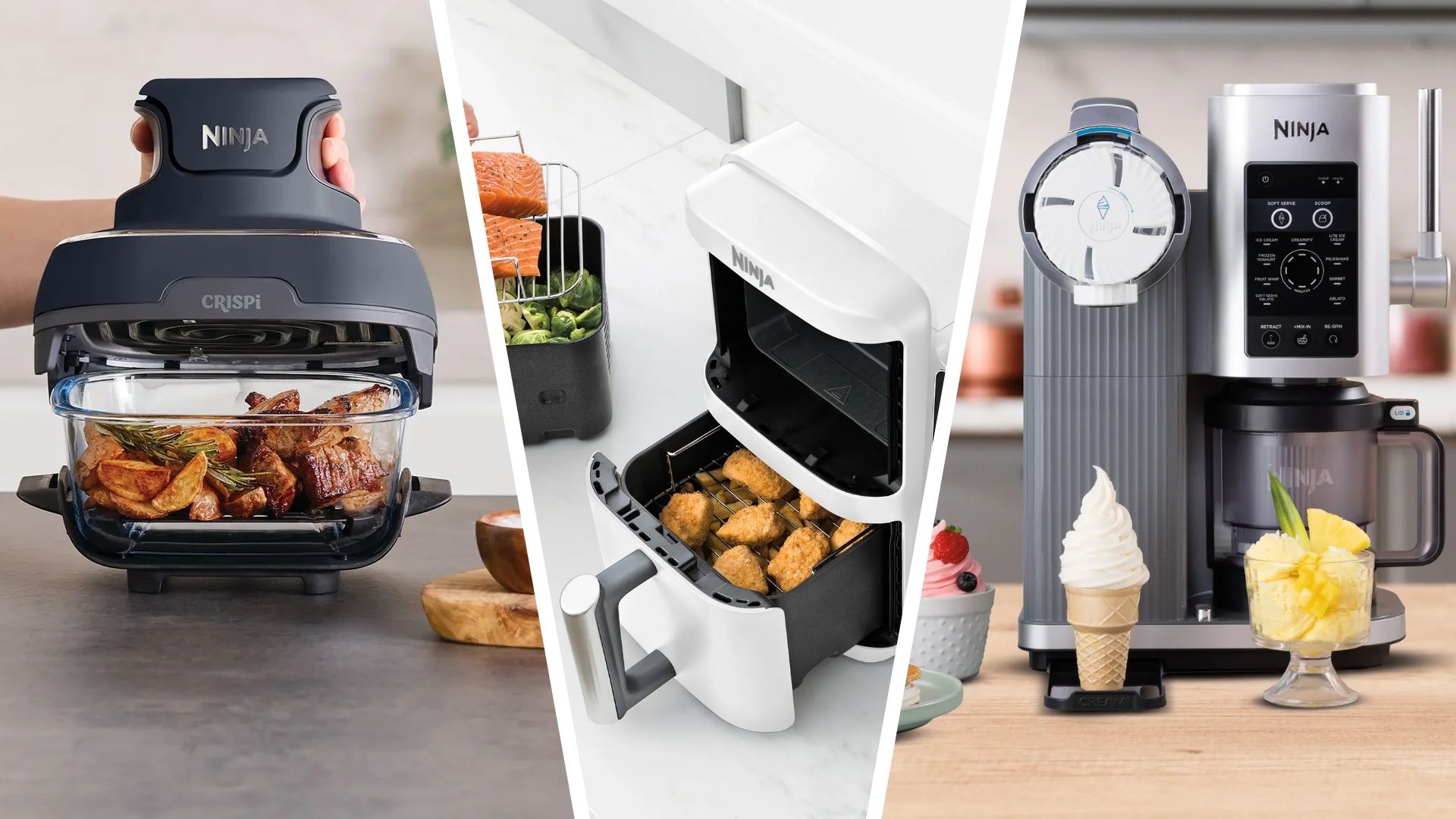
Among the standout items featured in Amazon’s early discount wave are several viral kitchen appliances that have dominated social media platforms throughout the year. Leading the charge is the Ninja Slushi Professional Frozen Drink Maker, a device that has captured significant consumer interest for its ability to produce professional-grade frozen beverages at home without the need for ice or complex blending processes.
Similarly, the Ninja Creami and Creamify technology-powered ice cream and frozen treat makers have seen substantial price reductions. These machines have achieved cult status online, driven by viral recipe trends across TikTok and Instagram that demonstrate the creation of custom-crafted, protein-rich ice creams, sorbets, and milkshakes at home.
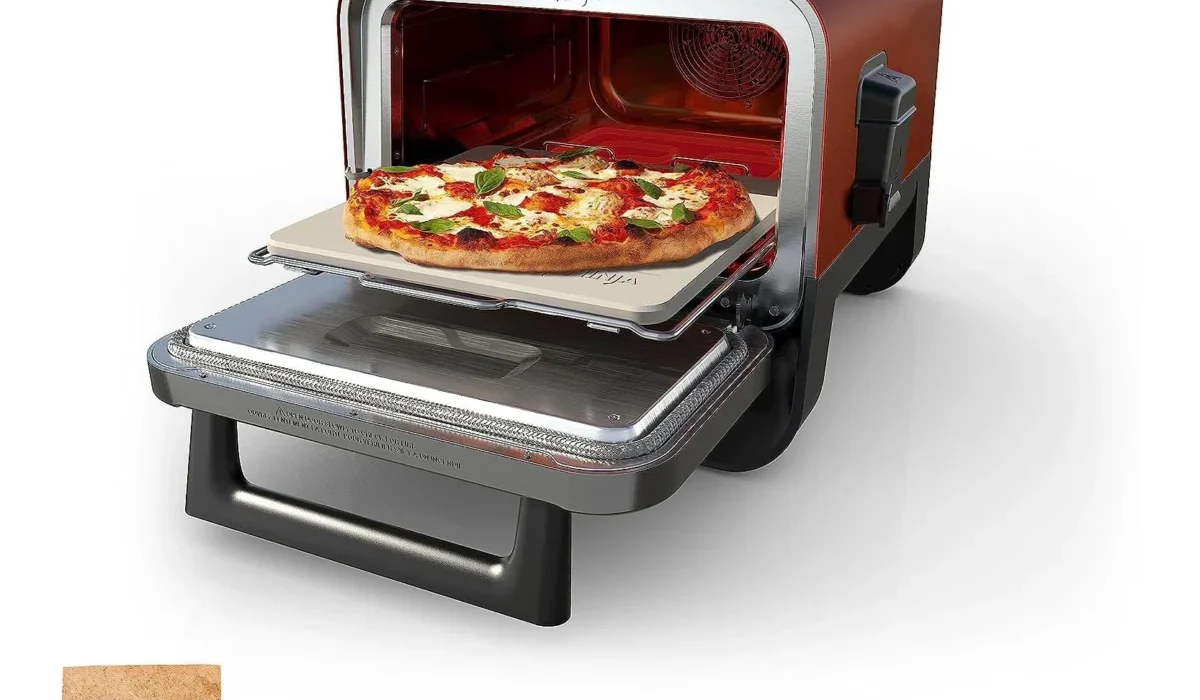
In addition to frozen treat appliances, the early sales catalog includes deep discounts on traditional kitchen staples. Air fryers—which continue to dominate the small appliance market due to their energy efficiency and versatility—are heavily featured alongside high-performance multi-cookers, espresso machines such as the Ninja Luxe Café, and newly released portable blending solutions like the BlendBoss tumbler blender.
Market Implications and Consumer Strategy
The decision by major platforms to slash prices by up to 57% well ahead of the official November 17 launch date underscores the intense competitive pressure within the home appliance sector. Manufacturers like Ninja have successfully leveraged social media marketing to turn functional kitchen tools into lifestyle status symbols, driving sustained demand that allows for coordinated promotional events with major online retailers.
For consumers navigating the early sales landscape, financial advisors and retail analysts recommend a pragmatic approach. While historical data suggests that some electronics and seasonal goods may see marginal price adjustments closer to Cyber Monday, high-demand viral items frequently face stock depletion. Consequently, waiting for further discounts carries the distinct risk of missing out entirely if popular configurations or colorways sell out.
As the retail industry moves closer to the official November 17 launch date, consumer watchdogs advise shoppers to verify product specifications, check warranty details, and compare baseline pricing across multiple platforms to ensure that advertised percentage discounts reflect genuine savings from the manufacturer’s suggested retail price. With the broader holiday shopping season now officially underway months in advance, the traditional boundaries of retail sales events have been permanently redrawn.