



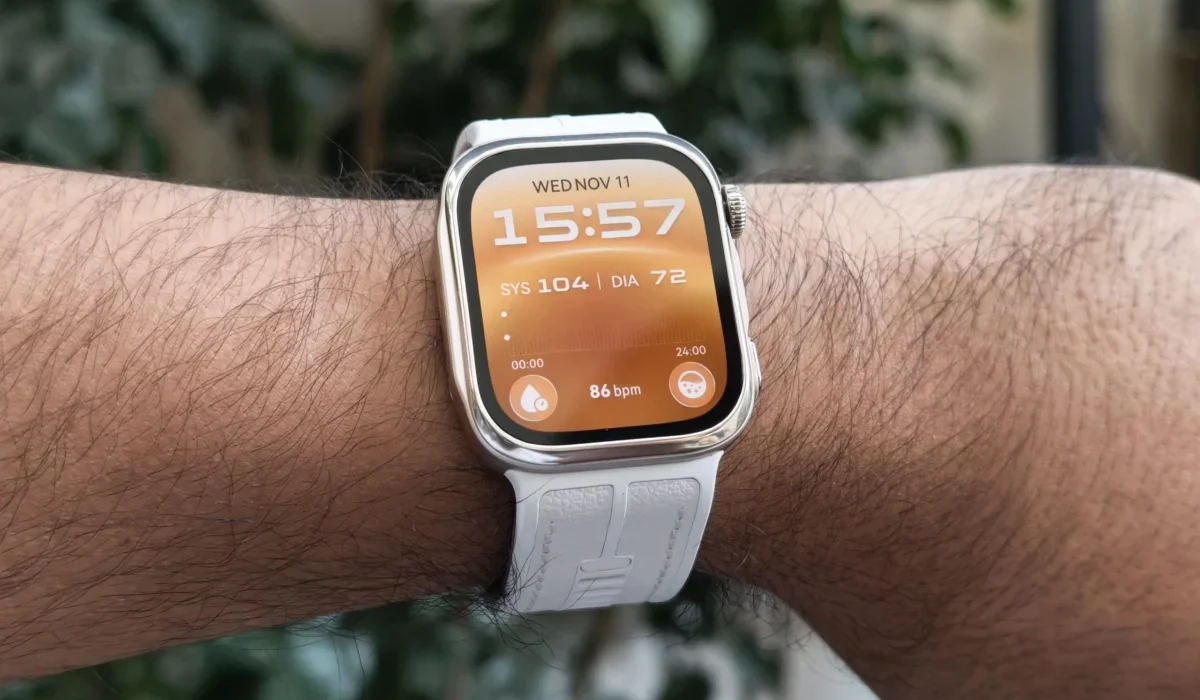
The Huawei Watch D3 represents a significant evolution in the wearable technology sector, bridging the gap between recreational fitness trackers and medical-grade diagnostic equipment. Retailing at an MSRP of $500.00, the device distinguishes itself from the saturated smartwatch market by integrating a miniaturized, inflatable blood-pressure cuff directly into the watch strap. This hardware-level approach to cardiovascular monitoring marks a departure from the purely optical sensors found in competing flagship wearables, positioning the Watch D3 as a specialized tool for individuals prioritizing long-term health data accuracy.

Engineering the Miniature Cuff
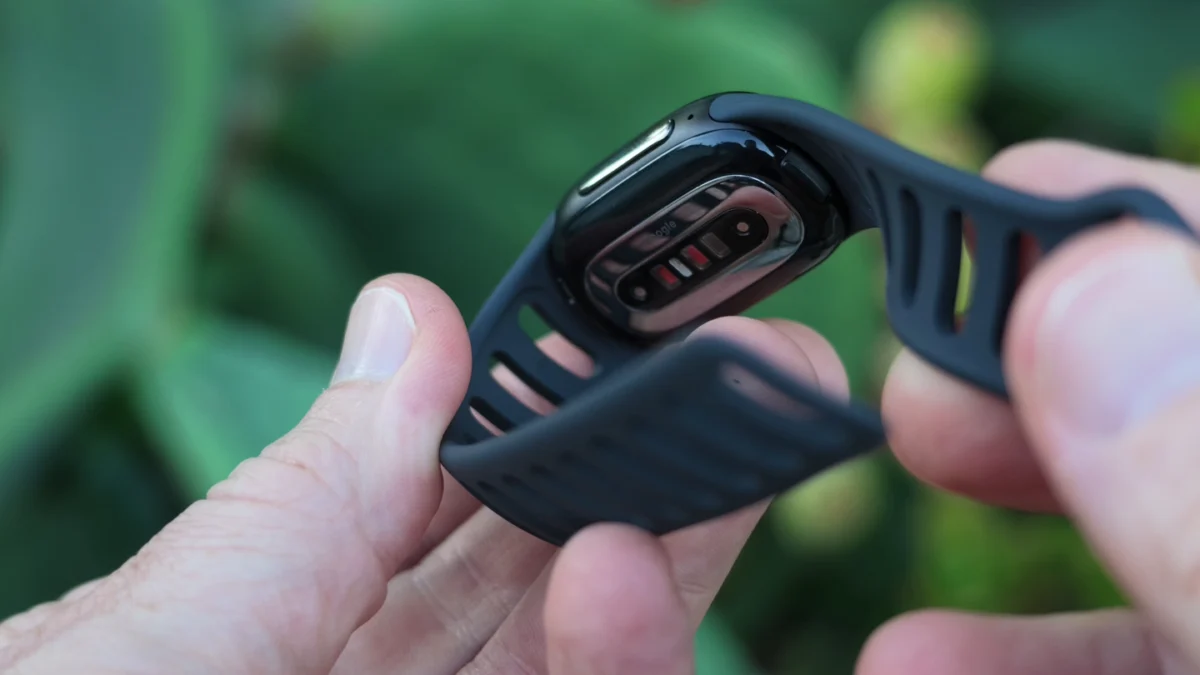
The primary technical achievement of the Watch D3 lies in its ability to house an inflatable bladder, a pressure sensor, and a micro-pump within a chassis measuring just 46.5 x 41 x 11.3mm. Unlike optical heart-rate sensors that estimate blood pressure (BP) through pulse wave velocity or photoplethysmography (PPG), the Watch D3 utilizes the oscillometric method. This is the same principle applied in traditional, professional-grade clinical arm cuffs.

When the user initiates a measurement, the device’s internal pump inflates the airbag, applying pressure to the wrist to detect the oscillations in the brachial artery. The entire process takes approximately 30 seconds. To ensure the clinical validity of the data, the software requires the user to maintain a specific posture, keeping the watch aligned with the heart. The system is designed to detect movement or improper positioning, prompting the user to adjust before providing a reading. This focus on procedural compliance reflects the company’s push for medical-grade reliability rather than mere lifestyle approximation.

Chronology and Development
The development of the Watch D3 follows a trajectory of iterative improvement within Huawei’s "Watch D" line. The series was conceived to solve a specific problem: the lack of accessible, longitudinal blood-pressure data for hypertensive patients. While early wearable attempts were often criticized for being bulky or aesthetically unappealing, the D3 represents a refinement in form factor.

The device has undergone rigorous testing to secure CE-MDR (Medical Device Regulation) certification in Europe, a standard that separates it from standard consumer gadgets. Over the past several years, Huawei has shifted its R&D focus from general fitness metrics—such as step counting and basic calorie tracking—toward chronic disease management. The release of the D3 follows the D2, with the latest iteration focusing on weight reduction, improved battery efficiency, and software refinements that simplify the interpretation of complex health datasets for the layperson.

Supporting Data and Health Monitoring Capabilities
The Watch D3 is equipped with an extensive suite of sensors, including an ECG sensor, an optical heart-rate monitor, an SpO2 sensor, a skin temperature sensor, and a barometer. The integration of these sensors creates a holistic health ecosystem.

Key technical specifications include:

- Display: 1.92-inch AMOLED, 408 x 480 resolution, 3,000 nits peak brightness.
- Connectivity: Bluetooth 6.0 and NFC.
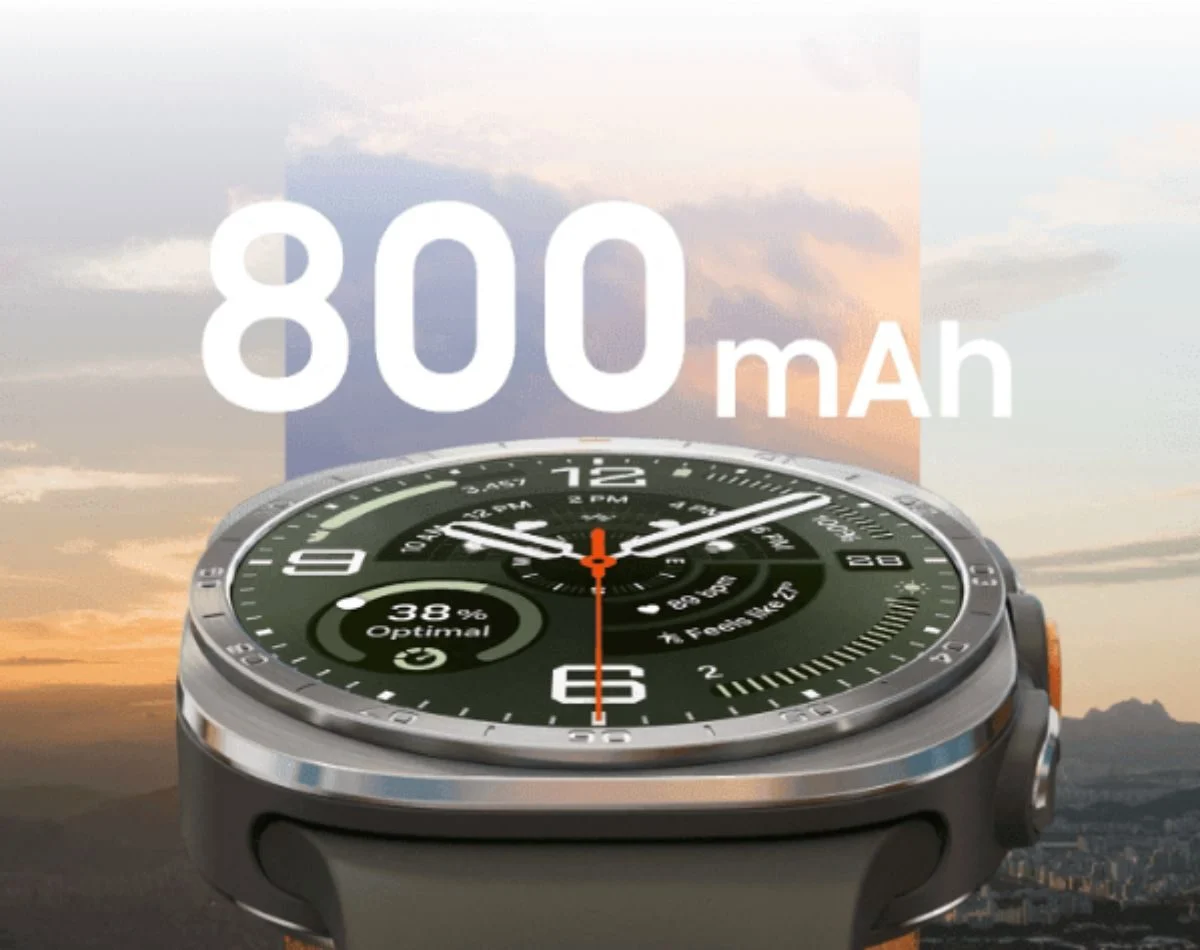
- Battery Life: Approximately six days under typical usage conditions; up to one day when 24-hour Ambulatory Blood Pressure Monitoring (ABPM) is active.
- Charging: Wireless, with a full charge achieved in approximately 75 minutes.
The most distinct feature, the 24-hour ABPM, allows the device to capture blood pressure readings at scheduled intervals throughout the day and night. This is a critical development, as nocturnal blood pressure patterns are often more indicative of cardiovascular risk than isolated, daytime snapshots. The data is processed through the Huawei Health app, which generates comprehensive reports that users can export and share with healthcare professionals.

Market Context and Industry Implications
The introduction of the Watch D3 occurs against a backdrop of increasing interest in "longitudinal wearable monitoring." While companies like Apple and Samsung have introduced hypertension detection or blood-pressure trend analysis, their methods are primarily optical. The industry trend is moving toward providing users with actionable data that can flag potential hypertensive crises.

The implication for the healthcare industry is significant. If wearables can consistently provide accurate, trend-based blood-pressure data, they could theoretically reduce the frequency of clinical visits for routine monitoring and improve the efficacy of medication titration. However, industry analysts caution that no wearable should currently replace a medical diagnosis. The D3 is positioned as a supplementary device for monitoring, not a diagnostic replacement for clinical equipment.

Competitive Landscape
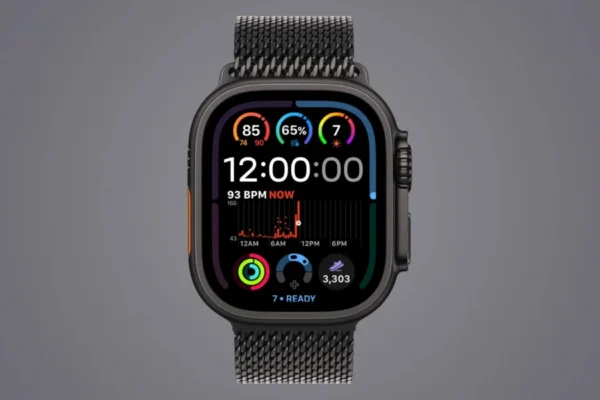
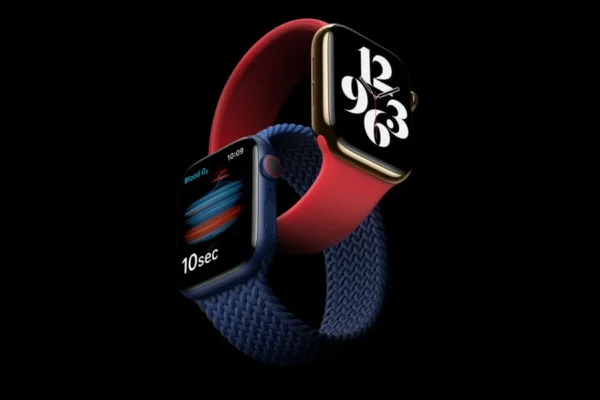
The Watch D3 faces competition from established players with deeper software ecosystems. The Apple Watch Series 12, for example, offers a more polished interface and a wider array of third-party apps, making it a superior "smart" device for daily productivity. Similarly, the Samsung Galaxy Watch 9 remains the preferred choice for Android users deeply integrated into the Google ecosystem.

However, these competitors lack the mechanical hardware necessary for true oscillometric blood-pressure measurement. The Huawei Watch GT 7 Pro serves as the brand’s alternative for those who prioritize ruggedness and athletic performance over clinical health monitoring. By segmenting its portfolio, Huawei is attempting to capture both the performance-oriented athlete and the health-conscious patient.

Potential Limitations and Challenges
Despite its technical prowess, the device is not without limitations. The inclusion of an inflatable cuff imposes physical constraints. The watch is not recommended for swimming or activities involving prolonged water exposure, despite an IP68 rating, because the airbag system is sensitive to water ingress.

Furthermore, the "one-size-fits-all" challenge remains prevalent in wearable comfort. The D3 requires users to measure their wrists and select the appropriate cuff size during the initial setup. Failure to achieve a proper fit can result in inaccurate readings, leading to user frustration. Additionally, the software ecosystem, while functional, lacks the app-store depth of Wear OS or watchOS, which may deter users who view their smartwatch as an extension of their smartphone’s utility.

Future of Wearable Diagnostics
The success of the Watch D3 suggests that the future of the smartwatch market may lie in specialization. As the hardware capabilities of these devices stabilize, manufacturers are increasingly turning to biometric sensors to differentiate their products. The ability to track cardiovascular health with a mechanical device provides a level of legitimacy that optical sensors have yet to achieve.

Looking forward, the integration of AI-driven analysis to interpret the data collected by the D3 could further enhance its value. For instance, future software updates could theoretically cross-reference blood-pressure spikes with sleep quality, stress levels, and physical activity to provide a comprehensive analysis of cardiovascular triggers.

For the consumer, the Watch D3 is a testament to the maturation of medical-grade wearables. It offers a solution for a specific, high-stakes demographic: those who need to manage their blood pressure without the burden of constant clinical intervention. While it is not a perfect device for every user, its focus on solving a real-world medical problem with innovative hardware sets a new standard for what a modern smartwatch can achieve.

In regions where it is available, the device serves as a bridge between the home and the clinic, providing a data-rich environment that empowers users to take a more active role in their cardiovascular management. As clinical research continues to validate the utility of such devices, the line between consumer technology and medical equipment will continue to blur, likely leading to a new generation of wearables that are as essential to patient care as they are to modern digital life.