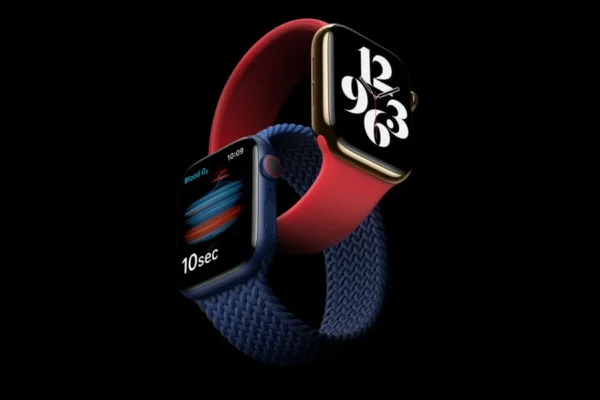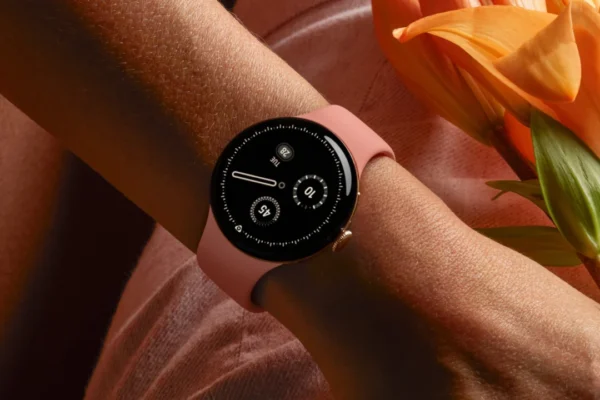









The recent global release of the Apple Watch Series 12 and the Apple Watch Ultra 4 marks a significant transition in wearable technology, moving beyond incremental hardware improvements to a more deeply integrated, data-driven health ecosystem. While these devices represent the pinnacle of Apple’s current engineering, users often find that the immediate day-to-day experience remains familiar. To fully leverage the upgraded sensor arrays and the sophisticated processing power provided by the S12 chip, owners must engage with specific, underutilized software features and configuration adjustments that unlock the true capabilities of this new generation.
The Evolution of the Apple Watch Ecosystem: A Chronology
The trajectory of the Apple Watch has been defined by a shift from a generalized notification companion to a dedicated medical-grade health monitor. The journey began in 2015, but the introduction of the Series 12 and Ultra 4 represents a pivot toward predictive analytics. In September 2026, Apple officially unveiled these models alongside the launch of watchOS 27, which introduced the Readiness Score—a metric designed to quantify the physiological state of a user based on historical and real-time biometric data.
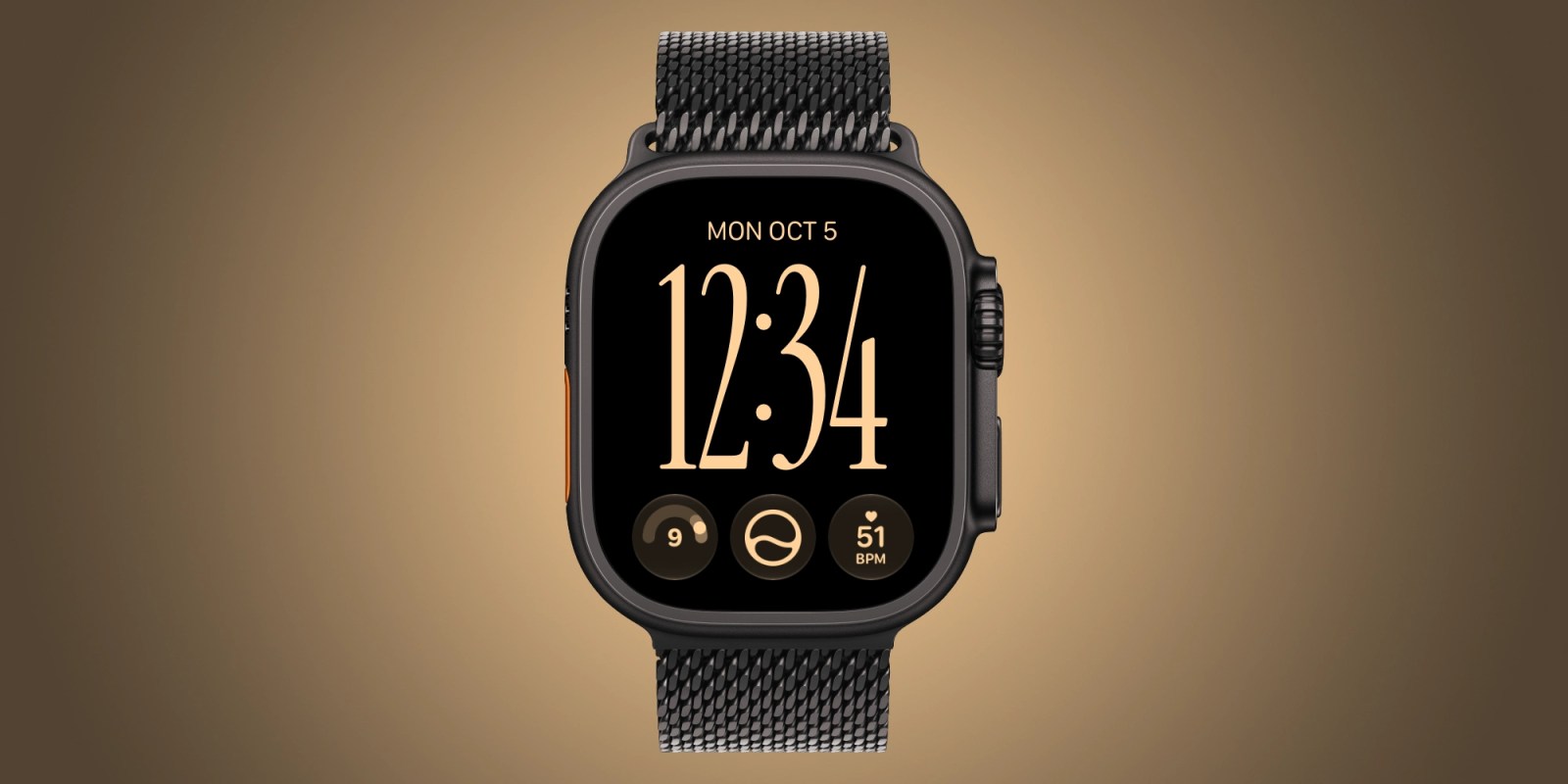
This launch follows years of iterative development, including the introduction of blood oxygen monitoring, ECG capabilities, and wrist temperature sensing. The Series 12 and Ultra 4 build upon this foundation by refining the accuracy of these sensors and, more importantly, by allowing for more granular, continuous data collection during both active hours and sleep cycles.
Optimizing the Interface: Customization and Complications
The most immediate change for users transitioning to the latest hardware is the expansion of complication support. Complications—the small widgets displayed on a watch face—have been re-engineered to handle more complex data streams.
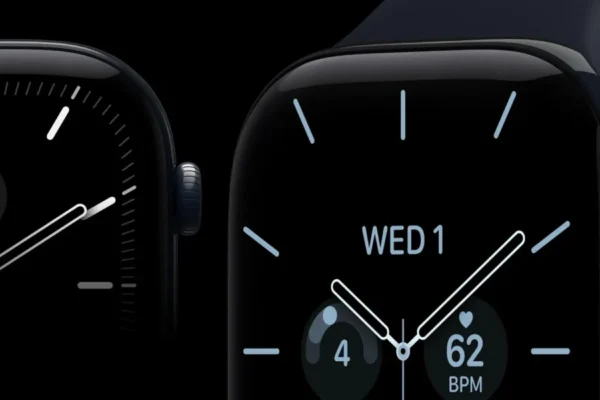
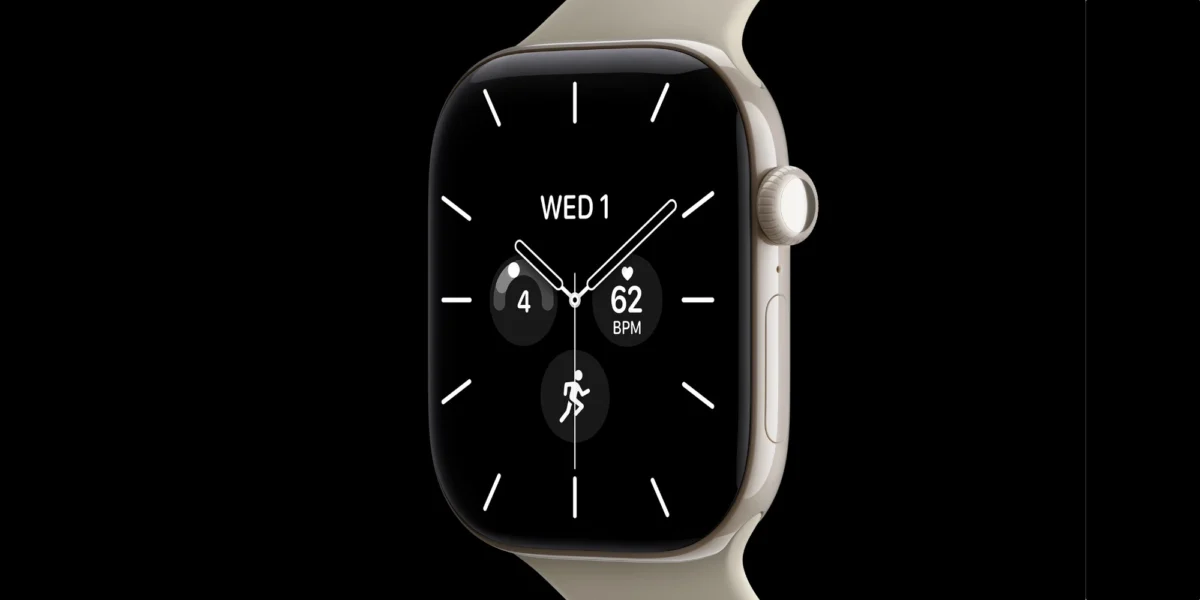
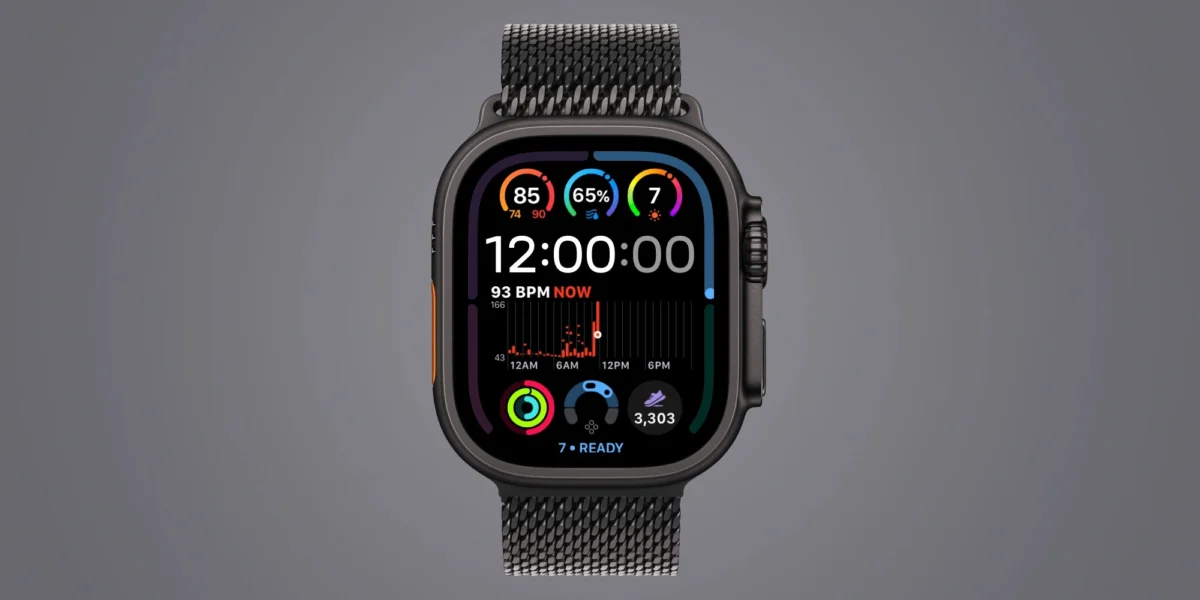
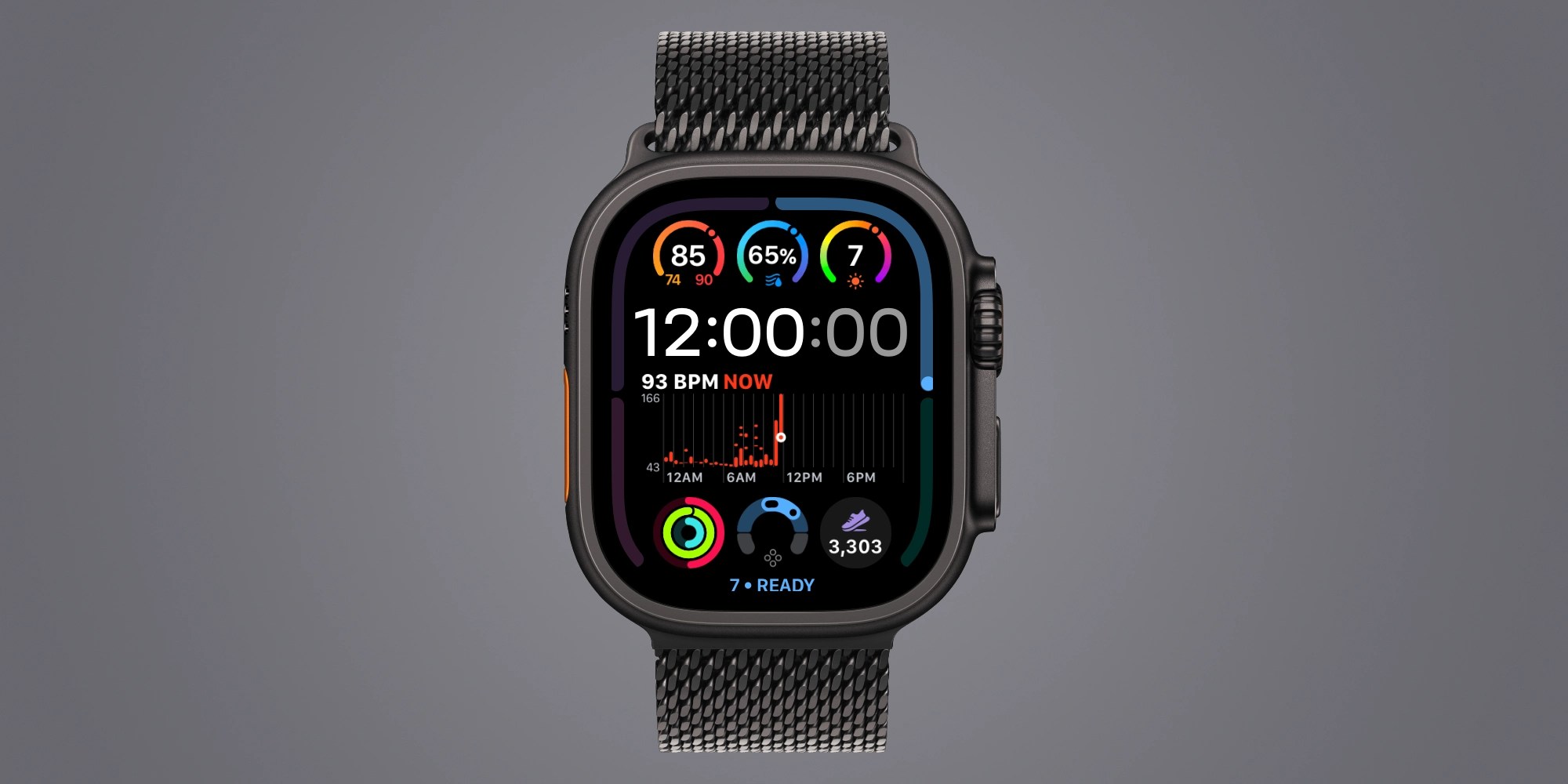
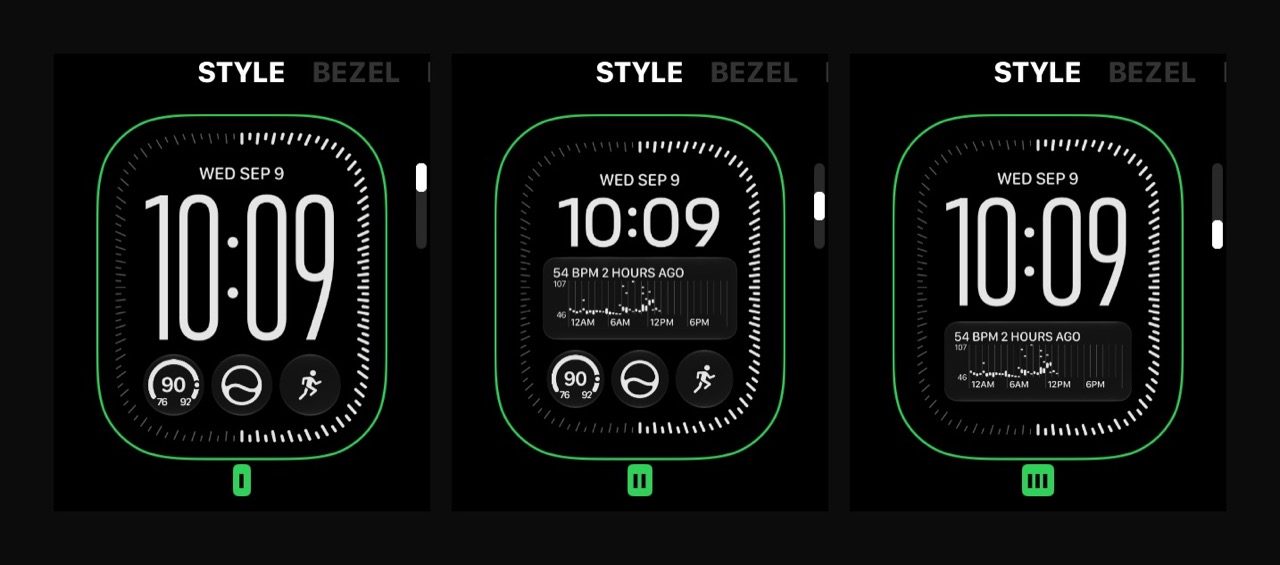
To maximize the utility of the Series 12 and Ultra 4, users should prioritize high-density watch faces such as the updated Siri Modular. This face, optimized for watchOS 27, allows for a greater volume of data to be displayed simultaneously. By configuring the center of the watch face to include live heart rate metrics and the new Readiness Score, users gain an instantaneous dashboard of their physiological status.
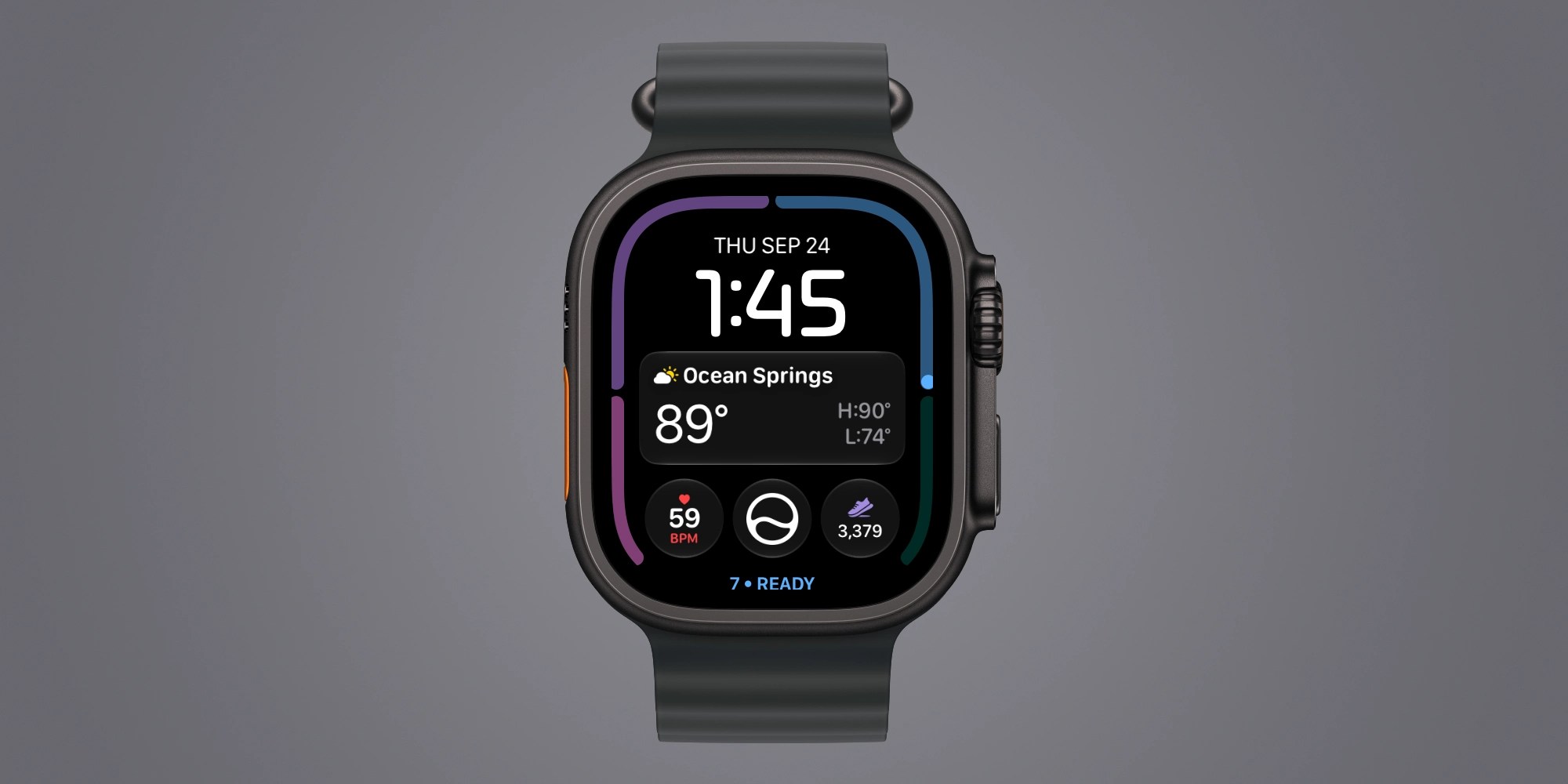
Technical analysts suggest that moving away from static icons toward dynamic, real-time data points significantly alters how users interact with their health data. Rather than proactively opening the Heart Rate or Fitness apps, the information is pushed to the forefront, enabling a passive but consistent awareness of one’s physical condition.
Leveraging the Smart Stack for Automated Intelligence
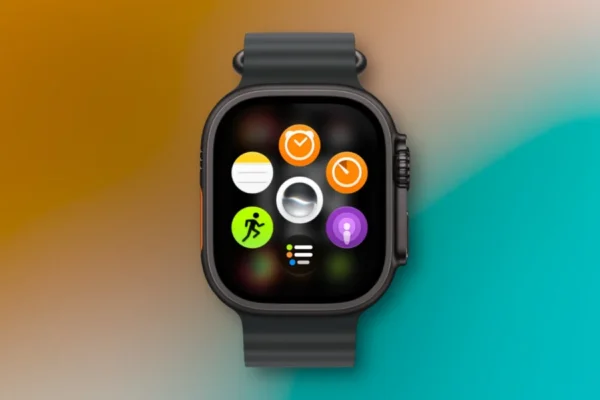
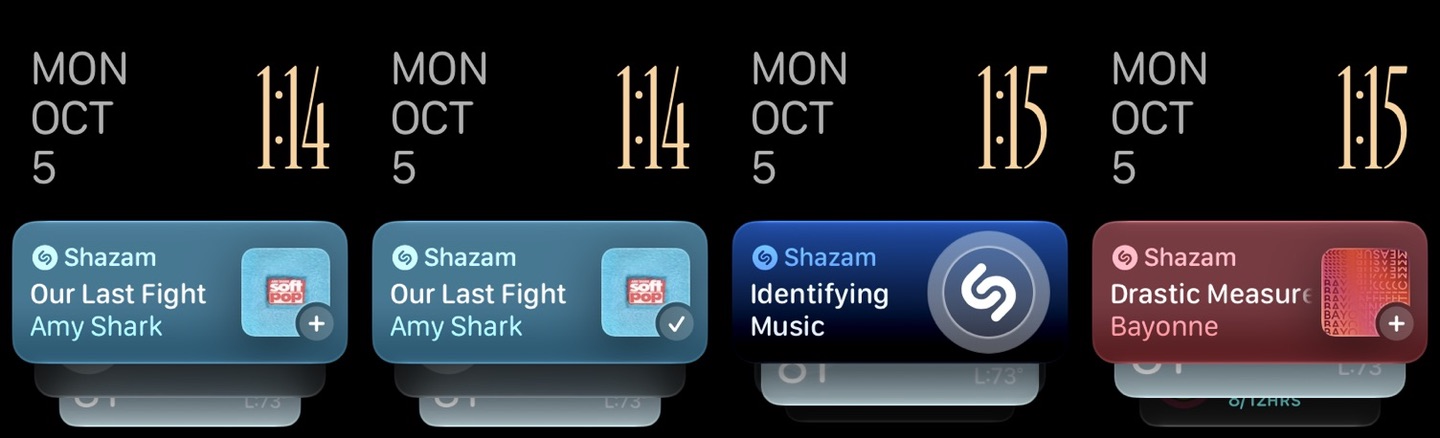
One of the most notable features introduced with the latest iteration of the watchOS interface is the integration of automatic music identification via the Smart Stack. This feature utilizes the watch’s built-in microphone array to cross-reference ambient audio with the Shazam database without requiring a manual trigger.
By navigating to Settings and enabling Music Recognition within the Smart Stack configuration, the device becomes an always-ready identification tool. This is indicative of Apple’s broader move toward ambient computing—where the device performs background tasks that were previously restricted to active, intentional user input. The implication for daily usage is a reduction in cognitive load; the watch handles the identification process autonomously, presenting the result only when the user chooses to view their Smart Stack.
The Science of the Readiness Score
The introduction of the Readiness Score represents a major shift in how Apple treats fitness data. Rather than focusing solely on activity rings or calories burned, the Readiness Score synthesizes information from several sources: overnight vitals, sleep duration, respiratory rate, and heart rate variability (HRV).
For this feature to function with clinical accuracy, Apple stipulates a "calibration period." Data scientists and fitness professionals emphasize that the algorithm requires at least seven nights of consistent wear to establish a reliable baseline for an individual user. This is a critical departure from previous fitness trackers that provided immediate, often erratic data. The requirement for a week-long baseline underscores the device’s shift toward longitudinal health tracking.
To maintain the necessary data flow, users are encouraged to adopt a structured charging regimen. By charging the device for short intervals during the day—rather than overnight—users ensure that the watch is consistently worn during the critical sleep window, which is when the majority of vitals data is harvested.
Expanding Vitals Tracking: Beyond Sleep
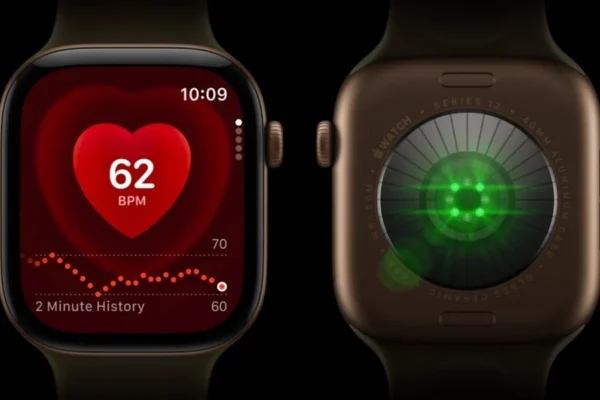
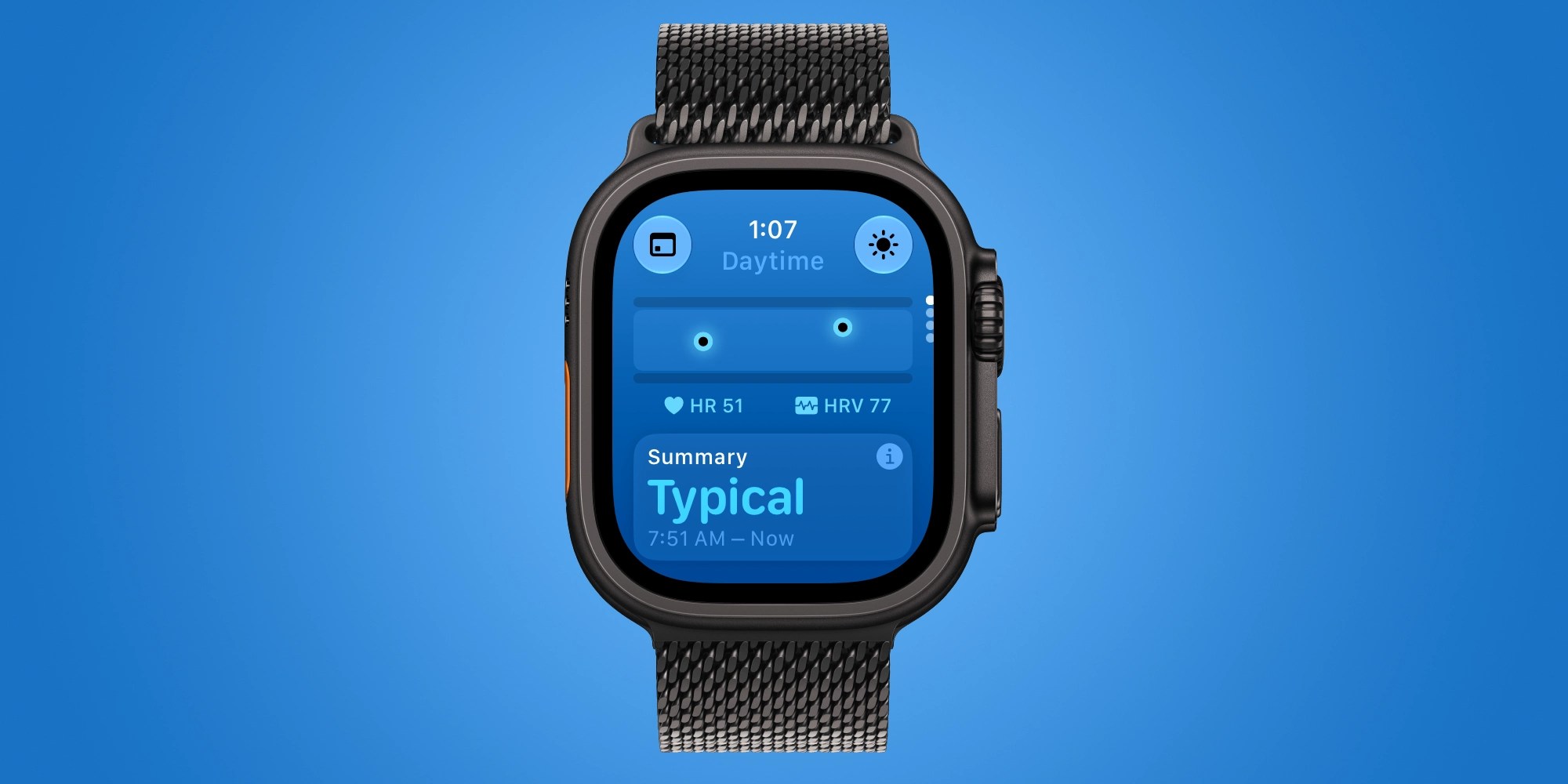
While previous models relied heavily on overnight vitals to calculate recovery, the Series 12 and Ultra 4 introduce the capability to monitor vitals during the day. This advancement is powered by the increased efficiency of the S12 processor, which manages the power consumption required for near-continuous sensing.
The Vitals app now provides a detailed breakdown of daytime recovery, observing how heart rate variability fluctuates during sedentary periods versus active ones. This provides a more comprehensive view of the body’s response to stress, exercise, and environmental factors. For athletes and high-performance users, this data allows for a more nuanced understanding of "overtraining" symptoms before they manifest as fatigue or injury.
Future-Proofing with Software Updates
The hardware improvements in the Series 12 and Ultra 4 are designed to support upcoming software enhancements that will further differentiate these models from their predecessors. Apple has confirmed that features such as "Siri Recap" and "Live Rewind" are currently in development. These tools will likely utilize the neural engine of the new chips to process voice data and audio streams locally, ensuring both speed and privacy.
The inclusion of these features highlights the intentional "headroom" Apple has built into the new hardware. By over-provisioning the processing power, the company ensures that the device will remain relevant through the duration of its expected multi-year lifecycle, even as software demands increase.
Broader Implications and Industry Analysis
The release of these devices has prompted a shift in the wearable market, placing pressure on competitors to move beyond basic step counting. Industry observers note that the integration of holistic health data—where sleep, activity, and vitals are viewed as a singular system—is the new standard.
However, this increase in complexity brings challenges regarding user privacy and data management. Apple has reinforced its commitment to on-device processing, ensuring that sensitive vitals information is encrypted and not uploaded to the cloud without user consent. This approach has become a cornerstone of their marketing, contrasting with other platforms that rely on centralized server analysis.
Ultimately, the Apple Watch Series 12 and Ultra 4 are not merely iterative upgrades. They are sophisticated data collection tools that require a proactive approach from the user. By customizing watch faces to display vital metrics, enabling automated background tasks like music recognition, and adhering to consistent wear schedules for health monitoring, users can transform the device from a simple notification relay into a powerful personal health management center. The value of these devices is no longer contained within the hardware alone, but in the synthesis of software-driven insights that inform daily life. As these features continue to evolve through watchOS updates, the gap between consumer-grade wearables and clinical-grade monitoring will likely continue to narrow, providing users with unprecedented visibility into their own physiology.