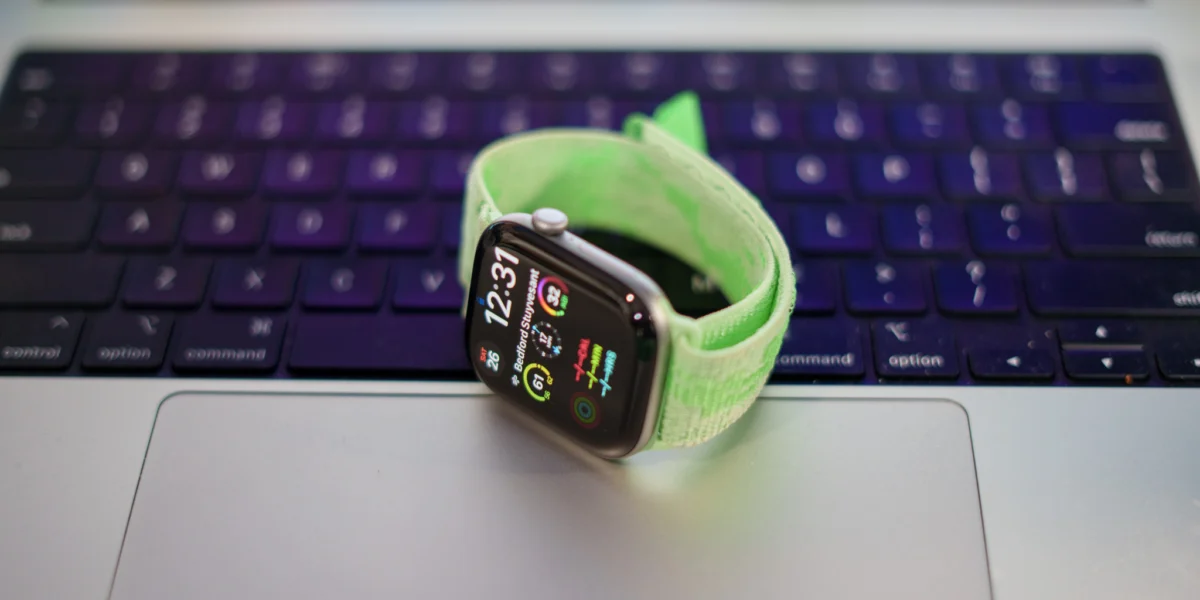
The Apple Watch Series 12 has arrived, marking a significant evolution in Apple’s wearable technology strategy. Following its official unveiling during the company’s September 2026 hardware event, the device has entered the market with a focus on deep integration of biometric data and improved computational efficiency. While initial consumer attention centered on the introduction of the Siri Recap feature and an overhauled heart rate sensor, a closer examination reveals that the Series 12 represents a fundamental shift in how Apple manages power consumption and health analytics.
Chronology of the Series 12 Development and Launch
The development trajectory of the Apple Watch Series 12 began in early 2025, following the release of the Series 11. Industry analysts noted that while the Series 11 focused on iterative refinement, the Series 12 was designed to capitalize on the 2nm manufacturing process, a milestone reached with the introduction of the A20 Pro chip architecture.
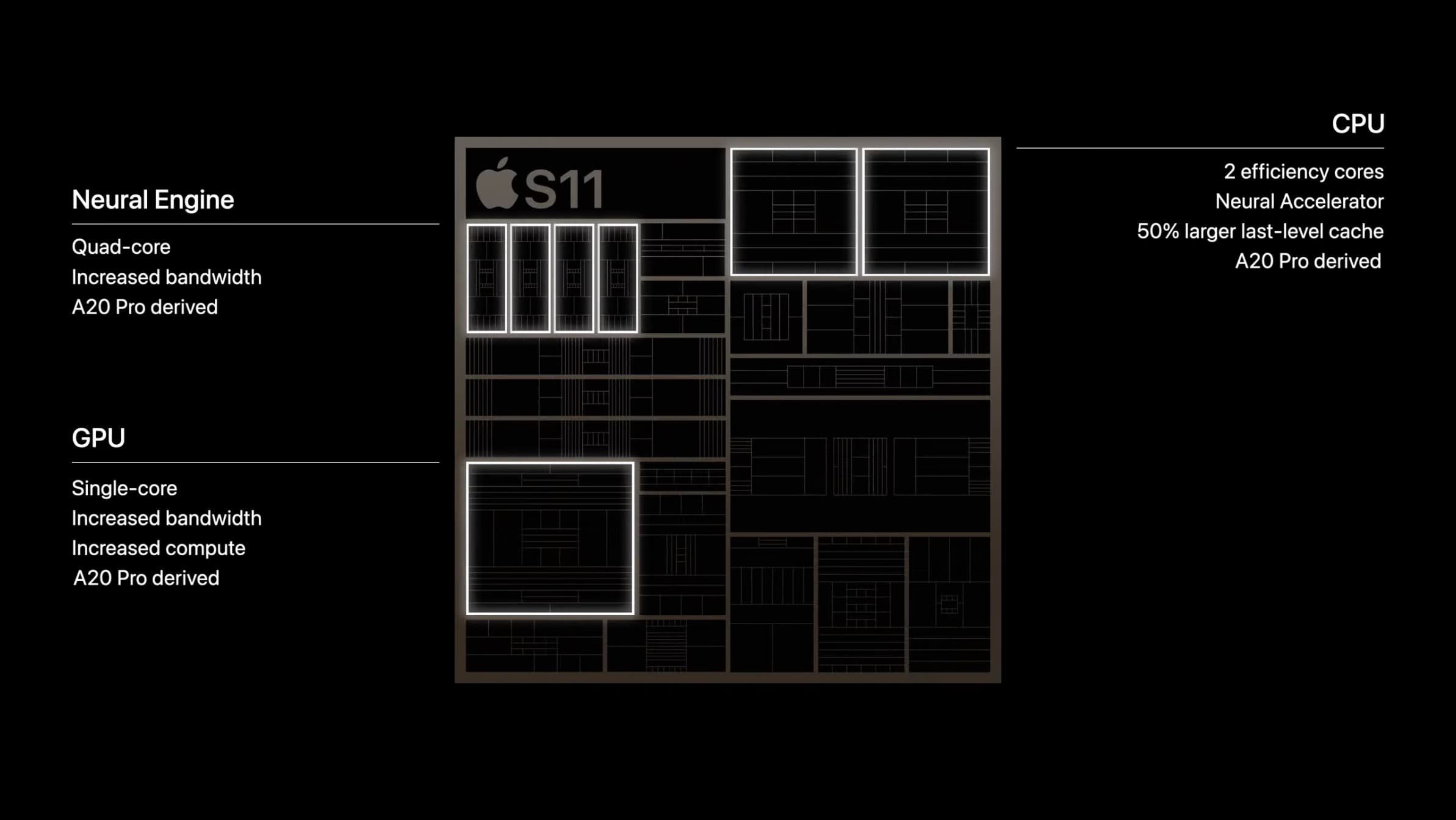
During the September 2026 keynote, Apple positioned the Series 12 as a cornerstone of its "proactive health" initiative. The launch timeline saw the device enter pre-orders immediately following the event, with units reaching consumers by late September. This release followed a long-standing pattern of annual updates, yet the Series 12 was distinguished by its reliance on the new S11 SiP (System in Package), which utilizes the same 2nm transistor density found in the company’s flagship smartphone processors.
Technical Advancements in the S11 Silicon
The backbone of the Series 12’s performance gains is the S11 chip. By transitioning to a 2nm design, Apple has achieved a notable reduction in power leakage, which has had a tangible impact on battery longevity. While official technical specifications from Apple do not explicitly claim a multi-day battery life, independent testing and user reporting confirm that the power efficiency of the S11 allows for seamless integration of 24-hour health monitoring without the frequent charging cycles required by previous iterations.
The chip’s architecture also enables faster processing of on-device machine learning tasks. This is particularly evident in the Siri Recap feature, which processes summaries of user notifications and health data locally. This reliance on edge computing ensures data privacy while simultaneously reducing the latency previously associated with complex voice-based queries on a wrist-worn device.
Evolution of Health Metrics and Readiness Tracking
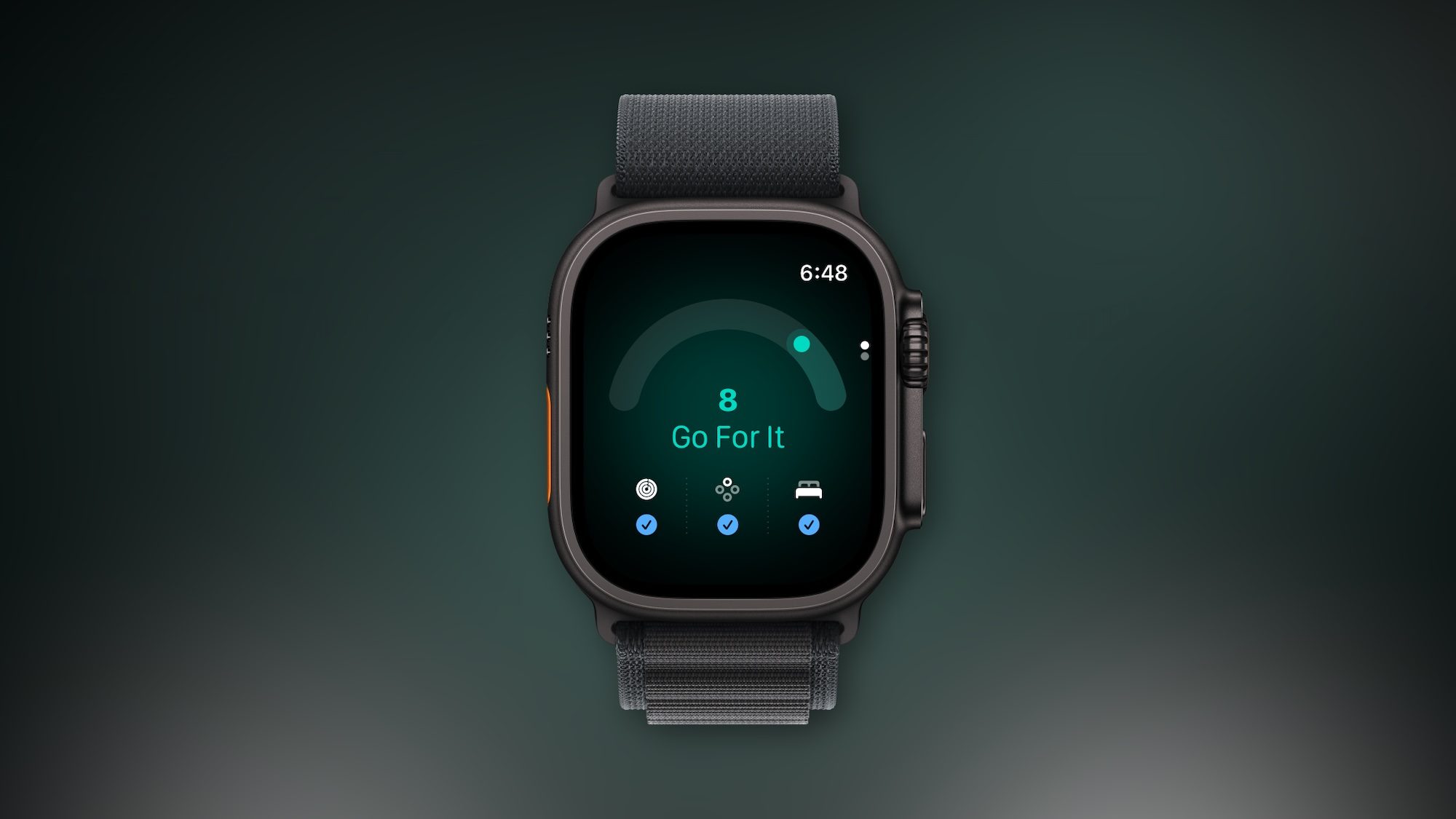
Perhaps the most significant software addition to the Series 12 is the "Readiness" app. This feature aggregates data points—including sleep stages, resting heart rate, heart rate variability, and previous day activity levels—to provide a single recovery score. This system mirrors the functionality of dedicated fitness trackers like WHOOP but integrates directly into the watchOS ecosystem.
Industry experts have noted that the exclusivity of the Readiness app to the Series 12 is likely tied to the precision of the updated heart rate sensor. The Series 12 sensor array offers a higher sampling rate than its predecessors, providing the granular data necessary to calculate recovery scores with statistical significance. While older models possess basic tracking capabilities, the software logic requires the improved signal-to-noise ratio offered by the new hardware. Furthermore, the inclusion of a native step-counter complication addresses a long-standing user request, allowing for immediate visibility of movement data within the "Smart Stack" interface.
Durability and Design Specifications
In addition to internal upgrades, Apple has introduced Ceramic Shield 2 to the aluminum chassis models of the Series 12. This material science advancement is designed to mitigate the micro-abrasions and screen cracks common in daily use. Historically, aluminum Apple Watch models were prone to display damage, necessitating the purchase of a stainless steel or titanium model for users seeking higher durability. By trickling down Ceramic Shield technology, Apple is effectively raising the baseline durability for its entry-level and mid-tier product lines.
Design-wise, the Series 12 features a slightly thicker bezel compared to the Series 10 and 11. While this change was not a focal point of the marketing material, it has been noted by early adopters. From a manufacturing perspective, this modification likely accommodates the larger battery capacity and the cooling requirements of the high-performance S11 chip, representing a deliberate trade-off between aesthetic minimalism and functional reliability.
Broader Market Implications
The release of the Apple Watch Series 12 serves as a clear indicator of Apple’s direction in the wearable market. The company is no longer competing solely on display quality or chassis material; instead, it is pivoting toward becoming a comprehensive health diagnostic tool. The ability to provide actionable insights—such as the readiness score—positions the watch as a critical component of a user’s long-term wellness strategy rather than a mere extension of the iPhone.
The rapid charging capabilities of the Series 12—which enable a full day’s worth of activity tracking from just 15 minutes of charging—also address the primary friction point for sleep tracking. By removing the need for extended charging sessions during the day, Apple is encouraging higher adoption rates for sleep monitoring, which in turn generates the richer data sets required for more accurate health forecasting.

Analysis of the Competitive Landscape
The market for health-focused wearables is increasingly crowded. Devices such as the Oura Ring, Garmin’s Fenix series, and the aforementioned WHOOP strap have dominated the recovery-tracking niche for years. Apple’s integration of these features into the Series 12 represents a significant threat to these single-purpose devices.
By centralizing communication, navigation, payment, and advanced biometrics into one device, Apple leverages the "ecosystem lock-in" effect. For the average consumer, the convenience of having a singular device perform the duties of a specialized recovery tracker, a smartphone companion, and a fitness coach provides a compelling value proposition that independent health-tracking companies may find difficult to replicate.
Conclusion and Future Outlook
The Apple Watch Series 12 stands as a testament to the benefits of vertical integration. By aligning custom-designed silicon with bespoke software features, Apple has created a device that exceeds the performance of its predecessor not through radical redesign, but through internal optimization.

As the industry moves toward 2027, the implications for the Apple Watch are clear: the focus will remain on the intersection of artificial intelligence and physiology. The Series 12 is currently the most sophisticated expression of this vision, offering a balance of durability, computational speed, and health-data density. For users who have remained on the fence during the "iterative" years of the Series 10 and 11, the Series 12 offers a sufficiently distinct leap in utility to justify an upgrade, signaling a new era of proactive health management for the consumer wearable market.