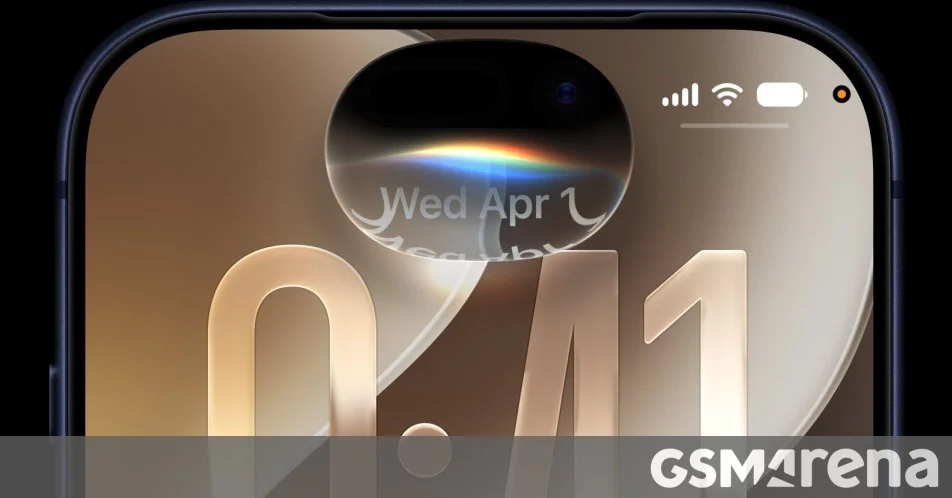
Apple has officially pulled the curtain back on its latest flagship hardware, the iPhone 18 Pro and the iPhone 18 Pro Max, marking a significant evolution in the company’s mobile hardware strategy. During a highly anticipated keynote event, the Cupertino-based tech giant confirmed that both devices will be available for pre-order starting September 12, with a retail market release scheduled for September 18. Central to this launch is the integration of the latest iteration of Apple’s mobile operating system, iOS 27, which was first previewed to developers and the public during the Worldwide Developers Conference (WWDC) in June.
The launch of the iPhone 18 Pro series represents the culmination of a rigorous development cycle, signaling Apple’s continued commitment to hardware-software vertical integration. As these devices ship with iOS 27 pre-installed, they serve as the primary demonstration of Apple’s current artificial intelligence strategy and user interface design refinements.
A Chronology of the iOS 27 Rollout
The timeline for the iOS 27 rollout has been meticulously paced to ensure maximum stability for the global user base. Following the initial unveiling in June, Apple initiated a comprehensive, multi-month beta testing program. This phase allowed developers and public beta testers to identify bugs, refine performance parameters, and ensure compatibility across a vast ecosystem of third-party applications.
Apple has now confirmed that the stable, public version of iOS 27 will be released to all eligible iPhones on Monday, September 14. This date serves as the cornerstone for a broader software release schedule. Based on historical trends and Apple’s consistent ecosystem update strategy, it is widely expected that the corresponding operating systems—iPadOS 27, watchOS 27, tvOS 27, and macOS 27—will arrive on the same day. This synchronized launch strategy is intended to ensure cross-device continuity, a hallmark of the Apple experience, allowing users to leverage features like Handoff and Universal Control across their entire hardware suite immediately upon updating.
Technical Specifications and the Role of Siri AI
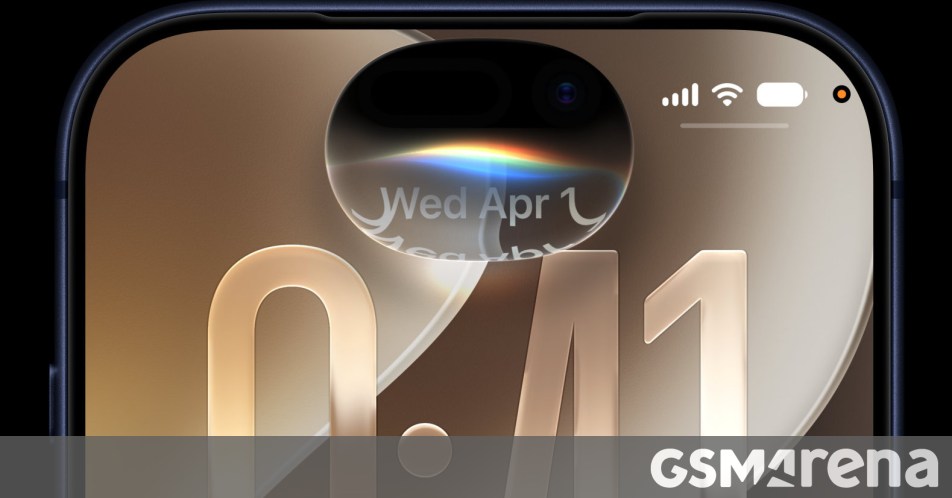
The most significant software advancement in iOS 27 is the integration of the revamped Siri AI. By leveraging on-device machine learning models and cloud-based processing, the new Siri is designed to be more context-aware, capable of complex multi-step instructions, and better integrated into the native application framework. This represents a pivot from the command-based interactions of previous years to a more conversational, intent-based interface.
However, the rollout of these AI capabilities is subject to regional regulatory considerations. Apple has officially confirmed that the full suite of Siri AI features will not be available to users in the European Union or China at launch. This limitation underscores the complex regulatory environment surrounding generative AI and data privacy, particularly in regions with stringent data localization and consumer protection laws. While basic Siri functionality will remain operational in these territories, the advanced generative capabilities will be restricted, reflecting a pragmatic approach by Apple to ensure compliance with diverse international frameworks.
Supporting Data and Market Context
The iPhone 18 Pro and Pro Max arrive at a time when the smartphone market is increasingly focused on the intersection of hardware performance and AI-driven utility. Market analysts have noted that consumer interest in high-end devices has shifted toward longevity and software support lifecycles. With iOS 27, Apple is extending its support window, reinforcing the value proposition of the iPhone 18 Pro series.
The technical specifications of the new devices are designed to handle the heavy computational load required by the new AI engine. With an updated neural engine and increased RAM capacity, the iPhone 18 Pro series is engineered to process large language models (LLMs) locally, which reduces latency and enhances user privacy by minimizing data transmission to external servers. This hardware-software synergy is critical, as it differentiates the iPhone 18 series from competitors that may rely more heavily on purely cloud-based AI processing.
Implications for the Ecosystem
The release of iOS 27 is not merely a feature update; it is an infrastructure change. By aligning the launch of iOS 27 with the hardware release of the iPhone 18 Pro, Apple is creating a "halo effect" where the hardware features are inextricably linked to the software’s capability. For instance, the improved camera systems on the Pro models are heavily reliant on the advanced image processing algorithms embedded within the iOS 27 core.

Industry observers suggest that this strategy will drive a significant upgrade cycle. As consumers become accustomed to the capabilities of Siri AI and the updated notification management systems in iOS 27, the demand for hardware capable of running these processes with low power consumption and high efficiency is expected to rise. Furthermore, the simultaneous update of macOS and iPadOS indicates a long-term goal of total platform parity. Apple’s transition toward a unified underlying architecture across its product lines allows for faster deployment of security patches and feature updates, which is a major factor in corporate and enterprise adoption of Apple hardware.
Official Response and Analyst Perspectives
While Apple has not commented on the specific limitations regarding the EU and China beyond standard compliance statements, industry experts have weighed in on the situation. Many analysts suggest that these restrictions are not indicative of a lack of technical capability, but rather a calculated move to mitigate legal risks in regions where AI legislation is currently being codified.
"Apple is playing a long game," says one industry analyst. "By launching the software globally while gating specific features in certain regions, they maintain brand consistency while ensuring they do not run afoul of local regulators. It is a classic move to prioritize long-term market access over immediate, short-term feature parity."
Furthermore, the developer community has reacted positively to the tools provided in the iOS 27 SDK. The ability to integrate with the new Siri AI via improved APIs allows developers to create more immersive applications, which in turn increases the stickiness of the iOS platform. This developer ecosystem remains one of Apple’s most significant competitive advantages.
Broader Market Impact and Future Outlook
Looking forward, the success of the iPhone 18 Pro and the stability of iOS 27 will likely set the tone for the remainder of the fiscal year. Apple’s ability to successfully navigate the complexities of international AI deployment while maintaining its reputation for hardware quality will be a key metric for investors and consumers alike.
The transition to iOS 27 also signals a shift in how Apple interacts with user data. With the increased reliance on on-device processing, the company is positioning its devices as the "private" alternative to other AI-heavy platforms. This marketing narrative, combined with the tangible hardware improvements in the iPhone 18 Pro, suggests that Apple is aiming to capture the segment of the market that prioritizes security and privacy alongside cutting-edge technology.
As the industry approaches the September 14 release date for iOS 27 and the subsequent September 18 hardware launch, all eyes will be on the stability of the servers and the initial user feedback. The success of this launch will confirm whether Apple’s current strategy—characterized by deep integration and a cautious approach to regional deployment—remains the most effective path forward in an increasingly fragmented global tech landscape. With the iPhone 18 Pro, Apple continues to push the boundaries of what a mobile device can achieve, effectively bridging the gap between a communication tool and a personal computing powerhouse.