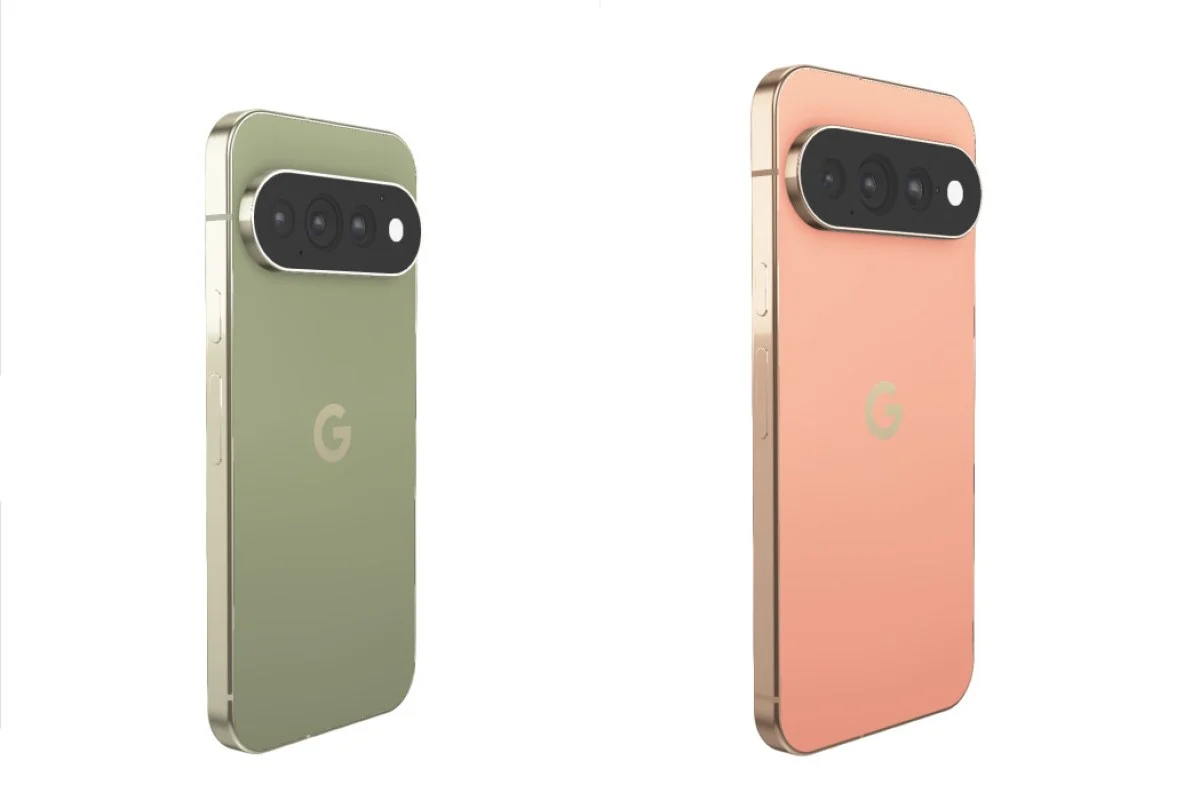
The Google Pixel 11 series, unveiled to the public in August, represents the latest iteration of Google’s flagship smartphone strategy, consolidating the company’s position in the premium mobile market. As consumers evaluate the new hardware, a recurring point of comparison has emerged between the standard Google Pixel 11 Pro and its larger counterpart, the Google Pixel 11 Pro XL. While the most immediate distinction lies in their physical dimensions, a detailed analysis reveals that the two devices diverge in ways that extend beyond mere screen real estate, touching upon charging capabilities, audio fidelity, and overall endurance.
Historical Context and Product Positioning
Google’s decision to bifurcate the "Pro" branding into two distinct size tiers mirrors industry trends popularized by competitors such as Apple and Samsung. By offering a 6.8-inch XL variant alongside the more compact, traditional Pro model, Google is attempting to cater to two distinct segments of the power-user demographic: those who prioritize one-handed usability and those who demand maximum surface area for content consumption and productivity. This strategic shift follows the August announcement, which underscored the company’s focus on the Tensor G6 chipset and advanced AI integration, setting the stage for a new generation of hardware performance.

Design, Ergonomics, and Build Quality
The physical disparity between the two handsets is significant. The Pixel 11 Pro XL commands a 6.8-inch display, creating a device that is both taller and wider than the standard Pixel 11 Pro. For users who prefer a device that can be operated comfortably with one hand, the standard Pro remains the more ergonomic choice. Despite the substantial increase in size, the XL model manages to maintain a similar thickness, preserving a sleek aesthetic.

From a construction standpoint, both devices adhere to the same premium manufacturing standards. Google has utilized Gorilla Glass Victus 2 for both front and rear panels, framed by robust aluminum, ensuring that neither device compromises on durability. Both models maintain an IP68 rating, guaranteeing high-level protection against dust ingress and water submersion, which has become a baseline expectation for devices in this price bracket. Interestingly, weight distribution remains comparable, meaning the smaller Pro does not offer a drastically lighter experience, despite its smaller footprint.

Display Technology and Visual Performance
The display experience on both devices is largely uniform, with both panels supporting high-dynamic-range (HDR10+) content and a 120Hz refresh rate. Peak brightness levels are consistent across the board, ensuring that visibility in direct sunlight remains a non-issue regardless of which size the consumer selects. The choice between these two devices, therefore, is almost entirely dictated by the user’s preference for screen size rather than a difference in panel quality or technical capability.

Battery Endurance and Charging Infrastructure
A primary concern for potential buyers is how the larger chassis of the XL influences power management. Data from recent testing indicates that the performance gap is narrower than many anticipated. While the Pixel 11 Pro XL houses a larger 5,115 mAh battery compared to the 4,850 mAh unit in the standard Pro, the endurance metrics are remarkably consistent across most scenarios. The XL holds a slight advantage during intensive web browsing, but in general day-to-day use, the difference in longevity is negligible.

However, the divergence becomes pronounced in charging speed. The standard Pixel 11 Pro is limited to 30W wired charging via Power Delivery, whereas the Pro XL supports up to 45W. This 15W difference results in a substantial real-world advantage for the XL model. In comparative testing, the XL consistently reached full charge 20 minutes faster than its smaller counterpart, making it the superior choice for users who prioritize rapid turnaround times. Both devices support 25W Qi2.2 magnetic wireless charging, maintaining parity in the wireless power department.

Audio Fidelity and Acoustic Tuning
While the internal speakers on both devices produce similar levels of maximum volume, subtle differences exist in the acoustic tuning. The Pixel 11 Pro XL, by virtue of its larger internal acoustic chamber, provides a sound profile that is consistently fuller and more articulate. While both handsets are more than adequate for media playback, the XL offers a marginally superior audio experience, a detail that is often overlooked in spec-sheet comparisons.

Performance Parity: The Tensor G6 Experience
Under the hood, both devices utilize the proprietary Tensor G6 System-on-Chip (SoC). Because they belong to the same generation and utilize identical architecture, there is no performance gap in processing power. Synthetic benchmarks and stress tests for both CPU and GPU performance show that both phones handle thermal loads and throttling in a nearly identical manner. Whether the user selects the 12GB/256GB, 16GB/512GB, or the 16GB/1TB storage configuration, the raw computational experience remains the same.

Camera Hardware and Photographic Consistency
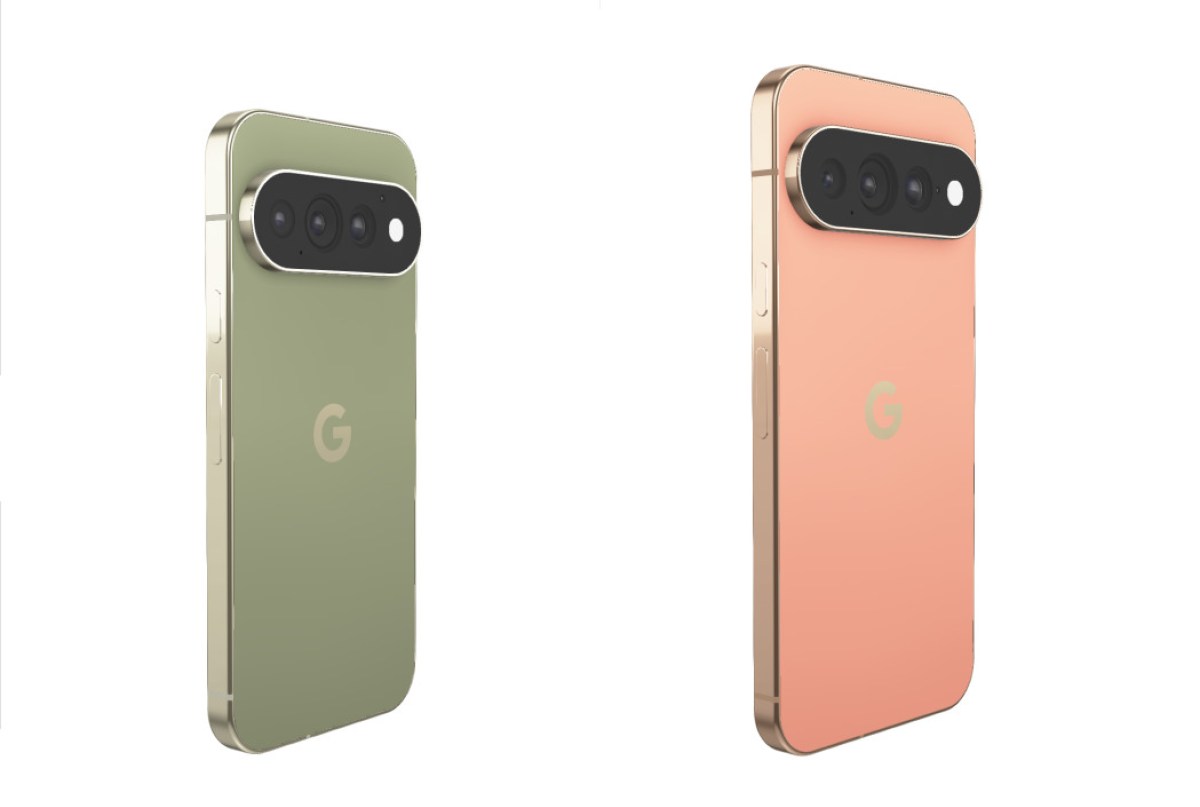
Google has equipped both models with an identical triple-camera array, ensuring that the flagship photography experience is not gated by the device size. The system features a 50MP main sensor with a 24mm-equivalent lens, a 12mm-equivalent ultrawide camera (50MP), and a 50MP telephoto lens capable of 5x optical zoom.

In daylight scenarios, both devices capture images with excellent dynamic range and the signature "Pixel" aesthetic—a blend of high detail and controlled, gritty processing. Performance at 2x zoom remains functional but represents a known limitation for current Google hardware. The telephoto performance at 5x is commendable, providing sharp results, while 10x shots, as expected, show a degradation in fine detail.

Low-light performance is equally consistent. The main sensor remains the star performer in challenging lighting, while the ultrawide camera, though capable, does not reach the same level of fidelity. One minor observation noted during testing involved occasional white balance discrepancies in the telephoto lens, which appeared sporadically across both units, suggesting a potential software-level consistency issue rather than a hardware defect. Video recording capabilities, including 4K60 and 10-bit HDR, are identical on both models, confirming that the photography and videography suite is a shared experience.

Market Implications and Conclusion
The decision to purchase the Pixel 11 Pro or the Pixel 11 Pro XL ultimately rests on a value proposition. The XL carries a significant price premium—approximately $180 in the United States and €200 in Europe. In exchange for this additional investment, the user gains a larger display, significantly faster wired charging, and a slightly more refined audio experience.

For the average consumer, the standard Pixel 11 Pro provides the full breadth of the Google flagship experience without the ergonomic burden of a larger device. The Pro XL, conversely, serves the power user who requires the fastest possible charging speeds and a more immersive screen for media consumption. As Google continues to refine its hardware ecosystem, the distinction between these two models provides a clear path for users to choose the device that best aligns with their specific operational needs, rather than feeling forced to upgrade to the larger model for better performance. The consistency across the core technical specifications reinforces Google’s commitment to delivering a uniform high-end experience, regardless of the physical form factor chosen.