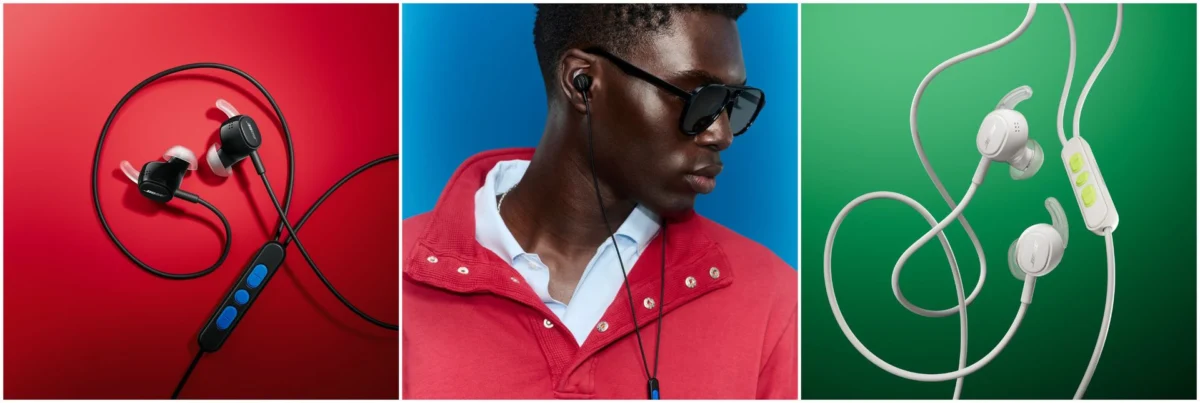
In a surprising move that challenges the prevailing industry trend favoring completely wireless audio ecosystems, renowned audio equipment manufacturer Bose has officially announced the launch of its new Noise Cancelling Wired Earbuds. Designed specifically to cater to audiophiles, professionals, and commuters who prioritize reliability, zero latency, and uninterrupted listening experiences over Bluetooth convenience, this new product bridges a long-standing gap in the modern audio accessory market. By integrating advanced active noise cancellation (ANC) into a traditional wired form factor that draws power directly from host devices via a USB-C connection, Bose is positioning these earbuds as the ultimate modern solution for users who have grown weary of battery degradation, pairing glitches, and wireless interference.
Main Facts and Core Specifications
The newly unveiled Bose Noise Cancelling Wired Earbuds plug directly into the USB-C port of any compatible smartphone, tablet, laptop, or desktop computer, offering instant, plug-and-play audio functionality. Eschewing the need for companion mobile applications, internal rechargeable batteries, or cumbersome charging cases, the earbuds derive their minimal power requirements straight from the host device. This design philosophy eliminates the primary drawback of traditional Bluetooth earbuds—battery lifespan depletion—while ensuring that the hardware remains lightweight and perpetually ready for use.
At the core of the acoustic architecture is Bose’s proprietary SoundDesign digital signal processing (DSP) technology. This proprietary software and hardware integration is engineered to deliver exceptionally crisp, well-balanced, and clear audio reproduction, augmented by full support for lossless audio playback. The earbuds operate under the USB Audio Class 2 protocol, granting them the capability to seamlessly accept source inputs across a variety of sample and bit rates, while standard playback output is fixed at a high-fidelity 24-bit/48kHz. Furthermore, the inclusion of a hardwired connection naturally eliminates the audio latency issues commonly associated with wireless Bluetooth transmissions, making these earbuds ideal for competitive gaming, video editing, and real-time communications.
For noise reduction, Bose has strategically incorporated dedicated external microphones positioned on the exterior housing of each earbud. These sensors continuously monitor environmental ambient noise in real time, feeding data into the internal processors to effectively phase out unwanted low-frequency sounds such as airplane engines, subway rumbles, and bustling office chatter. Managing these features is streamlined through a convenient physical inline remote control module integrated into the cord. Users can effortlessly adjust master volume levels, manage media playback, answer or decline incoming voice calls, and toggle between distinct listening modes without needing to unlock their connected devices.
Listening Modes and Practical Usability
Versatility remains a cornerstone of the Bose Noise Cancelling Wired Earbuds, highlighted by three distinct, user-selectable listening profiles designed to adapt to varying daily environments:
- Quiet Mode: Utilizes the full capabilities of the integrated active noise cancellation system to aggressively suppress background sounds, creating an isolated acoustic environment ideal for deep focus or travel.
- Aware Mode: Acts as a transparency feature, blending ambient sounds from the surrounding world into the audio stream so users can remain cognizant of their surroundings during outdoor commutes or public announcements.
- ANC Off Mode: Disables active noise cancellation entirely, allowing users to experience the raw acoustic signature of the hardware without any digital processing intervention.
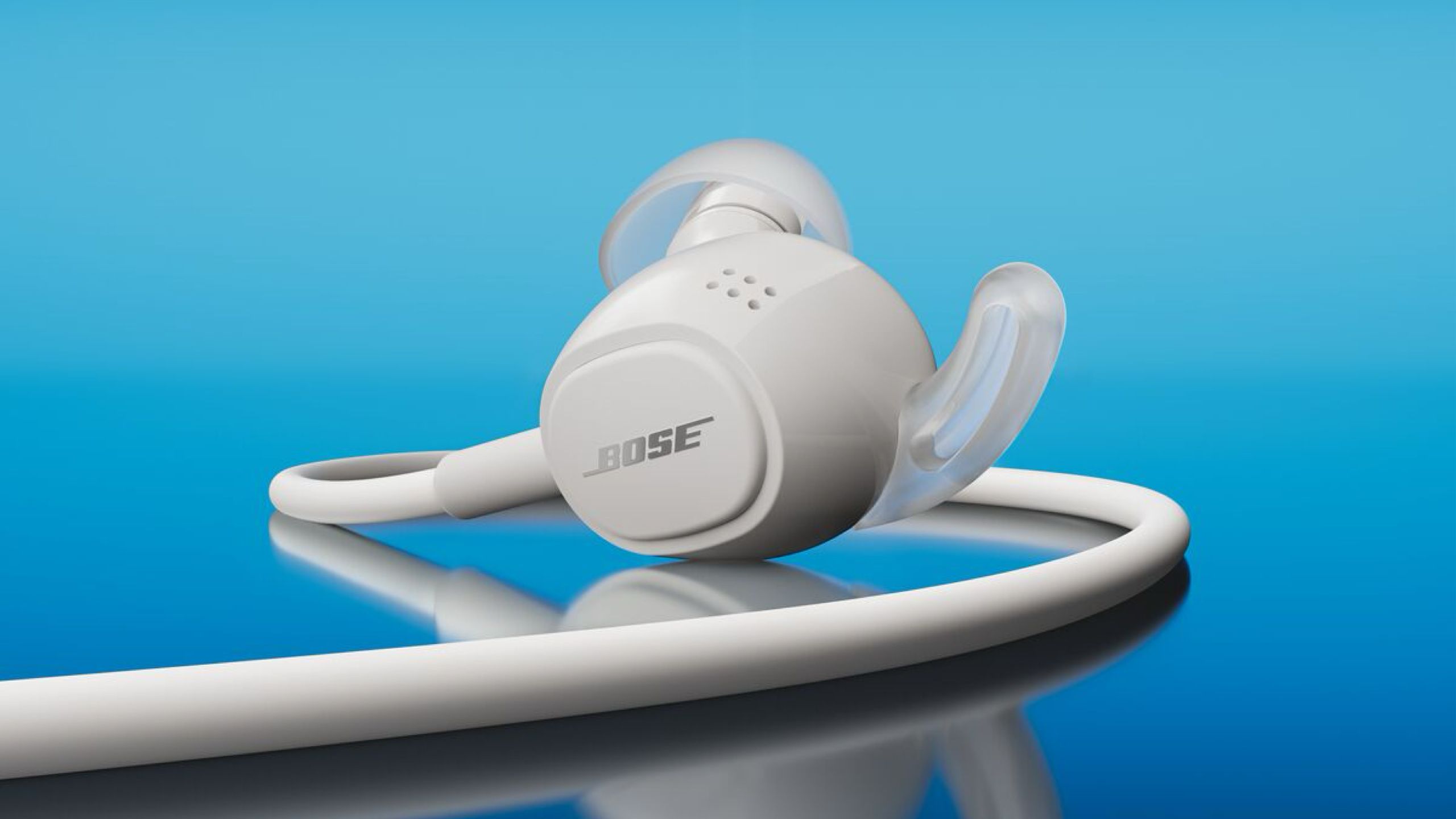
Ergonomically, the earbuds are bundled with soft silicone ear tips engineered to provide a secure, passive acoustic seal that complements the active noise-canceling circuitry. To ensure durability against everyday elements such as sweat, unexpected rain, or accidental spills, the hardware carries an official IPX4 water-resistance rating.
Pricing, Color Options, and Availability
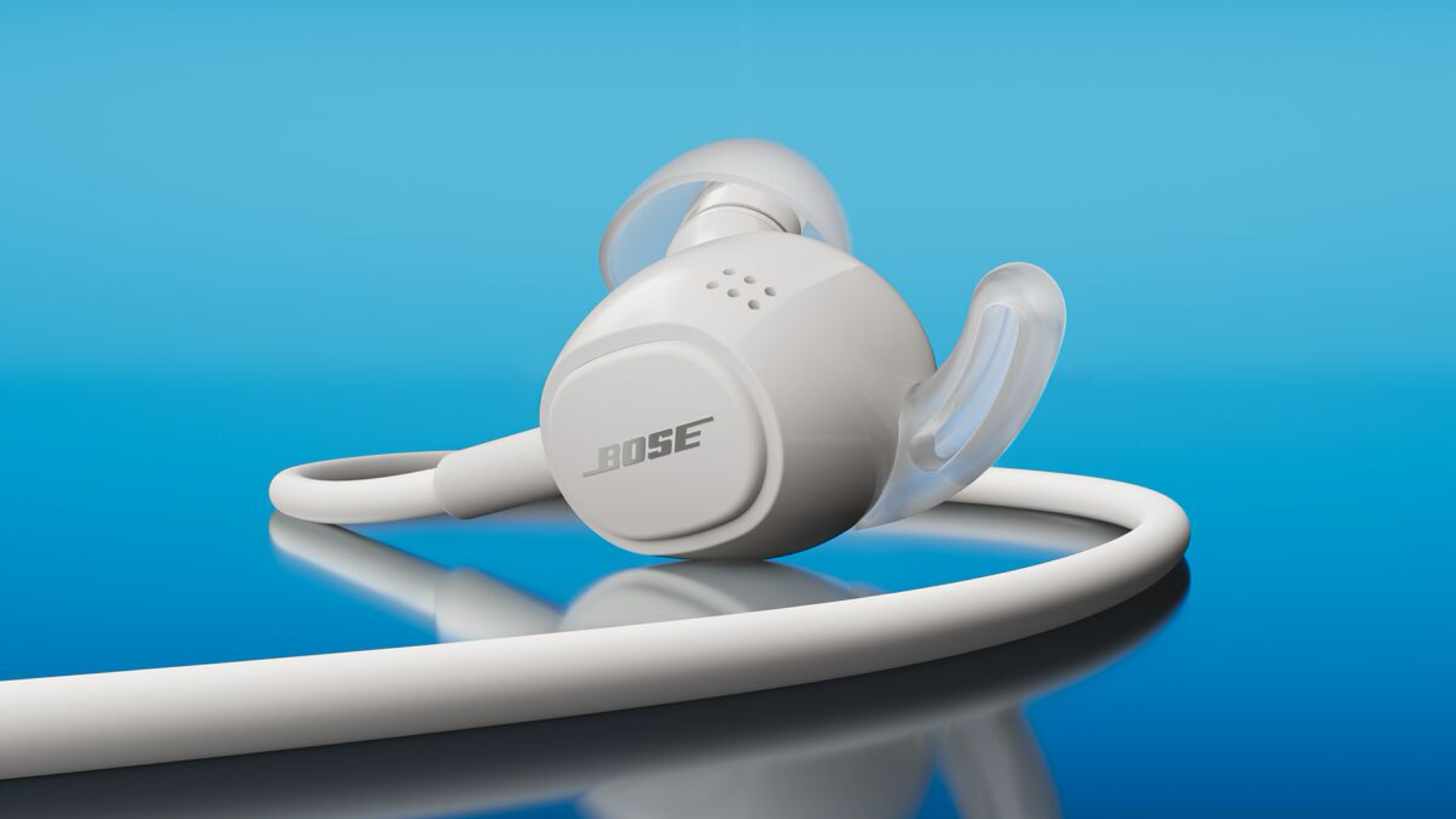
Bose has confirmed that the Noise Cancelling Wired Earbuds will be competitively priced at $99 in the United States. To cater to diverse aesthetic preferences, the product will be offered in three distinct finishes: a classic Black, a sleek White Smoke, and a vibrant, limited-edition Dewdrop Mint colorway. Pre-orders for the earbuds commenced immediately on the day of the announcement through the official Bose website and major authorized electronics retailers, most notably Best Buy. Official retail shipments and in-store availability are scheduled to begin on October 15.
Background Context and Industry Evolution
The launch of wired earbuds equipped with active noise cancellation marks an intriguing counter-narrative in an industry that has aggressively pursued total wireless freedom over the past decade. Following the widespread removal of the traditional 3.5mm headphone jack from mainstream smartphones—pioneered largely by Apple in 2016 and subsequently adopted by almost all major Android manufacturers—the consumer electronics market experienced a massive migration toward Bluetooth earbuds, spearheaded by devices like Apple’s AirPods and various iterations of wireless earbuds from Sony, Samsung, and Bose itself.
However, this transition introduced a new set of consumer pain points. Wireless earbuds inherently rely on internal lithium-ion batteries, which degrade significantly over two to three years of regular charging cycles, often rendering expensive hardware obsolete. Additionally, Bluetooth connections, while vastly improved through modern codecs like aptX Adaptive, LDAC, and LC3, remain susceptible to radio frequency interference in densely populated urban environments, alongside noticeable latency during video playback and interactive media sessions.
While budget-friendly USB-C wired earbuds have flooded online marketplaces in recent years, premium manufacturers largely abandoned the wired category for high-end audio products, leaving a noticeable void for consumers seeking studio-grade fidelity, robust build quality, and active noise cancellation without the complications of wireless management. Bose’s strategic entry into this niche suggests a growing recognition of an underserved consumer segment that values reliability, longevity, and uncompressed sound reproduction.
Broader Impact and Market Implications
The introduction of the Bose Noise Cancelling Wired Earbuds could potentially trigger a renewed wave of innovation in the wired audio sector, prompting other tier-one manufacturers to reconsider the wired category for productivity and commuter-focused demographics. By eliminating the battery anxiety and charging maintenance associated with wireless alternatives, Bose offers an appealing value proposition for frequent travelers, remote workers, and students who spend extended hours connected to laptops and tablets.
Furthermore, the integration of USB Audio Class 2 protocol and support for 24-bit/48kHz playback aligns well with the explosive growth of high-resolution music streaming services. Platforms such as Apple Music, Tidal, Amazon Music Unlimited, and Qobuz have increasingly prioritized lossless and spatial audio formats, yet many users are forced to downsample their music over lossy Bluetooth codecs unless they invest in dedicated, bulky portable digital audio players (DAPs) or external USB DAC/amplifier dongles. By building a high-performance DAC and ANC system directly into a lightweight pair of USB-C earbuds priced at under $100, Bose has effectively democratized access to high-resolution, noise-canceled audio.
As the tech industry observes consumer adoption following the October 15 launch, the market performance of these earbuds may determine whether other legacy audio brands follow suit, potentially breathing new life into a wired accessory market long thought to be entirely superseded by wireless technology.