
Apple is reportedly preparing a substantial redesign and hardware overhaul for its smallest tablet lineup, marking the first major evolution of the iPad mini since 2021. According to industry leaks and supply chain insights, the forthcoming iteration of the compact device is poised to introduce several groundbreaking features to the form factor, including advanced display technology, a next-generation processor, structural durability enhancements, and a notable shift in market positioning.
Main Facts of the Upcoming Release
The anticipated refresh represents a significant leap forward for the iPad mini series, which has maintained a largely consistent design language for the past several years. Industry analysts and supply chain reports indicate that the device will transition from its traditional LCD panel to an OLED display, promising richer color reproduction, deeper contrast ratios, and higher peak brightness levels. While it is expected to omit the Tandem OLED architecture found in high-end iPad Pro models, the inclusion of organic light-emitting diode technology addresses a long-standing consumer request for enhanced visual fidelity in a compact slate.

Beneath the exterior, the device is slated to house a powerful new silicon architecture. Moving away from the current A17 Pro chip, the upcoming model is rumored to incorporate the advanced A20 Pro processor coupled with an expanded memory pool of 12GB. This substantial hardware upgrade is designed to accommodate demanding on-device artificial intelligence tasks locally, facilitating improved natural language processing, advanced voice dictation capabilities, and expanded Siri functionality without relying heavily on cloud-based server infrastructure.
Furthermore, Apple engineers are reportedly exploring structural modifications to introduce water resistance to the device. By redesigning the internal casing and speaker assembly to mitigate fluid ingress, the company could deliver the first-ever water-resistant iPad in its product portfolio. However, these substantial hardware upgrades are anticipated to impact the consumer price point, with early reports suggesting a higher entry-level cost compared to previous generations.
Chronology and Background Context
The iPad mini has occupied a unique niche within Apple’s hardware ecosystem since its introduction in 2012. Designed for users seeking a highly portable tablet experience without sacrificing full tablet operating system capabilities, the device has undergone intermittent updates. Following major redesigns in 2019 and 2021—which modernized the industrial design with slimmer bezels and USB-C connectivity—the product line received a modest chip refresh in 2024 to accommodate basic machine learning features.
The decision to integrate OLED technology into the mini form factor follows a multi-year industry transition. Apple successfully brought OLED panels to the iPhone lineup starting with the iPhone X in 2017 and subsequently expanded the technology to the iPad Pro series in 2024. Transitioning the iPad mini to OLED represents the next logical phase in the company’s hardware roadmap, aligning its display standards with its premium mobile devices. Simultaneously, the rumored timeline points toward a launch window that coincides with Apple’s broader rollout of next-generation silicon, setting the stage for a synchronized hardware ecosystem update.
Supporting Data and Performance Metrics
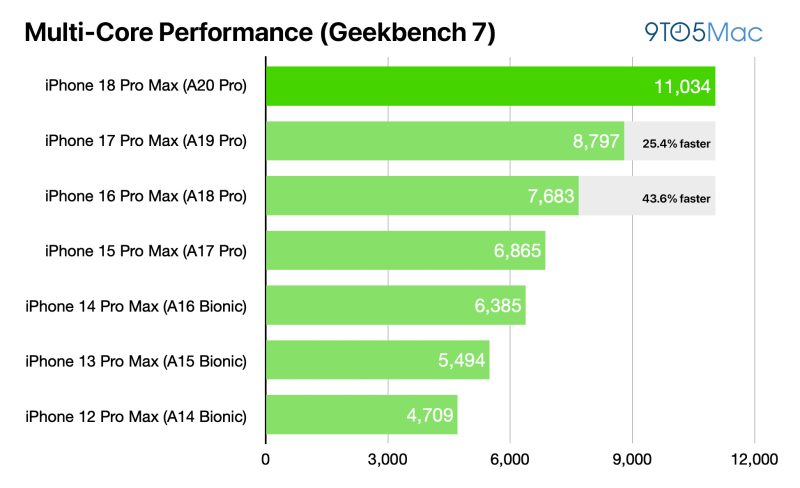
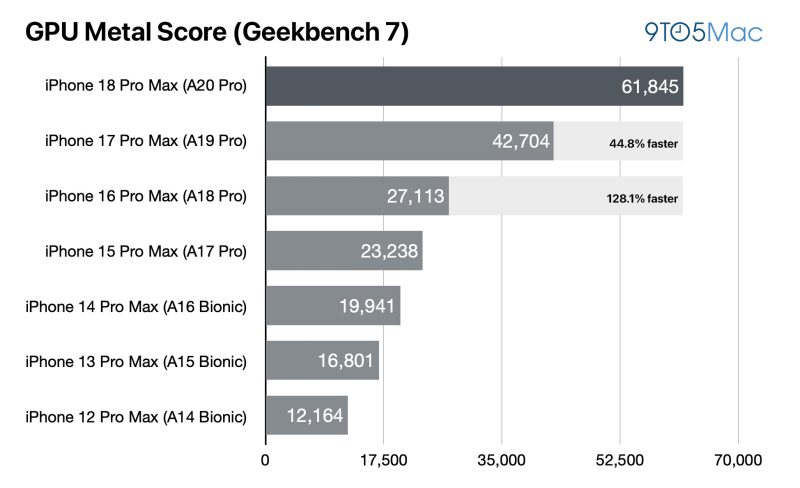
Benchmark projections and performance estimates for the rumored A20 Pro chip suggest a dramatic generational leap over the existing A17 Pro architecture. Industry analysts tracking preliminary silicon data indicate that the multi-core CPU performance could see an approximate 60 percent improvement, while graphical processing unit (GPU) capabilities may experience a surge of up to 166 percent.
These performance metrics are crucial for sustaining the computational demands of modern mobile operating systems and localized artificial intelligence frameworks. The proposed inclusion of 12GB of unified memory is directly tied to these processing requirements, as running complex generative AI models locally demands significant random-access memory bandwidth to maintain system fluidity and responsiveness. Without adequate memory and processing overhead, executing advanced on-device workloads would result in thermal throttling and diminished user experiences.
Price Adjustments and Market Implications
Pricing strategy remains one of the most critical talking points surrounding the upcoming device. Industry analysts, including Bloomberg’s Mark Gurman, have indicated that the integration of premium components such as an OLED display and the A20 Pro chip could drive the starting price up to $799, representing a substantial increase from the current $599 baseline established by previous generations.
This prospective price adjustment reflects broader macroeconomic trends affecting semiconductor manufacturing, component sourcing, and supply chain logistics. However, it also introduces a strategic challenge for Apple. A $799 starting price positions the compact tablet closer to entry-level MacBook and iPad Air tiers, potentially shifting the device’s target demographic from casual consumers to professional users, field technicians, and enthusiasts who specifically require a powerful, highly portable form factor.
Whether Apple will adjust base storage tiers to mitigate the psychological impact of a higher price tag remains a subject of speculation. Historical precedent suggests that significant price increases are often accompanied by doubled base storage capacities—such as moving from 128GB to 256GB—though supply chain constraints could influence final packaging decisions.

Broader Industry Impact and Expert Analysis
The introduction of a water-resistant, OLED-equipped compact tablet with advanced AI processing capabilities could redefine expectations for the small-form-factor tablet market. Competitors in the Android ecosystem have largely ceded the premium small tablet space, leaving Apple with a near-monopoly on high-performance devices under eight inches.
By reinforcing this category with desktop-class silicon and durability features, Apple appears to be targeting specialized enterprise markets, aviation, logistics, and field research, where traditional tablets are too cumbersome and standard smartphones lack adequate screen real estate. The ability to operate reliably in humid, wet, or demanding physical environments combined with localized AI processing could significantly expand the utility of the device beyond consumer entertainment.
As development continues and final production milestones approach, further details regarding exact release dates, regional pricing structures, and official hardware specifications are expected to emerge through regulatory filings and supply chain disclosures.