The passage of the AM Radio for Every Vehicle Act in the House of Representatives represents a pivotal moment in a legislative battle that has pitted public safety advocates against the rapidly evolving automotive industry. The bill, which passed with broad bipartisan support, mandates that all new light-duty motor vehicles sold in the United States must be equipped with a functional AM radio receiver. Crucially, the legislation specifies that these tuners must be included as standard equipment without any additional cost or surcharge to the consumer. As the automotive sector shifts toward an increasingly electrified future, this move signals a legislative desire to preserve the role of broadcast radio as a cornerstone of the national emergency communications infrastructure.
The Historical Significance of AM Radio
AM (Amplitude Modulation) radio has served as the backbone of the United States’ Emergency Alert System (EAS) for decades. Unlike digital streaming platforms or satellite radio, which rely on complex infrastructure such as cellular towers, fiber-optic backbones, and orbiting satellites, AM radio signals possess a unique physical property that allows them to travel long distances, particularly at night. Furthermore, AM broadcast towers are often more resilient to large-scale disasters, such as hurricanes, earthquakes, or grid failures, that can easily disable modern cellular and internet networks.
Federal officials, including representatives from the Federal Emergency Management Agency (FEMA), have repeatedly emphasized that AM radio remains a vital "last line of defense." In the event of a national crisis where local communication networks are compromised, the ability for government officials to disseminate critical, life-saving instructions to the public via radio is considered irreplaceable. Proponents of the bill argue that by removing AM tuners, automakers are inadvertently creating a dangerous vulnerability in the national safety net.
The Technical Dilemma: Electric Vehicles and Electromagnetic Interference
The friction between automakers and legislators stems primarily from the unique technical challenges posed by electric vehicle (EV) architecture. Modern EVs are powered by high-voltage batteries and rely on powerful AC electric motors to drive the wheels. To manage this power, vehicles utilize complex power electronics, including inverters and DC-to-DC converters. These components operate by rapidly switching high currents on and off, a process that inherently generates significant electromagnetic interference (EMI).
Because AM radio operates in the low-frequency range (535 to 1705 kHz), it is particularly susceptible to this type of noise. The switching frequencies of EV power systems can bleed into the AM band, resulting in a persistent, high-pitched whine or constant static that renders the broadcast audio unintelligible. Manufacturers like Tesla, Rivian, BMW, and Volkswagen have cited this "noise floor" issue as a primary justification for removing AM tuners from their latest EV models.
Engineering a solution to this problem is not impossible, but it is expensive. To provide a clear AM signal in an EV, engineers must implement sophisticated shielding on high-voltage cables, incorporate specialized signal-to-noise filtering circuits, and carefully isolate the antenna and receiver from the powertrain’s electronic footprint. Industry groups argue that requiring these modifications adds significant weight, cost, and complexity to vehicle production at a time when companies are aggressively trying to lower the price of EVs to increase market penetration.
Chronology of the Legislative Push
The debate surrounding AM radio in vehicles began to gain momentum in 2023, following reports that several major manufacturers were phasing out the hardware.
- Early 2023: Several prominent automakers announced the removal of AM tuners from their upcoming EV lineups, citing the high cost of mitigating electromagnetic interference.
- May 2023: A bipartisan group of lawmakers in the Senate and House introduced the AM Radio for Every Vehicle Act. The bill gained immediate traction, bolstered by support from both rural lawmakers—who rely on AM radio for agricultural and local news—and national security hawks.
- Mid-2023 to 2024: Industry lobbying groups, including the Alliance for Automotive Innovation, raised concerns regarding the federal government’s role in mandating specific hardware, suggesting that consumer demand should dictate the inclusion of radio features.
- Late 2024: The House of Representatives officially passed the bill, with 317 co-sponsors demonstrating overwhelming support across the aisle.
- Current Status: The bill awaits further deliberation in the Senate, where it faces scrutiny over the potential impact on automotive manufacturing costs and innovation.
Economic and Consumer Implications
The inclusion of the "no additional fee" clause is a point of significant contention. By prohibiting manufacturers from charging extra for an AM tuner, the legislation forces the costs of development and installation to be absorbed into the base price of the vehicle. Automakers argue this is an "unfunded mandate" that will ultimately increase the cost of entry-level electric vehicles, potentially slowing the transition to green energy.
Conversely, supporters of the bill point to the fact that AM radio is a free public resource. For many Americans, particularly those in rural or underserved areas, AM radio provides the only source of local news, weather updates, and emergency broadcasts. There is a strong sentiment in Congress that an essential public service should not be pay-walled or treated as an optional accessory in the modern vehicle.
The Broader Technological Landscape
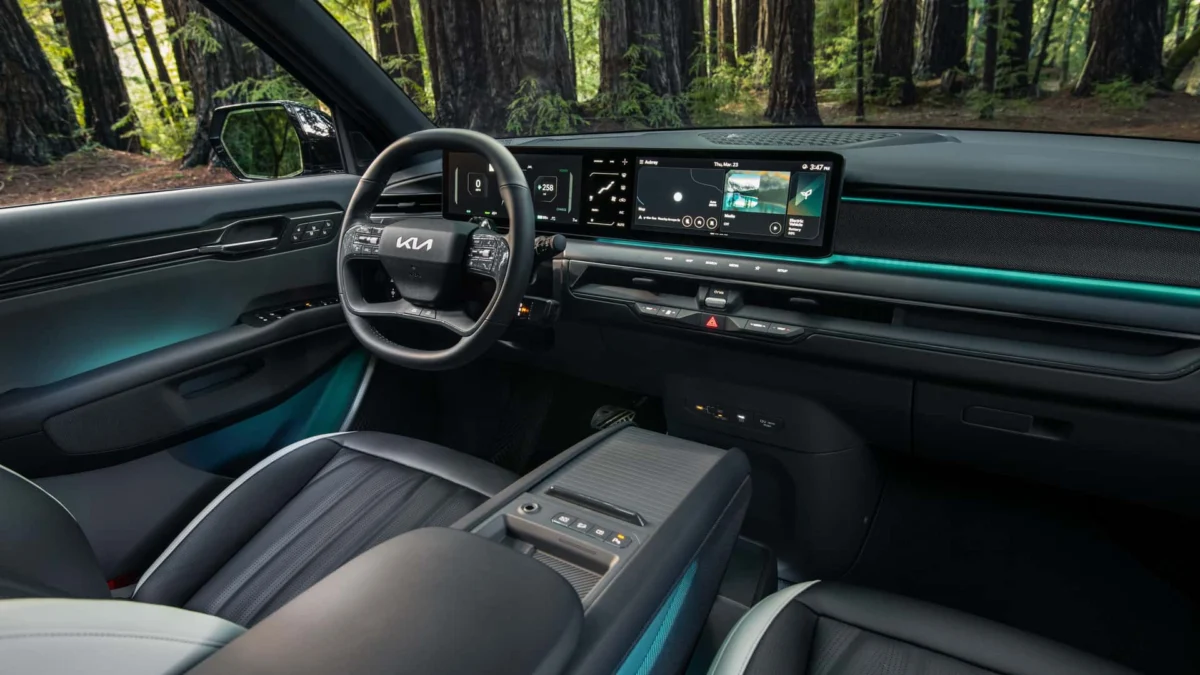
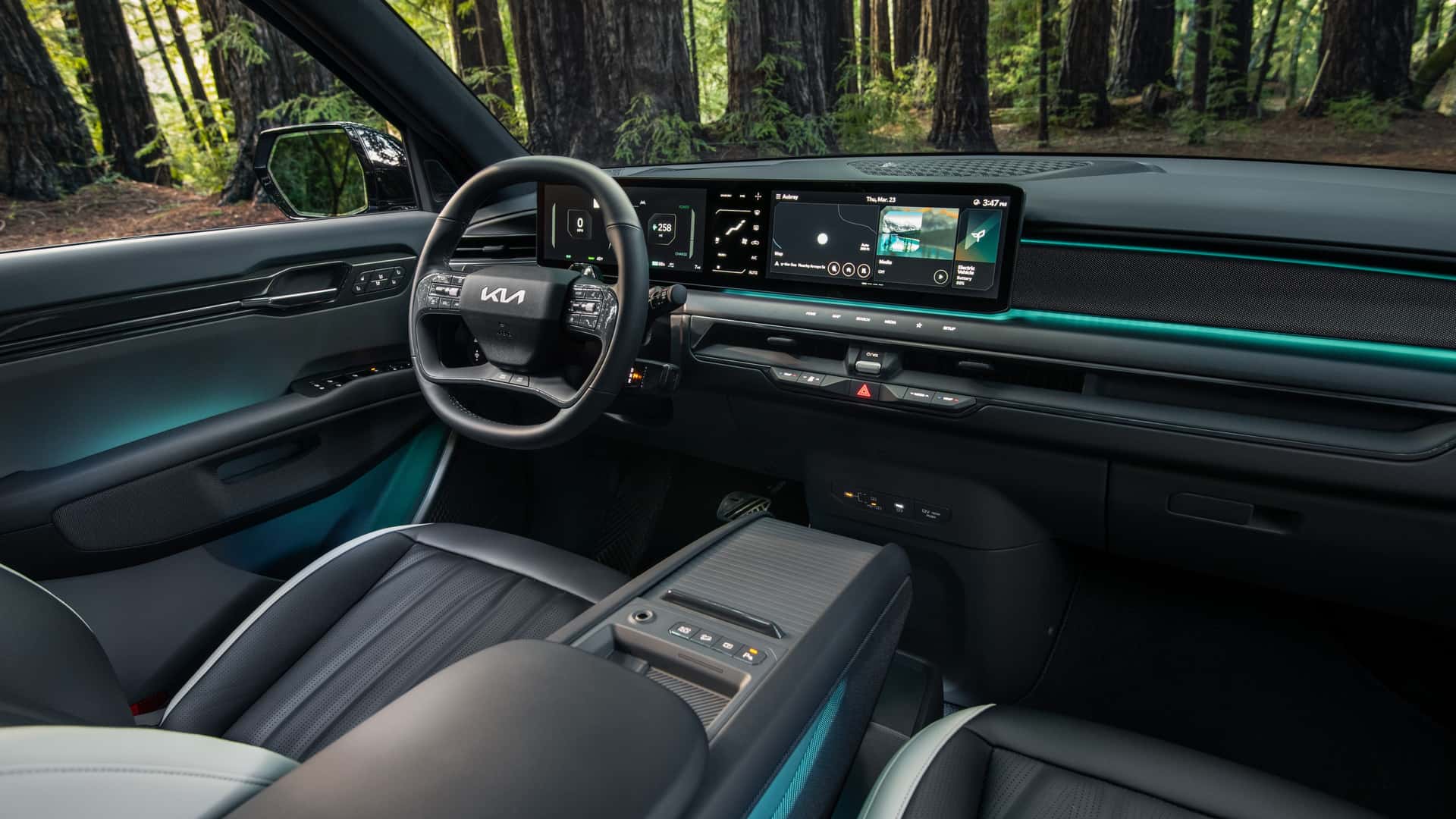
While the legislative push focuses on hardware, the broader automotive industry is trending toward software-defined vehicles. Many newer models, such as the Rivian R2, have opted to replace traditional tuners with streaming-first interfaces that rely on 5G and LTE connectivity. While these systems offer higher audio quality and a wider variety of content, they lack the robustness of analog radio.
The reliance on cellular connectivity creates a "single point of failure" scenario. If a cell tower goes down during a regional disaster, the driver is left without any means of receiving emergency updates. This is the core concern of the bill’s sponsors: as we replace hardware-based systems with software-based ones, we must ensure we are not trading resilience for convenience.
The Path Forward
For the bill to become law, it must clear the Senate and receive a signature from the President. If it passes, the automotive industry will face a significant re-engineering challenge. Manufacturers will likely need to adopt more rigorous EMI shielding standards, which may lead to shifts in internal component architecture.
Whether or not the average consumer actually tunes into AM radio is a secondary issue for lawmakers. The focus remains on the "what-if" scenario: the potential for a catastrophic event where the ability to hear a broadcast signal is the difference between life and death. As the automotive industry continues its rapid transformation toward full electrification, the AM Radio for Every Vehicle Act stands as a reminder that even in the age of high-speed digital data, the oldest technologies often remain the most essential to the public good.
Moving forward, the industry is expected to continue its dialogue with regulators. It is likely that any final implementation will involve a transition period, allowing manufacturers to integrate the required shielding technology into their future product development cycles. The outcome of this legislative effort will serve as a precedent for how federal mandates interact with rapidly advancing automotive technologies, setting the tone for future regulatory oversight of in-car features.