The automotive landscape is undergoing a significant transformation as major manufacturers shift their long-term electrification strategies to align with evolving consumer demand and economic realities. Honda Motor Co. is at the forefront of this recalibration, recently confirming that it is finalizing the development of a next-generation hybrid-electric vehicle (HEV) system slated for a global rollout beginning in 2027. This initiative, which focuses on increased thermal efficiency, reduced manufacturing costs, and enhanced performance, represents a strategic pivot for the Japanese automaker as it navigates the cooling enthusiasm for pure battery-electric vehicles (BEVs) and the surging popularity of fuel-efficient hybrids.
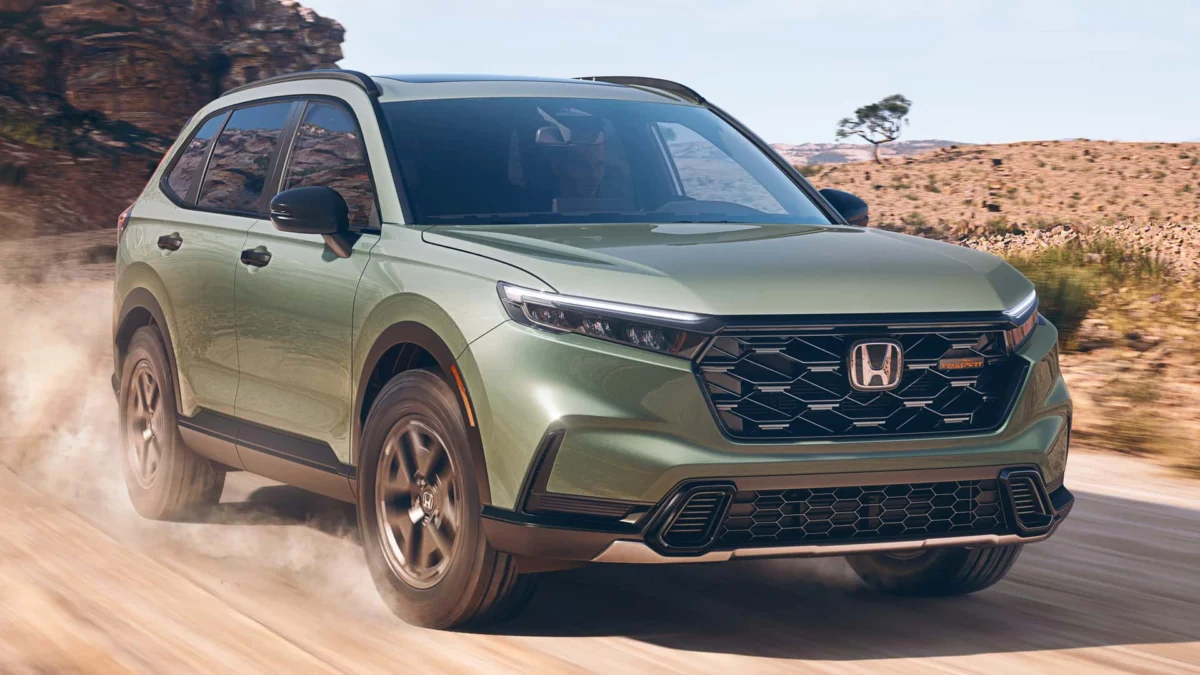
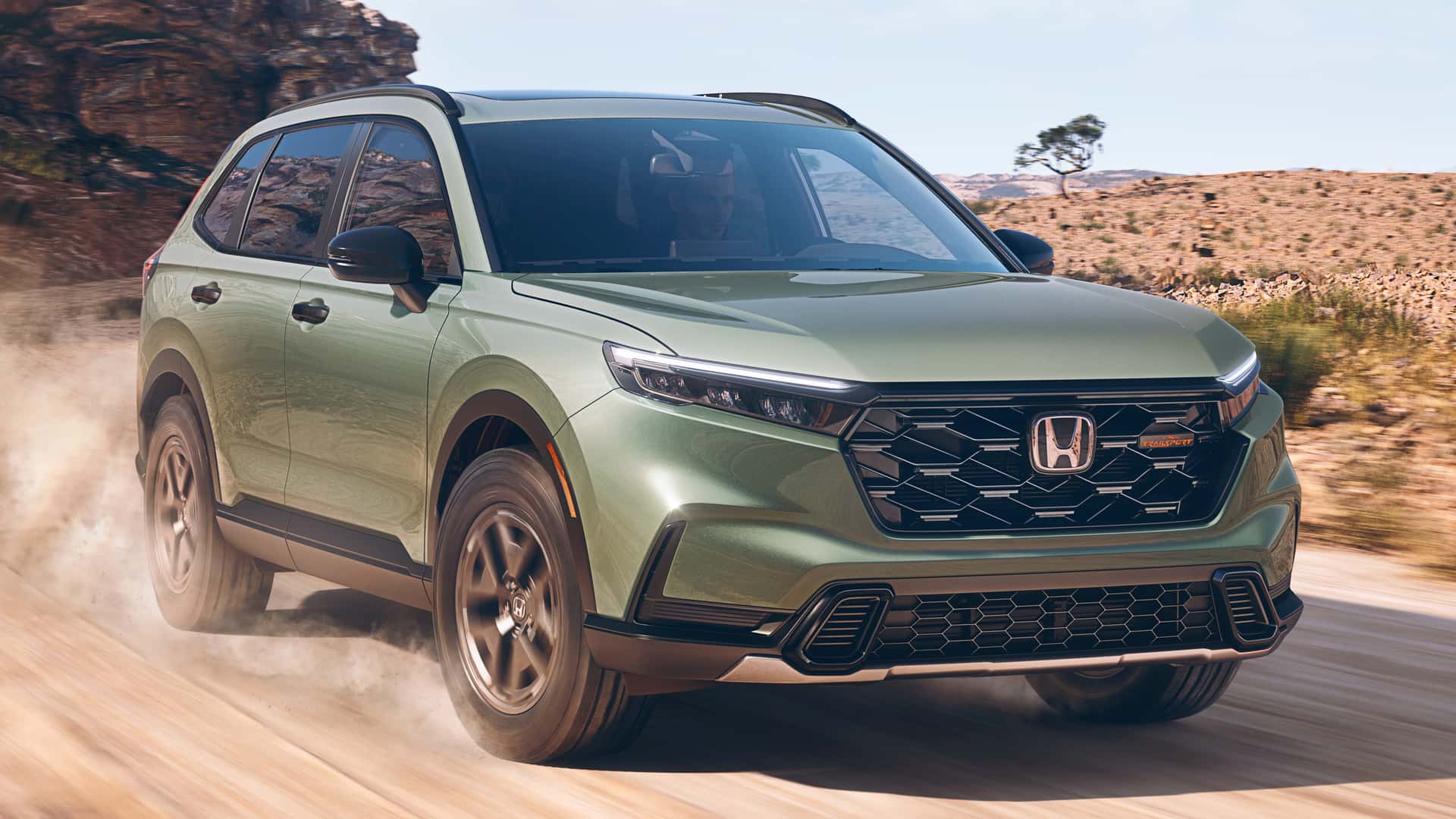
According to recent industry reports, Honda is preparing to expedite the production timeline for its upcoming hybrid offerings. Sources suggest that the next-generation Honda CR-V—the brand’s perennial best-seller and a cornerstone of its North American lineup—will serve as the inaugural platform for this new hybrid technology. While Honda has maintained a reserved stance regarding specific product announcements, the company’s internal business roadmaps indicate that the transition to these advanced powertrains will commence early in 2027, with Canadian manufacturing facilities expected to lead the assembly process, followed closely by U.S.-based operations just one month later.
A Shift in Strategic Direction
The decision to double down on hybrid technology marks a departure from the company’s previous, more aggressive pursuit of an all-electric fleet. Only a few years ago, Honda, like many of its peers, had outlined ambitious goals to phase out internal combustion engines entirely by 2040. However, shifting market dynamics—characterized by volatile charging infrastructure development, high entry prices for EVs, and a growing consumer preference for the convenience and range offered by gas-electric powertrains—have prompted a more pragmatic approach.
Honda’s recent financial disclosures have highlighted the difficulties inherent in the rapid transition to electric-only platforms, including substantial investments that have yet to yield the expected margins. Consequently, the company has canceled several planned EV projects that had not yet reached the production stage, choosing instead to focus capital expenditure on refining its hybrid architecture. This strategy allows the manufacturer to lower its fleet-wide emissions profile while maintaining the high volume of sales necessary to sustain profitability in the competitive mid-size SUV segment.
Engineering Advancements in the Next-Generation System
At the heart of Honda’s 2027 strategy is a proprietary hybrid powertrain designed to address the primary limitations of existing systems. Engineering documentation released by the company during its 2026 Business Update suggests that the new system will be significantly more compact and lightweight than the current iteration. These physical improvements are projected to yield a 10 percent improvement in fuel efficiency, a critical metric for consumers facing persistent inflation at the fuel pump.
Furthermore, the manufacturing side of the equation is receiving equal attention. Honda has announced that the new hybrid modules are engineered to be 30 percent cheaper to produce. By standardizing components and streamlining the assembly process, Honda aims to mitigate the cost burden of electrification, making hybrids more accessible to the average buyer. The company is simultaneously developing a new range of 1.5-liter and 2.0-liter four-cylinder engines, which will serve as the combustion component of these hybrid systems. For the North American market, where consumer demand leans toward larger vehicles and higher towing capacities, Honda is also reportedly readying a high-output variant paired with a newly developed V6 engine. This configuration is expected to power the brand’s larger utility vehicles, ensuring that the performance expectations of the American market are met without sacrificing fuel economy.
Industry Impact and the Luxury Segment
The implications of this rollout extend beyond the Honda badge. Market intelligence indicates that the next-generation hybrid technology will be utilized to revitalize the Acura brand’s crossover lineup. The current Acura RDX, which has faced stiff competition from European and domestic rivals, is expected to receive a successor built on the same architecture as the new CR-V hybrid.
Industry analysts posit that this move could signal a trend toward "hybrid-only" configurations for mainstream and entry-level luxury crossovers. By following the blueprint established by the Toyota RAV4—which has seen immense success by offering hybrid powertrains as the primary or even sole option for high-trim models—Honda and Acura hope to capture a larger share of the segment. The potential for a dedicated, high-performance hybrid variant of the RDX could provide Acura with the necessary leverage to regain market share in the premium compact SUV category, where fuel efficiency is increasingly cited as a top purchase consideration.
A Timeline of Development
The rollout of these technologies is not an overnight occurrence but rather a phased integration that will span several years. The following chronology outlines the expected progression:
- 2025-2026: Finalization of engine development and pilot production testing at Japanese and North American R&D centers.
- February 2027: Scheduled start of mass production for the next-generation CR-V hybrid at Honda’s Canadian facilities.
- March 2027: Commencement of production at Honda’s United States manufacturing plants.
- 2027–2030: A three-year period during which 15 global models will be transitioned to the new hybrid-electric platform, effectively modernizing the majority of Honda’s high-volume portfolio.
Official Stance and Market Response
In response to inquiries regarding the reports of accelerated production, Honda provided a clarifying statement: "This was not announced by Honda. While we cannot comment on specific future product plans, as outlined in our 2026 Business Update, Honda remains on track to introduce next-generation HEV models beginning in 2027, featuring an all-new hybrid system and platform."
This statement highlights the company’s commitment to its established roadmap while maintaining a degree of flexibility regarding specific vehicle launches. The reaction from the financial and automotive community has been largely positive, with analysts viewing the pivot as a sensible hedge against the uncertainty of the EV market. By investing in hybrid technology that bridges the gap between traditional combustion and full battery-electric mobility, Honda is positioning itself to be resilient against fluctuating energy prices and varying regional regulatory requirements.
The Broader Implications for the Auto Industry
Honda’s pivot serves as a microcosm of the broader automotive industry’s "mid-life crisis" regarding powertrain technology. The initial euphoria surrounding the "EV revolution" has given way to a more nuanced understanding of consumer needs. Charging infrastructure, while growing, remains insufficient in many rural and suburban areas, and the high cost of lithium-ion batteries continues to keep entry-level EVs out of reach for a significant portion of the population.
By prioritizing hybrid technology, Honda is demonstrating that sustainability does not have to come at the expense of affordability or utility. The 10 percent gain in fuel efficiency might seem modest in isolation, but when applied to the hundreds of thousands of CR-Vs sold annually, the cumulative reduction in carbon emissions is substantial. This approach allows Honda to meet increasingly stringent global emissions standards while simultaneously satisfying the demands of its customer base.
Ultimately, the 2027 launch represents a critical test for Honda’s engineering and manufacturing divisions. The successful integration of a more efficient, cost-effective, and powerful hybrid system will not only dictate the success of the next-generation CR-V but will also define the brand’s competitive standing for the remainder of the decade. As the automotive industry moves toward 2030, the companies that can successfully balance the transition to electrification while maintaining the reliability and value that consumers demand will likely emerge as the market leaders. Honda’s aggressive investment in its new hybrid platform is a clear signal that it intends to be among those leaders, betting that the road to the future is paved with more than just batteries.