The transition to an all-electric future for the Volkswagen Group has encountered yet another significant obstacle, as Audi officially confirms that the highly anticipated electric successor to the iconic A4 model will not enter production until at least March 2029. This latest schedule adjustment marks a substantial departure from previous internal projections and serves as a stark indicator of the deep-seated technical challenges facing the automotive giant’s next-generation vehicle architecture, the Scalable Systems Platform (SSP). The delay, which pushes the launch roughly nine months beyond the mid-2028 target established by Audi CEO Gernot Döllner in October 2025, underscores the mounting pressure on the German automaker to synchronize its engineering ambitions with manufacturing realities.
The Anatomy of the Delay
At the heart of the setback is the complexity of the SSP project, a platform intended to consolidate the company’s diverse EV offerings into a single, highly efficient architecture. According to reports from the German business publication Handelsblatt, the primary catalyst for the most recent timeline shift was a late-stage strategic decision by the Volkswagen Group to overhaul the platform’s onboard electrical architecture. The decision to pivot from a traditional 12-volt system to a more robust 48-volt standard—a move intended to better accommodate advanced autonomous driving features and high-speed software processing—has triggered a cascading series of engineering complications.
This architectural shift necessitated a comprehensive redesign of critical vehicle systems and required extensive re-validation with Tier 1 suppliers. Such a fundamental change in the middle of a development cycle acts as a "force multiplier" for complexity, adding months of unforeseen labor, testing, and capital expenditure that were not originally accounted for in the project’s initial budget. While Audi’s leadership has attempted to frame the move as routine "development friction," industry analysts suggest that the repercussions of this decision are significant enough to ripple across the entire Volkswagen Group, affecting not only Audi but also sister brands reliant on the SSP framework.
A Chronology of Evolving Targets
The path to the A4 E-Tron has been characterized by shifting goalposts. When the Volkswagen Group first unveiled the vision for the SSP in July 2021, it was presented as the definitive successor to the MEB (Modular Electric Drive Matrix) platform, which currently supports volume-sellers like the Q4 E-Tron, and the more premium 800-volt PPE (Premium Platform Electric) architecture utilized in the A6 E-Tron and Q6 E-Tron. At the time of its announcement, the group suggested that the SSP would be operational by 2026.
However, as the calendar progressed, the feasibility of that initial target began to wane. By the time the combustion-powered A4 concluded its production run in 2024—effectively making way for the transition to the A5 nomenclature—the industry expectation for the electric replacement had already shifted toward the late 2020s. Despite assurances from Audi’s Chief Technical Officer, Rouven Mohr, as recently as the past year that there was "no need to correct" production timelines, the reality of the engineering bottleneck forced the hand of the board. Insiders now indicate that even the current March 2029 target remains precarious, with some projections suggesting a further slip into April or May of that same year.
The Strategic Contraction of the SSP
The difficulties surrounding the SSP have led the Volkswagen Group to adopt a more conservative strategy regarding the platform’s rollout. Originally envisioned as the foundation for a broad portfolio of eight distinct vehicle variants, the scope has been aggressively consolidated down to four core models. This strategic retreat is viewed by some analysts as a necessary defensive measure to preserve liquidity and focus engineering talent on the most critical segments.
The implications of this consolidation are far-reaching. Other key models once slated for the SSP, such as the upcoming electric iterations of the Volkswagen Golf and the T-Roc, are now facing similar, if not more severe, delays. Reports suggest that these mass-market models may not reach consumers until 2030, further complicating the company’s efforts to compete with Tesla and an influx of cost-competitive Chinese electric vehicles in the European and North American markets. Furthermore, the partnership with the American electric vehicle startup Rivian—a deal intended to bolster the group’s software capabilities—is now described as yielding results only "from the end of the decade," leaving a substantial gap in the company’s near-term product roadmap.
Market Impact and Consumer Outlook
For consumers, the delay of the A4 E-Tron signals that the "bridge" between the present and the future of Audi’s lineup is longer than anticipated. Buyers interested in a mid-size electric Audi will effectively be required to rely on the current generation of MEB- and PPE-based vehicles for several years longer than the company originally planned. While these existing platforms are capable and competitive, the absence of the flagship SSP-based A4 leaves a void in the brand’s product portfolio, particularly in the critical entry-level luxury sedan segment.
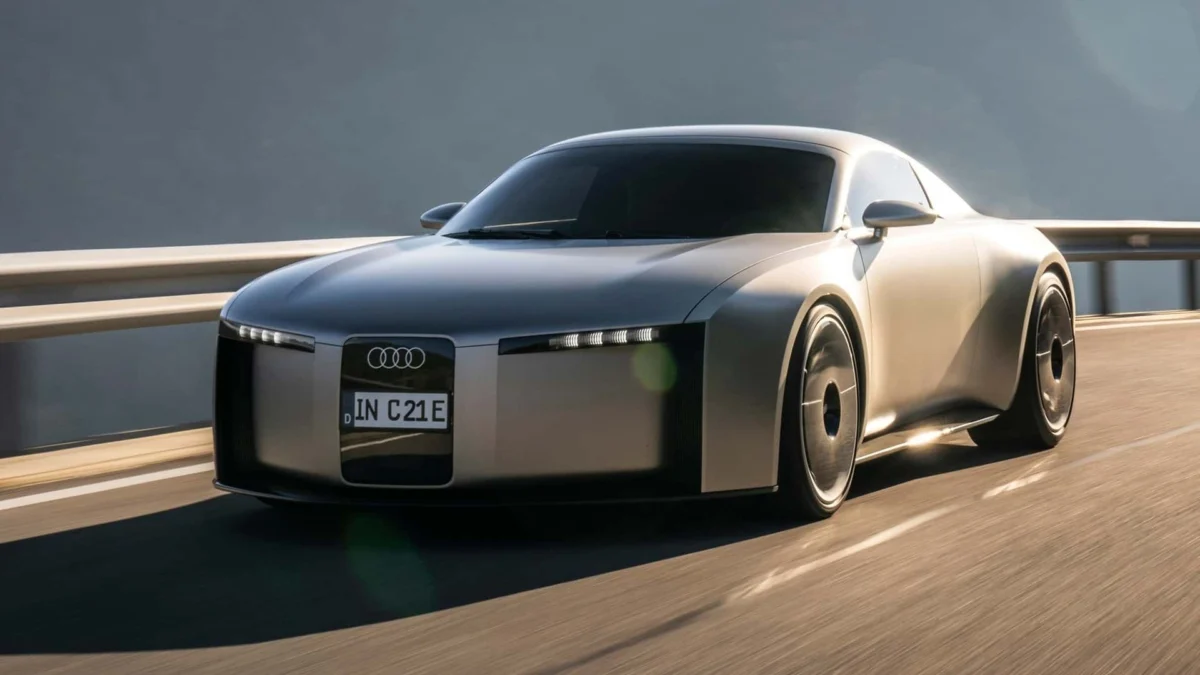
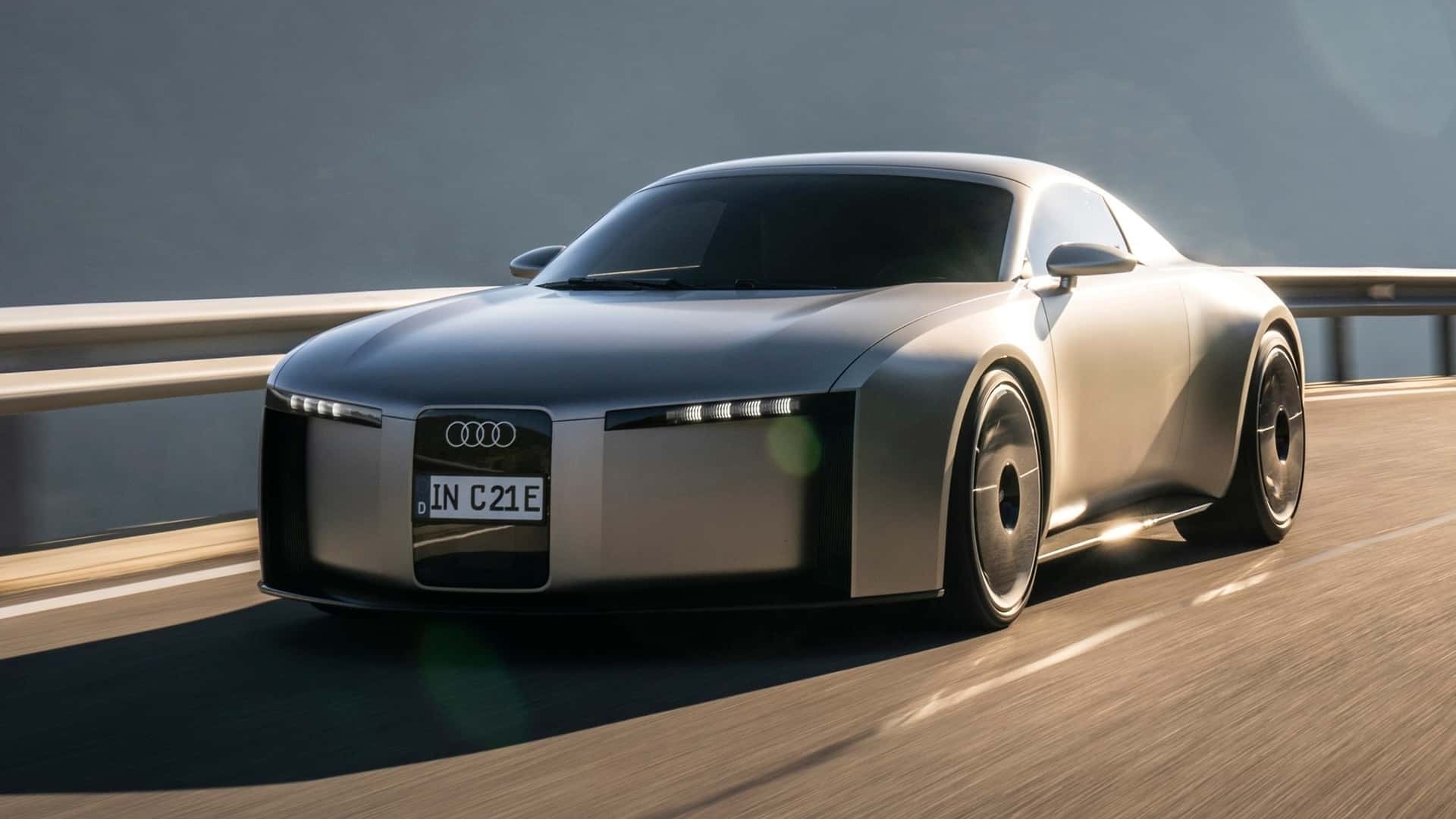
Audi’s current strategy appears to be one of endurance, focusing on the refinement of the A6 E-Tron and Q6 E-Tron to maintain market share while the engineering teams work to resolve the SSP’s maturation issues. The brand remains committed to the design language teased by the Concept C, which promises to blend the traditional aesthetic of the Audi Avant and sedan formats with the aerodynamic efficiency required for long-range electric travel. However, the success of this design vision is now tethered to the successful delivery of the underlying technology, which has proven to be a much more arduous undertaking than originally forecasted.
Institutional Challenges and Future Outlook
The struggles of the SSP are reflective of broader institutional challenges within the Volkswagen Group, particularly regarding the integration of complex software and hardware systems. The company has historically relied on a decentralized approach to engineering, but the shift to software-defined vehicles requires a level of synchronization that has proved difficult to master. The 48-volt electrical system implementation is a microcosm of this struggle; what seems like a standard engineering upgrade on paper represents a total rethink of power distribution and data bus architecture in practice.
As the Volkswagen Group moves toward 2029, the industry will be watching closely to see if the company can stabilize the development of the SSP. The stakes are immense, as the SSP is not merely a vehicle platform but the backbone of the group’s long-term competitive strategy. Failure to execute on the current, revised timeline could result in a further erosion of market share in the premium segment, where competitors are moving at a faster pace to introduce next-generation battery and connectivity features.
For now, Audi finds itself in a state of extended transition. The brand remains a powerhouse in the automotive sector, but the path forward is clearly defined by the limitations of its current development cycles. With the A4 E-Tron delayed, the focus for the next four years will shift to maximizing the potential of existing architectures and managing the expectations of a customer base that has been conditioned to expect innovation at a rapid pace. Whether the eventual arrival of the SSP-based A4 in 2029 will be seen as a triumphant return or a late entry into an increasingly crowded market remains to be determined by the quality of the final product and the competitive landscape of the decade to come.