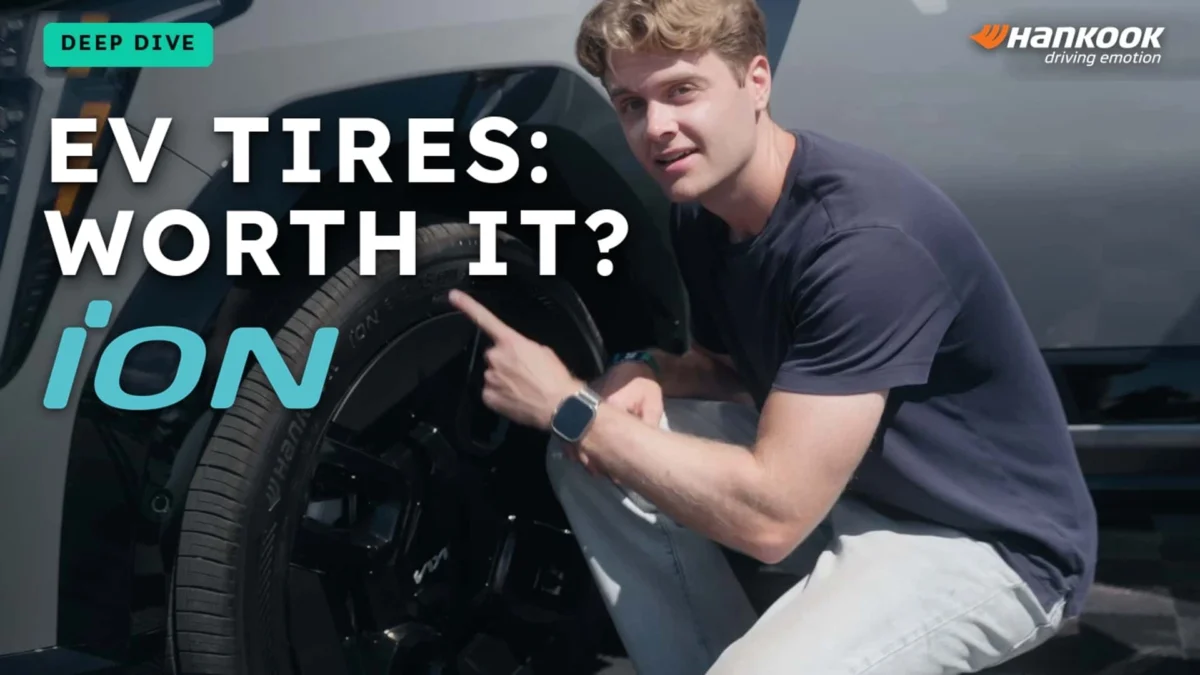
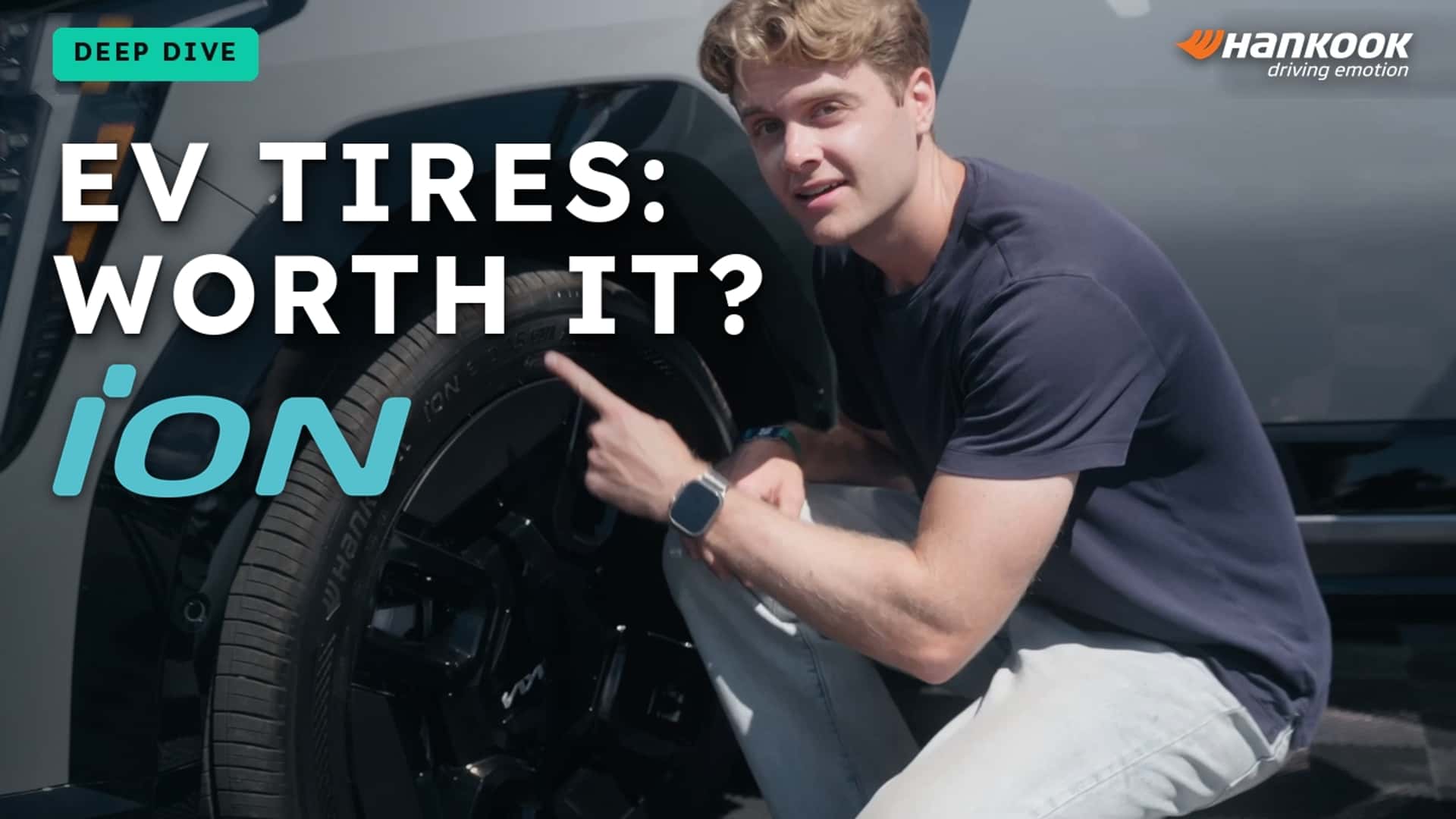
Electric vehicles represent a fundamental shift in automotive engineering, yet the transition involves more than simply swapping internal combustion engines for battery packs and electric motors. As the electric vehicle (EV) market matures, a critical component of vehicle performance has moved to the forefront of automotive innovation: the tire. Unlike conventional tires designed for gas-powered vehicles, modern EV-specific tires, such as the Hankook iON line, are engineered to address the unique physical demands imposed by high-torque, heavy-battery electric powertrains.
The Physical Realities of Electric Propulsion
To understand the necessity of specialized tires, one must first examine the inherent differences in how an EV interacts with the road. The primary challenges are twofold: weight and torque. Because batteries are significantly denser than fuel tanks and their associated plumbing, electric vehicles are consistently heavier than their internal combustion engine (ICE) counterparts. A typical luxury electric SUV can easily exceed 6,000 pounds, a mass that places extraordinary pressure on the rubber contact patch during cornering, braking, and acceleration.
Furthermore, electric motors provide instantaneous torque. In an ICE vehicle, power delivery follows a curve as the engine reaches its optimal RPM range. In contrast, an EV delivers maximum torque the moment the pedal is depressed. This violent, immediate force can lead to rapid "scrubbing" or uneven wear on tires not specifically reinforced to handle such aggressive stress. If a driver installs standard tires on a high-performance EV, they will likely experience premature tread degradation, reduced vehicle efficiency, and compromised safety margins.
Insights from the Demo Days Festival
These engineering hurdles were the central theme at the recent Demo Days Festival, the largest outdoor test-drive event in North America. Hankook Tire, a leader in the segment, utilized the event to demonstrate its iON tire technology to an audience of enthusiasts and potential buyers. The festival served as a high-visibility platform to demystify the "EV-tire" category, bridging the gap between technical specifications and real-world performance.
During the event, attendees were given the opportunity to experience these tires firsthand. One of the most rigorous tests involved the Lucid Gravity, a luxury electric SUV known for its staggering output of 909 lb-ft of torque. By pairing this vehicle with Hankook’s iON evo AS all-season tires, engineers were able to showcase how a tire specifically designed for EVs maintains traction and stability under extreme conditions. The demonstration highlighted that, for the average driver, the tire is the unsung hero of the electric driving experience, directly influencing how the car handles the raw power of the battery.
Engineering for Efficiency and Silence
Beyond structural durability, EV-specific tires are tasked with solving two secondary, yet equally important, problems: road noise and range anxiety.
In a traditional vehicle, the mechanical noise of an engine and the vibration of a combustion process act as a natural acoustic mask for road noise. Because EVs operate near-silently, the sound of tires rolling against the asphalt becomes significantly more apparent to passengers. Hankook’s iON line utilizes specific interior foam inserts and "sipes"—tiny slits in the tread pattern—to disrupt sound waves and dampen vibrations. This creates a quieter, more refined cabin environment that aligns with the premium expectations of EV buyers.
Perhaps more critically, tires play a vital role in energy conservation. Rolling resistance is a measure of the energy required to keep a tire moving at a constant speed. By refining the rubber compound and optimizing the tread pattern, manufacturers like Hankook have managed to lower this resistance significantly. Data suggests that these specialized tires can boost an EV’s range by approximately 6% on a full charge. While 6% may seem incremental, in the context of long-distance highway travel, it translates to additional miles that can mean the difference between reaching a charging station or being stranded.
The Evolution of the Tire Industry
The development of the iON series is part of a broader timeline of evolution within the automotive supply chain. As recently as five years ago, the "EV tire" was a niche concept. Today, as major manufacturers like Lucid, Tesla, Rivian, and legacy automakers transition to full electrification, the aftermarket and original equipment (OE) sectors are responding in kind.
The industry has moved through three distinct phases:
- The Adaptation Phase: Manufacturers initially recommended high-load-index tires designed for heavy SUVs or light trucks to compensate for battery weight.
- The Efficiency Phase: Focus shifted to low-rolling-resistance tires to help automakers hit aggressive EPA range targets.
- The Specialized Phase: We are currently in this era, where tires are custom-designed for the specific torque curves and acoustic profiles of electric platforms.
Market Implications and Consumer Choices
For the modern EV owner, the implication is clear: the choice of tire is now a functional extension of the vehicle’s software and battery management system. Industry experts suggest that the "gas-and-go" mentality regarding tire maintenance is no longer viable for EV owners. Because these vehicles are faster and heavier, regular tire rotations and pressure checks are more critical than ever to ensure the longevity of both the tire and the vehicle’s suspension components.
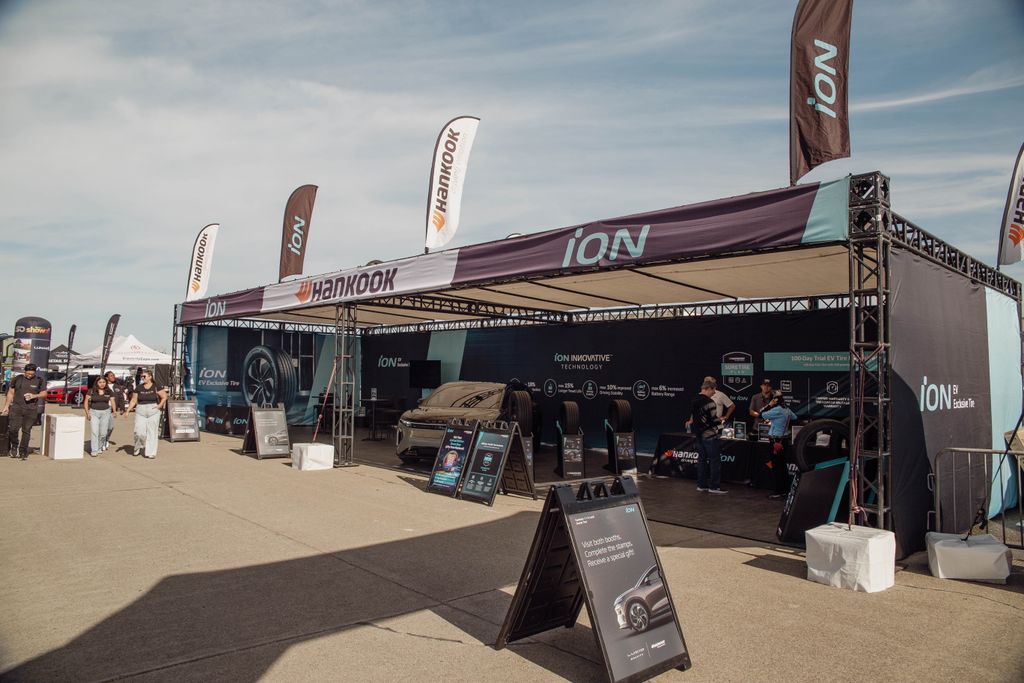
Hankook’s approach to consumer adoption—offering a "SureTire Plan" that allows for a 100-day trial period—reflects a recognition that consumers are still learning about this technology. By allowing owners to return tires if they are not satisfied, the company is attempting to lower the barrier to entry for a product that is objectively more expensive to manufacture than a standard tire.
Looking Toward the Future
As EVs continue to gain market share, we can expect to see further specialization. We are likely to see the emergence of "ultra-high-performance" EV tires that prioritize grip over range, as well as "winter-optimized" EV tires that account for the unique weight distribution of battery-heavy platforms.
The integration of smart-tire technology—sensors within the tire that communicate directly with the vehicle’s onboard computer to adjust performance settings—is the next logical step. These tires will eventually provide real-time data on tread depth, road surface temperature, and pressure, allowing the EV’s regenerative braking and traction control systems to adapt dynamically to the environment.
The Hankook iON showcase at the Demo Days Festival was more than just a marketing event; it was a snapshot of an industry in transition. As the internal combustion engine gradually recedes, the components that support the electric vehicle are becoming more sophisticated, more efficient, and more essential to the overall driving experience. For those navigating the switch to electric, the realization that tires are a core component of the drivetrain is the final step in fully embracing the EV lifestyle. Whether for maximizing range or ensuring that 900+ lb-ft of torque translates into controlled acceleration rather than tire smoke, the tire remains the primary interface between the innovation of the electric motor and the reality of the open road.