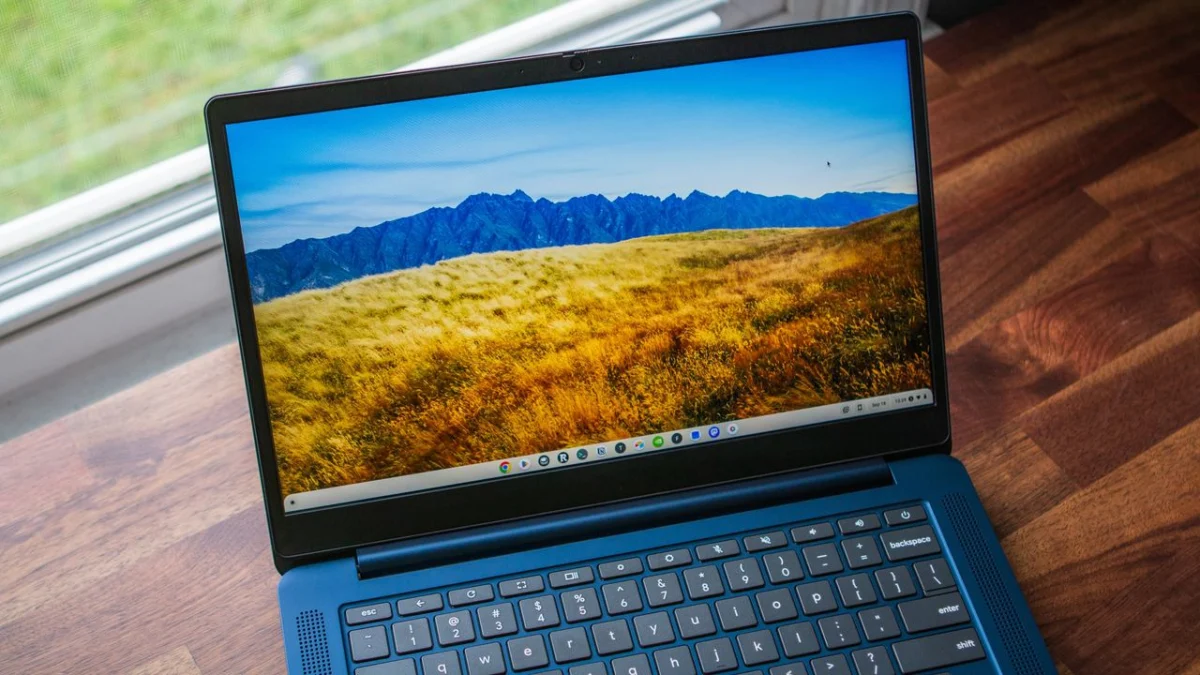
Best Buy is currently offering an exceptional deal on the Lenovo IdeaPad Slim 3 Chromebook, marking a significant event in the consumer electronics market. Shoppers can acquire this top-rated budget laptop for a staggering $210 off its original price, representing a discount of over 50%. This compelling offer is part of Best Buy’s ongoing "Ultimate Upgrade Sale," a sitewide promotional event designed to provide substantial savings across a broad spectrum of popular tech products, ranging from cutting-edge smartphones to innovative wearables. The sale, however, is time-sensitive, with all advertised deals, including this noteworthy Chromebook discount, set to conclude on Sunday, April 19th. Consumers interested in leveraging this opportunity are thus advised to act promptly to secure the Lenovo IdeaPad Slim 3 at its deeply reduced price of just $189.
The Lenovo IdeaPad Slim 3: A Closer Look at an Affordable Powerhouse
Despite its release in 2023, which might suggest a slightly older model in the fast-paced world of consumer electronics, the Lenovo IdeaPad Slim 3 Chromebook continues to hold its own as a highly capable and appealing device, particularly at its current discounted price point. The laptop is engineered to strike a balance between performance, portability, and affordability, making it an attractive option for a diverse user base.
Core Specifications and Performance
At the heart of the IdeaPad Slim 3 lies the MediaTek Kompanio 520 processor. This ARM-based chipset is specifically designed for Chromebooks, emphasizing power efficiency and sufficient performance for everyday tasks. Unlike the x86 architecture found in Intel or AMD processors, MediaTek’s Kompanio series leverages an ARM architecture, which often translates to longer battery life and a fanless, quieter operation—key attributes for a portable device. While it may not compete with high-end Intel Core i5 or i7 processors in raw computational power, the Kompanio 520 is more than adequate for web browsing, document editing, video streaming, and running Android applications, which constitute the primary use cases for most Chromebook users. Its integrated graphics handle casual multimedia consumption and light productivity without issue.
The laptop features a vibrant 14-inch Full HD (1920×1080) touchscreen display. The inclusion of a Full HD resolution is a significant advantage in the budget segment, as many competing models still offer lower-resolution HD (1366×768) screens. The sharper resolution provides a more comfortable viewing experience for text and images, enhancing productivity and entertainment. Furthermore, the touchscreen functionality, often a premium feature, adds a layer of versatility, allowing for intuitive navigation and interaction with Chrome OS and Android apps, making it particularly useful for students or users who prefer a more tactile interface.
Memory configuration on the IdeaPad Slim 3 includes 4GB of RAM. While 4GB might be considered minimal for a Windows laptop in 2024, it is largely sufficient for Chrome OS. Google’s operating system is renowned for its lightweight nature and efficient resource management, relying heavily on cloud services. For typical Chromebook activities such as browsing with multiple tabs, using web-based productivity suites like Google Docs or Microsoft 365 online, and engaging in video conferencing, 4GB of RAM performs commendably. Users seeking to run many heavy applications simultaneously or engage in demanding tasks might notice limitations, but for its intended audience, it strikes a practical balance.
Storage is provided by a 64GB eMMC (embedded MultiMediaCard) drive. eMMC storage is a cost-effective solution often found in budget-friendly devices, offering faster performance than traditional hard disk drives (HDDs) but generally slower than modern Solid State Drives (SSDs). For a Chromebook, 64GB of local storage, combined with Chrome OS’s inherent reliance on cloud storage solutions like Google Drive, is typically ample. Users are encouraged to save larger files and frequently accessed documents in the cloud to maximize local storage efficiency and benefit from seamless synchronization across devices.
Exceptional Battery Life and Design
One of the standout features of the Lenovo IdeaPad Slim 3 is its impressive battery life, rated at up to 13.5 hours on a single charge. This extended endurance is crucial for students, mobile professionals, or anyone who needs a device that can last a full workday or academic session without needing to be tethered to a power outlet. The combination of the power-efficient MediaTek Kompanio 520 processor and Chrome OS’s optimized power management contributes significantly to this long-lasting performance, providing users with true all-day portability.
The laptop boasts a lightweight build, making it highly portable and easy to carry for daily commutes, travel, or moving between classrooms. Its "Abyss Blue" finish adds a touch of modern aesthetics, distinguishing it from the often utilitarian designs of other budget laptops. The slim profile and low weight underscore its suitability as a secondary device or a primary machine for users prioritizing mobility.
Strategic Compromises for Affordability
To achieve its aggressive price point, especially at its full retail value, Lenovo made strategic decisions regarding certain features. The IdeaPad Slim 3, for instance, does not include a fingerprint reader for biometric authentication or a backlit keyboard. While a backlit keyboard is a convenience for low-light environments, and a fingerprint reader adds a layer of security and convenience, their omission is standard practice in the sub-$300 laptop category. For most budget-conscious consumers, these are acceptable trade-offs for the overall value proposition.
Another point of consideration is the absence of a convertible design. Given its ultra-lightweight build and touchscreen capabilities, some might anticipate a 2-in-1 form factor that allows the screen to fold back into a tablet mode. However, maintaining a traditional clamshell design helps keep manufacturing costs down, further contributing to its accessibility. For users primarily seeking a laptop experience with the added benefit of touch interaction, this is not a significant drawback.
Best Buy’s Ultimate Upgrade Sale: Market Context and Strategy
The discount on the Lenovo IdeaPad Slim 3 is anchored within Best Buy’s broader "Ultimate Upgrade Sale," a significant promotional event designed to stimulate consumer spending across various product categories. Retail giants like Best Buy frequently employ sitewide sales as a strategic tool to achieve several objectives.
Driving Sales and Market Share
Such events are crucial for driving sales volume, especially during periods that might traditionally see slower consumer traffic. By offering substantial discounts on popular items, Best Buy aims to attract a wide customer base, encouraging both existing patrons and new shoppers to consider upgrades or new purchases. In the highly competitive consumer electronics market, aggressive pricing strategies are vital for maintaining and expanding market share against online retailers and other brick-and-mortar stores.
Inventory Management and Seasonal Trends
Promotional sales also serve as an effective inventory management tool. As new models and technologies are introduced throughout the year, retailers need to clear existing stock to make room for newer products. Timing sales events, such as the "Ultimate Upgrade Sale" concluding in mid-April, often aligns with the transition periods between product cycles or before major seasonal events like back-to-school or holiday shopping, allowing retailers to optimize their inventory levels.
Responding to Economic Climate
In the current economic climate, characterized by fluctuating consumer confidence and inflationary pressures, value-driven promotions become even more critical. Consumers are increasingly discerning with their spending, making deals that offer over 50% savings particularly impactful. Best Buy’s strategy likely aims to tap into this demand for affordability, making technology more accessible to a broader segment of the population who might otherwise defer purchases.
The Broader Impact and Implications
The aggressive pricing of the Lenovo IdeaPad Slim 3 Chromebook has several implications for consumers, the market, and the participating brands.
Consumer Empowerment and Accessibility
For consumers, this deal represents a significant opportunity to acquire a capable and reliable laptop at an exceptionally low price point. At $189, the IdeaPad Slim 3 becomes an incredibly accessible device for students needing a portable machine for online learning and assignments, for individuals seeking a secondary device for casual browsing and media consumption, or for households on a tight budget needing a functional computer. This affordability lowers the barrier to entry for digital literacy and access to essential online services. The deal underscores a growing trend where technological advancements, combined with competitive market forces, make sophisticated devices increasingly affordable.
The Rise of Chromebooks
The prominence of this Chromebook deal also highlights the continued growth and relevance of the Chromebook segment. Initially gaining traction in the education sector due to their simplicity, robust security, and ease of management, Chromebooks have steadily expanded their appeal to general consumers. Chrome OS offers a streamlined, cloud-centric experience that is less susceptible to viruses and malware compared to traditional operating systems. Its fast boot times, automatic updates, and deep integration with Google’s ecosystem make it a hassle-free computing solution for many. This deal further solidifies the Chromebook’s position as a viable, often superior, alternative to entry-level Windows laptops, particularly when budget and simplicity are primary considerations.
Market Dynamics and Competition
For Best Buy, such a deal helps reinforce its image as a destination for value and a key player in the consumer electronics retail space. By featuring such a compelling offer, the retailer can drive foot traffic (both physical and digital) and generate buzz, potentially leading to additional purchases of accessories or other upgraded tech.
For Lenovo, a leading global PC manufacturer, participating in such a sale allows it to maintain strong sales volumes in the highly competitive budget segment. It also helps in clearing inventory of a slightly older model, making way for future product iterations. By making a well-regarded model like the IdeaPad Slim 3 so accessible, Lenovo can also introduce new users to its brand and the Chromebook ecosystem, potentially fostering long-term customer loyalty.
The impact on the broader budget laptop market is also noteworthy. When a well-specced Chromebook is available for under $200, it sets a high bar for competitors. This kind of aggressive pricing can intensify competition, potentially leading other manufacturers and retailers to offer similar discounts or introduce new, more feature-rich budget models to stay competitive. This ultimately benefits the consumer through greater choice and better value.
Future Outlook for Budget Devices
The success of sales like this indicates a strong and sustained demand for affordable, functional technology. While high-end devices continue to push the boundaries of innovation, the market for budget-friendly laptops and Chromebooks remains robust, driven by practical needs and economic realities. Manufacturers and retailers are likely to continue focusing on optimizing costs without compromising essential features, ensuring that technology remains accessible to as many people as possible. The Lenovo IdeaPad Slim 3 Chromebook deal at Best Buy is a prime example of this market trend, offering premium features like a Full HD touchscreen and excellent battery life at a price point that makes it an "absolute steal" for anyone needing a reliable, lightweight device for basic tasks. The deal serves as a clear indicator of the dynamic interplay between consumer demand for value and retailer strategies to meet those needs effectively.