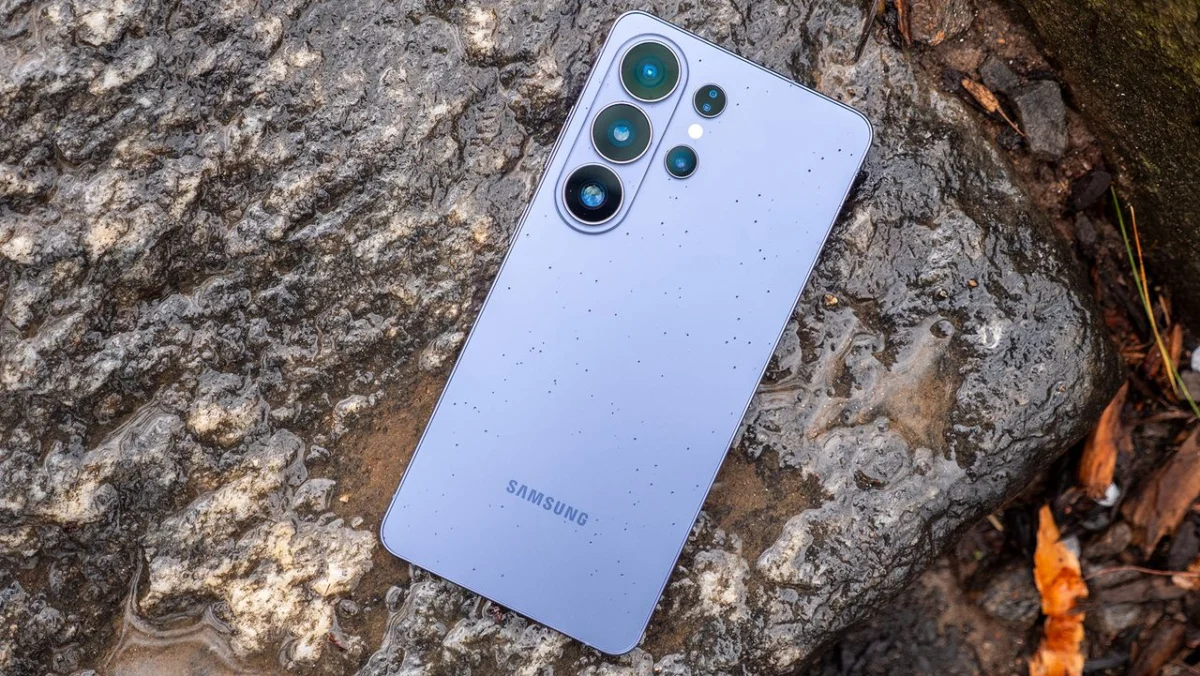
The ongoing rivalry in the mobile technology sector reached a new apex this week following Apple’s official unveiling of the iPhone 18 Pro. Industry analysts and consumers alike have immediately begun drawing comparisons between Apple’s newest flagship and Samsung’s premier offering, the Galaxy S26 Ultra. While tech enthusiasts debate processing architectures, display technologies, and camera capabilities on various forums and review sites, the practical realities of retail pricing often dictate consumer behavior more than benchmark scores. For prospective buyers weighing their options in the current smartphone ecosystem, a significant promotional campaign launched by T-Mobile alters the financial calculus entirely, offering a substantial discount on the Galaxy S26 Ultra that undercuts the necessity of waiting for Apple’s upcoming release cycle.
Main Facts of the Current Flagship Landscape
Apple’s introduction of the iPhone 18 Pro has set a high benchmark for the upcoming year in mobile hardware. Equipped with the proprietary A20 Pro chip, the iPhone 18 Pro is projected to compete directly with the Snapdragon 8 Elite Gen 5 processor found within the Samsung Galaxy S26 Ultra. Initial specifications highlighted by Apple indicate improvements in battery longevity and enhanced video capture capabilities featuring comprehensive Dolby Vision support.
Conversely, Samsung maintains several distinct hardware advantages with the Galaxy S26 Ultra. The device is notably lighter than its Apple counterpart, a physical attribute frequently praised by users who handle large-form-factor devices for extended periods. Furthermore, the S26 Ultra retains productivity-focused utilities such as the embedded S Pen stylus, alongside advanced security measures including Privacy ID architecture.
Despite these technical distinctions, the economic factor remains paramount for the average consumer. Preorder availability for the iPhone 18 Pro is scheduled to commence on September 12, leaving potential buyers facing standard retail pricing without immediate promotional relief. In contrast, T-Mobile has introduced a compelling incentive structure for the Samsung Galaxy S26 Ultra, allowing qualified customers to secure a discount of up to $1,100. This promotion substantially lowers the financial barrier associated with top-tier mobile technology.
Chronology of the Fall Smartphone Launch Window
The late-summer and early-autumn period represents the most critical sales window for the telecommunications and consumer electronics industries. The chronology of recent developments highlights the strategic nature of these product rollouts:
- Early September: Apple officially announces the iPhone series, establishing public awareness and setting the stage for preorders.
- Mid-September (Upcoming): Apple opens official preorder channels for the iPhone 18 Pro, typically accompanied by standard carrier trade-in promotions rather than direct price reductions.
- Ongoing (Current Period): Major telecommunications providers like T-Mobile position aggressive acquisition campaigns around rival Android flagships, such as the Samsung Galaxy S26 Ultra, to capture market share before the full deployment of Apple’s inventory.
This timing is not coincidental. Carriers frequently utilize high-value promotional credits to attract new subscribers or encourage existing users to upgrade their service tiers during periods of peak consumer interest in mobile technology.
Supporting Data and Financial Breakdown of the T-Mobile Promotion
The mechanics of the T-Mobile promotion for the Samsung Galaxy S26 Ultra are structured around long-term service commitments rather than immediate cash-outlay discounts. Under the terms of the offer, customers who add a new line of service utilizing either the "Experience More" or "Experience Beyond" unlimited plans are eligible for up to $1,100 in bill credits.
This reduction is applied incrementally over a 36-month installment agreement. Consequently, the net cost of the Samsung Galaxy S26 Ultra is reduced to approximately $5.56 per month for the duration of the contract. Crucially, this specific promotion operates without a mandatory trade-in requirement, a departure from traditional carrier subsidies that typically demand the surrender of an older device in working condition.
To contextualize the service plans associated with this offer:
- Experience More Plan: Priced starting at $90 per month for a single line, this tier includes unlimited talk, text, and premium data operating on the carrier’s nationwide 5G infrastructure. It also incorporates a designated high-speed mobile hotspot allowance and international roaming benefits.
- Experience Beyond Plan: Priced starting at $100 per month for a single line, this premium tier encompasses all features of the Experience More plan while adding complimentary subscriptions to major streaming services, specifically Hulu and Netflix. Additionally, it extends promotional eligibility terms typically reserved exclusively for new customer accounts.
Carrier pricing models scale downward significantly when multi-line accounts and automated payment setups (AutoPay) are utilized. For example, subscribing to four lines under the Experience More plan reduces the effective cost to $42.50 per month per line, translating to a total monthly service charge of $170 for the account holder.
Industry Implications and Consumer Analysis
The simultaneous presence of high-end device releases and aggressive carrier promotions illustrates a broader economic trend within the telecommunications sector. Flagship smartphones—exemplified by both the iPhone 18 Pro and the Samsung Galaxy S26 Ultra—have breached price thresholds that make outright, unsubsidized purchases prohibitive for a significant portion of the consumer base.
As hardware lifecycles lengthen and incremental upgrades become the norm, carriers increasingly rely on service-bundled financing to maintain upgrade momentum. The T-Mobile promotion for the Samsung flagship represents a strategic effort to divert consumer attention away from the Apple ecosystem by offering immediate financial predictability.
From an analytical perspective, buyers who are platform-agnostic or already integrated into the Android ecosystem face a clear economic divergence. While waiting for the iPhone 18 Pro necessitates paying premium retail rates with standard carrier trade-in constraints, securing the Galaxy S26 Ultra through the current T-Mobile framework provides immediate access to high-tier hardware at a fraction of the monthly operating cost. Ultimately, as the debate between iOS and Android performance metrics continues among specialists, the decisive factor for the general consumer base will likely remain rooted in accessible, long-term value propositions rather than marginal processing gains.