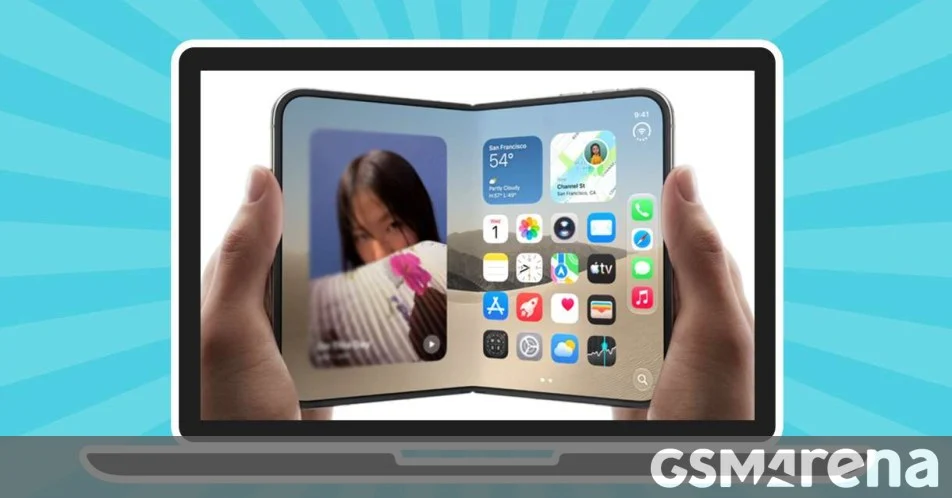
The global technology landscape underwent a significant transformation during the thirty-seventh week of the year as Apple Inc. held a high-profile product showcase on September 9. This event marked a pivotal moment for the Cupertino-based giant, serving as the inaugural keynote under the leadership of CEO John Ternus. The primary focus of the presentation was the unveiling of the iPhone 18 Pro series and the company’s first-ever foldable device, the iPhone Duo. These announcements have set a new benchmark for mobile hardware, signaling an aggressive shift in Apple’s design philosophy and engineering priorities.
A New Era Under CEO John Ternus
The September 9 event served as more than a routine product update; it was a clear demonstration of the strategic direction intended by CEO John Ternus. Since assuming the role, Ternus has emphasized a transition toward more radical hardware iterations, departing from the incremental annual upgrades that characterized the previous decade. By choosing to integrate high-end features like variable aperture optics and a long-awaited return to biometric authentication, Apple is clearly positioning its hardware to reclaim market share from an increasingly sophisticated Android ecosystem.
The event, held at the Steve Jobs Theater, was orchestrated to emphasize the convergence of professional-grade photography and folding display technology. While the industry had long speculated on when Apple would enter the foldable market, the announcement of the iPhone Duo provided a definitive answer, setting the stage for a new competitive era in the premium smartphone sector.
The iPhone 18 Pro Series: Refinement and Power
The iPhone 18 Pro and 18 Pro Max represent the pinnacle of Apple’s traditional smartphone design, incorporating hardware enhancements that target professional creators and power users. Both models feature the new A20 Pro SoC, built on an advanced process node that provides significant gains in both computational power and energy efficiency compared to its predecessor.
One of the most notable hardware additions is the variable aperture main lens. This technology allows the camera to physically adjust the aperture, providing users with greater control over depth of field and light intake. This move aligns the iPhone 18 Pro with professional camera standards, a necessary evolution given the rising competition from premium Android flagship devices. Furthermore, the reduction in the size of the Dynamic Island indicates a refinement in display integration, allowing for a more immersive viewing experience while maintaining the functionality of Apple’s signature notification interface.
The financial commitment for these devices remains high. The iPhone 18 Pro starts at $1,200/€1,450, while the iPhone 18 Pro Max begins at $1,300/€1,600. Shipments for these models are scheduled to commence on September 18, with strong initial demand already reported across major retail channels.
The iPhone Duo: Apple’s Foldable Breakthrough
The centerpiece of the event was undoubtedly the iPhone Duo. As Apple’s first foldable, it has been engineered to address the common pain points associated with existing foldable hardware, such as display creasing and structural fragility. The device features a wide-format aesthetic that measures roughly the size of a passport when closed, making it highly portable despite its large inner screen.
Key technical specifications of the iPhone Duo include an anti-reflective coating on the inner display and an under-display camera system, which allows for an uninterrupted viewing experience. Perhaps most notably, the device marks the return of Touch ID, integrated beneath the display. This decision acknowledges user feedback regarding the limitations of Face ID in certain scenarios and highlights Apple’s willingness to reintroduce established, reliable technologies alongside modern innovations.
Priced at $2,000/€2,300, the iPhone Duo occupies the ultra-premium segment of the market. Its October release date suggests that Apple is prioritizing quality control and manufacturing scalability, ensuring that the supply chain can meet the high expectations surrounding its debut in the foldable category.
Battery Specifications and EU Regulatory Transparency
Much of the technical data regarding the new hardware has been clarified through the lens of European Union regulations. Recent EU Energy Labeling requirements have mandated that manufacturers disclose specific battery capacities, providing consumers with a transparent view of hardware efficiency. According to these filings, the iPhone 18 Pro is equipped with a 4,056mAh battery, while the iPhone 18 Pro Max features a substantial 5,391mAh cell.
These figures reflect a deliberate effort by Apple to address historical concerns regarding battery longevity, particularly as the A20 Pro chip drives more demanding display and processing tasks. By integrating larger batteries, Apple is ensuring that the iPhone 18 series remains competitive in terms of daily endurance, a critical factor for enterprise and professional users.
Competitive Dynamics: Comparing the Duo and Galaxy Z Fold8
The entry of the iPhone Duo into the foldable market invites immediate comparison to the Samsung Galaxy Z Fold8, the incumbent leader in the segment. Market analysts have noted that the iPhone Duo’s focus on a "seamless" display experience—achieved through advanced hinge mechanics and under-display camera technology—represents a direct challenge to Samsung’s design language.
While internal testing of the devices is currently underway, the consensus among industry observers is that the competition will hinge on ecosystem integration. Apple’s software prowess, combined with the new hardware capabilities of the Duo, will be compared against the mature multi-tasking software developed by Samsung over several generations. A comprehensive performance audit between these two flagship devices is expected once both units are available for side-by-side evaluation.
Industry Developments: Honor and Vivo
While Apple’s announcements commanded the majority of the media cycle during week 37, the broader mobile industry continued to advance. Honor officially revealed the design language for its upcoming Magic9 series, which is scheduled for a debut in China on September 28. The Magic9 series is expected to focus on AI-integrated photography and slim-chassis ergonomics, continuing the brand’s trajectory as a significant player in the high-end Android market.
Simultaneously, Vivo unveiled details regarding the X500 Pro Max. The device continues the brand’s tradition of emphasizing camera hardware, featuring a large, circular rear camera island that houses advanced sensor arrays. The inclusion of a dedicated teleconverter zoom lens underscores Vivo’s strategy of catering to photography enthusiasts, particularly in the Asian and European markets where high-zoom capabilities are increasingly prioritized by consumers.
Broader Implications and Market Impact
The events of week 37 signify a mature phase in the smartphone industry. With hardware designs stabilizing, manufacturers are moving toward specialized categories—such as foldables and professional-grade imaging systems—to drive growth. Apple’s decision to move into the foldable space is a validation of the form factor, which will likely accelerate adoption rates among consumers who have previously been hesitant to switch to non-Apple ecosystems.
From an economic perspective, the high price points of the new iPhone lineup suggest that Apple is confident in its brand loyalty and the perceived value of its technological advancements. As global markets react to these releases, the focus will shift toward supply chain resilience and the ability of competitors to match the integrated software-hardware experience that Apple continues to refine.
The timeline for the remainder of the year is now clearly defined: the Pro series will lead the Q4 sales push starting in mid-September, while the iPhone Duo will serve as the flagship product for the holiday season beginning in October. As these devices enter the hands of consumers, the data gathered from real-world usage will provide the ultimate test for the decisions made under the new leadership of John Ternus. The technological landscape of the coming year is likely to be defined by the success of these products and the response from competitors aiming to disrupt Apple’s renewed dominance in the premium hardware sector.