The open-source home automation platform Home Assistant has officially rolled out its latest major update, version 2026.9, introducing a broad spectrum of architectural upgrades, enhanced user interface dashboards, and expanded protocol support. Headlined by a modernization of the Modbus protocol, advanced speech-to-text processing capabilities for Home Assistant Cloud subscribers, and new accessibility features for data visualizations, this September 2026 release aims to bridge the gap between complex hardware configurations and user-friendly smart home management.
Modernizing Industrial and Residential Modbus Connectivity
Historically, integrating Modbus-enabled hardware—such as solar photovoltaic inverters, residential heat pumps, and high-precision energy meters—required users to manually author complex register maps within YAML configuration files. This technical barrier effectively excluded a significant portion of the consumer base from smoothly incorporating energy-monitoring hardware into their automated ecosystems.
Version 2026.9 fundamentally addresses this limitation by introducing native, UI-driven Modbus support. Instead of forcing individual integrations to compete for exclusive access to a device’s communication bus, multiple native integrations can now share a single standardized connection via an underlying, fully typed library known as tmodbus.
Among the first hardware manufacturers to benefit from this architectural shift is Fronius, whose inverters now feature optional Modbus TCP (SunSpec) support. This integration surfaces granular, per-string telemetry data—including real-time current, voltage, instantaneous power output, and cumulative lifetime energy metrics for each Maximum Power Point (MPP) tracker—details previously inaccessible through the manufacturer’s local HTTP application programming interface. Similar standardized integrations have been introduced for Sofar Solar inverters and Flexit ventilation units, signaling a broader industry trend toward unified local control standards.
Upgraded Speech-to-Text Processing for Private Voice Assistants
As part of ongoing enhancements for Home Assistant Cloud subscribers utilizing the Nabu Casa ecosystem, version 2026.9 deploys an experimental speech-to-text engine developed in partnership with Soniox. Designed specifically to resolve common acoustic hurdles in private voice architectures, the new engine focuses on mitigating failures caused by non-standard regional accents, ambient background noise, and non-English primary languages.
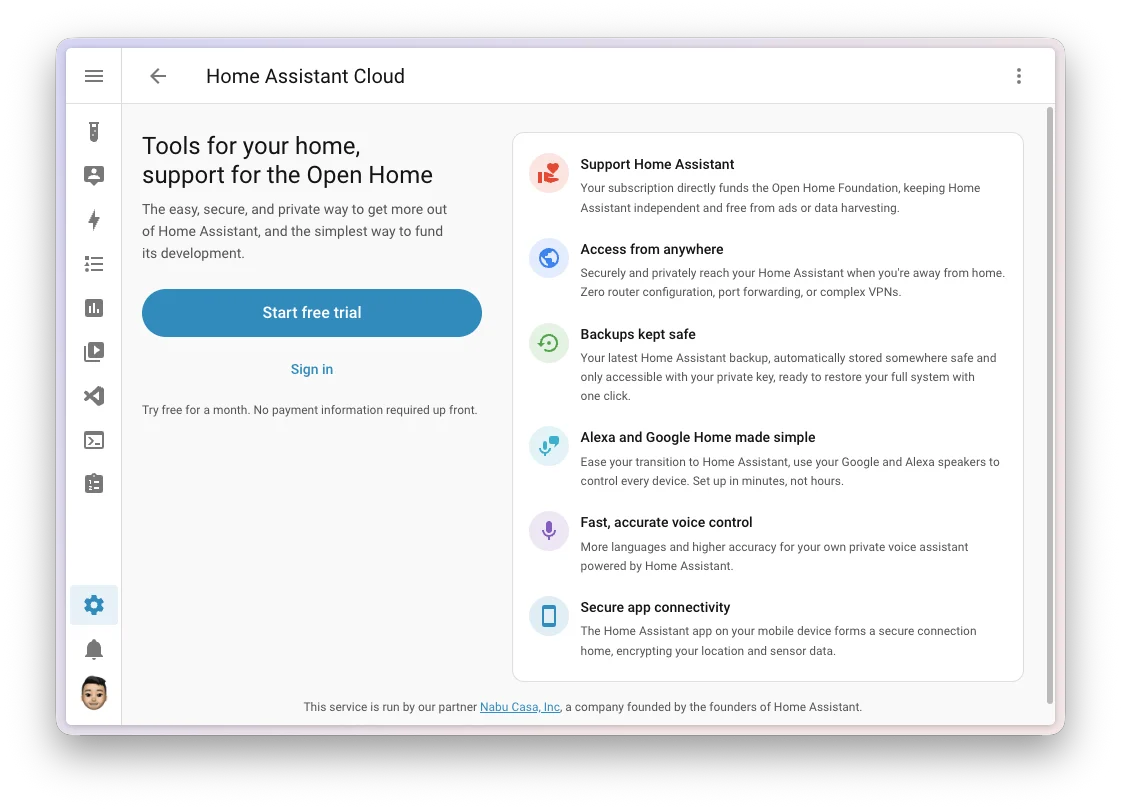
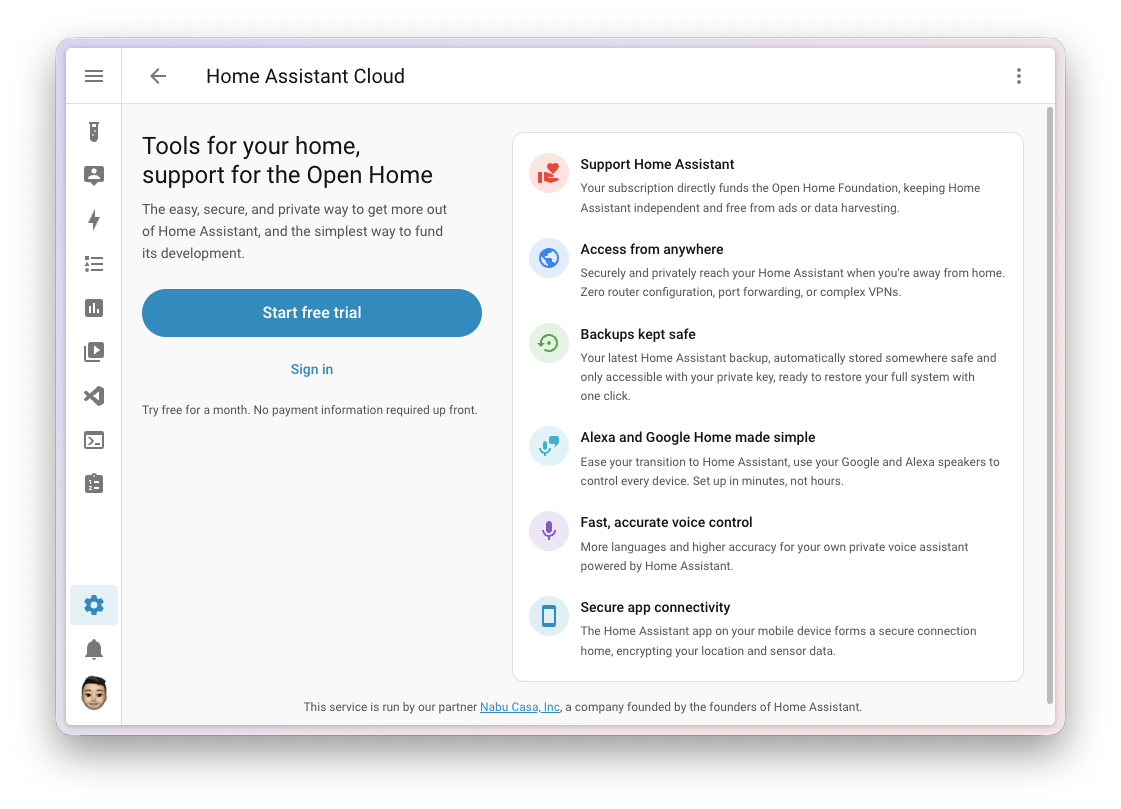
While utilizing the upgraded engine through the platform’s experimental "Labs" interface, users retain the platform’s strict privacy guarantees: audio data is neither logged, permanently stored, nor utilized for machine learning model training. Furthermore, the sign-up workflow for Home Assistant Cloud has been streamlined. New subscribers can initiate a 31-day trial without immediate payment details, and email verification now provides immediate, automated authentication for remote access, encrypted off-site cloud backups, and local voice infrastructure.
Dashboards, Security, and Granular Activity Tracking
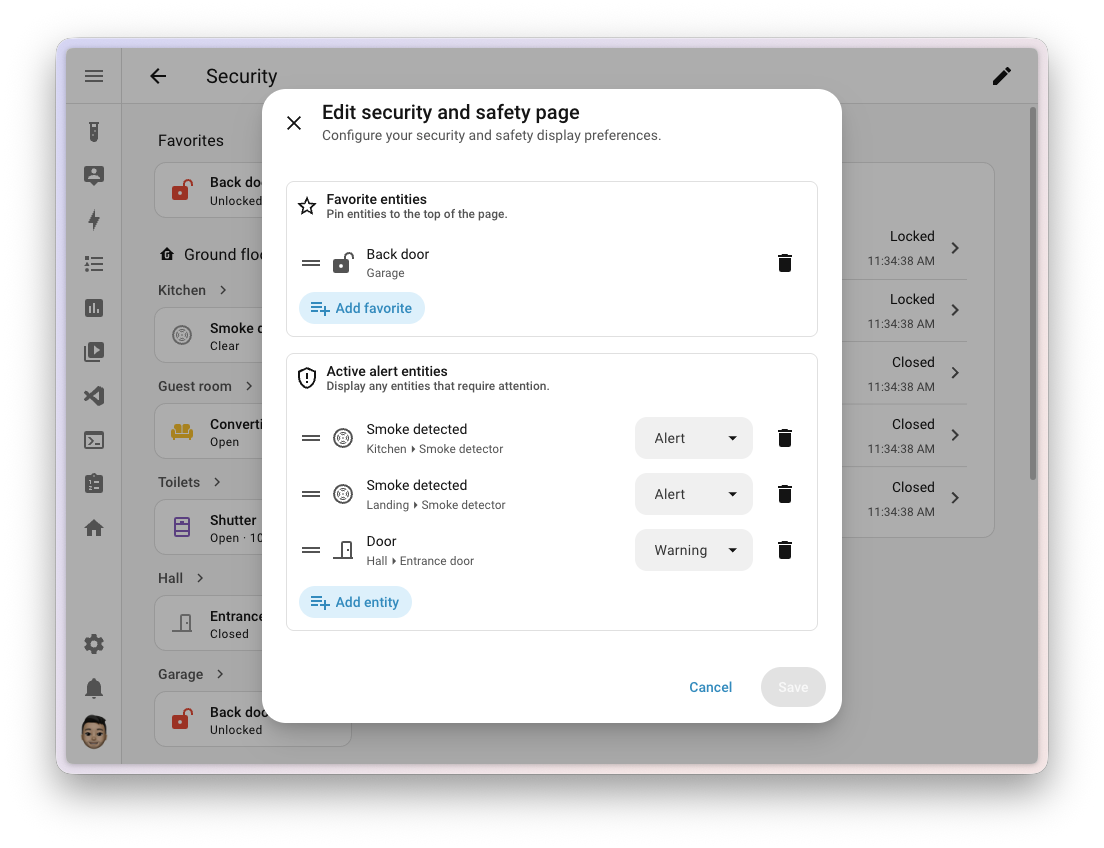
The September release implements notable refinements across core administrative dashboards. The built-in Security dashboard now supports a dynamic "Active alerts" section alongside a user-configurable "Favorites" panel. The active alerts module utilizes severity-based color coding and subtle visual animations to draw attention exclusively to critical anomalies, such as an unsecured exterior entry point or a triggered smoke detector, remaining hidden during normal operating conditions.
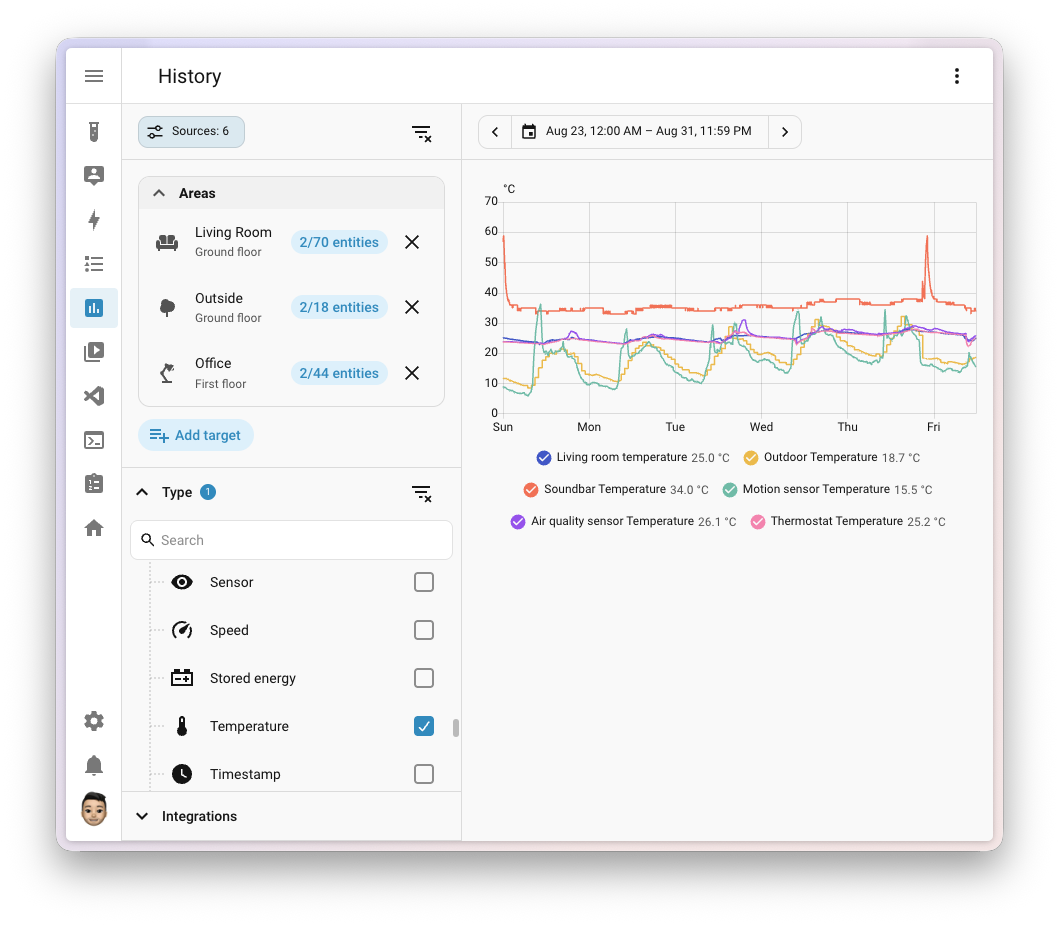
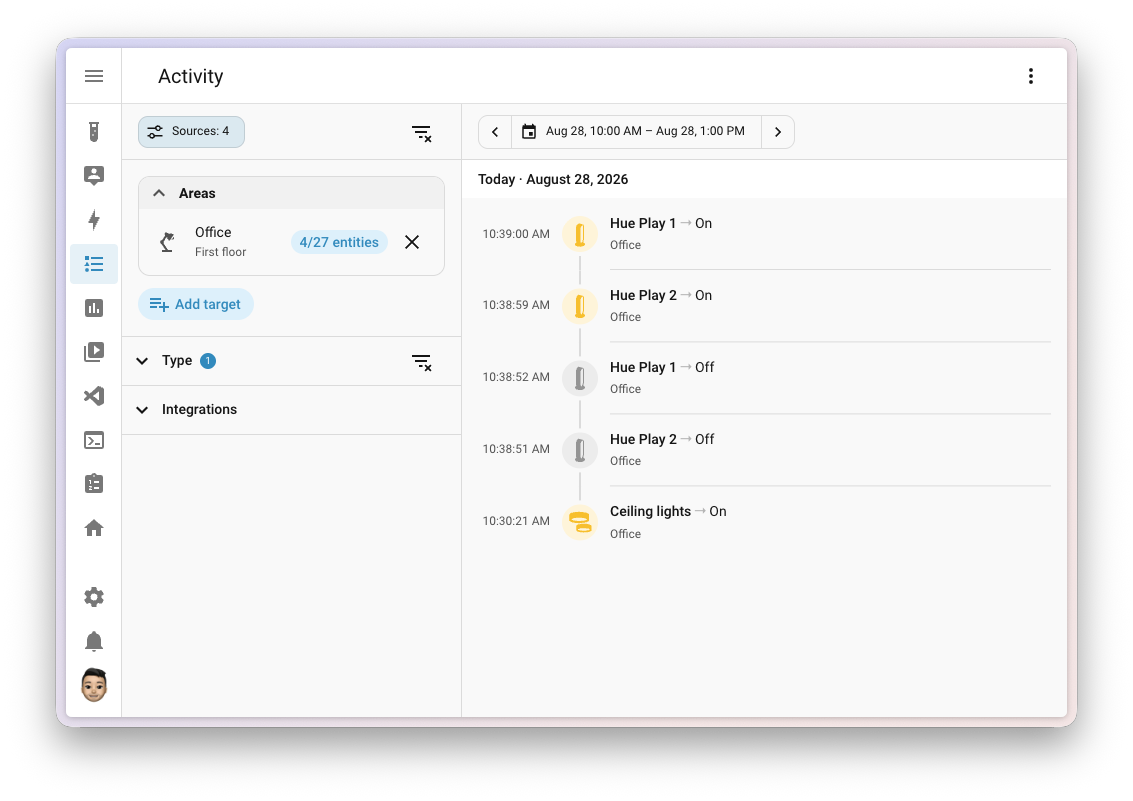
Simultaneously, the History and Activity logging pages have been consolidated around a shared left-hand "Sources" panel. This interface merges spatial filtering—spanning floors, functional areas, physical devices, and individual entities—with protocol and domain filters.
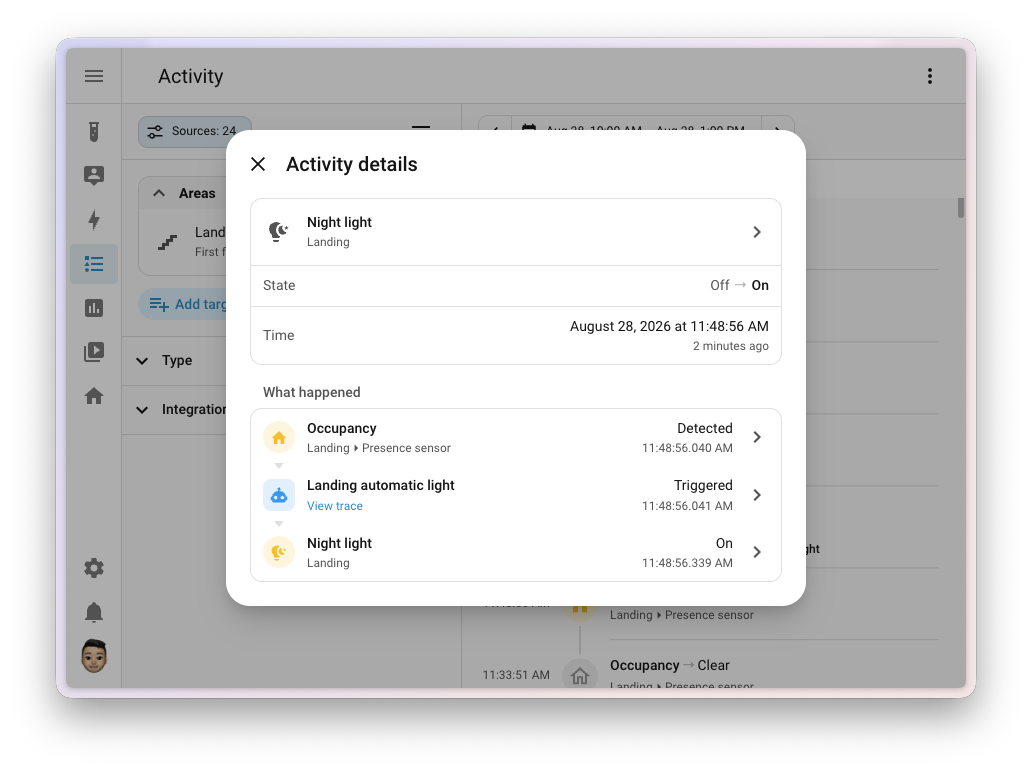
To provide greater transparency within home automations, the Activity log has transitioned from simple state-change notifications to a comprehensive diagnostic trail. Selecting any log entry now launches a hierarchical details dialog mapping out the precise causal chain: the originating trigger (whether human interaction, a scheduled event, or a system restart), the specific automation or script executed, and the final state modification. Timestamps are now recorded with millisecond precision to ensure accurate chronological sequencing of concurrent events.
Protocol Mapping and Accessibility Breakthroughs
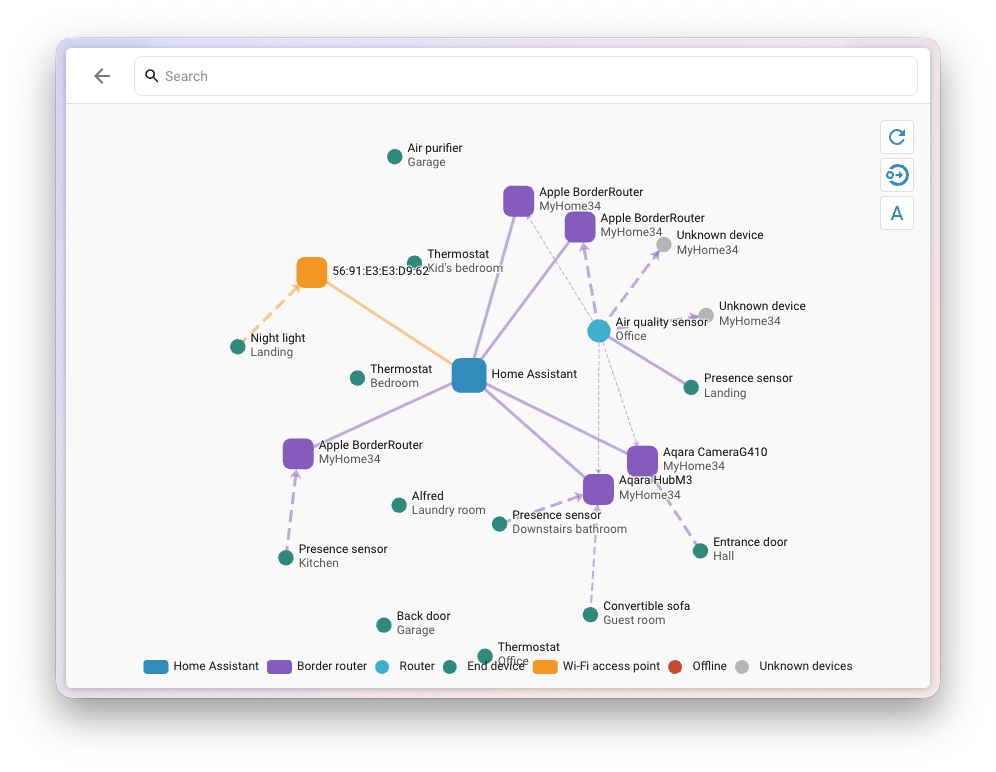
Expanding upon existing visualization tools for Zigbee and Z-Wave networks, the Matter protocol has received a dedicated network topology map. Accessible directly from the Matter integration panel, the graphical interface depicts the interconnection pathways between Home Assistant, Thread border routers, Wi-Fi access points, and battery-powered edge devices, utilizing link colors and signal strength indicators to diagnose mesh network health.
In a significant stride toward universal design, version 2026.9 introduces comprehensive accessibility features for data charts and trends. Line and bar graphs—historically opaque to screen readers due to their rasterized image output—are now fully navigable via keyboard commands. Users can step through individual data points using directional arrows, accompanied by real-time screen reader announcements and an auditory feedback system that translates numerical variations into pitch-modulated audio tones, allowing users to audibly perceive data trends.
Infrastructure and Administrative Updates
Under the hood, the platform continues to refine hardware-level visibility. A newly designated "Serial" management panel has been integrated under the connectivity settings, categorizing USB dongles, radio transceivers, and local serial connections into active, idle, and missing hardware states. This complements a redesigned MQTT settings page equipped with an interactive packet-publishing tool and syntax-highlighted message inspection.
The update also incorporates minor enhancements, such as real-time storage capacity monitoring for network-attached storage (NAS) mounts used for backups, alerting administrators via dynamic color-coded usage bars when available capacity drops below established thresholds.
Industry Presence and Backward Compatibility
Coinciding with the software deployment, representatives from the Open Home Foundation are exhibiting at IFA Berlin, highlighting the open-source smart home ecosystem’s continued growth within the consumer electronics sector.
As with any major software iteration, version 2026.9 includes a small set of backward-incompatible changes designed to improve long-term system stability and security. Notably, administrative privileges are now required to execute system-level actions such as installing or skipping software updates, managing Z-Wave lock user credentials, and executing specific cloud-connected administrative routines. Developers and advanced users managing custom integrations or complex YAML configurations are advised to review the official changelog and developer documentation to ensure a seamless transition.