The pursuit of megapixels once consumed me, a siren call promising photographic mastery. Every new high-resolution camera seemed to whisper of enhanced detail, expanded creative freedom, and ultimately, greater photographic success. This allure is a common trap, skillfully laid by camera manufacturers who have long championed megapixel counts as the definitive measure of technological advancement. It’s an easy narrative to buy into: more megapixels equate to better photography. However, my own experiences, spanning decades and a diverse array of photographic equipment, have led me to a profound realization: the true essence of photography lies not in the sheer volume of pixels, but in the power of the captured moment, the story told, and the emotion evoked.
My photographic journey began not with the sterile precision of digital sensors, but with the tactile charm of film. Simple Kodak point-and-shoot cameras were my early companions, fostering a nascent appreciation for capturing the world. This evolved into the robust capabilities of SLRs, with the Nikon F5 becoming a significant milestone. The transition to digital photography was a gradual one, marked by a progression through cameras like the 4MP Nikon D2H and later, the 36MP Nikon D800.
The Nikon D2H, by today’s standards, might seem modest in its megapixel count. Yet, it was a professional workhorse, renowned for its speed, responsiveness, and its undeniable ability to produce images that graced international publications. Crucially, the resolution of those images – a mere four megapixels – was never a point of concern for the viewers or editors. The photograph either resonated or it did not; the pixel count was an irrelevant footnote.
However, as digital technology marched forward, so did my own internal dialogue. By the time I acquired the Nikon D800, a camera boasting 36 megapixels, a subtle shift had occurred. I began to question the potential that even greater resolution might unlock. This curiosity led me to explore the realm of digital medium format cameras, systems like the Hasselblad H6D-100c and the Phase One XF 100MP. The promise of their colossal files, often exceeding 100 megapixels, was tantalizing, fueling the belief that such immense detail could elevate my work and, by extension, my appeal to clients.
The Allure and Limitations of High-Resolution Systems
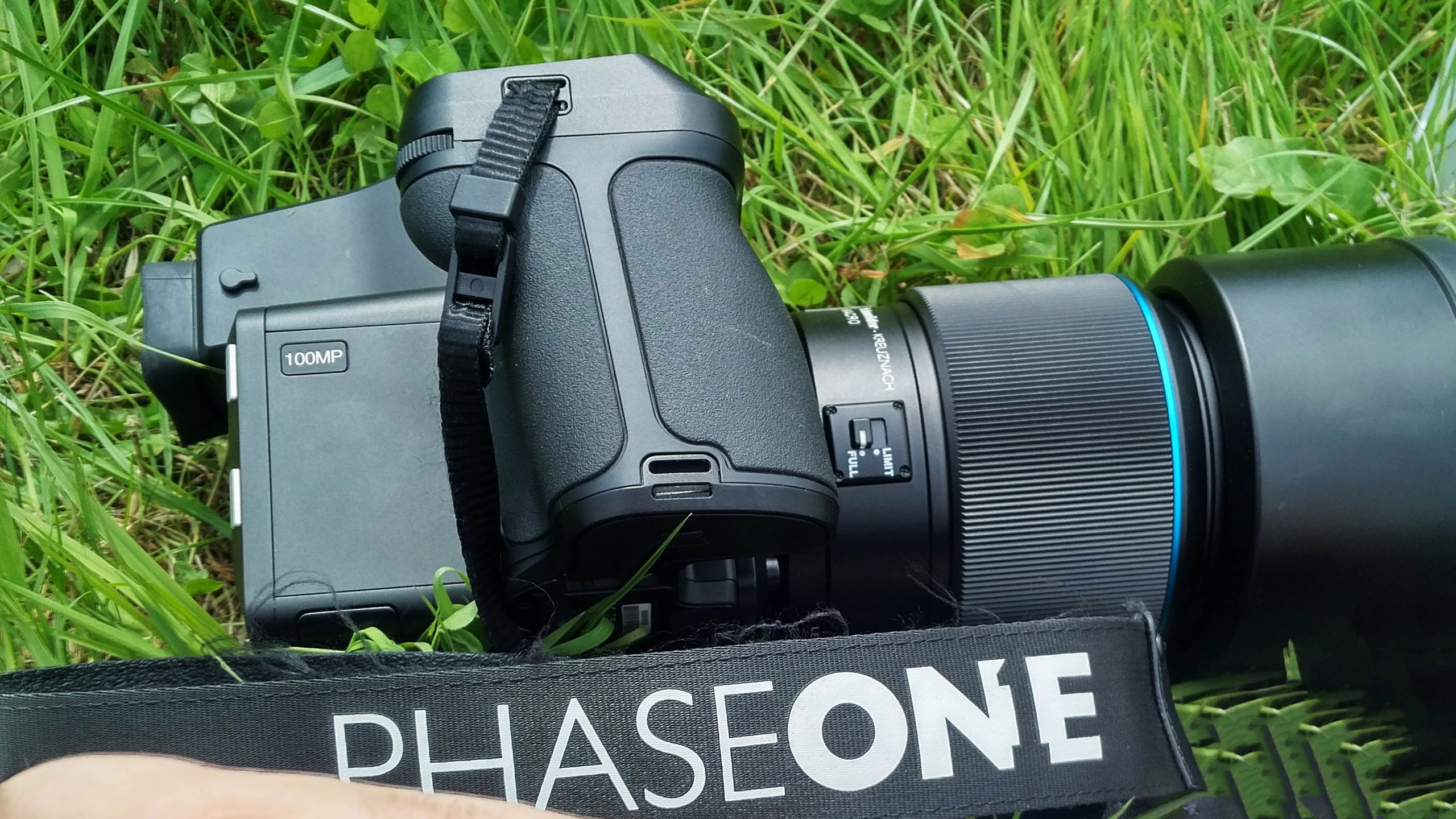
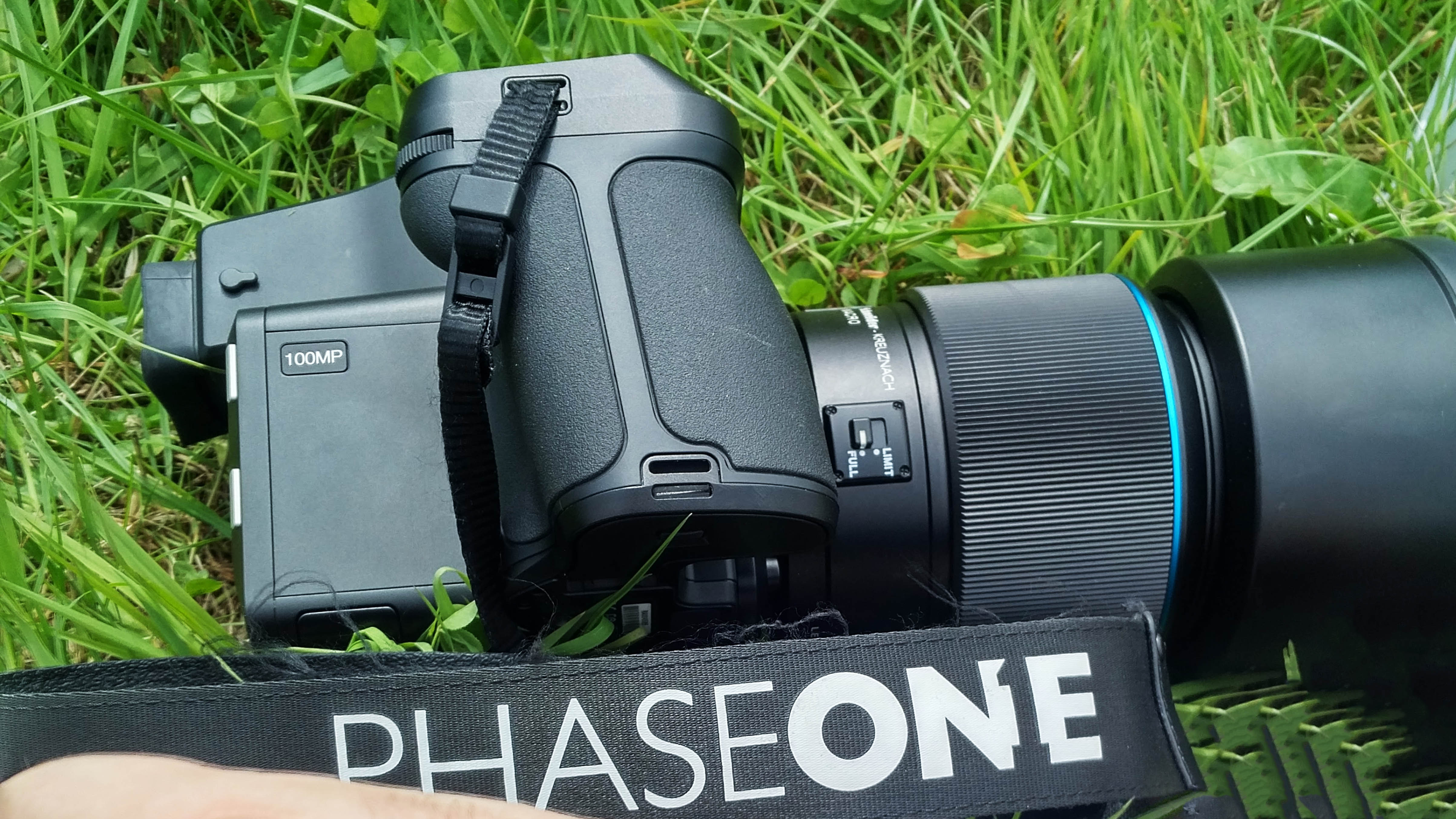
The Phase One XF 100MP, a marvel of engineering, offered an unparalleled level of detail. I dedicated an entire photographic assignment across Ireland and the UK to understanding its capabilities in real-world, non-studio environments. The resulting files were indeed extraordinary, a testament to the camera’s technical prowess. Yet, the critical distinction emerged: the files were extraordinary, but the photographs themselves were not automatically imbued with extraordinary meaning or impact simply because of their pixel density. This was a lesson that took me longer than it perhaps should have to fully internalize.
A camera, regardless of its megapixel count, is a tool. It can meticulously record detail, but it cannot dictate the photographer’s position, nor can it intuit a fleeting expression, anticipate a decisive moment, or foresee a dramatic shift in lighting. It cannot cultivate a refined sense of composition or imbue an image with profound emotional weight. These fundamental artistic decisions remain solely within the purview of the photographer, irrespective of how sophisticated the camera might be.
A Shift in Perspective: Beyond the Megapixel Race
For a period, I anticipated Nikon’s response to industry trends, specifically the emergence of cameras like Canon’s 50MP EOS 5DS. I expected a similar leap in resolution from Nikon. However, a gradual realization began to dawn: the 36MP D800 I already possessed was more than capable of meeting my creative and professional needs. The perceived limitation was not in the camera’s hardware, but in my own mindset. I had allowed technical specifications to eclipse the core principles of photography.
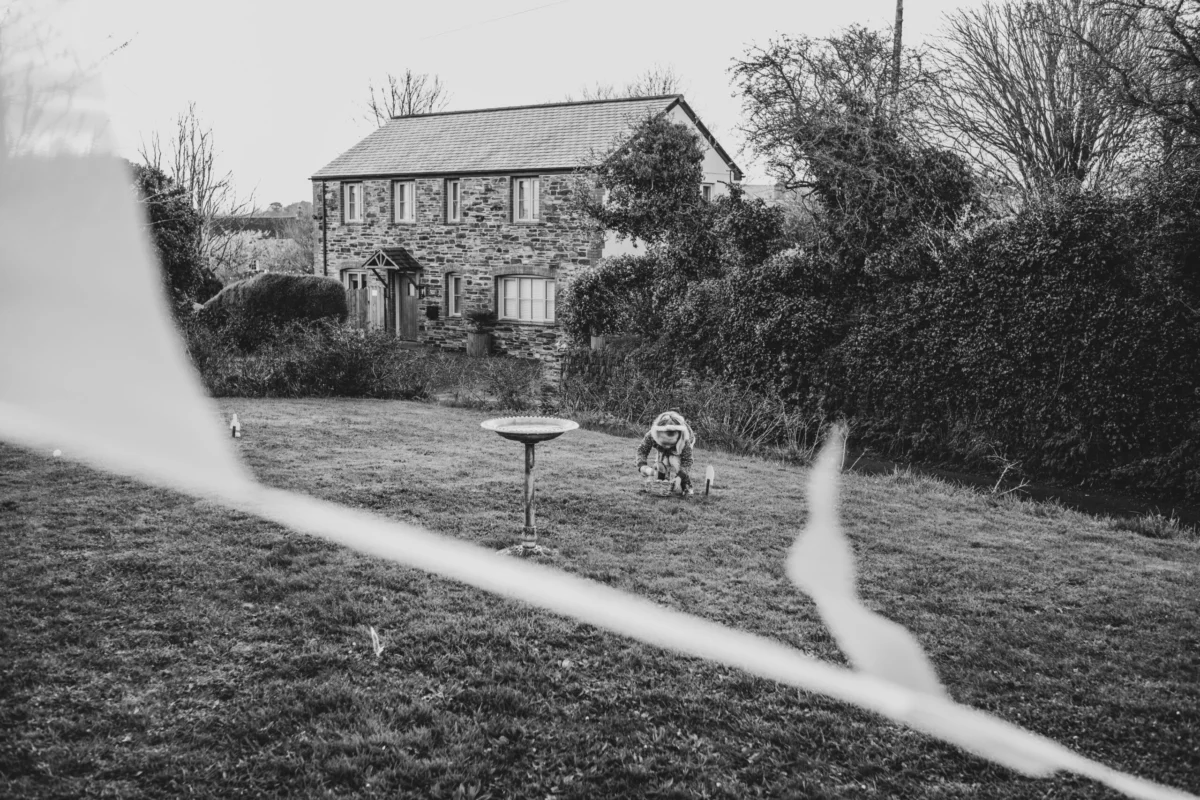
This introspection marked a turning point. When I ceased fixating on what other photographers were using or the latest megapixel benchmarks, my photographic approach began to transform. I started seeking unique vantage points, moving away from the crowded, predictable perspectives that yielded similar shots. My focus shifted towards a more deliberate consideration of timing, perspective, and the subtle narratives unfolding beyond the obvious subject matter. The chase for megapixels had ended; the pursuit of meaningful photographs had begun. This philosophical shift ultimately guided me toward the world of vintage Leica cameras.
Embracing Simplicity and Character: The Leica Experience
My experience with the Leica M-E, featuring an 18-megapixel full-frame CCD sensor, proved to be remarkably successful. While 18 megapixels might seem modest in the current landscape of 2026, the camera consistently delivered images possessing a captivating character, depth, and color rendition that I found deeply satisfying. More importantly, it produced photographs that held personal significance, a value far exceeding any impressive number on a specification sheet.
I now regularly utilize the Leica M240, another camera that, by contemporary standards, is far from new. Its 24-megapixel CMOS sensor appears positively restrained when juxtaposed with the high-resolution mirrorless cameras dominating the market today. Yet, its files continue to hold their own with remarkable resilience. For social media platforms, 24 megapixels is more than sufficient. Services like Instagram and Facebook significantly compress and reduce image dimensions, often discarding a substantial portion of the original resolution before the image reaches the viewer. Even substantial crops from the M240 can yield ample detail for online consumption, while simultaneously producing impressive physical prints.
The creation of a successful large-format print is not a passive process of simply sending an original file to a printer and hoping for the best. It demands meticulous preparation. This includes appropriate resizing, output sharpening, soft proofing, and the correct application of ICC profiles tailored to the specific printer and paper. When executed with precision, a well-exposed and carefully focused 18 or 24-megapixel image can translate into a stunning print. The viewing distance also plays a crucial role; large prints are intended to be appreciated as a cohesive whole, not scrutinized inch by inch with magnification. Ultimately, file preparation, printing techniques, and the foundational quality of the original photograph often carry more weight than the headline resolution figure.
The Enduring Value of Intent and Craft
While high-resolution cameras undeniably possess genuine advantages, their utility is often context-dependent. Commercial, architectural, landscape, and studio photographers may indeed require enormous files, particularly when clients necessitate extensive cropping or exceptionally large reproductions. There are certainly scenarios where every additional megapixel proves invaluable. However, a significant majority of photographers today are not consistently producing billboard-sized prints or undertaking advertising campaigns that demand such extreme resolution.
Many of us are primarily engaged in sharing images online, creating photobooks, producing moderately sized prints, or simply documenting the people and places that enrich our lives. For these purposes, an older camera can still be exceptionally capable. My preference has shifted towards utilizing a camera that inspires me to venture out and capture the world, rather than simply owning the latest high-resolution model based solely on its impressive specification sheet.
The Leica M240 fulfills this need for me. Its operation feels direct, uncomplicated, and deeply involving. Its 24-megapixel files provide all the resolution I realistically require. The meaningfulness of a photograph is not enhanced by its pixel count; rather, it is derived from the captured moment, the narrative it conveys, or the memories it rekindles.
Consequently, I no longer evaluate a camera primarily by the number adjacent to its sensor resolution. My assessment is now based on whether I feel compelled to carry it, whether it encourages me to observe the world with greater acuity, and whether it assists me in translating my unique vision into tangible images. Megapixels possess a certain importance, but they are not the photograph itself. And I would unequivocally choose a memorable image captured with an older, 18-megapixel Leica over a forgettable file from a 100-megapixel camera, every single time.
Beyond the Pixels: Exploring Photographic Pursuits
For those whose photographic endeavors demand the ultimate in detail and fidelity, exploring the best medium format cameras would be a logical next step. These systems are engineered to push the boundaries of image resolution. However, for photographers who prioritize a portable, engaging tool that fosters consistent shooting and encourages a deeper connection with their craft, a thorough investigation into the best compact cameras is highly recommended. These devices often excel in balancing portability with image quality, making them ideal companions for everyday photography.
About the Author
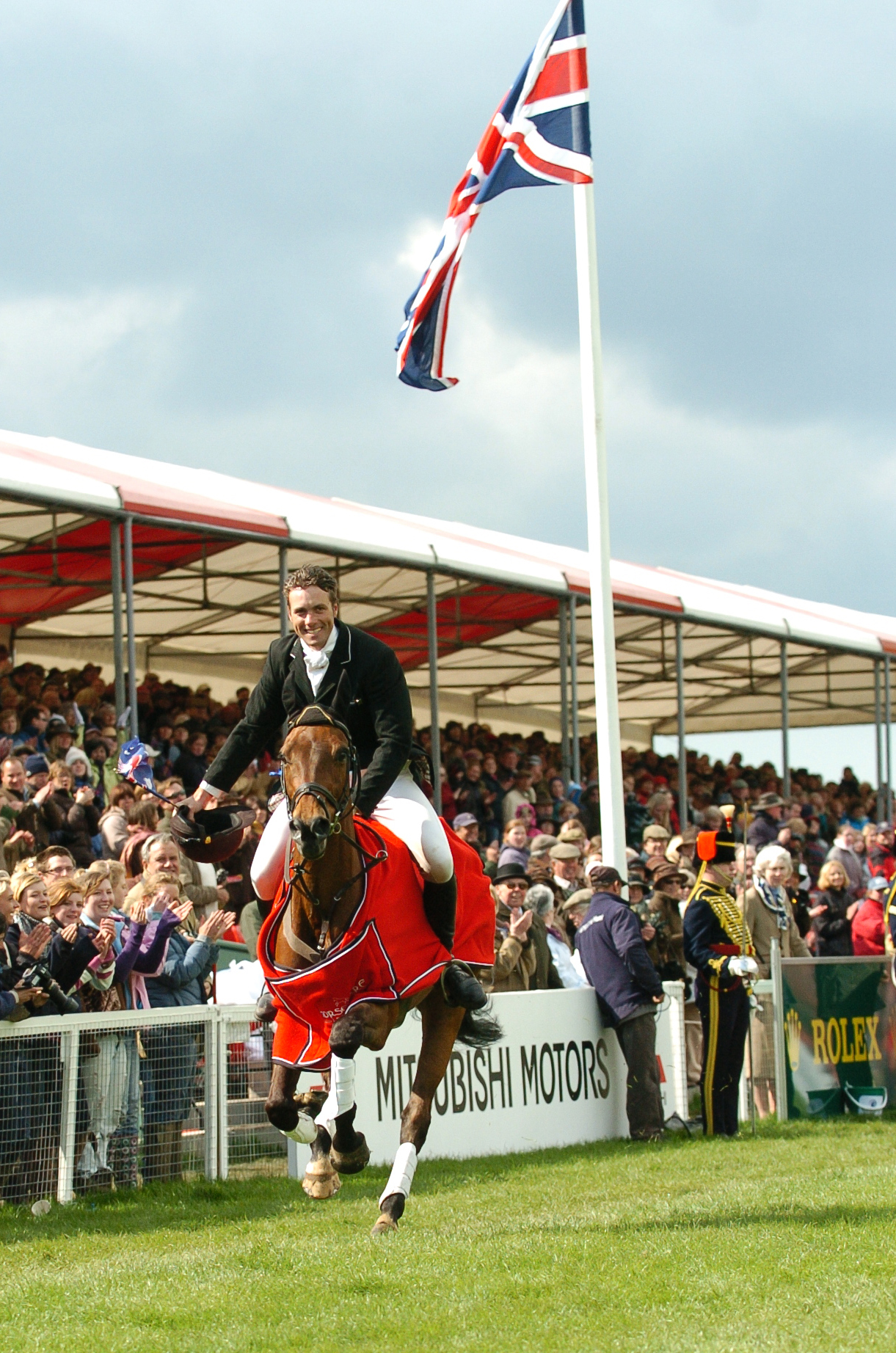
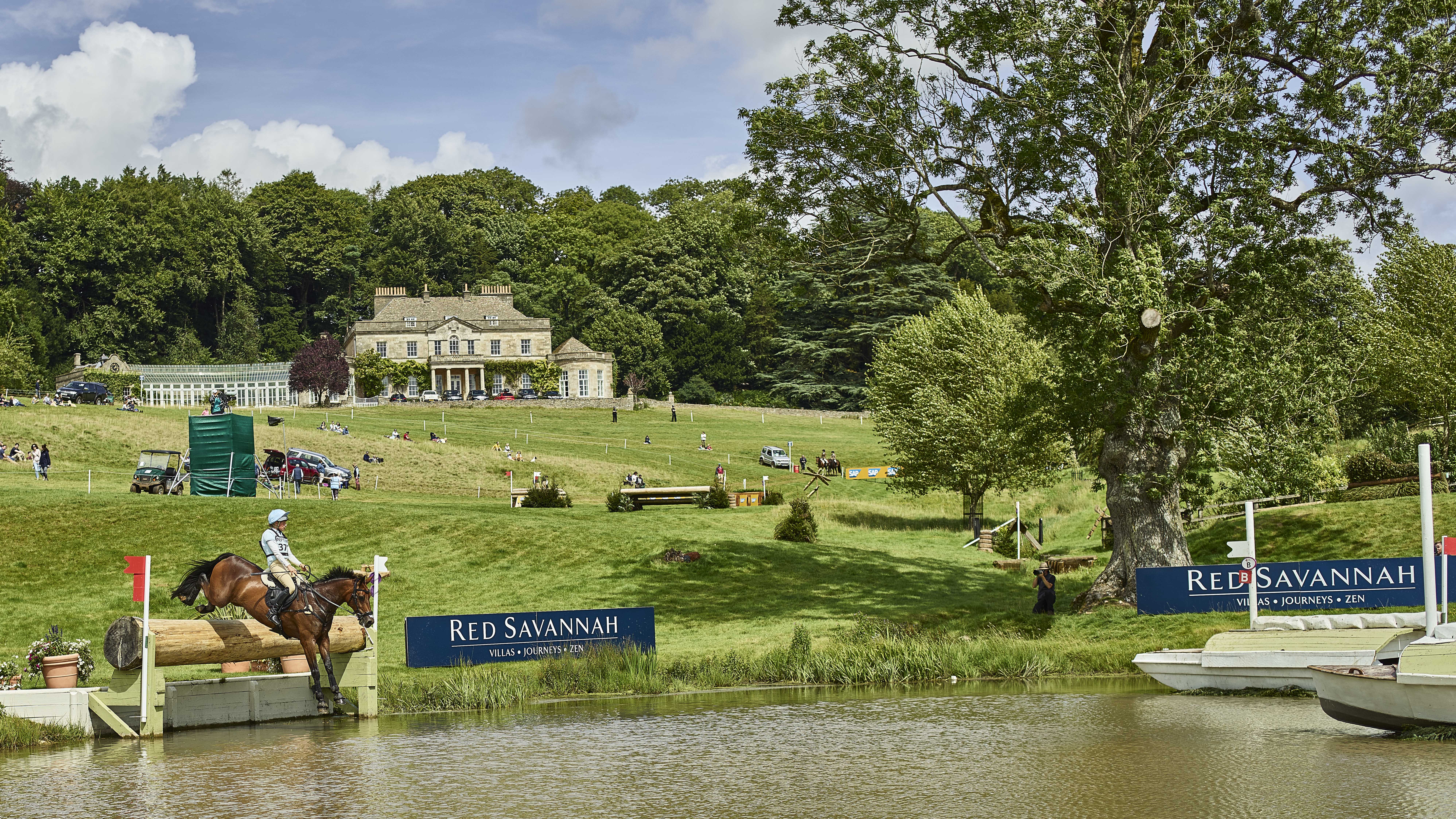
Sebastian’s photographic work has been published internationally for nearly two decades. His initial specialization was in equestrianism, and his visuals have been prominently featured by leading organizations within the equestrian industry, including the Fédération Equestre Internationale (FEI), The Jockey Club, and Horse & Hound, for various advertising campaigns, books, and event highlights.
He is a Fellow of the Royal Society of Arts, holds a Foundation Degree in Equitation Science, and a Master of Arts in Publishing. A dedicated member of Nikon NPS, Sebastian has been a Nikon user since his film photography days with a Nikon F5. He witnessed the industry’s transition to digital with Nikon’s D-series cameras and remains the youngest elected member of the British Equestrian Writers’ Association (BEWA).
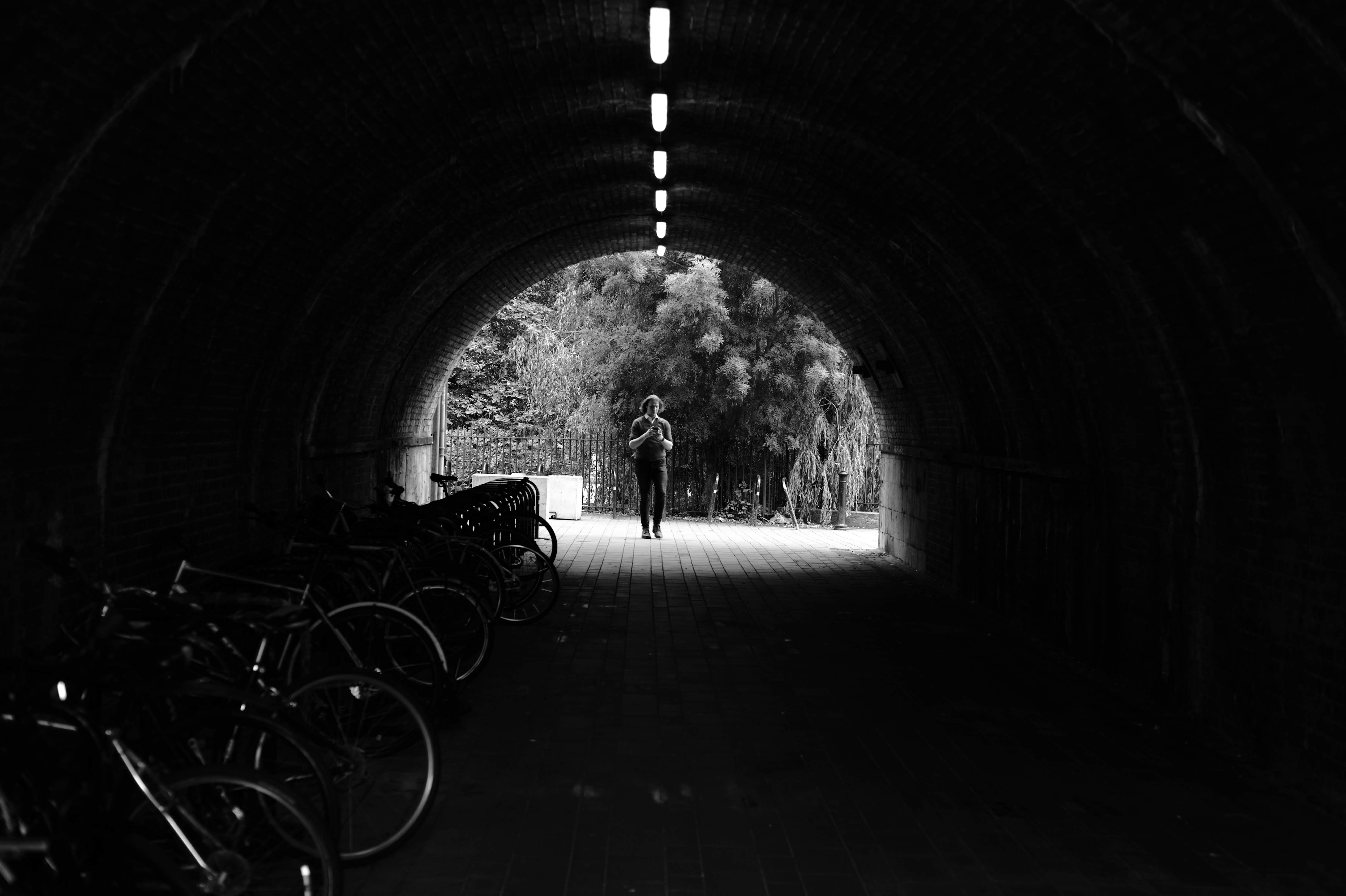
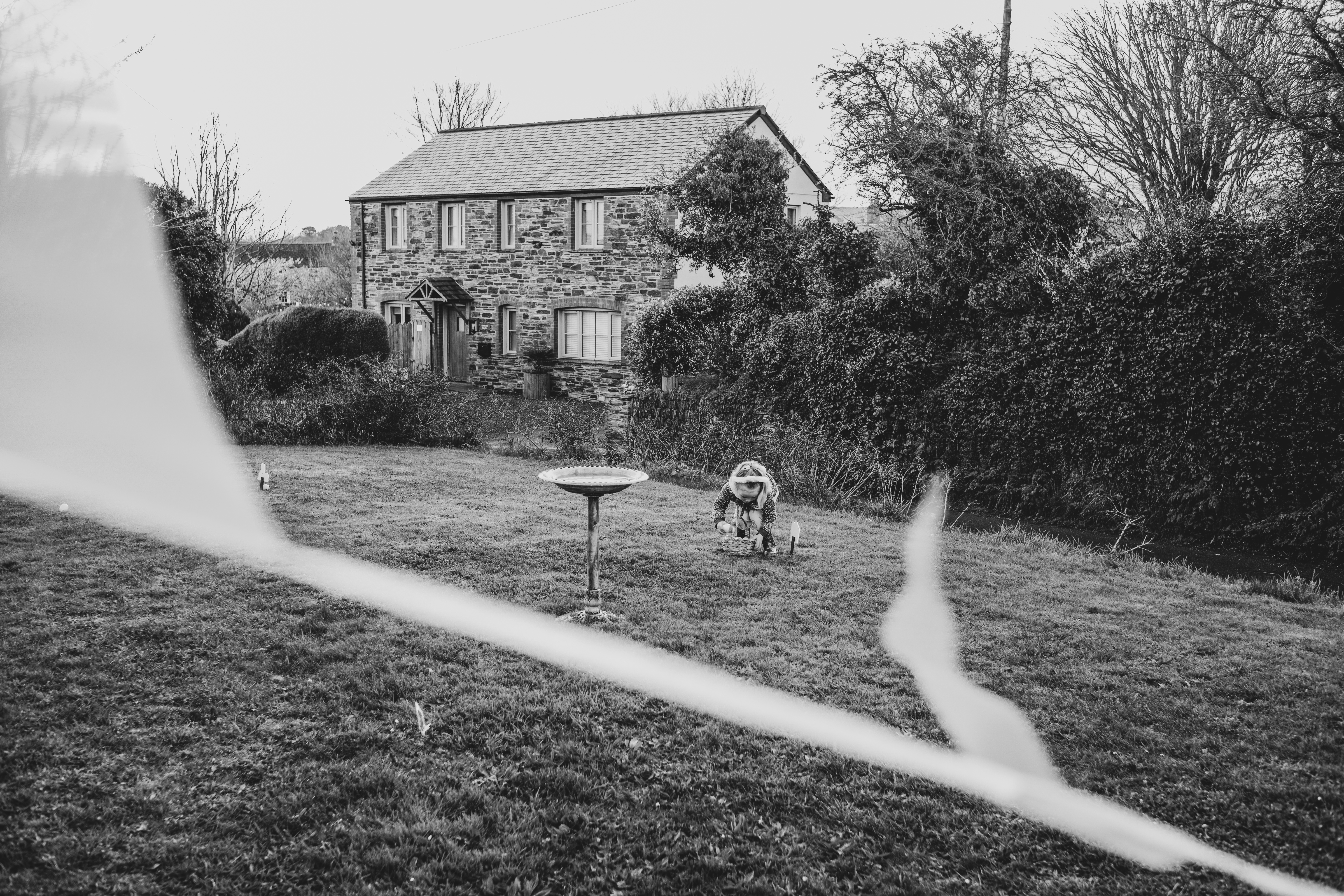
Sebastian possesses a deep familiarity with and keen interest in 35mm, medium, and large-format photography, utilizing equipment from esteemed brands such as Leica, Phase One, Hasselblad, Alpa, and Sinar. His experience extends to various cinema cameras from manufacturers like Sony, RED, and ARRI. In his personal time, he now employs his trusted Leica M-E or Leica M2, focusing on street and documentary photography, often rendered in black and white, capturing the world as he perceives it.