The Evolution of Biometric Tracking
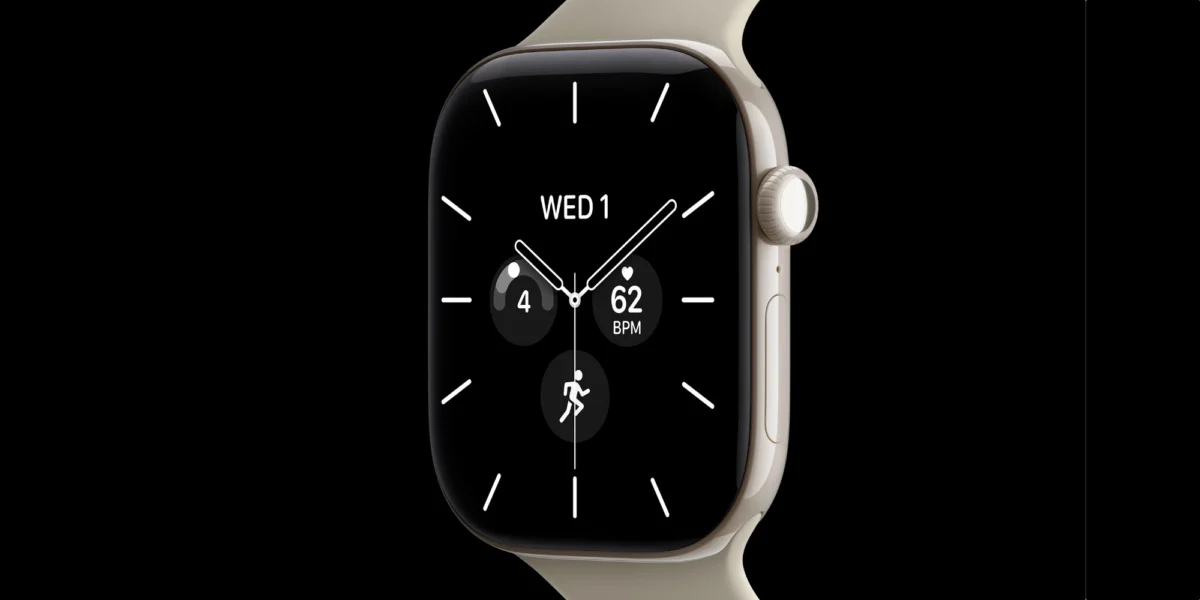
For years, the Apple Watch has relied on periodic heart rate sampling to balance power consumption with health data accuracy. While the previous generation—the Series 11 and Ultra 3—offered industry-leading health insights, the data sampling interval was constrained by hardware limitations. In these older models, the "Heart Rate" complication served primarily as an application launcher when placed in the smaller, circular slots of a watch face. Users seeking a live or recent reading were required to utilize the "wide" complication slot, which occupies more screen real estate to provide a historical graph and a timestamp of the last reading.
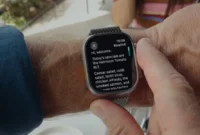
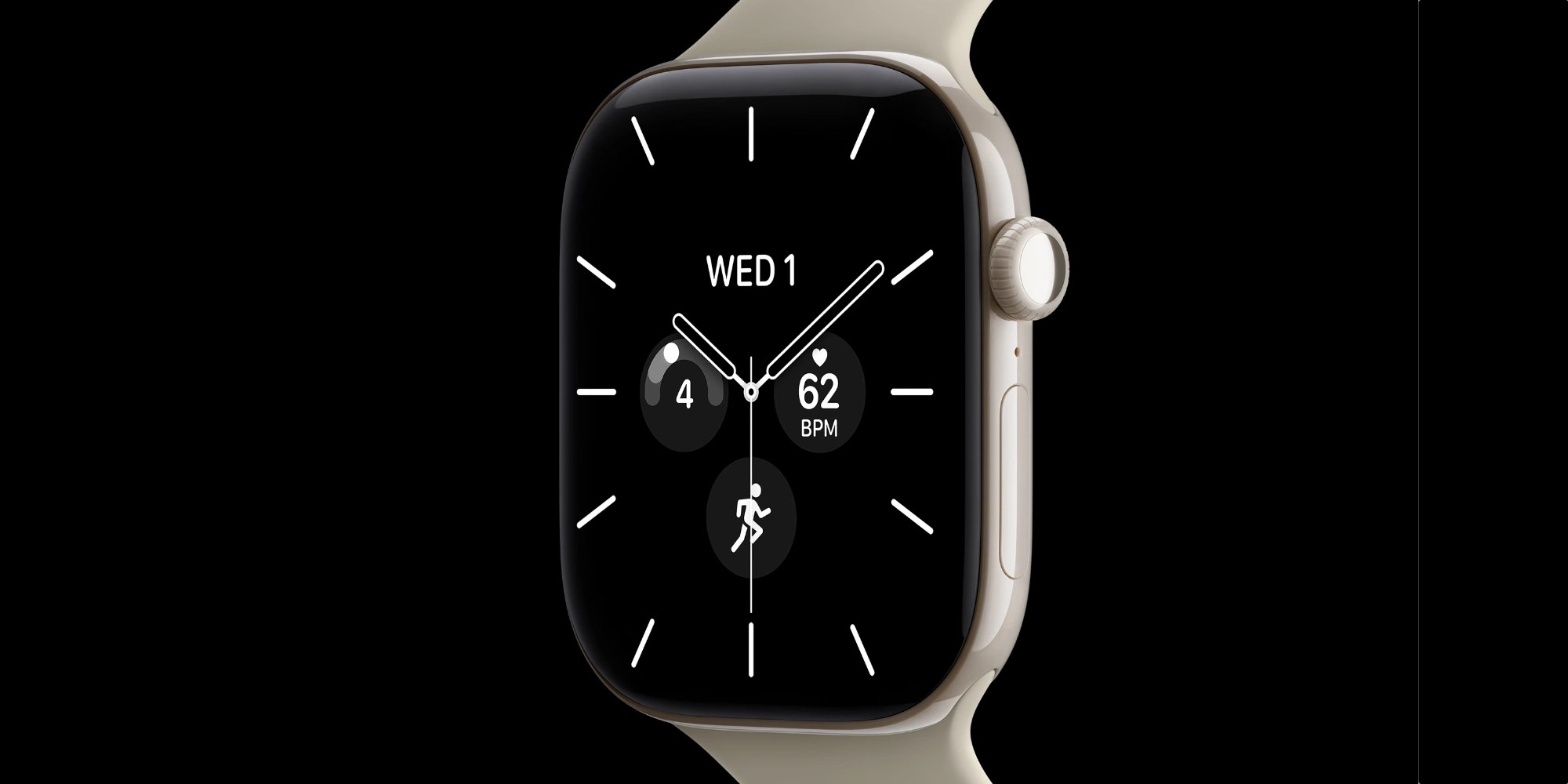
The Series 12 and Ultra 4 shift this paradigm. According to technical documentation released alongside the product announcement, the new Health Sensing System increases the frequency of heart rate sampling to once every five seconds. This represents a 60-fold increase in data capture frequency compared to previous iterations. This engineering feat, achieved through a combination of a redesigned sensor array and more efficient power management algorithms, allows the device to process and display "live" heart rate data directly within the smaller, circular complication format.

Chronology of Health Sensing Advancements
To understand the significance of this update, one must look at the progression of the Apple Watch as a medical-grade tool. Since the introduction of the optical heart rate sensor in the original 2015 model, Apple has methodically expanded the device’s capabilities:
- 2015: Introduction of the original Apple Watch with basic continuous heart rate monitoring during workouts and periodic background sampling.
- 2018: The Series 4 debuts the ECG (electrocardiogram) app, enabling the detection of Atrial Fibrillation (AFib).
- 2020: The Series 6 adds blood oxygen (SpO2) monitoring, cementing the device’s role in respiratory health.
- 2022-2024: Incremental improvements to sensor sensitivity and the introduction of advanced sleep and temperature tracking features.
- 2026: The Series 12 and Ultra 4 launch, characterized by the high-frequency Health Sensing System that enables granular, real-time data visualization on the watch face.
This trajectory reflects a shift from reactive health monitoring—where the user checks data after the fact—to a proactive, glanceable health experience.
Technical Implications and Data Accuracy
The move to a five-second sampling rate is not merely a cosmetic change for watch faces; it has profound implications for data granularity. In medical and fitness contexts, high-frequency sampling allows for more accurate Heart Rate Variability (HRV) calculations and better detection of anomalies during intermittent exercise.
When heart rate data is sampled infrequently, brief spikes or drops in cardiac activity can be missed. By increasing the frequency to every five seconds, the Series 12 effectively creates a more robust data set for the Health app to analyze. This higher fidelity data allows for more sophisticated machine learning models to identify trends that were previously smoothed over by wider sampling windows. Analysts note that this level of data density, once reserved for professional-grade clinical holter monitors, is now standard for a consumer wearable.
Market Positioning and Launch Details
The launch of the Apple Watch Series 12 and the ruggedized Ultra 4 comes at a time when the wearable market is increasingly focused on "wellness-as-a-service." With the Series 12 starting at $399 and the Ultra 4 at $799, Apple is positioning these devices as both essential daily health tools and premium lifestyle products.
The industry response to the announcement has been largely positive, with health tech experts highlighting the accessibility of the new complication. By allowing users to place a live heart rate monitor in any complication slot, Apple is reducing the "friction" associated with health tracking. Users no longer need to navigate to a specific app or reserve a large, wide complication slot to keep an eye on their pulse.

The Broader Impact on Wearable Technology
The transition to higher-frequency sensing raises the bar for the entire wearable sector. Competitors such as Garmin, Samsung, and Google’s Fitbit are expected to face pressure to match this level of data resolution. However, the challenge for manufacturers remains the "power-accuracy trade-off." High-frequency sensing is inherently more demanding on the battery. Apple’s ability to implement this while maintaining its standard multi-day or all-day battery life (depending on the model) suggests a significant breakthrough in the energy efficiency of the proprietary silicon powering the watch.
Furthermore, this change underscores the importance of the watch face as a dashboard. In the early days of smartwatches, watch faces were viewed primarily as aesthetic displays. Today, they are functional hubs for critical information. The ability to see one’s heart rate evolve in real-time on a small, unobtrusive icon transforms the watch into a more responsive health companion.
Official Stance and Future Outlook
While Apple rarely comments on specific competitive benchmarks, the company’s marketing material emphasizes that the Series 12 is designed for "continuous awareness." By prioritizing the visibility of biometric data, Apple is signaling a long-term strategy where the watch acts as a non-invasive monitor of the user’s physiological state.

Looking forward, the increased data resolution from the Series 12 and Ultra 4 provides a foundation for future software updates. With more data points being captured every hour, the potential for predictive health features—such as early warning systems for illnesses or overtraining fatigue—becomes significantly more viable. As the platform matures, the role of the Apple Watch as a diagnostic aid is likely to continue expanding, provided that the hardware continues to meet the stringent requirements of clinical accuracy.
For the consumer, the impact is immediate: a more informative, more responsive, and more integrated health experience. As the September 18 launch date approaches, the excitement surrounding these new models centers on these small but impactful refinements that, when taken together, redefine the utility of the modern smartwatch. Whether for the elite athlete monitoring their recovery or the casual user tracking their daily stress levels, the Series 12 and Ultra 4 represent a milestone in personal health technology.