The release of the Oura Ring 5 marks a definitive shift in the design philosophy of the Finnish health-technology pioneer, prioritizing an ultra-slim aesthetic and improved daytime wearability over radical functional overhauls. As the wearable market reaches a point of high saturation in 2026, Oura has doubled down on its core competency: discreet, high-fidelity biometric monitoring. However, as the hardware grows smaller, the gap between Oura’s specialized sleep tracking and the comprehensive sports capabilities of its competitors has become more pronounced. This fifth-generation device represents a significant engineering achievement in miniaturization, yet it arrives at a time when the software experience and athletic integration face increasing scrutiny from a more demanding user base.
The Engineering of Miniaturization: Physical Specifications and Design
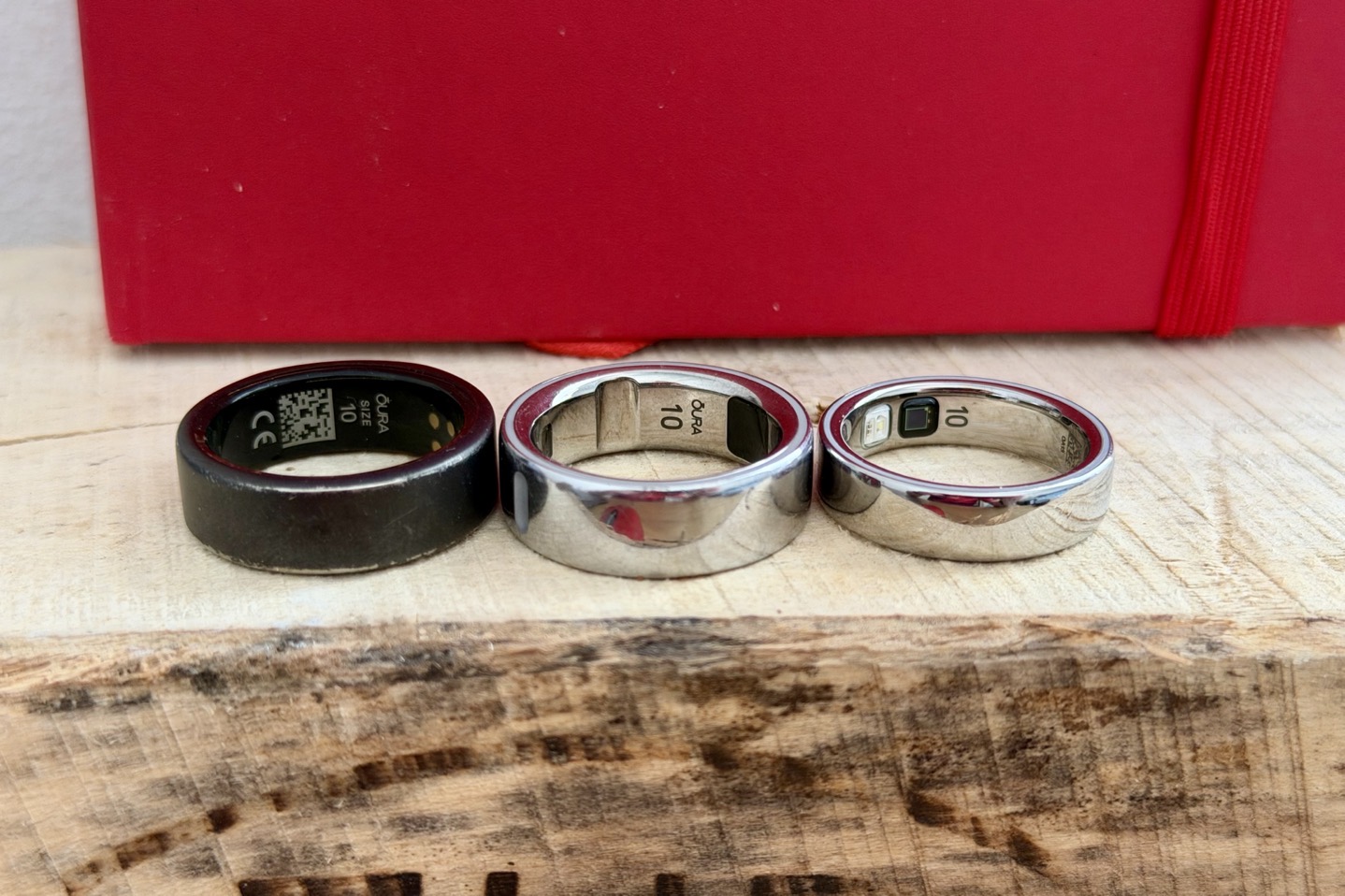
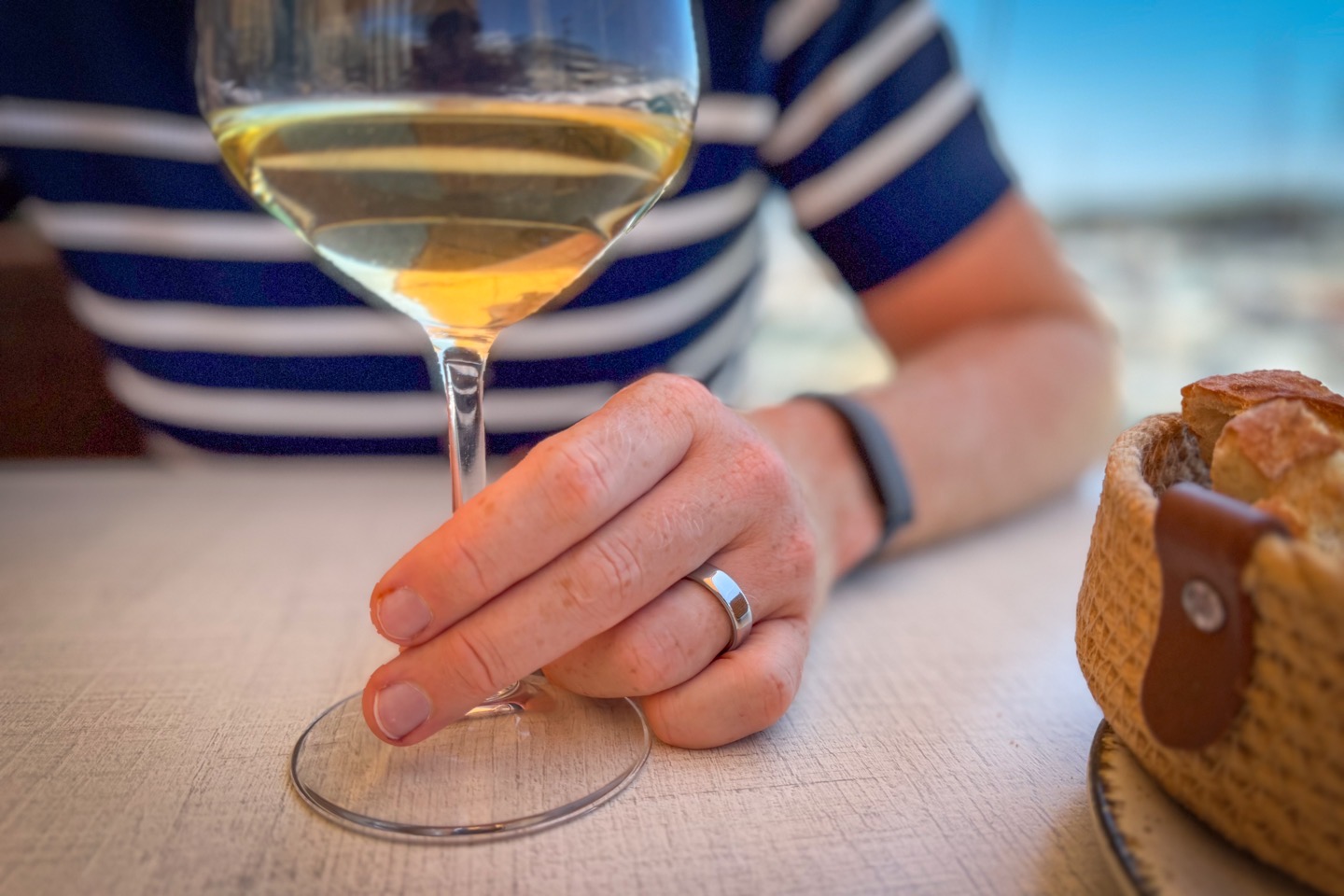
The most immediate and undeniable attribute of the Oura Ring 5 is its reduced physical footprint. When compared to the Oura Ring 4, the new iteration is visibly and tangibly smaller, addressing one of the primary complaints of users with smaller hands or those who find traditional smart rings cumbersome during daily tasks. The company has achieved a reduction in width from 7.9mm to 6.1mm and a decrease in thickness from 2.8mm to 2.28mm. Perhaps most impressively, the weight has been slashed to a mere 2 grams, down from the 3.3-5.2g range of the previous generation.
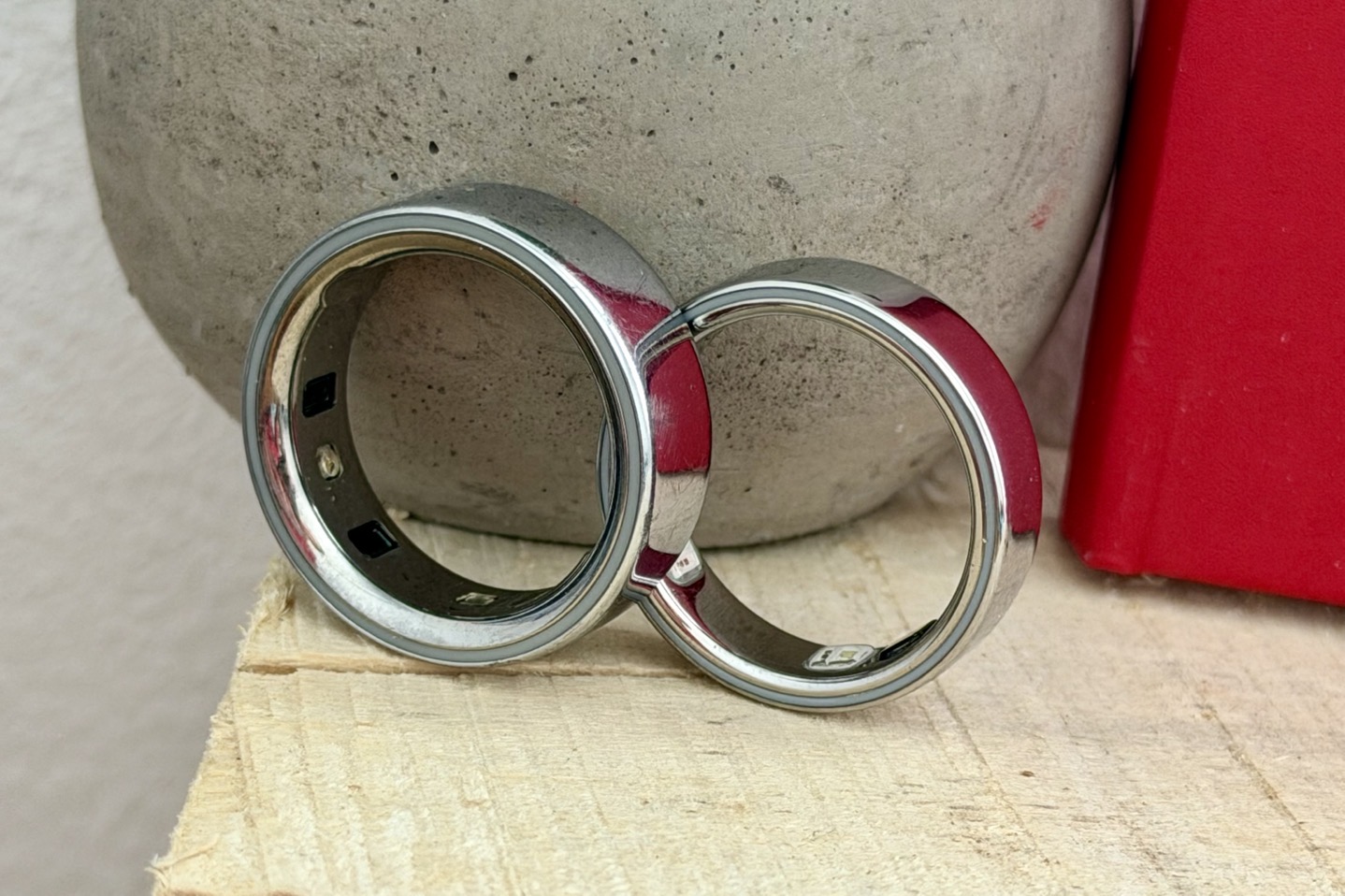
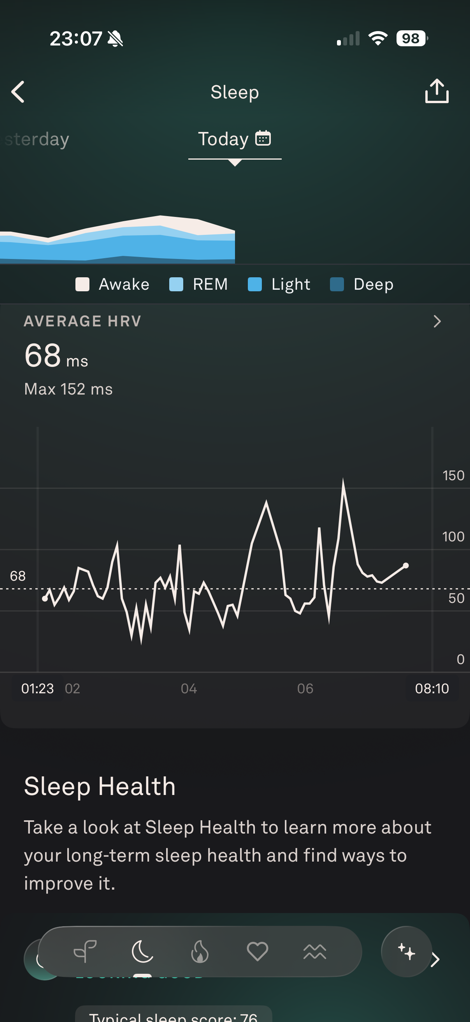
This reduction in mass has not come at the cost of material integrity. The Oura Ring 5 continues to utilize a titanium build with a medical-grade non-allergenic inner molding. To accommodate this smaller frame, the internal architecture was completely overhauled. While the Ring 4 utilized 18 light paths for its optical sensors, the Ring 5 has streamlined this to 12 light paths. To compensate for the fewer pathways, Oura has increased the brightness of the light sensors fourfold. According to internal data provided by the manufacturer, this change has resulted in a 12% increase in nighttime Heart Rate Variability (HRV) accuracy and up to a 19% increase in heart rate accuracy during active periods.
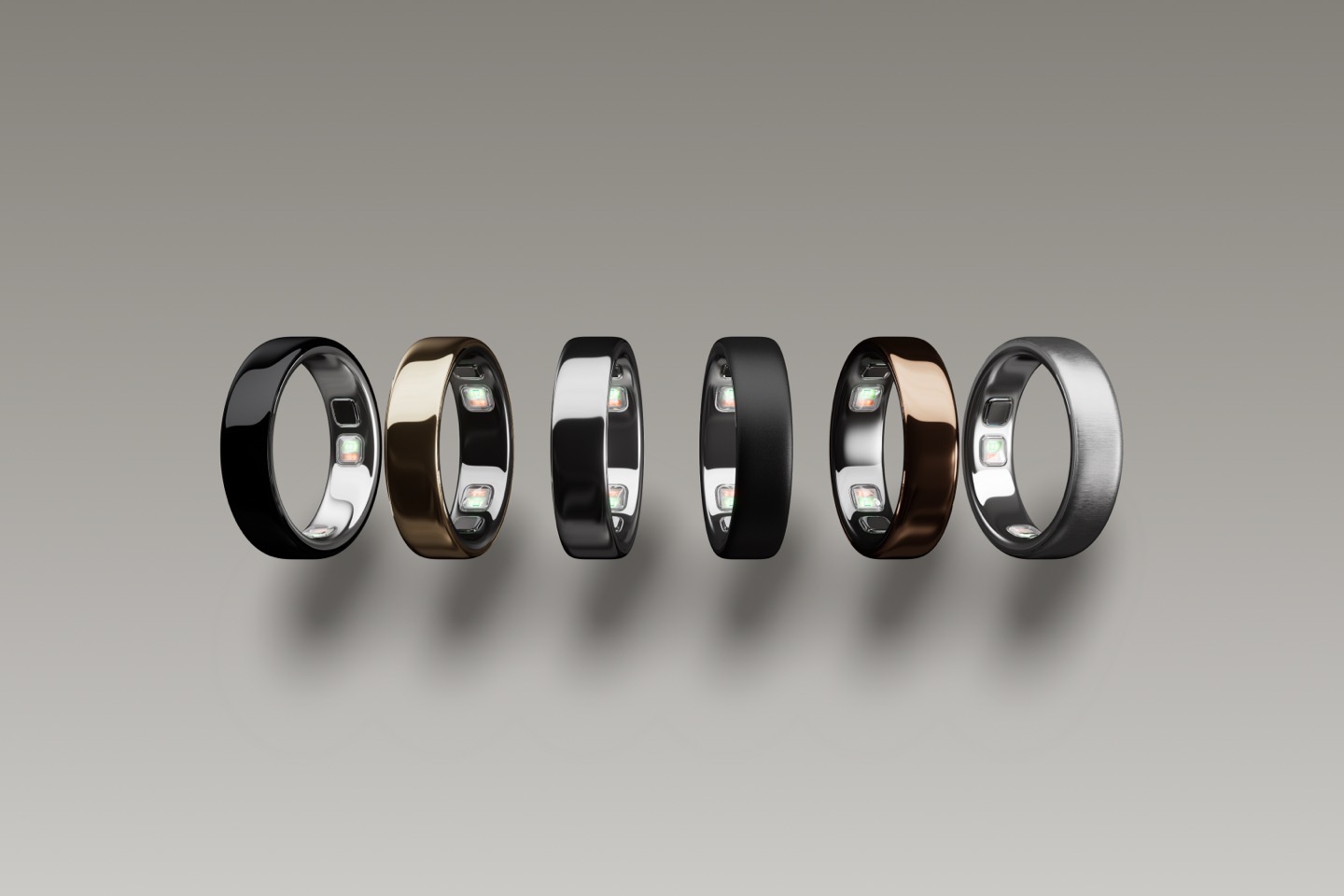
The pricing structure has seen a moderate increase, reflecting the complexities of the new manufacturing process. The base models, available in Silver and Black, now start at $399 (€429), a $50 increase over the launch price of the Ring 4. The premium finishes, including Gold, Stealth, Brushed Silver, and Deep Rose, are positioned at $499 (€529). Despite the hardware price hike, the mandatory subscription service remains at $5.99 per month, a recurring cost that continues to be a point of debate among long-term users.
A Decade of Evolution: The Chronology of the Smart Ring Market
To understand the positioning of the Oura Ring 5, one must look at the timeline of the company’s development. Founded in 2013, Oura launched its first-generation ring via Kickstarter in 2015. At that time, the device was bulky and focused almost exclusively on sleep. By the time the Gen 2 and Gen 3 rings were released between 2018 and 2021, Oura had established itself as the gold standard for sleep recovery, particularly as competitors like Fitbit and Garmin were still perfecting their wrist-based sleep algorithms.
By 2024 and 2025, the market shifted. The entry of major players like Samsung and the rumored development of an Apple Ring forced Oura to innovate on form factor. The Oura Ring 4 was a transitional device, but the Ring 5 is the first to truly feel like traditional jewelry rather than a piece of technology. This evolution highlights a broader trend in the wearable industry: as sensors become commoditized, the "win" for manufacturers lies in the "invisible" nature of the device.
Daily Life Tracking and the Redesigned App Experience
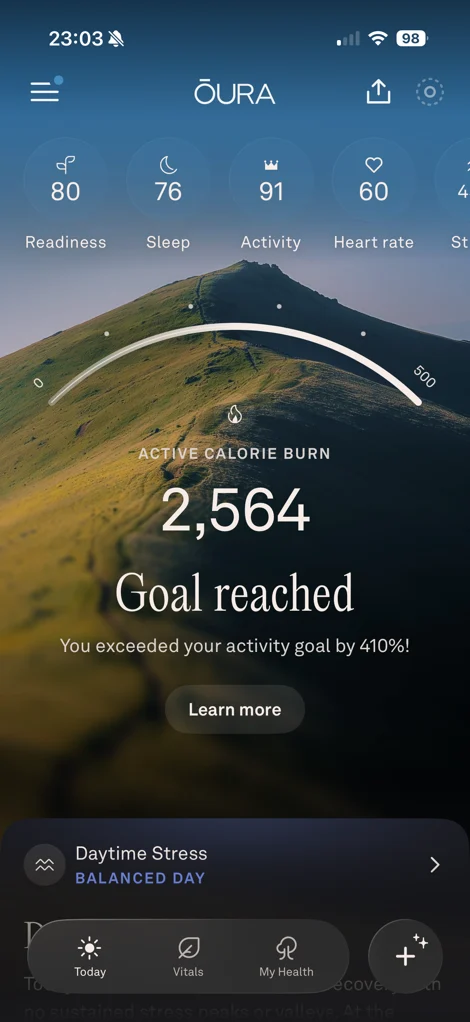
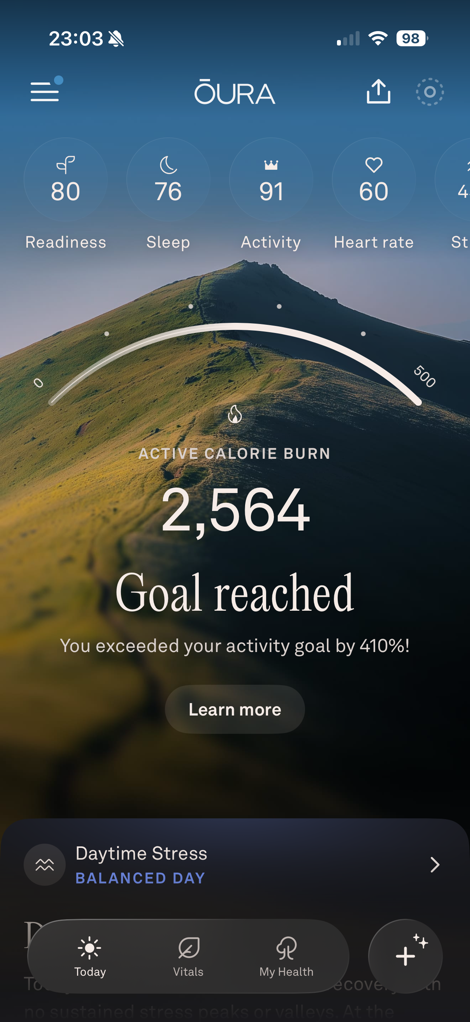
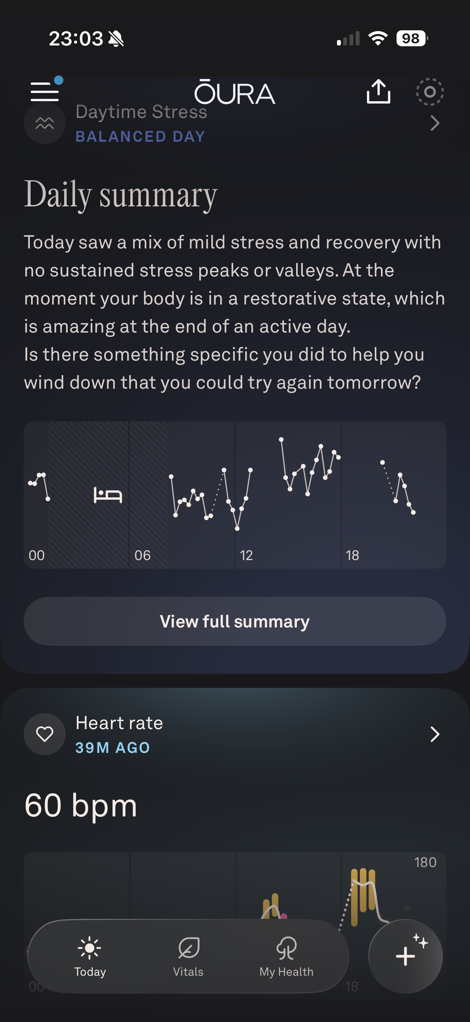
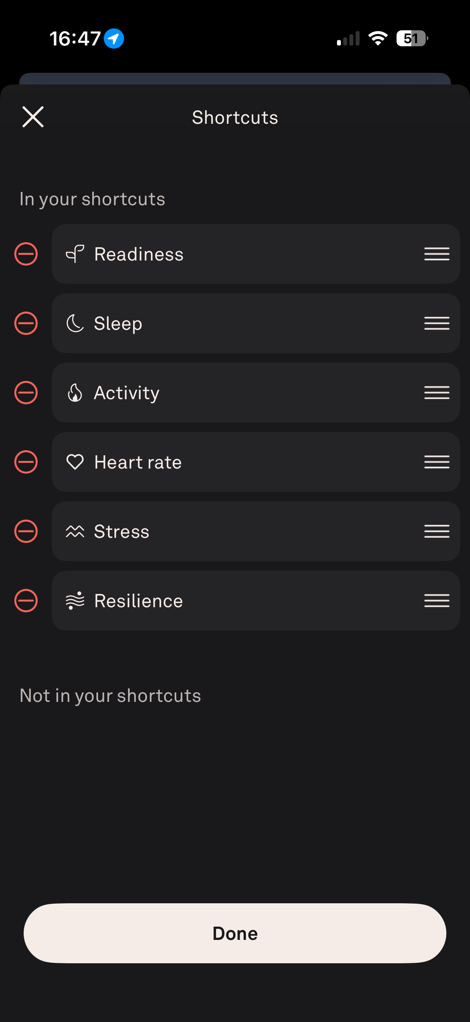
The Oura Ring 5 excels in the realm of "quiet" tracking. Because the device lacks a screen, vibration motor, or external LED indicators, it does not demand the user’s attention. All data is offloaded to the Oura App, which underwent a significant redesign over the last year. The current interface utilizes a "two-tier" information hierarchy. The top of the home screen features a customizable row of scores: Readiness, Sleep, Activity, Heart Rate, and Stress. Below this, a scrolling feed provides deeper dives into specific metrics.
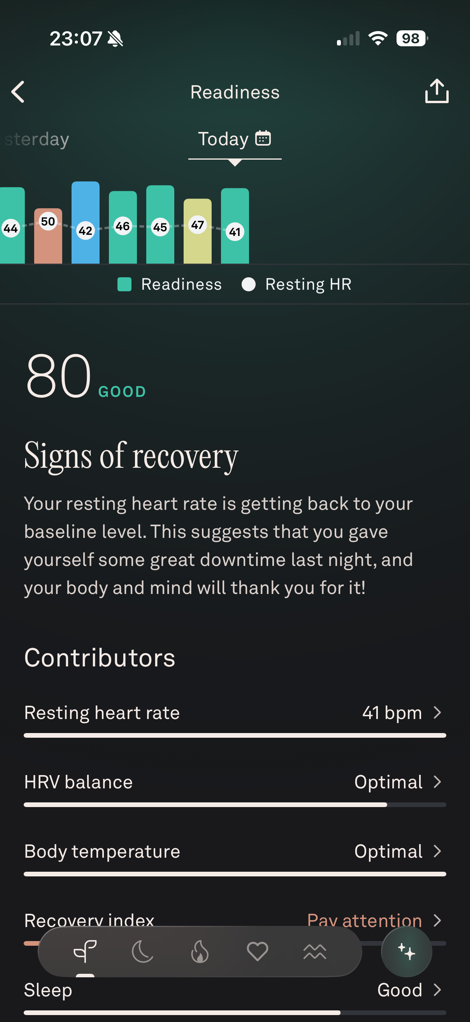
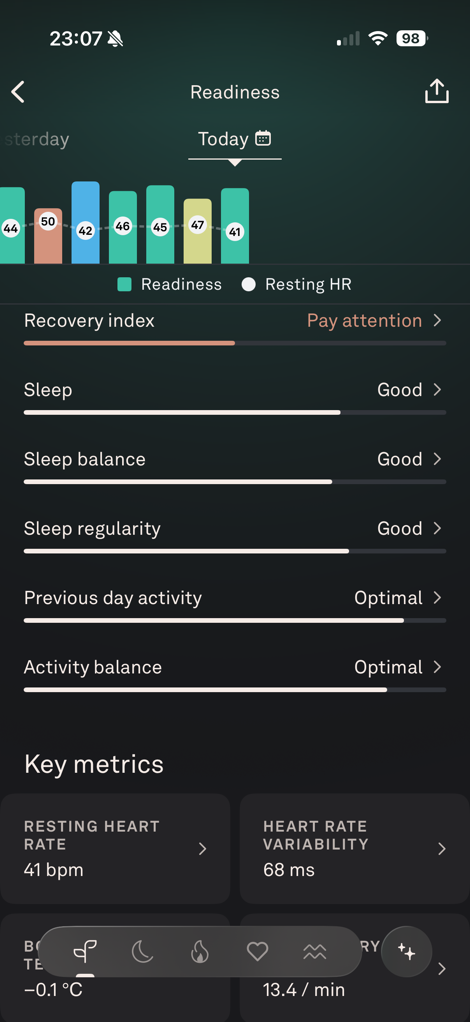
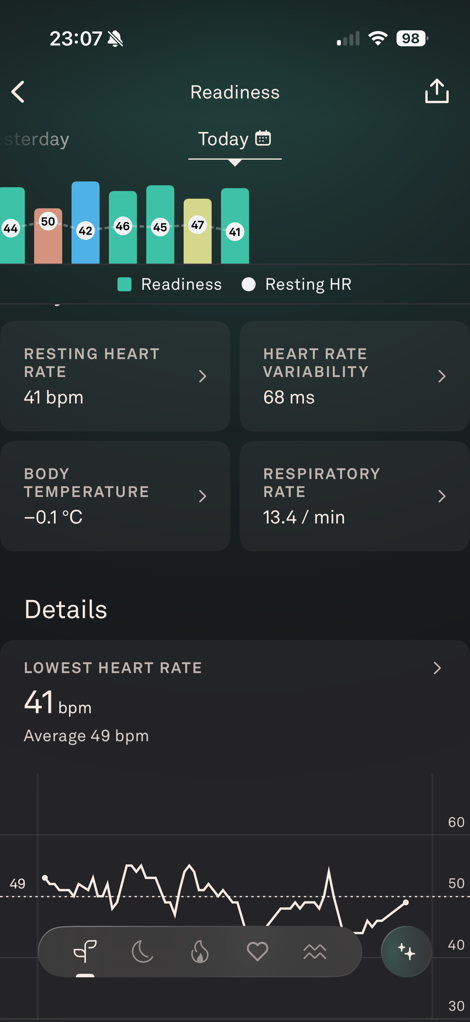
The Readiness Score remains the flagship metric for Oura. It synthesizes resting heart rate, HRV, sleep quality, and previous day’s activity to provide a holistic view of the user’s recovery state. Unlike many competitors that rely on a 7-day rolling baseline for HRV, Oura utilizes a 90-day trend, comparing the last two weeks of data against that three-month average. This longer-term perspective is designed to filter out minor anomalies, though it requires a significant "warm-up" period for new users before the data becomes truly actionable.
Sleep Monitoring: The Vanishing Advantage
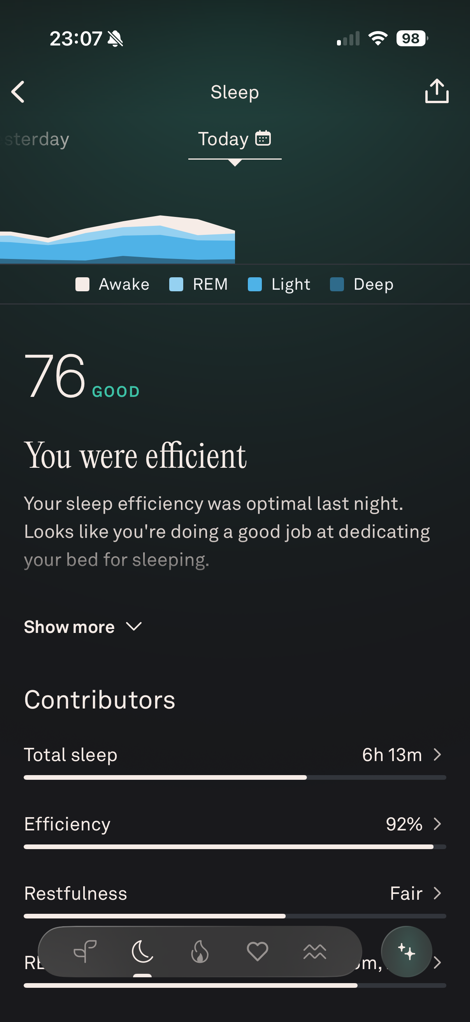
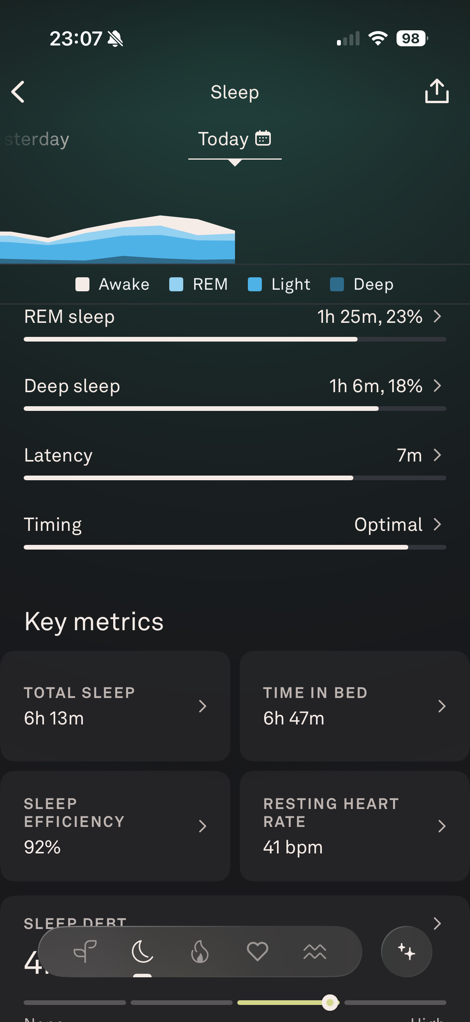
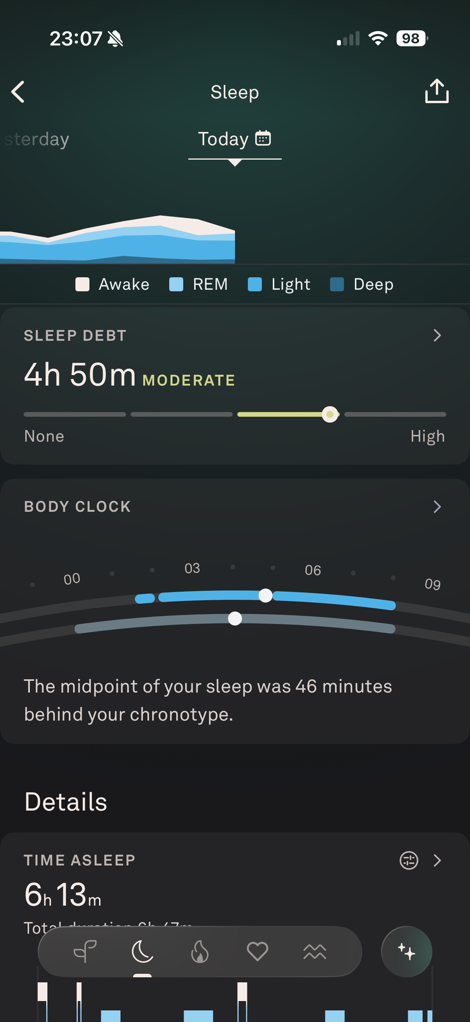
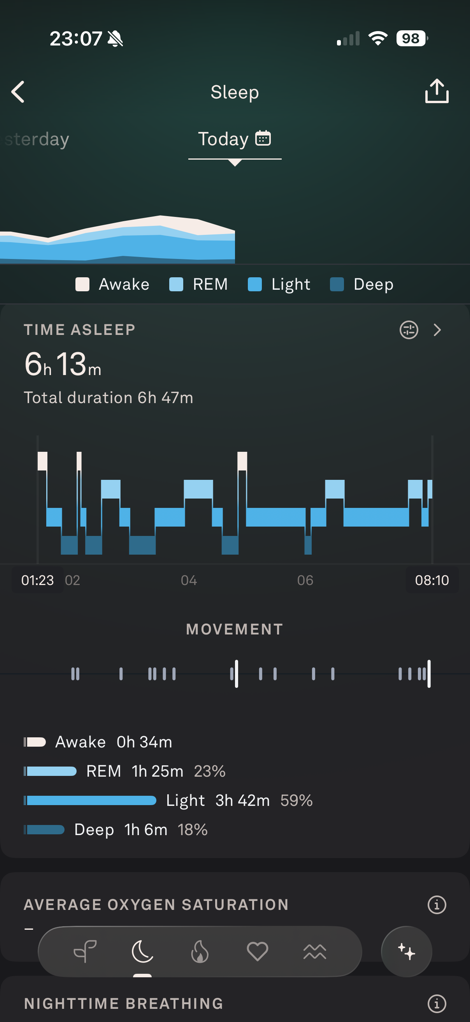
While Oura built its reputation on sleep tracking, the release of the Ring 5 confirms that the "sleep gap" between Oura and its competitors has largely closed. In head-to-head comparisons with devices such as the Whoop 5.0, Garmin Fenix 8 Pro, and the Fitbit Air, the Oura Ring 5 provides remarkably similar data regarding total sleep duration and wake times.
For instance, in a controlled test of sleep onset and wake times, the Oura Ring 5 recorded sleep at 1:48 AM and wake at 8:12 AM. During the same period, a Whoop 5.0 recorded 1:48 AM to 7:59 AM, and a Garmin Fenix 8 Pro recorded 1:37 AM to 8:08 AM. While the variances are minor, they demonstrate that the proprietary algorithms once unique to Oura are now standard across the high-end wearable industry.
Oura does, however, maintain an edge in data presentation through its Sleep Debt and Body Clock features. The Sleep Debt metric provides a clear, cumulative look at how much rest a user is missing relative to their personal baseline, offering a more intuitive understanding of fatigue than a simple nightly score.
Sports and Fitness Tracking: A Critical Limitation
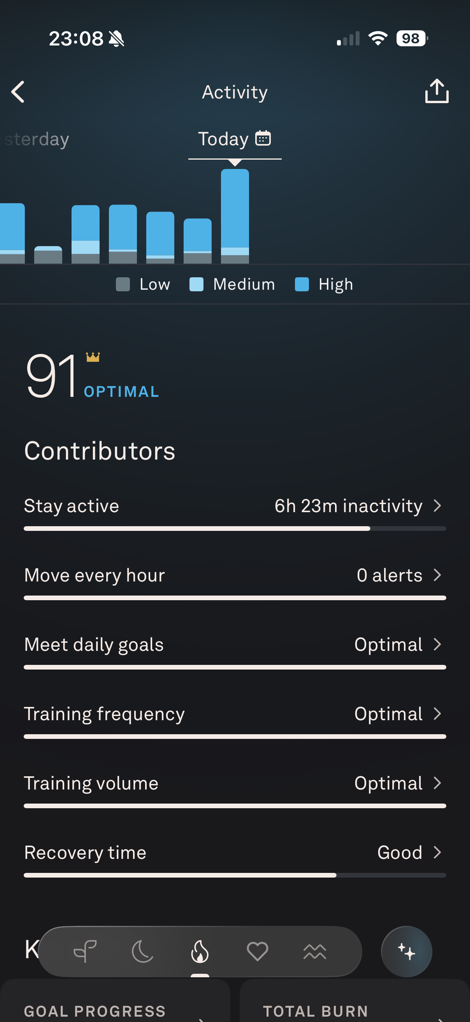
Despite the hardware improvements, the Oura Ring 5 remains significantly behind the curve in sports and fitness tracking. This is the area where the device faces its harshest criticism. While the ring can automatically detect activities like walking or cycling, it frequently fails to categorize more intense or varied workouts accurately.
For users who manually start a workout within the app, the experience is rudimentary. The live data screen displays only basic metrics such as pace, distance, and time. Crucially, unless the user pairs an external heart rate strap to the app, they cannot see their live heart rate on the phone screen during the workout. The ring collects the data, but it is only viewable in a smoothed, post-workout summary.
The most baffling limitation in 2026 is Oura’s handling of third-party data. Despite a long-standing partnership with Strava, the Oura Ring 5 does not export heart rate data to the platform. A workout synced from Oura to Strava will show the GPS map and duration but will leave the heart rate field blank. Furthermore, if a user pairs a high-quality external heart rate sensor to the Oura app to ensure accuracy, the app fails to sync that workout to third-party platforms entirely. In a landscape where data interoperability is standard, these software hurdles feel like a regression.

Heart Rate Accuracy and Biometric Performance
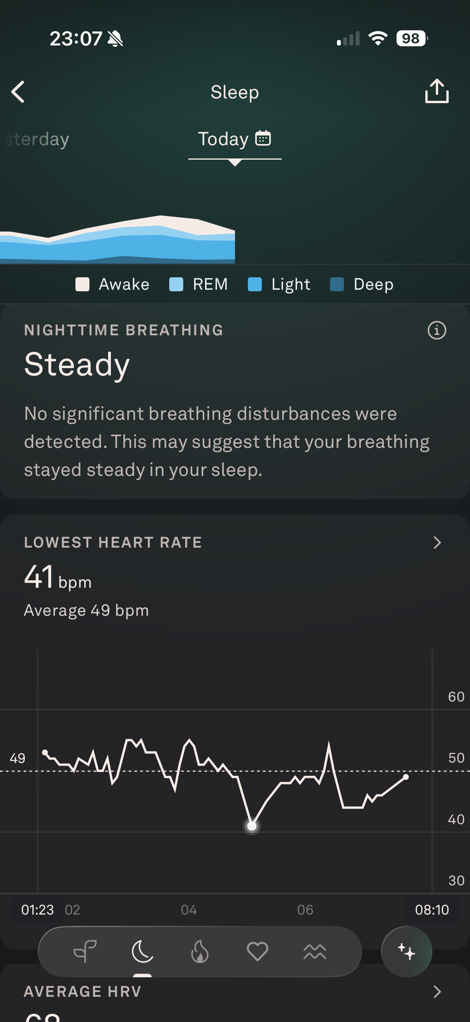
When analyzing the raw biometric data extracted via third-party APIs, the Oura Ring 5 shows respectable accuracy for a finger-based sensor. In indoor cycling tests, the Ring 5 tracked closely with chest straps, showing only minor deviations during high-intensity intervals. However, the form factor still struggles with "cadence lock" during running, particularly on descents where the vibrations of the hand can confuse the optical sensors.
The device also continues to struggle with advanced metrics like VO2Max. In several testing cycles, the Oura Ring 5 estimated a VO2Max of 38, while medical-grade laboratory tests and high-end sports watches consistently placed the same user in the 56-58 range. This discrepancy suggests that while Oura’s heart rate sensors are high-quality, their algorithmic interpretations of athletic performance remain unrefined.
Battery Life and Charging Infrastructure
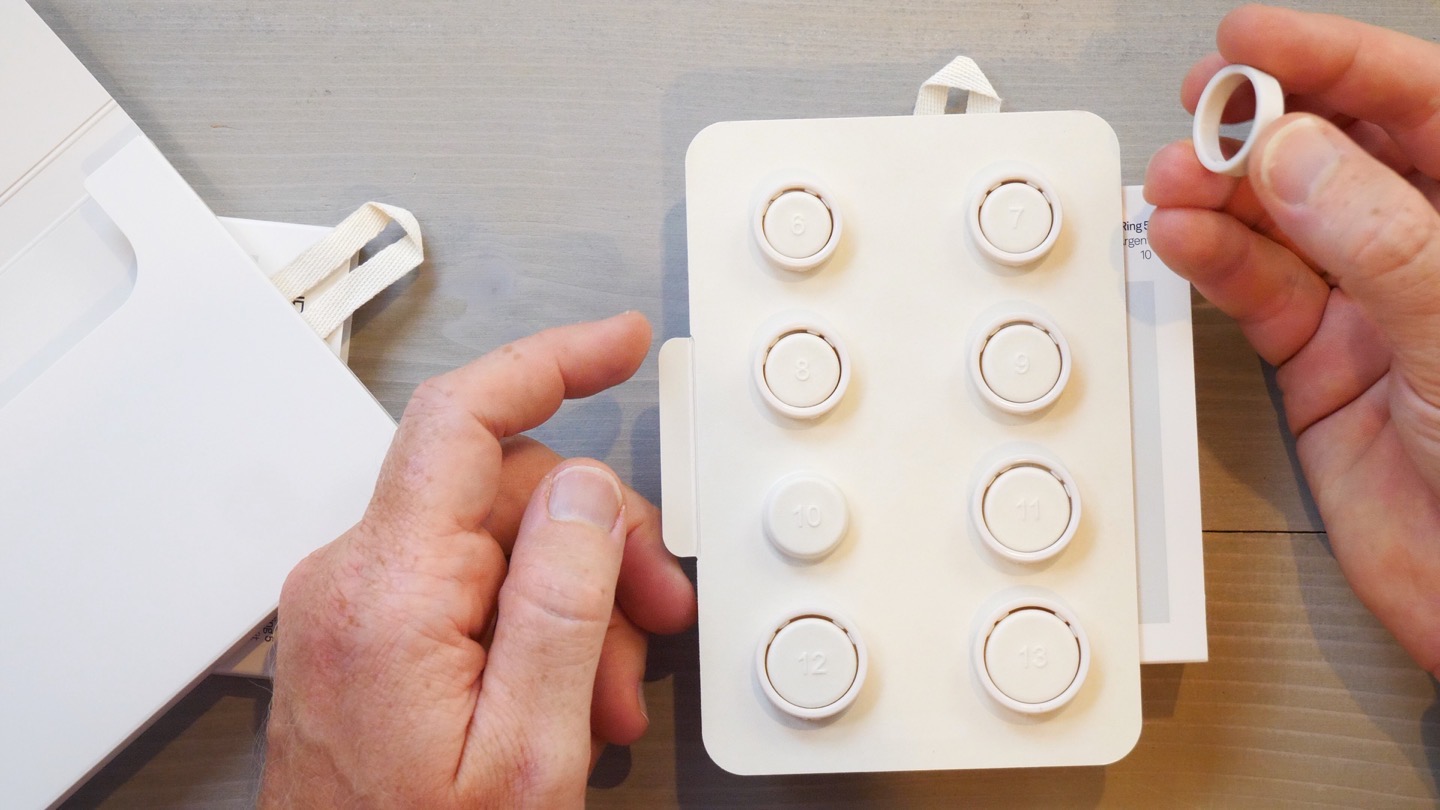
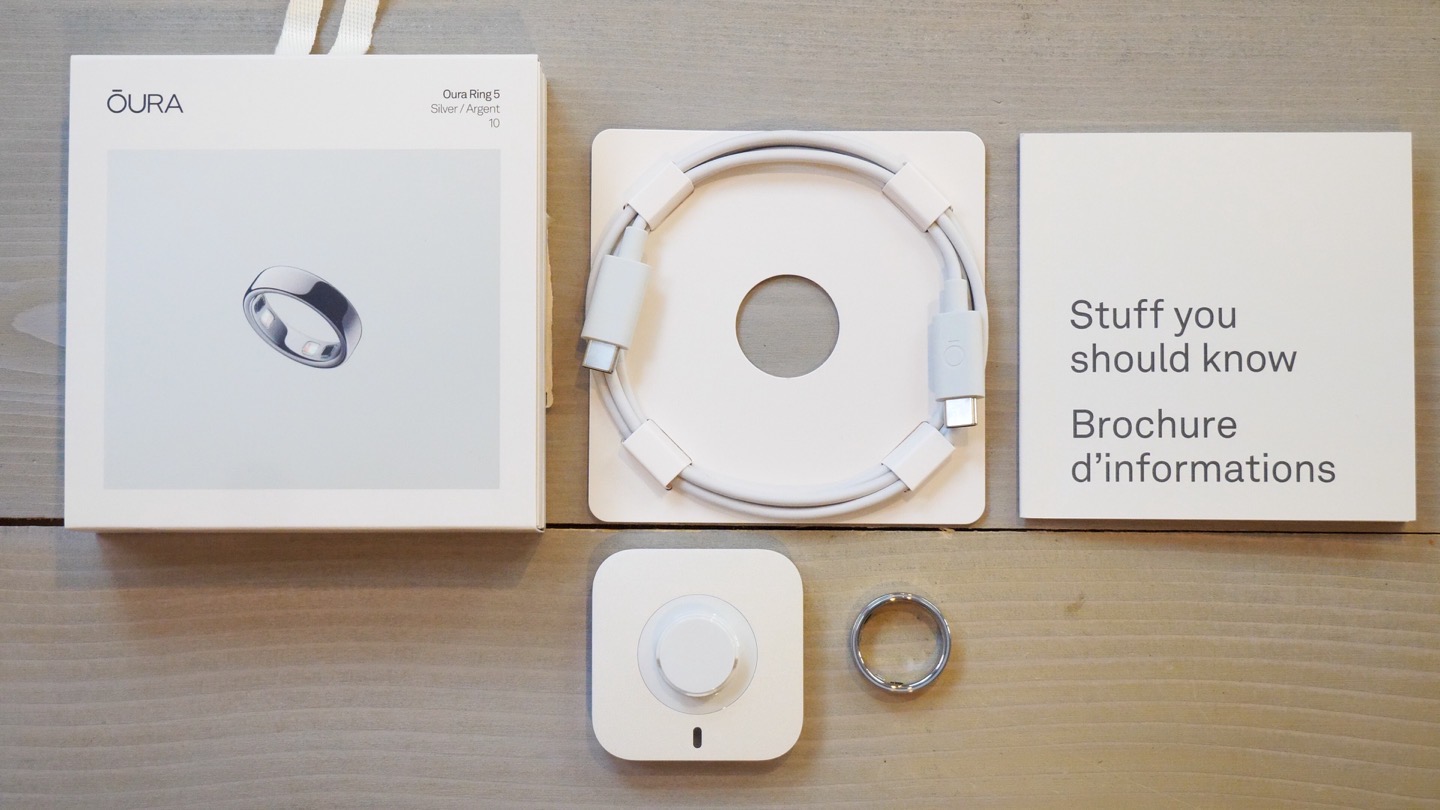
The Oura Ring 5 introduces a new charging dock, which is unfortunately not backward compatible with the Ring 4. The company claims a battery life of 6 to 9 days, a slight increase over the previous generation’s 5-8 day claim. In real-world testing, a Size 10 unit consistently lasted between 6 and 7 days with approximately 90 minutes of daily activity tracking.
While 6-7 days is industry-leading for a device of this size, it is important to note that lithium-ion batteries in smart rings tend to degrade faster than those in larger watches due to their small capacity and frequent charging cycles. Users should expect the effective battery life to drop by 15-20% after the first year of continuous use.
Broader Impact and Market Implications
The Oura Ring 5 arrives at a crossroads for the wearable industry. The "Subscription Fatigue" phenomenon is real, and Oura’s insistence on a monthly fee for data access remains a barrier for many. However, the company’s pivot toward medical-grade health monitoring—including features for cycle tracking, stress management, and early illness detection—positions it more as a wellness tool than a fitness tracker.
The implications of the Ring 5 are clear: Oura has conceded the "athlete" market to Garmin and Whoop, choosing instead to dominate the "lifestyle" and "wellness" market. For the executive, the parent, or the casual user who wants deep insights into their recovery without the aesthetic of a plastic strap or a glowing screen, the Oura Ring 5 is unparalleled. It is a triumph of jewelry design that happens to contain a sophisticated computer.
Final Verdict
The Oura Ring 5 is the most refined smart ring ever produced, yet it is not a universal recommendation. Its value proposition is tied entirely to its form factor. If the primary goal is to monitor health metrics in the most discreet way possible, the Ring 5 is the definitive choice. The 40% reduction in size makes it nearly indistinguishable from a standard wedding band, and the improved sensor brightness ensures that the data collected is as accurate as the current laws of physics allow for a finger-based wearable.
However, for anyone who considers themselves an athlete or even a dedicated fitness enthusiast, the Oura Ring 5 cannot act as a primary device. The lack of meaningful Strava integration, the absence of live heart rate data during workouts, and the inaccurate VO2Max estimations make it a secondary accessory at best. In 2026, a $400 device should not require a $100 chest strap and a separate app to provide basic athletic data. Oura has perfected the ring; now, it must decide if it ever wants to truly perfect the athlete’s experience.